
Filters
Level
Grade
Subject
Subject Area
Subject Topic
Standard(s)
Audience
Keyword
DurationMinutes
4th Grade Lesson Plans

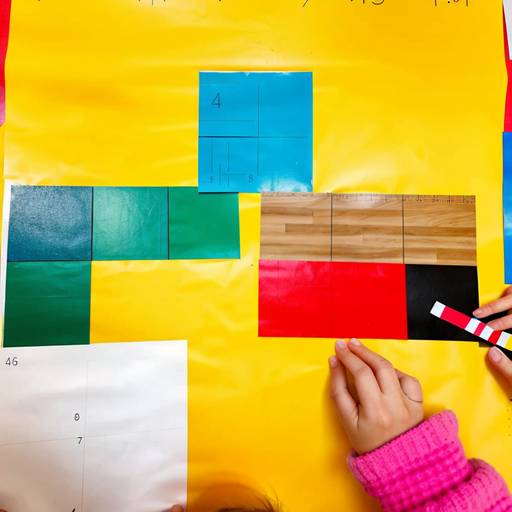
In this 4th-grade math lesson, students will explore the concepts of measurement and perimeter through engaging hands-on activities. The lesson begins with a discussion on the importance of measurement and introduces perimeter as the distance around shapes, including the relevant formula for rectangles. Students will practice measuring various classroom objects in small groups during a scavenger hunt, where they will calculate the perimeter based on their measurements. Following the scavenger hunt, each student will draw a rectangle on graph paper, measure its dimensions, and determine its perimeter. The lesson concludes with a review of key concepts, allowing students to share their findings. Assessment will be based on observation during activities and the collection of worksheets and drawings. Extensions and adaptations are included to cater to diverse learning needs, ensuring that all students can engage meaningfully in the exploration of measurement and perimeter.

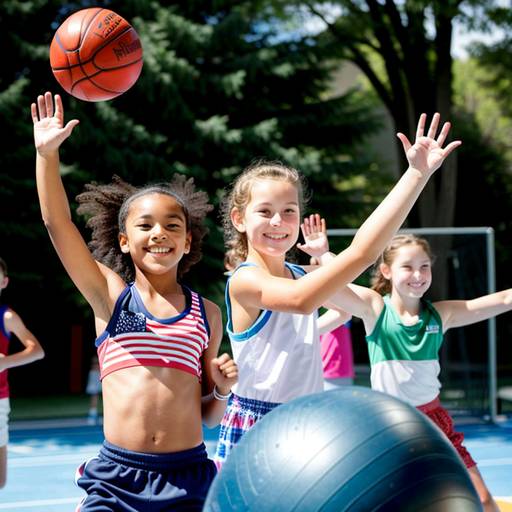
This 4th-grade physical education lesson focuses on teaching students about the importance of fitness and flexibility through engaging activities. The lesson begins with an energizing warm-up that includes dancing to upbeat music, followed by a discussion highlighting the benefits of flexibility.
Students then rotate through four interactive stretching stations, targeting different muscle groups—upper body, lower body, core, and dynamic stretching—while working in small groups. After completing the stations, the class participates in a "Flexibility Challenge," where they hold various static stretches together while encouraging each other.
The lesson concludes with a cool-down routine, including deep breathing and gentle stretches, followed by a reflection session where students share their newfound knowledge about flexibility and ways to practice it at home. Teacher observation and student reflections serve as assessments of their understanding and engagement throughout the activities. Adaptations are provided to ensure all students can participate comfortably. The lesson emphasizes the significance of flexibility in overall fitness and encourages students to incorporate stretching into their daily lives.
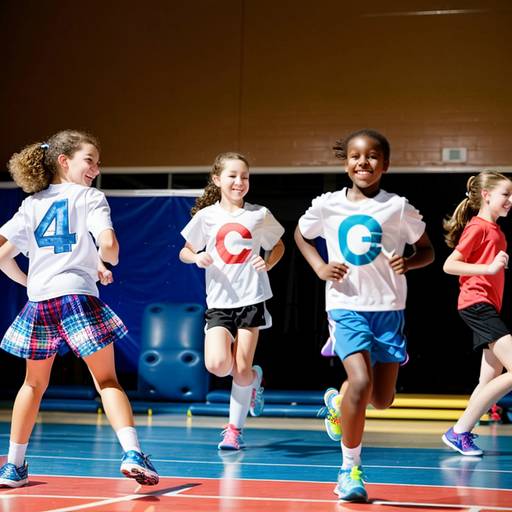
In this 4th-grade physical education lesson, students will participate in a series of engaging cardiovascular activities designed to enhance their fitness while promoting teamwork and fun. The class will begin with a warm-up that includes dynamic stretches and an energizing jogging session. Following this, students will rotate through four activity stations: a hula hoop relay, a jump rope challenge, a bean bag toss combined with a dash, and a fitness cone circuit. Each station aims to keep students active and encourage friendly competition.
After the activity period, students will cool down with gentle stretching and participate in a group discussion about the importance of cardiovascular health and what they learned through the activities. Throughout the lesson, the teacher will assess engagement and cooperation while providing modifications to accommodate varying fitness levels. Finally, the instructor will reflect on the success of the lesson and gather feedback to improve future activities.
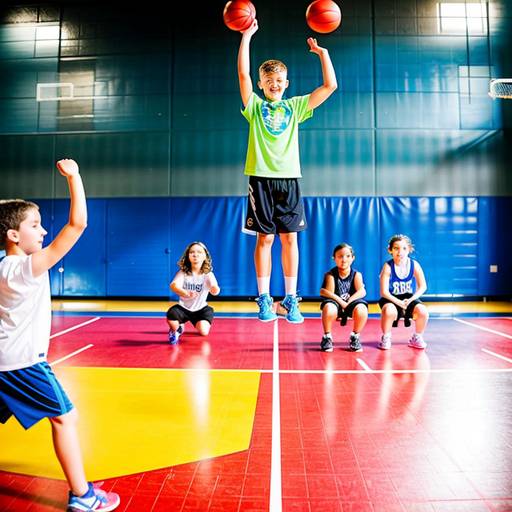
In this 60-minute physical education lesson for 4th-grade students, the focus is on fitness and strength through engaging activities that promote teamwork and healthy habits. The lesson begins with a warm-up that includes dynamic stretching and a follow-the-leader game to get students moving.
Students then participate in strength station rotations where they practice push-ups, squats, plank holds, and resistance band exercises. Following this, they engage in a relay challenge that incorporates various strength tasks, encouraging them to complete fun physical challenges in teams.
The lesson concludes with a cooling down session that includes static stretching and a reflective discussion about the importance of fitness and strength. Assessment is based on participation and effort, along with a short quiz to reinforce their understanding. Modifications are provided to ensure all students can participate safely and effectively, promoting inclusivity and a love for physical activity.
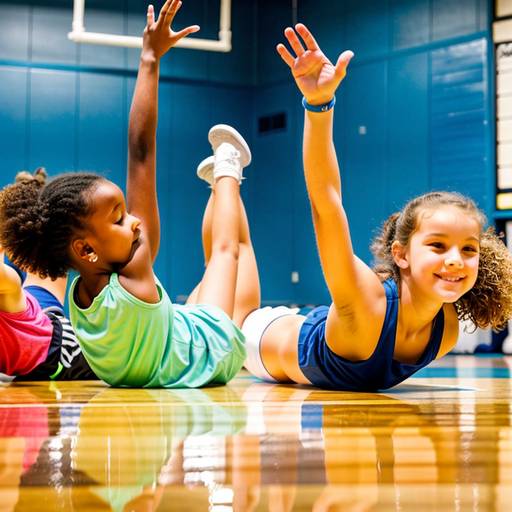
In this 4th-grade physical education lesson, students will engage in a comprehensive exploration of fitness and flexibility through a series of activities designed to enhance their movement skills. The lesson begins with a discussion on the importance of fitness and flexibility, followed by dynamic warm-up exercises to prepare their bodies for action.
Students will then participate in a fitness circuit featuring various stations, each focused on different aspects of fitness and flexibility. Activities will include using stretch bands for strength exercises, practicing basic yoga poses for balance and body awareness, performing guided stretches on mats, navigating an obstacle course, and participating in balance challenges.
The class will conclude with a gentle cool-down and a reflection session where students can share their thoughts on the activities and their understanding of the benefits of flexibility. Throughout the lesson, students will be encouraged to participate at their own pace and work collaboratively, fostering a supportive and inclusive environment. This engaging approach aims to instill the significance of fitness and flexibility in a fun and interactive way.

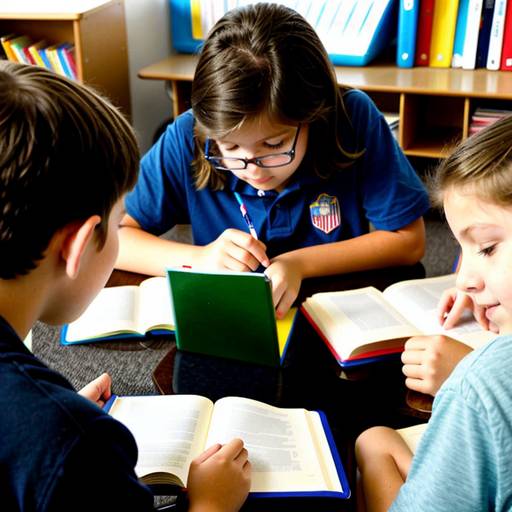
In this 4th-grade Language Arts lesson, students focus on improving their reading fluency through collaborative activities. The lesson begins with a discussion about reading fluency and a modeling session where the teacher demonstrates fluent reading. Students are then paired up and engage in a timed reading exercise, taking turns reading a selected text while providing feedback to each other using fluency tracking sheets.
After practicing their reading, the class reconvenes to discuss the text, answering comprehension questions that require them to reference specific details. Students complete a written response to further demonstrate their understanding of the material. Throughout the lesson, teachers monitor students’ progress and provide support as needed.
The lesson aims for students to leave with enhanced reading skills and a better understanding of the text, while also encouraging them to continue practicing their reading fluency at home. Differentiation strategies are included to cater to varying reading levels among students.

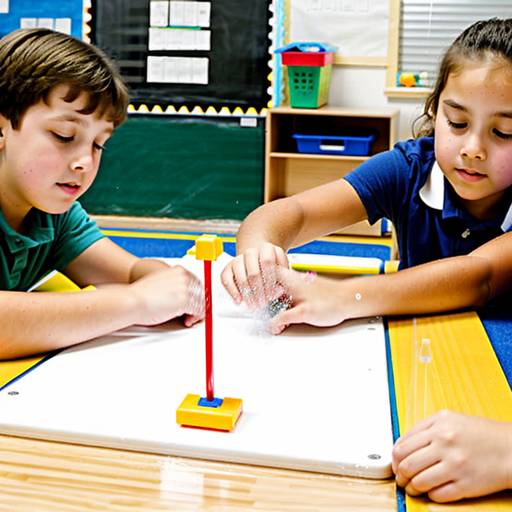
In this 4th-grade science lesson, students will explore fundamental concepts of forces, specifically focusing on pushes, pulls, and the role of friction. The lesson begins with an engaging discussion to elicit student experiences related to motion and forces. Following this, key terms and concepts will be introduced, including friction's impact on the movement of objects.
Students will then participate in a hands-on experiment where they will test how various textured surfaces affect the speed of toy cars. Working in small groups, they will measure the time it takes for the cars to travel a certain distance on different surfaces and record their observations. This activity fosters teamwork and enhances understanding through practical application.
After the experiment, students will regroup to discuss their findings, providing insights into how friction influences motion. To conclude, they will reflect on their learning and pose any remaining questions on an exit slip. The lesson emphasizes interactive learning and critical thinking, helping students grasp essential physical science principles while making real-world connections. Adaptations and extensions are provided to support diverse learners and encourage further exploration of related concepts.
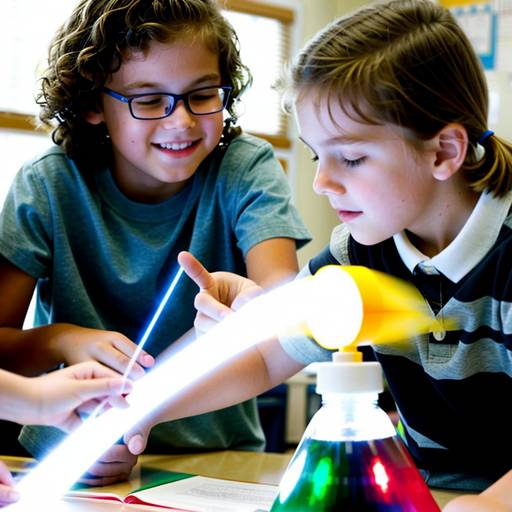
In this 4th-grade science lesson, students will explore the concepts of forces and motion, specifically focusing on push and pull. The lesson begins with an engaging discussion about the movement of objects in their environment, followed by a clear explanation of different types of forces and their effects, including the role of friction.
Students will participate in a hands-on experiment where they will work in small groups to test how different forces influence the distance that a small ball or toy car travels down a ramp. By adjusting the angle of the ramp and adding weights, they will observe and record their results, which will promote understanding of the relationship between force and motion.
The lesson culminates in a class discussion where students share their findings and reflect on their learning. Through this interactive approach, they will develop a foundational understanding of physical forces and their implications in everyday situations, while also honing their data collection and analytical skills. Assessment will be based on observation during activities, worksheet completion, and participation in discussions. Extensions are provided for students who wish to explore further challenges related to forces and motion.
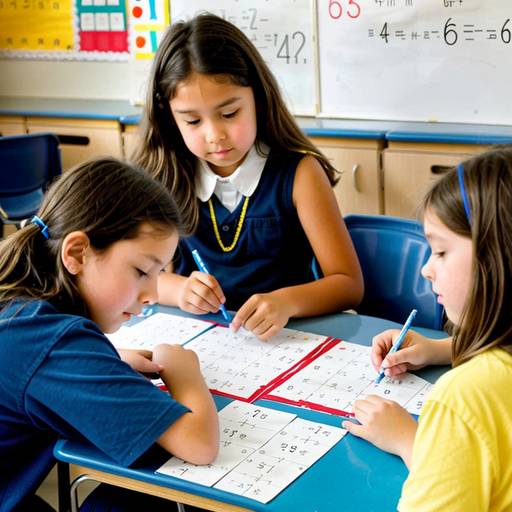
In this 4th-grade math lesson, students will focus on understanding and subtracting fractions with like denominators. The session begins with a brief review of fractions, including their components and visual representations using fraction circles. Students will learn the process of subtracting fractions through direct instruction and guided practice involving visual aids. After working collaboratively on a worksheet, they will have the opportunity to engage in a hands-on activity using real-world objects, such as pizza slices or fruit pieces, to act out fraction subtraction problems. The lesson concludes with a recap of the key concepts, followed by individual assessments through completed worksheets. To accommodate different learning needs, the lesson includes extensions for advanced learners and additional support for those who require it. Overall, this lesson aims to provide an interactive and practical approach to mastering the subtraction of fractions.
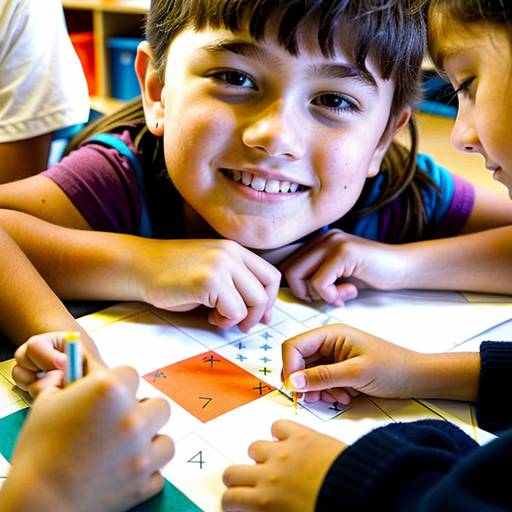
In this 4th-grade math lesson, students will explore the concept of fractions, focusing on adding fractions with like denominators. The lesson begins with an engaging discussion about real-life examples of fractions, such as pizza or cake slices, followed by direct instruction on adding fractions using visual aids like fraction circles or bars.
Students will participate in guided practice by solving addition problems together on the whiteboard, allowing for collaborative learning and expression of thought processes. Afterward, they will complete worksheets independently, reinforcing their understanding through practice problems and real-life applications drawn from a story that features fraction scenarios.
The lesson concludes with a review session, where students share their learnings and questions, solidifying their grasp of the material. Assessment will be ongoing, focusing on student participation in activities, worksheet accuracy, and reflections captured in exit tickets. Overall, the lesson aims to make the concept of adding fractions accessible and relevant to students' everyday experiences while fostering a supportive learning environment.