
Filters
Level
Grade
Subject
Subject Area
Subject Topic
Standard(s)
Audience
Keyword
DurationMinutes
3rd Grade Lesson Plans

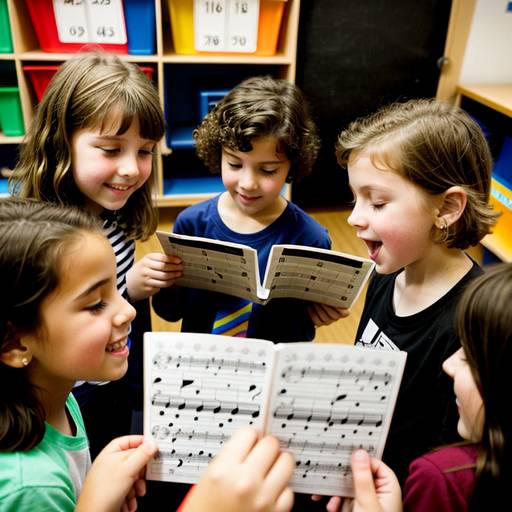
In this engaging music theory lesson for 3rd-grade students, the focus is on helping them identify and name basic musical notes (A, B, C, D, E, F, G) and understand the structure of a musical staff and treble clef. The lesson begins with an introduction to the significance of music and the basics of the staff, including the placement of notes. Students participate in an interactive game, "Note Name Relay," where they work in groups to identify notes by collecting flashcards and representing them accurately on the staff.
Following the game, students complete worksheets to reinforce their understanding of note names and staff positions. The lesson concludes with a review of key concepts, encouraging students to share their thoughts and emphasizing the importance of practicing at home. Assessment is based on participation and worksheet completion, and possible extensions include introducing basic rhythms and encouraging instrument play. Overall, the lesson creates a dynamic and supportive learning environment for foundational music theory.
This lesson plan focuses on introducing 3rd-grade students to multimedia creation and digital storytelling. Over two sessions, students will explore the components of multimedia, including text, images, and sound, and learn how to use a digital storytelling tool like Google Slides, PowerPoint, or Canva. In the first session, students will discuss the importance of multimedia in storytelling and work in groups to brainstorm and outline their stories.
In the second session, students will collaborate to create their digital stories using the chosen tool, incorporating various multimedia elements. They will then present their completed projects to the class, allowing them to practice public speaking and engage with their peers through a question-and-answer session. The lesson emphasizes creativity, collaboration, and the development of technological skills, providing students with a comprehensive understanding of digital storytelling. Assessment includes observing group participation and evaluating the presentations based on creativity and clarity. Extensions encourage students to reflect on their learning and explore further multimedia options at home.

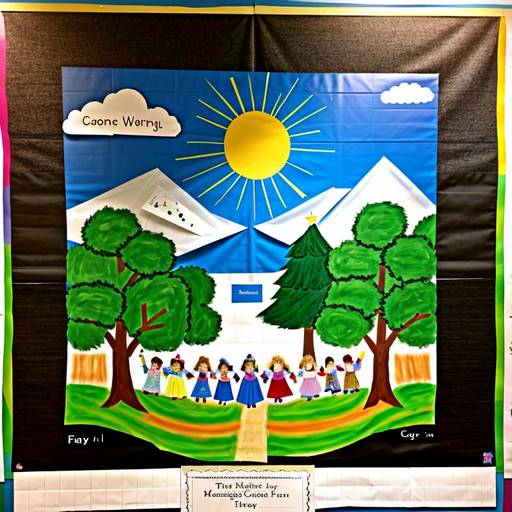
In this 3rd-grade Language Arts lesson plan, students will focus on narrative writing by creating their own fairy tales. The lesson begins with a read-aloud of a classic fairy tale, followed by a discussion of its key components: characters, setting, problem, and solution. Students will then complete a story map as a class to analyze these elements. Afterward, they will have time to independently write their own fairy tales, using their story maps as guides and incorporating descriptive language to enhance their narratives. The lesson concludes with an opportunity for students to share their stories with peers, fostering a sense of community and encouraging creativity. Assessment will be based on their written stories, focusing on the narrative structure and use of descriptive details. Extension activities include illustrating scenes from their tales and compiling a class anthology for sharing.
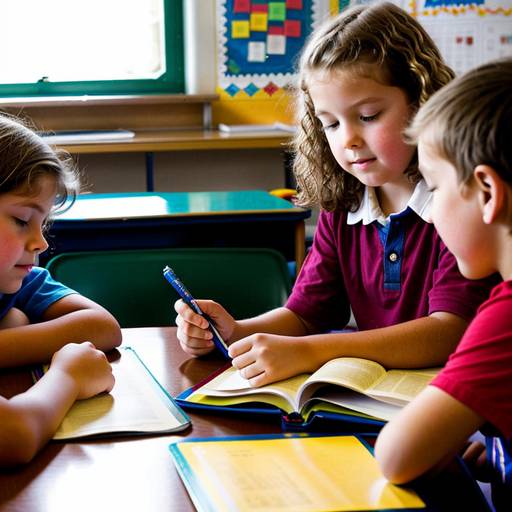
This lesson plan for 3rd-grade language arts focuses on teaching students the fundamental elements of storytelling, including character, setting, conflict, and resolution. The lesson begins with an engaging discussion about favorite stories and characters, and students contribute ideas about what makes a great story. They are then introduced to a story map template that helps them organize their thoughts.
During guided practice, students brainstorm ideas using a story cube, share their story maps with a partner for feedback, and start drafting their own short stories based on their maps. They are encouraged to illustrate their work while writing. The lesson closes with a discussion where students can share snippets of their stories and reflect on their creative process. Assessment includes monitoring participation and reviewing the completed story maps and narratives, focusing on their understanding of storytelling elements. Possible extensions encourage further creativity, such as creating illustrations or sharing stories with others.

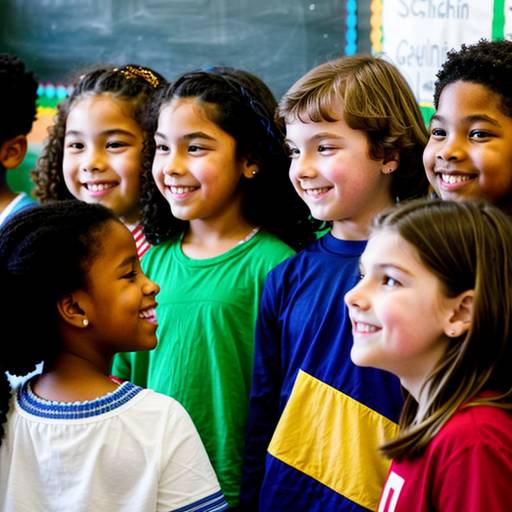
This 3rd Grade social studies lesson focuses on understanding the concept of community and the significance of celebrating diversity. Students begin by discussing what constitutes a community and engage with a story that highlights themes of inclusion and respect for differences. The lesson continues with group activities, where students create a collaborative "Diversity Map" that illustrates various cultural representations within their community. Following this, they participate in an art project to design personal "quilt squares" that reflect their individual backgrounds and traditions. The lesson emphasizes the importance of diversity in enriching communities and concludes with a reflection on what students have learned. Assessment is based on participation and creativity during activities, with options for extensions that encourage deeper engagement with local cultures. Overall, the lesson aims to foster appreciation for differences and promote a sense of belonging among students.
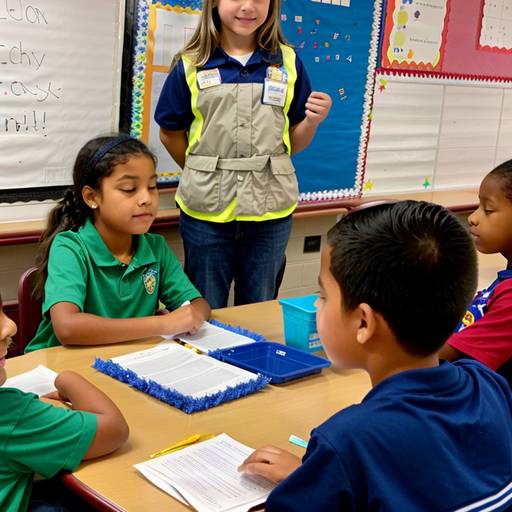
This 3rd-grade social studies lesson focuses on understanding community helpers and their roles within society. Students will begin by discussing what constitutes a community and identifying various community helpers, such as firefighters, teachers, doctors, and police officers. The lesson includes direct instruction using picture cards to explain each helper's responsibilities, supplemented by a collaborative chart created as a class.
Students will participate in a role-playing activity in small groups, where they will act out the daily responsibilities of their assigned community helper, enhancing their comprehension through performance. Following this, they will complete a matching worksheet that pairs community helpers with their respective duties, allowing for assessment of their understanding.
The lesson concludes with a review of the importance of community helpers and encourages students to reflect on which roles they find most significant. Adaptations for diverse learners and extensions for further exploration are included, making this a comprehensive educational experience that cultivates awareness of community interdependence and teamwork.
This lesson plan for 3rd-grade students focuses on exploring the roles of community helpers and understanding the importance of community rules. Beginning with a discussion to identify various community helpers, students learn about their contributions to the community's safety and well-being. The lesson includes an interactive activity where students match specific rules to the community helpers they relate to. Following this, students will create posters that combine artistic expression with the knowledge they have gained, linking a community helper to a relevant rule. The lesson concludes with a reflection on the significance of community cooperation and respect. Assessment will be based on participation and creativity. Extension activities may involve a field trip or guest speaker to further deepen students' understanding of local community roles. The plan accommodates diverse learning needs, allowing for various expressions of creativity throughout the activities.
In this 3rd-grade social studies lesson, students will explore the roles of various community helpers and the importance of rules within a community. The lesson begins with a discussion about who helps them in their community, followed by an introduction to different community helpers and their contributions. Students will then engage in a group activity where they brainstorm and create a new rule aimed at improving their community, illustrating their ideas on chart paper. Groups will present their rules to the class, fostering discussion and encouraging questions. The lesson wraps up with a summary of the key concepts learned and a reflection on community helpers and rules. Assessment will involve participation in discussions and presentations, along with a worksheet that captures students' understanding of their favorite community helper and their proposed rule. Extensions, such as field trips or guest speakers, can further enrich the learning experience.
In this 3rd grade social studies lesson, students will explore important historical events and figures from their local community, fostering an understanding of the significance of history in their everyday lives. The lesson begins with a discussion on the meaning of history and its relevance, encouraging students to share any local historical events they know.
Students will then be divided into small groups to research a selected event, individual, or landmark using local history books or online resources. Each group will summarize their findings and create a timeline representing the key events related to their topic, incorporating drawings or sticky notes for added creativity.
Afterward, groups will present their timelines to the class, allowing for questions and further discussions. The lesson concludes with a reflection on the importance of preserving local history and how it shapes community identity. Assessment will focus on student participation, collaboration in group work, and the quality of presentations. An optional extension activity is available, such as a field trip to a local museum or a visit from a local historian, to enhance students' understanding of their community's historical context.
In this 3rd-grade social studies lesson, students will explore geography and countries through an engaging and interactive format. The lesson begins with a discussion about countries and travel, introducing students to the concept of passports. Following a brief direct instruction on basic geographic terms and the locations of various countries using a world map or globe, students will engage in guided practice by researching two countries of their choice. They will fill out a "passport" template with information about each country, including the capital city, a landmark, traditional food, and a fun fact.
Next, students will create mini-posters to visually represent their findings, including illustrations such as the country’s flag and cultural symbols. The lesson culminates in a presentation where students share their projects with the class, offering an opportunity to learn from each other. Assessment will be conducted through observation and review of completed materials. The lesson also includes extensions, such as a potential "World Cultures Day" to further immerse students in different cultural practices. Overall, this lesson emphasizes the importance of understanding geography and cultural diversity.