
Filters
Level
Grade
Subject
Subject Area
Subject Topic
Standard(s)
Audience
Keyword
DurationMinutes
3rd Grade Lesson Plans


In this third-grade math lesson, students will explore multiplication through the context of word problems. The session begins with an engaging discussion about their experiences at markets or stores, leading to an introduction of multiplication as a shortcut for repeated addition. Key vocabulary associated with multiplication will be highlighted, along with essential keywords that signal multiplication in word problems.
During guided practice, students will work in pairs to collaboratively solve example problems, using counters for a visual representation of the concepts. This will encourage them to identify keywords and apply multiplication effectively. Following this, students will complete the "Mystery Market" Word Problem Worksheets independently, showcasing their understanding by solving various multiplication problems and explaining their reasoning.
The lesson concludes with a group review of selected problems, emphasizing the strategies used and allowing students to share insights. An exit ticket will prompt each student to create their own multiplication problem, providing a quick assessment of their comprehension. Accommodations will be made for diverse learners, ensuring all students are supported and challenged according to their individual needs. The overall goal is to strengthen students' multiplication skills while fostering critical thinking and problem-solving abilities.

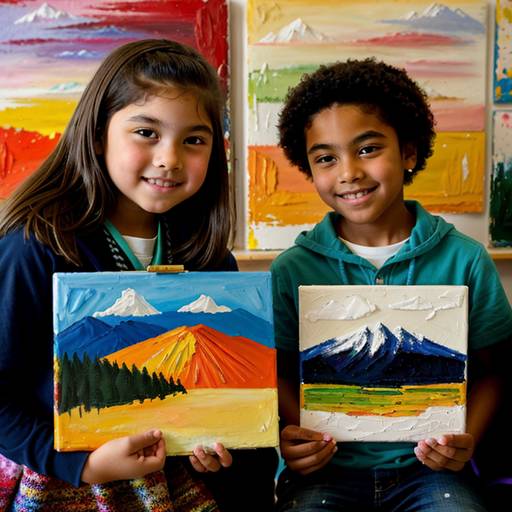
In this 3rd-grade art lesson plan, students will explore painting techniques and the concept of texture through a nature-inspired project. The session begins with a discussion about the colors and textures found in the natural world, encouraging students to connect their experiences with art. After a demonstration showcasing various painting techniques—including brush strokes, sponge application, and the use of natural objects—they will create their own artwork inspired by a scene from nature. Students will practice mixing colors and layering their paints while incorporating different textures into their compositions. The lesson culminates in a sharing session where students present their artwork to the class, reflecting on their creative choices and the techniques they employed. Assessment is based on individual creativity and the effective use of color and texture. Cleanup procedures ensure that the workspace is tidy before transitioning back to other classroom activities.
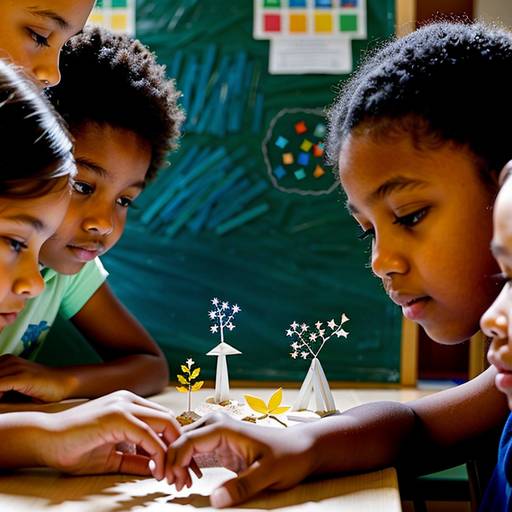
In this 3rd-grade art lesson, students will explore the concept of sculpture by creating their own 3D artworks using natural and organic materials. The lesson begins with a discussion about sculptures and various forms of 3D art, supported by examples to inspire creativity. Following a demonstration of basic sculpting techniques, students will construct their sculptures using materials such as twigs, leaves, stones, and pinecones, encouraged to think about form, balance, and texture.
After their creations are complete, students will share their artworks with the class, explaining their inspirations and material choices. The lesson emphasizes creativity and engagement, with informal assessments based on participation and the use of materials. Extensions include nature walks for gathering additional materials and discussions on famous sculptors, fostering a deeper appreciation for sculpture and natural art forms among students.
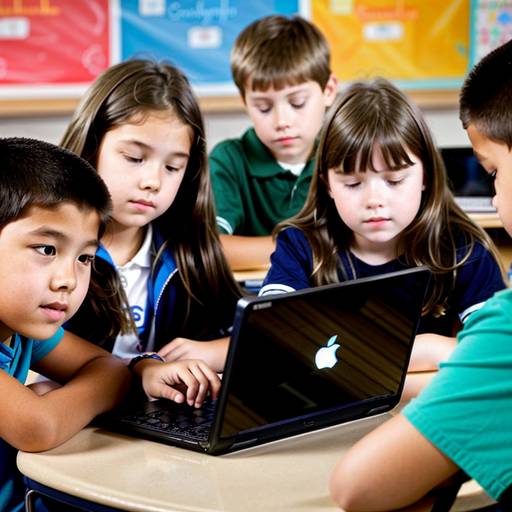
This lesson plan is designed for 3rd-grade students to enhance their understanding of digital citizenship and raise awareness about cyberbullying. The one-hour session begins with a discussion about digital citizenship and the significance of kind behavior online. Students will watch an engaging animated video on cyberbullying, followed by a group discussion that prompts them to reflect on the emotional impact of online bullying.
Next, students will work in small groups to analyze various scenarios that depict different online interactions, determining which promote positive digital behavior and which involve cyberbullying. This collaborative activity allows them to share insights and solutions with their peers. In the final part of the lesson, students will create posters that advocate for kindness and strategies to combat cyberbullying, fostering creativity and teamwork.
The lesson concludes with a recap of key concepts and a reflection assignment where students will write about how they can be supportive friends online and respond appropriately if they witness cyberbullying. Assessment will be based on participation, creativity in the poster creation, and the reflection paragraph. Additional extensions may include inviting a school counselor to discuss coping strategies for victims of cyberbullying and planning a follow-up lesson on safe online practices.
In this 3rd-grade technology lesson, students will explore the concepts of digital citizenship and privacy protection. The lesson begins with a discussion to gauge students’ understanding of digital citizenship, followed by a short video to provide context. Students then work in small groups to complete a worksheet that prompts them to discuss the implications of sharing information online and strategies for keeping their information safe.
Following this, the class engages in a discussion about privacy protection, using scenarios to illustrate the importance of being cautious when sharing details online. Students will then collaborate to create posters outlining essential online safety rules, promoting teamwork and creativity. The lesson concludes with group presentations of their posters, reinforcing key concepts and recognizing participation with stickers or badges.
Assessment will focus on group interaction, comprehension of digital citizenship principles, and the thoughtfulness of their safety rules. Additionally, students will have the opportunity to extend their learning through discussions at home or creative digital storytelling projects. This lesson aims to equip students with the knowledge and skills needed to navigate the digital world safely and responsibly.
This lesson plan focuses on teaching 3rd-grade students the importance of digital citizenship and online safety. Students will begin by discussing what it means to be a good friend online, followed by a video introduction that highlights key safety concepts. The instructor will present essential online safety tips, covering topics such as protecting personal information, identifying safe online environments, and understanding the importance of reporting inappropriate behavior.
In a collaborative activity, students will work in small groups to analyze scenario cards depicting various online situations. They will discuss and determine the best actions to take based on the safety tips provided. Each group will share their scenario and solution with the class, fostering a community dialogue about responsible online behavior.
The lesson will conclude with a reflection activity where students write down one lesson learned and one commitment they will make to enhance their digital citizenship. This plan not only equips students with vital online safety knowledge but also emphasizes the importance of kindness and respect in digital interactions. The overall goal is to inspire responsible online behavior in their everyday activities.
This lesson plan focuses on teaching 3rd-grade students essential internet skills, highlighting the importance of privacy settings and safe online behavior. The session begins with an engaging video to spark discussion about sharing information online. Students learn key concepts related to internet navigation and privacy settings through direct instruction, followed by a guided hands-on activity where they practice adjusting privacy settings on their devices or a shared demo account. Afterward, students work independently on safety scenarios to analyze safe versus unsafe online practices. The lesson concludes with a class discussion to reinforce the day’s learning and encourage students to share their newfound knowledge with family. Assessment is based on observation during activities and review of worksheets, with extension activities available for deeper engagement with the topic.
This comprehensive lesson plan is designed for third-grade students to teach essential internet skills and the concept of netiquette. It begins by engaging students in discussing their online activities and the importance of using the internet safely. Key safety tips are introduced, emphasizing the need to protect personal information and use strong passwords.
The lesson then transitions into the principles of netiquette, explaining why respectful and polite communication is crucial in digital interactions. Students participate in a group activity where they analyze different online scenarios and develop appropriate responses that demonstrate netiquette.
The lesson concludes with a recap of the key points about internet safety and netiquette, along with printed materials for students to take home. Optional extension activities could involve inviting a guest speaker or facilitating further discussions about digital citizenship. Throughout the plan, assessment is based on student participation and their ability to apply what they have learned.
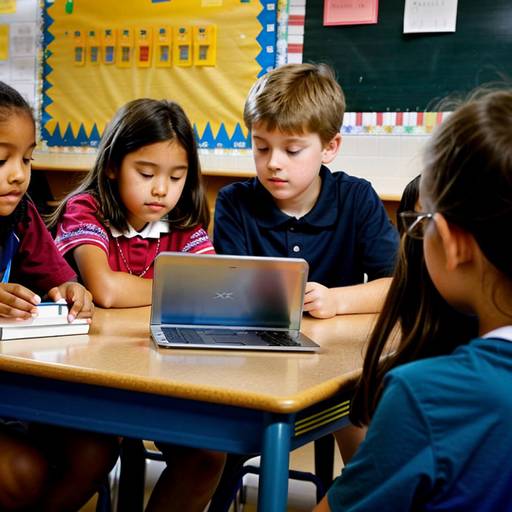
In this 3rd-grade technology lesson, students will learn essential Internet skills and the basics of using search engines. The lesson begins with a discussion about students' online experiences and introduces key vocabulary such as "Internet," "search engine," and "keywords." Through a mini-lesson, students will understand how search engines function and practice entering search queries to find information. They will then engage in a guided practice session where they explore a sample question as a class. Following this, students will participate in an independent scavenger hunt activity where they answer specific questions using a search engine, honing their ability to use keywords and analyze search results. The lesson concludes with a review of their findings and a reflection on what they learned about efficient online searching and the importance of selecting trustworthy sources. The plan includes provisions for assessment, adaptations for diverse learners, and potential extensions for advanced students.
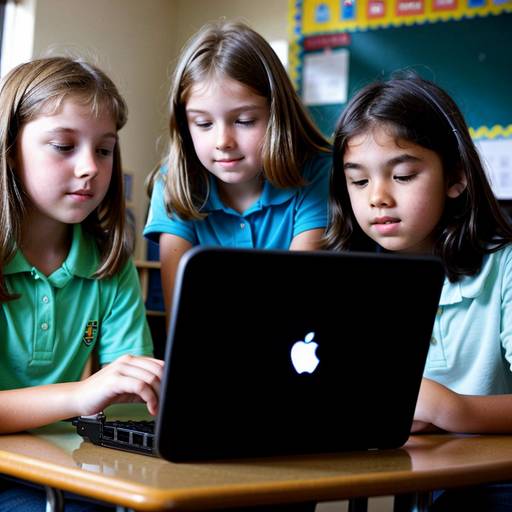
In this 60-minute technology lesson for 3rd-grade students, the focus is on developing internet skills and understanding internet safety. The lesson begins with a discussion about students' favorite online activities, leading into the importance of safe internet usage. Key topics such as private information, recognizing safe websites, and appropriate online behavior are presented through a slideshow and summarized in a handout for students to keep.
Following the instruction, students are divided into small groups, where they engage in an interactive activity analyzing various online scenarios that challenge their understanding of internet safety. Each group discusses their scenario, determines its safety level, and creates a mini-poster to illustrate their findings and responses.
After the group presentations, a class discussion reinforces the safety concepts learned. The lesson concludes with a summary and an emphasis on the importance of staying cautious online. To assess understanding, participation is evaluated through group activities and the mini-posters, while students may also reflect on their learning through a written response at home. Optional extensions include creating a digital safety pledge and involving parents in the learning process, while modifications are available to support diverse learner needs. Overall, the lesson aims to empower students with the knowledge and skills necessary to navigate the internet safely and responsibly.