
Filters
Level
Grade
Subject
Subject Area
Subject Topic
Standard(s)
Audience
Keyword
DurationMinutes
3rd Grade Lesson Plans

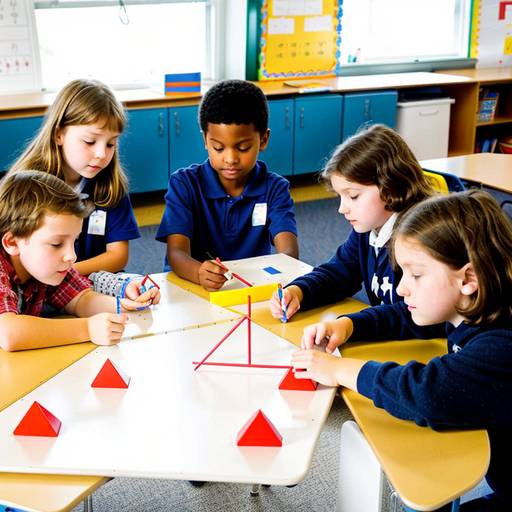
This 3rd-grade math lesson focuses on introducing students to the concept of perimeter. The lesson begins with an engaging discussion to elicit prior knowledge and define perimeter as the distance around a shape. Through guided practice, students use rulers and measuring tools to measure the sides of given polygons and calculate their perimeters by adding the lengths together.
Students then participate in an independent activity where they choose an object in the classroom, measure its sides using string or yarn, and calculate its perimeter. The lesson concludes with students sharing their findings and reflecting on their learning experiences. Assessment includes observation of group interactions, reviewing completed worksheets for measurement accuracy, and evaluating exit tickets to gauge individual understanding. Differentiation strategies are in place to support varying skill levels, ensuring all students can engage meaningfully with the content. Overall, students will gain practical measurement skills and a solid understanding of perimeter through interactive activities.
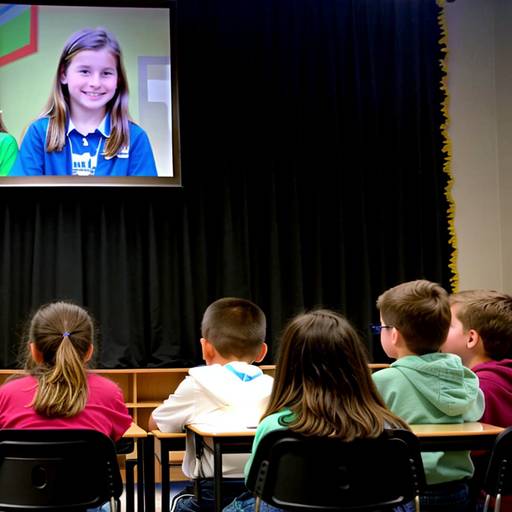
In this 3rd-grade technology lesson, students will explore the art of digital storytelling through multimedia creation. The lesson begins with a captivating example of a digital story, leading to a discussion about its engaging elements. Students will then work in small groups to brainstorm ideas for their own stories, using graphic organizers to outline the essential components of narrative structure, such as beginning, middle, and end.
During the main activity, students will create their digital stories using computers or tablets, incorporating images, text, and audio to enhance their narratives. Teachers will monitor progress, offering guidance and support as needed. At the end of the lesson, each group will present their digital stories to the class, fostering a sense of accomplishment and encouraging reflection on their creative processes.
The lesson emphasizes collaboration, communication, and creativity, with assessment based on student engagement and the effectiveness of their storytelling. Extension activities may include hands-on illustration work and introductions to more advanced editing tools for those interested in deepening their multimedia skills.

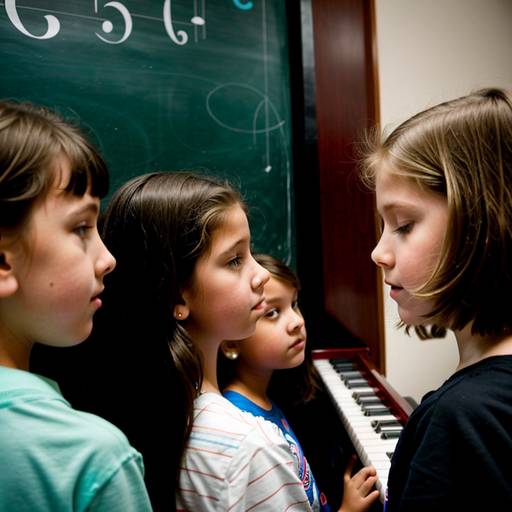
This lesson plan focuses on helping 3rd-grade students understand and identify high and low pitches through a variety of engaging activities. The lesson begins with vocal warm-ups and a discussion about pitch, coupled with audio examples of different sounds to illustrate the concept. Students then practice singing a simple song that emphasizes high and low notes, encouraging them to actively participate in vocal exercises.
To reinforce learning, the students are divided into two groups for a call-and-response game that allows them to mimic and respond to pitch changes. A movement activity, called "Pitch Freeze," further engages students by combining physical activity with musical learning as they must react based on pitch cues. The lesson concludes with a group reflection where students share what they learned, promoting communication and collaboration. Assessment is based on their participation and understanding throughout the activities, with extensions that encourage exploration of pitch in their everyday lives.

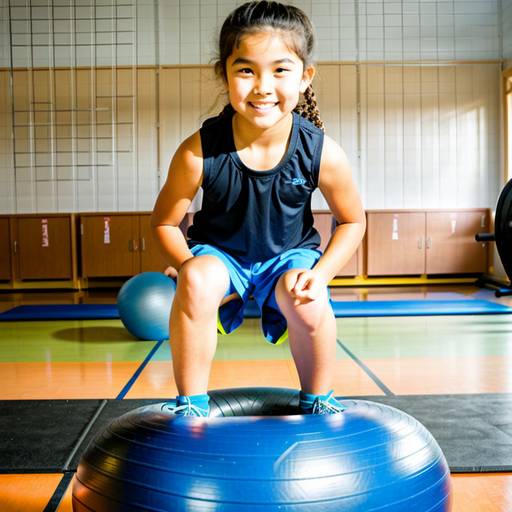
In this 3rd-grade physical education lesson, students will participate in engaging strength-building activities aimed at improving fitness and teamwork. The class begins with dynamic stretching and a fun game of Freeze Tag to warm up. Students will then rotate through four strength stations, including jumping jacks, resistance band exercises, hula hoop squats, and a ball-passing relay that incorporates bodyweight exercises.
After the main activities, students will cool down with static stretches while focusing on deep breathing. The lesson concludes with a group discussion that reinforces the importance of strength and fitness, allowing students to share their experiences and insights. Throughout the session, teachers will observe and ensure proper exercise techniques are maintained, promoting an inclusive environment that encourages all students to participate and enjoy physical activity.

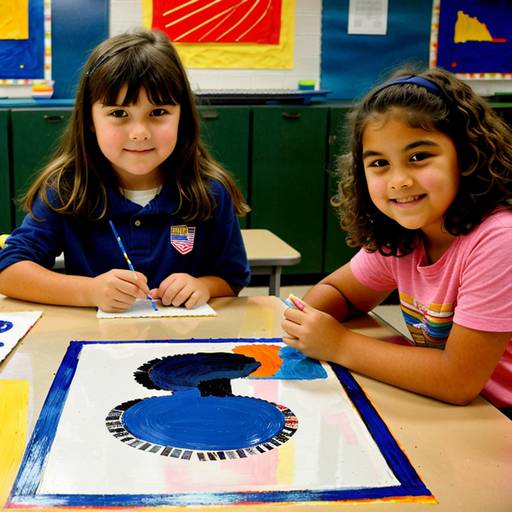
In this 3rd-grade art lesson, students will explore the art of printmaking by creating their own prints using everyday objects. The class begins with a discussion about printmaking and a demonstration of the processes involved. Each student will receive a Styrofoam plate to sketch and carve their unique designs, followed by applying non-toxic printing ink with a brayer. They will then create their prints by pressing the inked plate onto paper, experimenting with color and design variations. After completing their artwork, students will share and discuss their prints with classmates. The lesson emphasizes creativity, hands-on learning, and collaboration while introducing key concepts in printmaking. Monitoring student engagement and evaluating their prints will help assess their understanding of the techniques learned. Extensions for future lessons may include exploring more advanced printmaking methods.
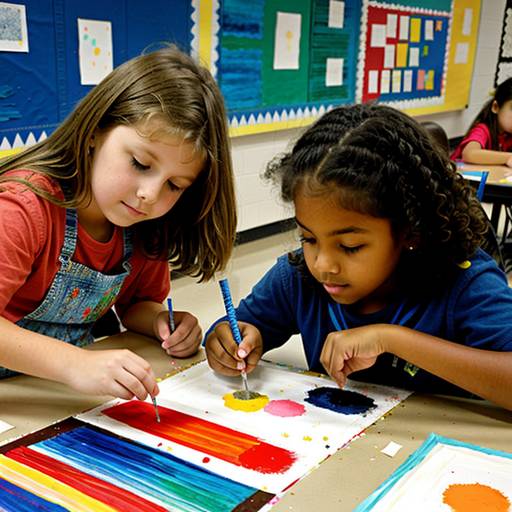
In this 3rd grade art lesson, students will explore printmaking techniques using everyday materials to create textured prints. The objectives are to help students recognize different textures in their environment and understand their significance in art, while also learning to make prints with their own designs. The lesson includes a warm-up discussion to identify textures, a demonstration on creating printing plates with styrofoam or cardboard, and an explanation of how to use paint to achieve clear prints.
During the main activity, students will carve their designs, apply paint to their plates, and press them onto construction paper or cardstock to create their prints. After completing their projects, a gallery walk will allow students to share and reflect on their work. The lesson concludes with an assessment of participation and creativity, and suggestions for extensions encourage further exploration of printmaking. This hands-on experience will enhance students' creativity and appreciation for texture in art.
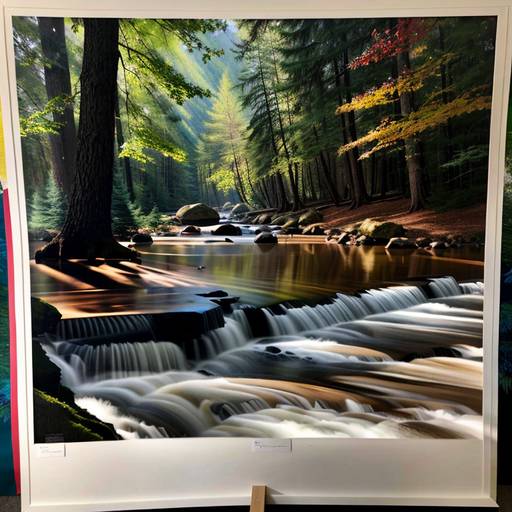
In this art lesson for 3rd graders, students will be introduced to the concept of printmaking while exploring the art forms inspired by nature. The lesson spans two class periods and begins with a discussion about printmaking techniques, accompanied by visual examples. Students will then participate in a nature walk to collect interesting natural items, such as leaves and flowers, which they will use for their printmaking projects.
In the first class, students will learn how to apply paint to their chosen natural materials and create prints by pressing them onto paper. The second class will focus on completing unfinished prints and sharing their work through a gallery walk, where students will appreciate and discuss their classmates' artwork. This will culminate in a reflective discussion about their experiences and learnings throughout the project.
Assessment will focus on participation, creativity in their prints, and engagement during discussions. The lesson encourages an appreciation for both nature and artistic expression while fostering skills in observation and printmaking techniques. Extensions may include creating a nature-inspired art book or exploring additional printmaking methods.

This 3rd-grade Language Arts lesson focuses on teaching students the importance and usage of various punctuation marks, such as periods, exclamation points, question marks, and commas. The lesson begins with a discussion about the significance of punctuation in writing, followed by direct instruction where students collaboratively fill in sentences with the correct punctuation on the whiteboard.
Next, students work in pairs to complete a worksheet that reinforces their understanding, then they individually punctuate another set of sentences. A group activity allows students to create “Punctuation Rules” posters, demonstrating their understanding through creative examples. The lesson concludes with group presentations and a recap of the key concepts learned. Assessment includes observation of participation, review of worksheets, and evaluation of the group posters. The lesson incorporates differentiation and extensions to meet varying student needs and encourage engagement with punctuation in their reading and writing.
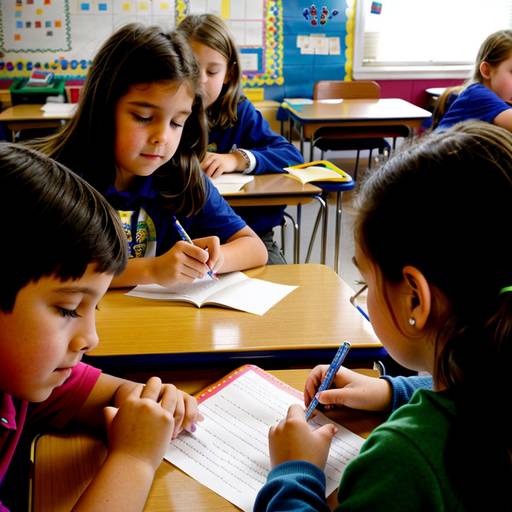
In this 3rd-grade Language Arts lesson, students will learn about important punctuation marks, including periods, commas, question marks, and exclamation points. The lesson begins with a discussion about the significance of punctuation in writing and how it affects clarity and expression. Students will receive Punctuation Toolkits that provide visual aids and explanations of each mark, which they will review as a class.
Next, in pairs, students will engage in a hands-on activity using worksheets to identify and correct punctuation errors in various sentences. They will then create their own sentences incorporating the targeted punctuation marks and have the opportunity to share their work with peers.
The lesson concludes with a recap of the importance of punctuation, rewarding students for their efforts with stickers. Assessment will be based on their completed worksheets, participation in discussions, and the sentences they create. Modifications are provided for students needing additional support, and extensions include a scavenger hunt for punctuation in books.
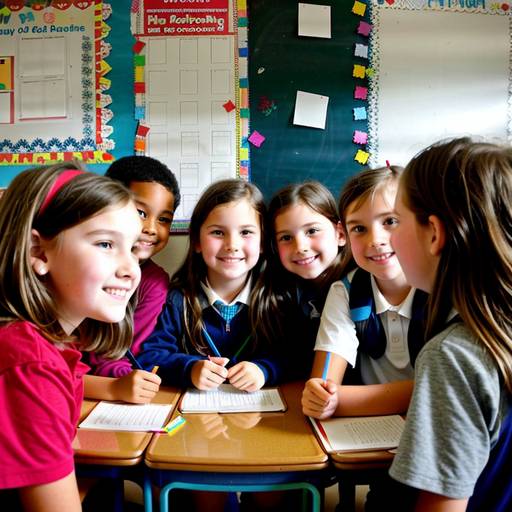
In this 60-minute language arts lesson for 3rd graders, students will explore the importance and application of essential punctuation marks, namely periods, question marks, and exclamation points. The lesson begins with a class discussion to introduce these punctuation marks, followed by direct instruction where students examine sentences lacking punctuation and learn how punctuation alters meaning.
During guided practice, students work on worksheets to identify and correct punctuation errors in sentences, collaborating in pairs to enhance their understanding. Independent practice involves creating short stories that incorporate various punctuation marks, allowing for creativity and personal expression.
The lesson concludes with a sharing session where students can present their work, followed by the distribution of participation certificates. Assessment will be based on classroom participation, worksheet accuracy, and the proper use of punctuation in their stories. Extensions and modifications are provided to accommodate diverse learning needs.