
Filters
Level
Grade
Subject
Subject Area
Subject Topic
Standard(s)
Audience
Keyword
DurationMinutes
3rd Grade Lesson Plans

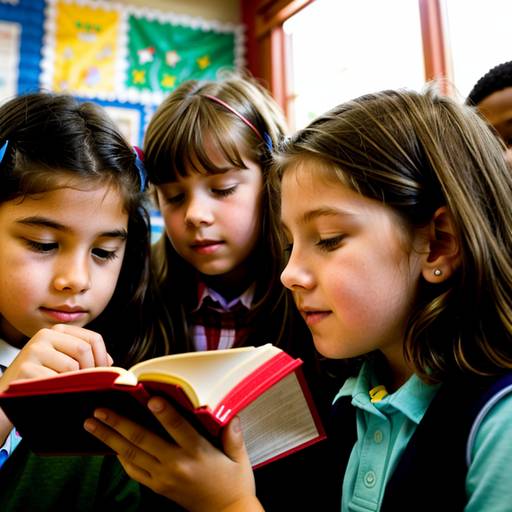
In this 3rd-grade language arts lesson, students will focus on reading comprehension by exploring characters in a selected storybook. The lesson begins with a discussion about their favorite characters, followed by a read-aloud of the chosen book where students will actively engage through questions about character emotions and actions. After reading, students will create a Character Trait Chart, identifying main characters, their traits, and how these traits influence their adventures. They will then independently complete the chart, illustrating their character and one of their adventures. The class will conclude with sharing sessions in pairs or small groups, fostering collaboration and reflection. Assessment will involve observing participation and collecting charts to evaluate understanding. Additionally, the lesson can accommodate different learning needs through support materials and extension activities that encourage further character exploration and engagement with literature.

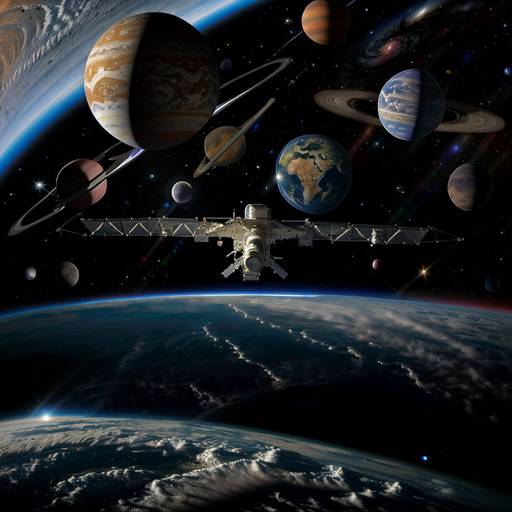
In this 3rd-grade science lesson, students will embark on an engaging exploration of the solar system, focusing on its eight planets and other celestial bodies. The class will begin with a discussion about prior knowledge, followed by a short video introduction and a fun interactive song about the solar system to capture students' interest.
Through direct instruction, students will learn about the characteristics of each planet using fact cards that highlight key information. In small groups, they will be assigned a planet to research and create a colorful poster that includes the planet's name, an interesting fact, a drawing or model representation, and its distance from the sun.
After creating their posters, each group will present their findings to the class, fostering teamwork and communication skills. The lesson will conclude with a recap of what was learned and a discussion about favorite planets. Assessment will focus on participation, collaboration, and creativity demonstrated in the poster project. Extensions may include further research on the planets and a simulated planetarium in the classroom to enhance the learning experience.
In this third-grade Language Arts lesson plan, students will explore the elements of narrative writing by understanding the key components: character, setting, and plot. The lesson starts with a class discussion to identify what makes a good story, followed by a collaborative creation of a chart that outlines these elements with examples. Students will then engage in a brainstorming session, prompted by an imaginative scenario about finding a magical door, to generate ideas for their stories.
During writing time, they will utilize provided templates to draft their narratives, incorporating detailed descriptions and creativity. The lesson culminates with students sharing their stories with classmates, fostering a supportive environment for peer feedback. Assessment will focus on students’ understanding and application of narrative elements in their writing. Extensions include opportunities for advanced students to illustrate their scenes and compile a class storybook. Reflection at the end will help gauge students' engagement and understanding of the narrative writing process.
In this 60-minute lesson plan for 3rd graders, students will explore expository writing by focusing on their pets. The lesson begins with a brainstorming session to discuss pet characteristics, followed by an explanation of the structure of expository writing, including the introduction, body, and conclusion. Students will practice creating a graphic organizer as a class, which will help them outline their writing. After guided practice, they will independently write an informative piece about their own pets, using descriptive language. The lesson concludes with sharing sessions, where students can discuss their writing with peers, followed by reflections on what they learned. Assessment will include observation during activities and evaluating the written pieces based on structure, clarity, and descriptiveness. An extension activity involves creating a mini booklet that illustrates their pet alongside their writing.

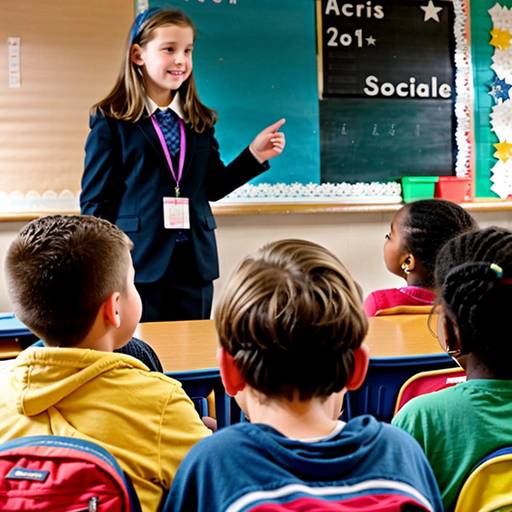
This lesson plan focuses on helping 3rd-grade students understand various roles within their community and the importance of each role in contributing to the community's well-being. The lesson begins with a read-aloud story that features different community helpers, followed by a discussion about the responsibilities associated with various occupations like doctors, firefighters, and teachers.
Students then engage in small group activities where they explore specific community roles using provided role cards. Each group chooses a role to illustrate and create a poster that includes the occupation’s name, a visual representation, and a description of how that role supports the community.
After creating their posters, students present their work to the class, fostering presentation skills and encouraging peer feedback. The lesson concludes with a recap of the key concepts learned and an exit ticket for students to reflect on their newfound knowledge. Extensions and accommodations are included to support diverse learners. Overall, the plan promotes collaboration, creativity, and an understanding of community interdependence.
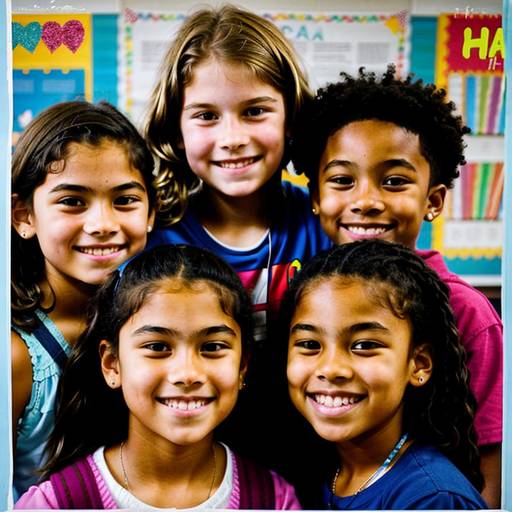
In this 3rd-grade social studies lesson, students will explore the concept of community and celebrate the diversity within it. Beginning with a read-aloud of a storybook that highlights various cultures, the lesson encourages students to reflect on what makes their community special.
Through direct instruction, students will learn about the definition of community, the significance of diversity, and the contributions of individuals from different backgrounds. They will then engage in a group activity where they research and create collages representing various cultures, showcasing aspects like food, clothing, and traditions. Each group will present their collage to the class, fostering a collaborative learning environment.
The lesson concludes with a reflective discussion on the richness that diverse cultures bring to the community and an exit ticket that allows students to express what they have learned. This interactive approach aims to deepen students' understanding and appreciation of diversity while promoting inclusivity within the classroom. Extensions may include inviting community members to share their cultural experiences or organizing a "Cultural Day" to further engage students with the topic.
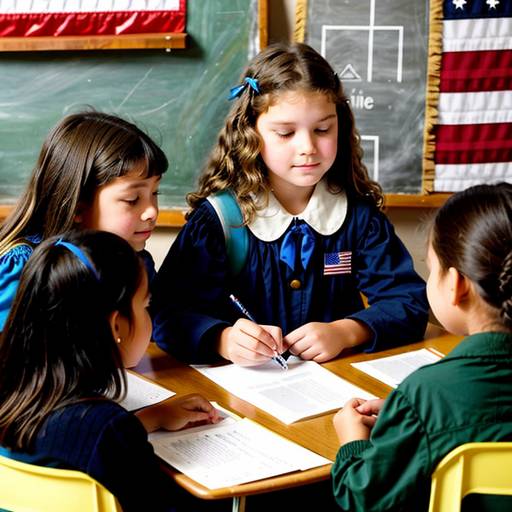
In this 3rd-grade social studies lesson, students will explore key historical figures in American history, focusing on their contributions and significance to society. The lesson begins with an engaging discussion that encourages students to identify and share historical figures they admire. The teacher will then introduce a selected group of historical figures through brief overviews and visuals, fostering understanding of their impact.
Students will work in small groups to discuss their assigned figures and decide how to represent them in a creative poster. Each student will choose a historical figure, conduct research using books and educational websites, and create a poster featuring a biography, contributions, and illustrations.
The lesson culminates with student presentations, allowing them to articulate what they've learned and share their creativity with peers. Reflective discussion will reinforce the importance of understanding history and its relevance to contemporary society. Assessment will focus on participation, poster quality, and presentation skills, with accommodations available for diverse learners. Extension activities may include a themed dress-up day and classroom timeline projects, enhancing engagement and reinforcing historical context.
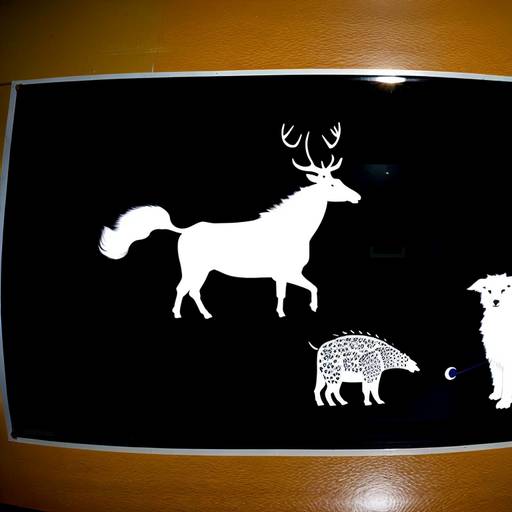
This 3rd-grade lesson focuses on understanding how animals adapt to their environments and the significance of these adaptations for survival. The lesson begins with an engaging introduction where students discuss the meaning of adaptation and watch a video showcasing various animal adaptations. Direct instruction follows, highlighting physical and behavioral adaptations with examples.
Students then work in small groups to examine animal picture cards, matching each animal to its habitat while discussing how its adaptations aid survival. Following this, they participate in a hands-on activity where they create their own fictional animals designed for specific habitats, incorporating unique adaptations.
The lesson concludes with students presenting their creations to the class, fostering communication skills and reinforcing their understanding. Participation in discussions, the quality of their artwork, and the explanations provided during presentations serve as assessments for understanding the key concepts. Additional resources and extension activities are suggested for further exploration of animal adaptations. Overall, this interactive lesson promotes collaboration, creativity, and critical thinking in the field of life science.

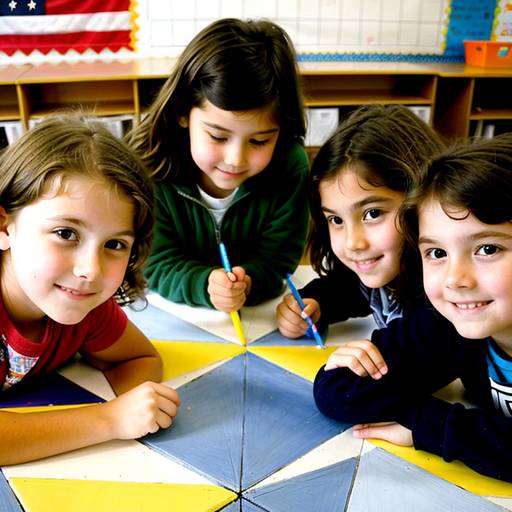
In this 3rd-grade math lesson, students will learn about geometry and angles by identifying and classifying different types of angles: acute, right, and obtuse. The lesson begins with an introduction discussing the concept of angles in real-life objects, followed by a direct instruction segment where the teacher demonstrates how to use a protractor to measure angles in various shapes.
During guided practice, students will engage with angle worksheets to measure and classify angles, collaborating with a partner to discuss their findings. The hands-on activity involves a scavenger hunt where small groups explore cardboard shapes to identify and chart angles. Each group will then present their discoveries to the class, reinforcing their understanding of the material.
The lesson concludes with a recap of key concepts and a homework assignment encouraging students to find and photograph objects with different angles in their home environment. Assessment will be based on student participation, accuracy in worksheet completion, and the quality of group presentations. Differentiation strategies are included to support diverse learning needs within the classroom. Overall, the lesson combines exploration, collaboration, and real-world connections to make the study of angles engaging and meaningful.
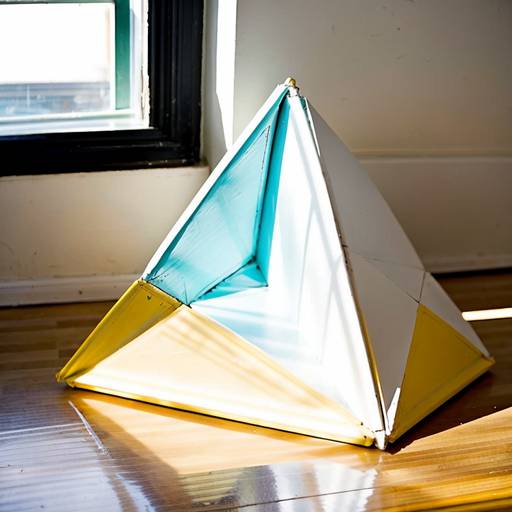
In this engaging 60-minute math lesson for third graders, students will explore the concept of angles and their classifications, including acute, right, and obtuse angles. The lesson begins with a discussion and visual identification of angles in the classroom, emphasizing their significance in everyday life.
Following this introduction, students will learn how to measure angles using protractors through direct instruction, complete with the aid of angle flashcards for visual reinforcement. In a guided practice activity, students will work in small groups to find and measure different angles in their environment, sharing their discoveries with the class.
For independent practice, students will create unique shapes using colored paper, ensuring they include at least one of each angle type and labeling them accordingly. The lesson wraps up with a gallery walk, allowing students to showcase their creations and identify angles in their classmates' work.
Assessment will occur through the evaluation of their angle hunt worksheets and observation during the creative activity. This interactive lesson not only promotes understanding of angles but also fosters collaboration and creativity among students.