
Filters
Level
Grade
Subject
Subject Area
Subject Topic
Standard(s)
Audience
Keyword
DurationMinutes
2nd Grade Lesson Plans

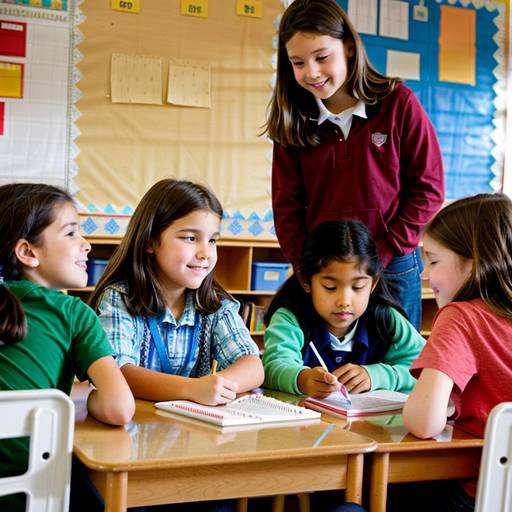
In this 2nd-grade Language Arts lesson, students will explore expository writing by focusing on a place that holds special meaning to them. The lesson begins with an introduction to expository writing and discussions about personal experiences. The teacher will model how to organize thoughts into a structured paragraph, highlighting the importance of sensory details. Students will then create a graphic organizer to outline their ideas before writing a short paragraph describing their chosen place. Once completed, they will share their writings with classmates to practice speaking and listening skills. The lesson concludes with a reflection on how expository writing allows us to convey significant information about our lives. Assessment will focus on the graphic organizers and the written paragraphs, ensuring students grasp the essential components of expository writing. Extensions include creating a class book and organizing a showcase for students to present their special places.

In this 2nd-grade social studies lesson, students will explore the concept of community helpers by identifying various roles and responsibilities within their community. The lesson begins with an interactive discussion where students share who they believe helps them in their community. They will sort images of different community helpers into categories, followed by a worksheet activity where they draw and write about their favorite helper and their importance. Students will then engage in role-playing scenarios to illustrate how these helpers contribute to the community. The lesson concludes with a wrap-up discussion and suggestions for showing appreciation to community helpers. Assessment will include reviewing student worksheets and observing participation throughout the activities. Optional extensions involve a field trip to meet a local community helper or inviting one to speak to the class, with differentiation strategies to support diverse learning needs.

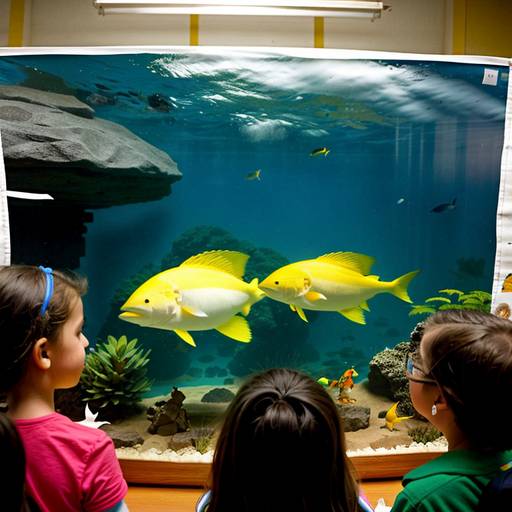
In this 2nd-grade science lesson focused on life science and animals, students will learn about animal habitats and adaptations. The lesson begins with a discussion on what students know about animals, introducing key concepts of habitats and adaptations. A read-aloud session featuring a picture book about various animals and their environments allows students to engage with the material and make predictions.
Students will then work in small groups, assigned to different habitats, where they will match animal flashcards with their corresponding habitats and discuss adaptations that help the animals survive. Following this collaboration, each student will create a habitat diorama, incorporating an animal of their choice along with a description of its adaptations.
The lesson concludes with group presentations, allowing students to share their creations and reinforce their understanding of the concepts. Assessment will be based on participation, the quality of dioramas, and individual descriptions, with accommodations and extensions available to support diverse learners and deepen engagement with the material. Overall, this lesson emphasizes teamwork, creativity, and a foundational understanding of the relationship between animals and their environments.
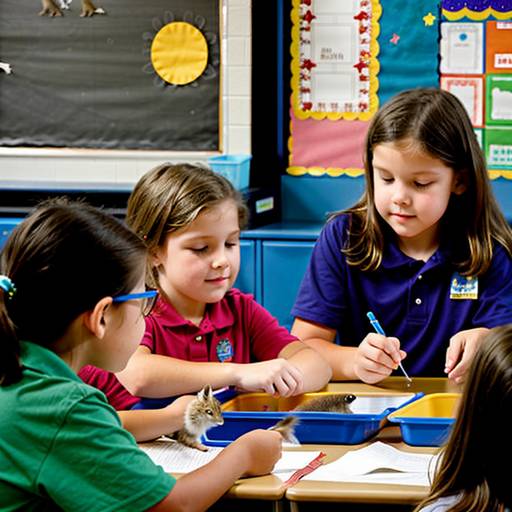
In this engaging 2nd-grade science lesson, students explore the diverse world of animals and their habitats. The lesson begins with a discussion about favorite animals, followed by a presentation of different animal types, including mammals, birds, reptiles, amphibians, and fish. Students learn about the specific needs of animals for survival, such as food, water, shelter, and air, along with adaptations like camouflage and migration.
In small groups, students participate in a matching activity where they connect various animals to their appropriate habitats, discussing why each animal is suited to its environment. Following this collaborative activity, students individually create a habitat for their chosen animal on a worksheet, incorporating key elements and explaining how their animal thrives in that setting.
The lesson concludes with students sharing their creations and insights, fostering a sense of community and encouraging curiosity about the natural world. Assessment includes participation in discussions and the evaluation of completed worksheets, ensuring that students understand the relationship between animals and their habitats. This lesson provides foundational knowledge about life science while promoting teamwork and creativity.
In this 2nd-grade science lesson, students will explore the concept of animal families and the habitats they live in. The lesson begins with a discussion about family structures, after which an engaging read-aloud of a picture book introduces various animal families and their caregiving roles. Following the story, students will engage in a discussion about different habitats such as forests, deserts, and oceans, and which animal families inhabit those environments.
In small groups, students will create posters that highlight specific animal families, including their names, images, habitat information, and details about how they care for their young. Groups will then present their posters to the class, promoting collaboration and communication skills. The lesson concludes with individual worksheets where students will write and illustrate something new they learned about an animal family.
Overall, this lesson is designed to foster curiosity about life science while helping students understand the relationships between animals and their environments through hands-on activities and group collaboration.
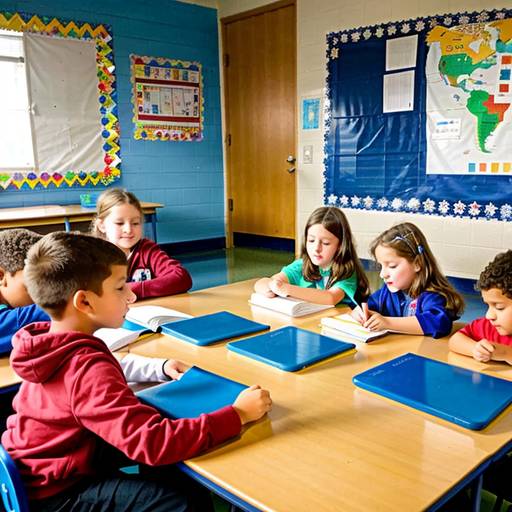
In this 2nd Grade social studies lesson, students will explore the concepts of geography and global cultures. The lesson begins with an introduction to geography, where students will identify countries on a world map. They will then be grouped and assigned different countries to research. Each group will examine cultural aspects of their assigned country through pictures and discussions, filling out a "Country Passport" with key information such as the country's name, capital city, traditional food, holiday, and clothing.
Following their research, students will present their findings to the class, allowing for interaction and questions to promote engagement. The lesson concludes with a review of the countries covered and a reflective discussion about students' favorite facts learned during the presentations. Assessment will be based on participation in group activities and the completion of the passports. Additionally, students may extend their learning through homework involving further research on another country, fostering a deeper understanding and appreciation of global diversity.

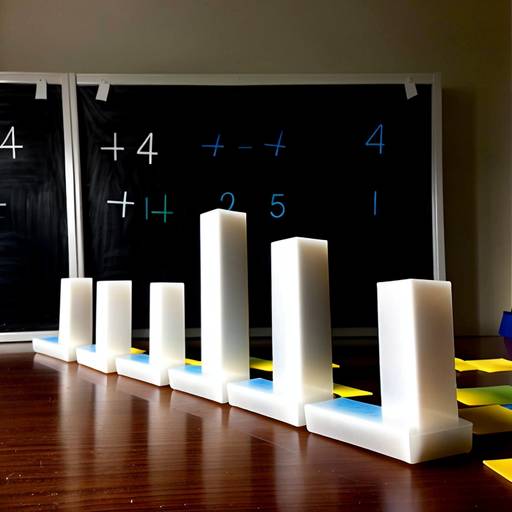
In this 2nd-grade math lesson, students will explore multiplication through the use of arrays, helping them understand the concept as repeated addition. The lesson begins with a relatable problem involving bags of apples to introduce multiplication intuitively. Through guided instruction, students learn to visualize and create arrays, recognizing the relationship between rows, columns, and multiplication equations.
After a demonstration, students work in small groups to create their own arrays using counters and grid paper, writing corresponding multiplication sentences based on their arrangements. Each group shares their work with the class, fostering collaboration and peer learning.
Independent practice with a worksheet allows students to apply their understanding by drawing arrays for various multiplication problems. The lesson concludes with a review of key concepts and an exit ticket to assess individual comprehension. The overall aim is to solidify students' understanding of multiplication by using visual representations, encouraging both engagement and critical thinking.
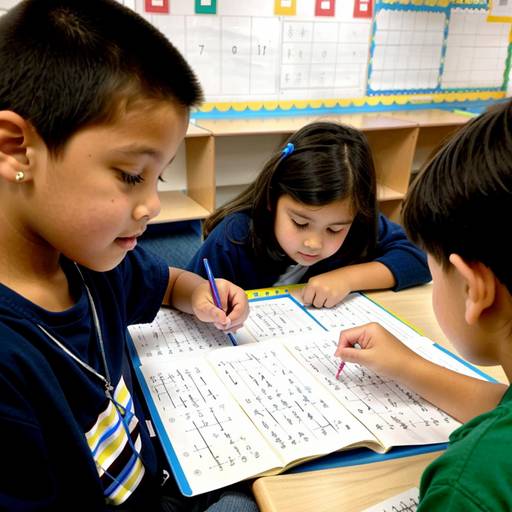
In this 60-minute math lesson, 2nd-grade students will explore the concept of multiplication through the use of arrays. The lesson begins with an engaging discussion about organizing objects in rows and columns, followed by a clear definition and demonstration of arrays on the whiteboard. Students will then participate in a guided group activity, where they will create their own arrays using counters to represent specific multiplication problems. Afterward, they will complete worksheets that require them to draw arrays and write corresponding multiplication sentences independently. The lesson concludes with students sharing their work and reflecting on their understanding of the relationship between arrays and multiplication. Throughout the lesson, teachers will assess student understanding through observation and review of completed worksheets, with adaptations available for varying skill levels. Extensions include opportunities for digital creation and exploring larger numbers.

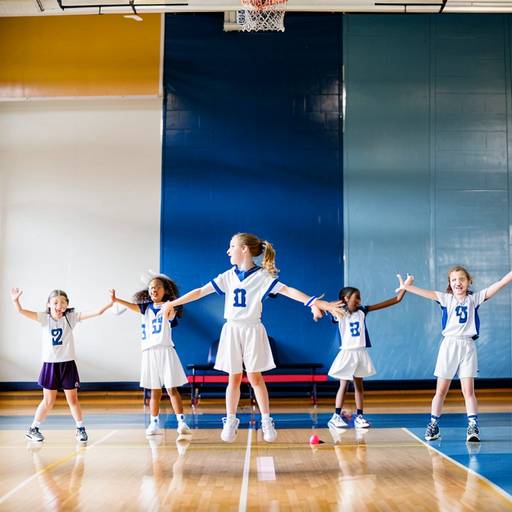
This lesson plan focuses on developing balance and coordination skills for 2nd-grade students through engaging activities and games. The session begins with a brief introduction to the importance of these skills, followed by a warm-up that incorporates balance challenges set to music. Students then rotate through four activity stations that include hopping between hula hoops, tossing bean bags towards targets, walking across balance beams, and practicing partner passes with a soft ball.
To reinforce teamwork and friendly competition, the class participates in a group relay game that combines various balance tasks. The lesson concludes with a cool-down period featuring gentle stretches and a reflective discussion, allowing students to share their thoughts on what they learned. Throughout the session, students are encouraged to support each other, and accommodations are provided for those who need additional assistance, ensuring an inclusive environment that fosters physical development and cooperation.
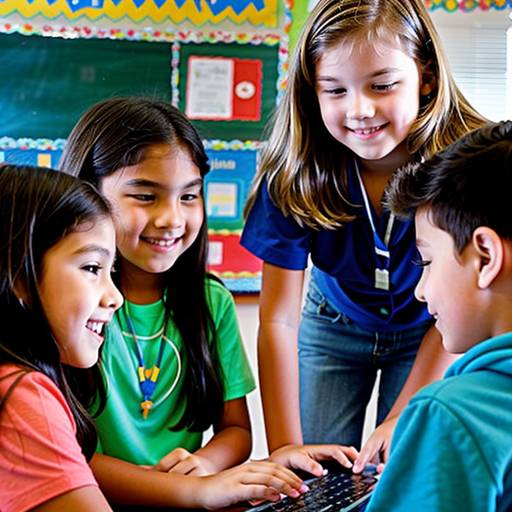
This lesson plan for 2nd-grade students focuses on introducing the concepts of digital citizenship and online safety. During the lesson, students engage in a discussion to relate being a good friend in real life to being a responsible internet user. They view a short video that highlights key aspects of digital citizenship and participate in group activities to identify safe and unsafe online behaviors based on provided scenarios. Each group presents their findings, reinforcing their understanding of online safety.
Students then create personal digital citizenship pledges, where they write or draw one way they plan to stay safe online, which they can share with their families. The lesson concludes with a review of key points and emphasizes the importance of kindness and respect in digital interactions. Assessment is done through group discussions and the review of individual pledges. Follow-up activities include creating a classroom poster of digital safety tips and implementing a tech-free day for deeper reflection on the lessons learned. Overall, the lesson aims to empower students to navigate their online lives responsibly and safely.