
Filters
Level
Grade
Subject
Subject Area
Subject Topic
Standard(s)
Audience
Keyword
DurationMinutes
2nd Grade Lesson Plans

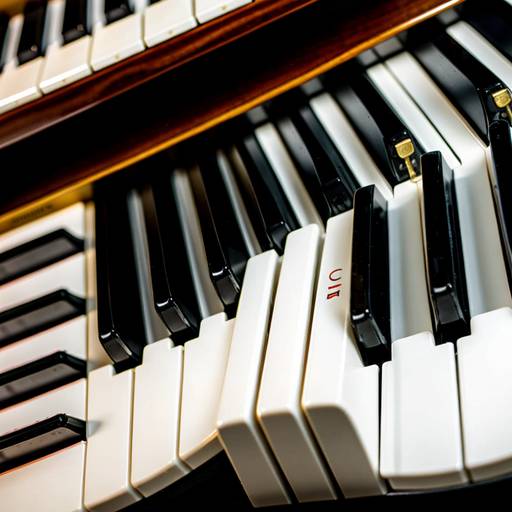
In this 45-minute music lesson for 2nd graders, students will explore various keyboard instruments and learn to identify their characteristics and sounds through visual aids and audio samples. The lesson begins with an introduction to different keyboard instruments, followed by a demonstration of basic playing techniques, including hand positioning and dynamics.
Students will have the opportunity to practice playing simple notes (C, D, E, F, G) on a keyboard, fostering their understanding of sound creation. In small groups, they will collaborate to create simple melodies using the notes they've learned, encouraging creativity and teamwork. The lesson concludes with group performances, where students share their creations with the class, enhancing their confidence and public speaking skills.
Assessment will involve observing engagement during activities and understanding through their ability to name instruments and replicate melodies. Extension activities will offer opportunities to explore more complex music concepts, while differentiation strategies ensure that all students, regardless of skill level, can participate meaningfully. Overall, the lesson aims to cultivate a love for music and a foundational understanding of keyboard instruments.
In this 45-minute music appreciation lesson for 2nd graders, students will explore and discuss famous songs, enhancing their understanding of music's significance in culture and history. The lesson begins with an introduction to music and the concept of famous songs, followed by listening activities where students hear short clips of several well-known tracks. After each clip, they will engage in a discussion to share their thoughts and feelings about the music.
Next, students will create artwork that represents their emotional response to their favorite song discussed in class, allowing for personal expression and creativity. The lesson concludes with a sharing session where students present their artwork and explain its connection to the music. Assessment will be based on participation in discussions, effort in the art project, and the ability to articulate their feelings about the music. Extension activities may include a "Song of the Week" program and a mini-concert for students to showcase their favorite songs. This lesson encourages a deep appreciation for music and its ability to connect people through emotions and stories.
In this 2nd-grade music lesson plan, students will explore the concept of pitch by engaging in a variety of interactive activities designed to help them identify and sing high and low notes. The lesson begins with a discussion about pitch, including audio examples of different sounds, followed by a vocal warm-up that emphasizes movement between high and low notes.
Students will participate in an interactive activity where they use scarves to visually represent changes in pitch while climbing a musical scale together. Working in small groups, students will create and perform short stories that incorporate high and low pitches, allowing them to express their creativity and understanding of the concept. The lesson concludes with a reflective discussion about their learning experiences.
Assessment will be based on students' ability to demonstrate high and low pitches during activities and their performance in the group presentations. The plan encourages engagement and creativity while providing opportunities for students to develop their vocal skills and musical understanding.
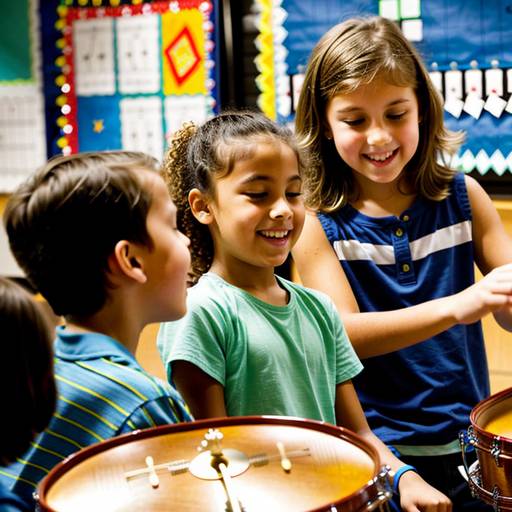
In this engaging 45-minute lesson for 2nd graders, students will explore fundamental concepts of music theory, focusing on rhythm. The class will start with a discussion about rhythm in music, followed by clapping exercises to aid in their understanding. Basic rhythmic notations such as quarter notes, eighth notes, and rests will be introduced, with students practicing and echoing patterns together.
After gaining familiarity with these rhythms, students will work in pairs to clap and vocalize rhythm patterns from provided worksheets. Next, they will create their own unique 4-beat rhythm patterns that incorporate the learned notations. Students will then perform their rhythms in small groups using body percussion or classroom instruments, fostering creativity and collaboration in a fun environment.
The lesson will conclude with a reflective discussion about their experiences and feelings during the performances. Assessment will be based on participation, worksheet comprehension, and group performance. Differentiation strategies will provide support for varying skill levels, ensuring an inclusive learning experience for all students.
In this 2nd-grade music lesson, students will explore music theory by learning to identify and name musical notes on the treble clef staff. The class will begin with a discussion about the importance of music and an introduction to the treble clef, including the placement of the notes A, B, C, D, E, F, and G on the staff and keyboard. Following direct instruction, students will participate in an engaging treasure hunt activity where they will search for clue cards around the classroom, answer questions related to note identification, and earn stickers or small prizes. The lesson will conclude with a group review, allowing students to share their discoveries and reinforce their understanding of the notes as foundational elements of music. Assessment will include observation during the treasure hunt and a simple quiz on note identification. The following lesson will encourage students to apply their knowledge by composing and performing simple melodies using the notes they've learned.

In this 2nd-grade Language Arts lesson, students will explore expository writing by crafting a descriptive piece about their experiences at the park. The lesson begins with a discussion that encourages students to share their favorite park activities. They will read a sample expository paragraph to understand the structure and the importance of sensory details. Students will then brainstorm their ideas using a graphic organizer, focusing on their activities, sensory experiences, and interactions. After completing their organizers, they will write their own paragraphs and share them with a partner for feedback. The lesson concludes with a review of key concepts, and students will illustrate a part of their experience to accompany their writing. Assessment will be based on student participation and the quality of their written work, with opportunities for further exploration of writing about other places they enjoy.
In this lesson plan for 2nd-grade students, the focus is on expository writing, where students will learn to express their ideas about a dream vacation clearly and descriptively. The lesson begins with a discussion on favorite vacation spots, followed by a modeling session where the teacher presents an example paragraph that illustrates the structure of expository writing. Students will then participate in guided practice to brainstorm activities for their chosen destinations using a graphic organizer, which helps them organize their thoughts. Following this, they will independently write paragraphs that include sensory details, utilizing their organizers as a reference. The lesson concludes with a sharing session, where students read their work aloud, fostering a supportive environment. Assessment will be conducted by collecting the written paragraphs to evaluate clarity, organization, and use of details, with differentiations and extensions offered for varying student needs. Overall, the lesson emphasizes the importance of structure and descriptive language in writing.

This 2nd-grade social studies lesson plan focuses on helping students understand their community and the important roles of various community helpers. The lesson begins with a class discussion about the concept of a community, enabling students to identify different helpers such as firefighters, doctors, and teachers.
Students participate in a group activity where they match role cards to corresponding pictures, sharing facts about their assigned community helpers with the class. The main hands-on activity involves students creating their own visual representations of a community helper, including drawings and 3D models, while writing about the helper’s job and its significance.
The lesson concludes with student presentations, allowing them to share what they learned and express their creativity. Assessment focuses on participation and comprehension throughout the activities, with opportunities for extensions and accommodations to support all learners. This engaging approach fosters a sense of belonging and awareness of community roles among students.

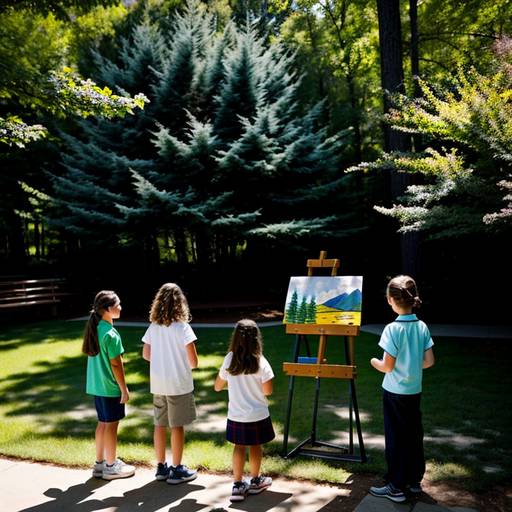
In this 2nd-grade art lesson, students will explore various drawing techniques inspired by the natural world. The lesson begins with a discussion about nature, where students can share their observations of shapes and colors found outside. A demonstration introduces basic drawing skills, such as outlining, shading, and texturing, which students will practice on scrap paper.
Following this, a nature walk allows students to collect small natural objects or observe their surroundings for inspiration. After returning to the classroom, students will create detailed drawings based on their observations, applying the techniques they've learned. They will enhance their artwork using colored pencils, crayons, and watercolor paints.
The lesson concludes with a sharing session, where students can display their creations and discuss their artistic processes. Assessment will focus on their participation, technique application, and ability to communicate their inspiration and experiences. An extension activity encourages students to keep a nature journal for ongoing exploration and creativity related to the outdoors.
In this 2nd-grade technology lesson, students will explore the essential concepts of digital citizenship and online safety in a fun and engaging manner. The lesson begins with an interactive discussion about using technology, allowing students to express their experiences and preferences related to the digital world. After viewing a brief, age-appropriate video on online safety, they will engage in a discussion to highlight key safety points, such as protecting personal information and exhibiting kindness online.
Students will then work in small groups to analyze various scenarios related to online safety, brainstorming appropriate strategies for addressing each situation. Following this collaborative activity, they will participate in an interactive online game focused on safe internet practices, reinforcing their understanding of the concepts covered.
The lesson concludes with a reflection session where students share their learnings and commit to becoming responsible digital citizens. Each student receives a sticker for their participation, and the teacher encourages them to share their newfound knowledge with their families. This comprehensive lesson aims to equip young learners with the skills they need to navigate the digital world safely and responsibly.