
Filters
Level
Grade
Subject
Subject Area
Subject Topic
Standard(s)
Audience
Keyword
DurationMinutes
Toddler Lesson Plans

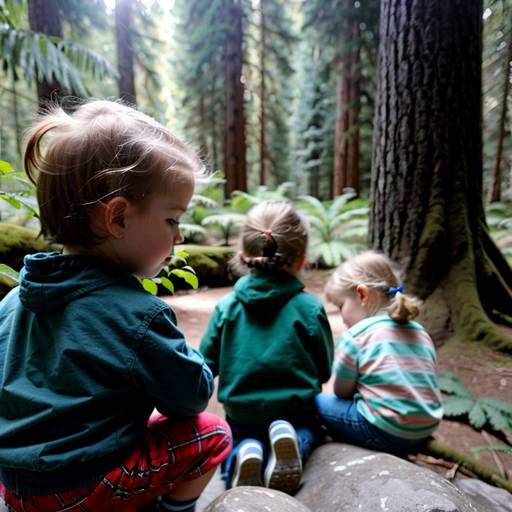
In this toddler-focused outdoor exploration lesson, students will engage in a hands-on adventure, developing observation skills and a sense of wonder for the natural world. The session begins with an introduction where children become "nature detectives," learning to use magnifying glasses and collect natural items like leaves, flowers, and stones. They will explore the outdoor environment in small groups, guided by adults, and encouraged to observe and describe their findings. After the exploration, children will create nature-inspired drawings using paper and crayons, allowing them to express their experiences. The lesson concludes with a storytime and sharing session, where each child reflects on their discoveries. Throughout the activity, emphasis will be placed on communication, sensory experiences, and fostering a love for nature, providing a rich foundation for future learning and exploration.
This lesson plan focuses on engaging toddlers in hands-on exploration and creativity using natural materials. It begins with a circle time where children listen to a nature-themed story to foster curiosity about the environment. Afterward, a guided nature walk allows them to observe and collect various outdoor items, enhancing their observational skills.
Back in the crafting area, children use the collected materials to create their own collages or sculptures on a paper plate or cardboard base, facilitated by encouraging questions and support. Finally, the children showcase their artwork in a mini gallery walk and share their creations, promoting language development and self-expression. The activity emphasizes appreciation for nature while developing fine motor skills, creativity, and understanding of the world around them. Extension activities offer opportunities for further exploration and artistic expression based on seasonal themes.
This engaging lesson plan for toddlers focuses on sensory exploration of natural materials, encouraging curiosity about textures and sounds in the environment. The session begins with a welcoming circle where children share their observations of nature and discuss their senses.
The main activity features sensory bins filled with various textures such as sand, water, and rice, allowing children to touch and manipulate materials while developing fine motor skills. A short nature walk encourages children to collect small natural items, fostering discussions about their tactile and auditory experiences.
Following this, an art activity invites children to draw their favorite items from the exploration, reinforcing their sensory experiences through creative expression. The lesson concludes with a sharing circle where children reflect on what they learned, promoting communication and language development. Cleanup includes discussions about each material's properties, encouraging mindfulness about nature. The lesson can be adapted to expand on children's interests and can be enriched with storytelling or observations of seasonal changes in nature.
This lesson plan focuses on engaging toddlers in sensory play by exploring various natural materials found outdoors. It begins with a nature walk, allowing children to collect different items such as leaves, twigs, and stones while discussing their textures and characteristics. Back in the classroom, sensory bins filled with these natural materials encourage open exploration and tactile interaction. Children use their hands to feel and manipulate the items, as well as magnifying glasses to examine details closely. The lesson culminates with a creative expression activity where children make nature art using the materials they've gathered. Afterward, a reflection discussion allows children to share their experiences and favorite discoveries. The plan emphasizes skill development, sensory awareness, and fostering a connection with nature, while providing an opportunity for creative expression and teamwork. Extensions include a nature-themed storytime and potential planting activities to deepen the learning experience.

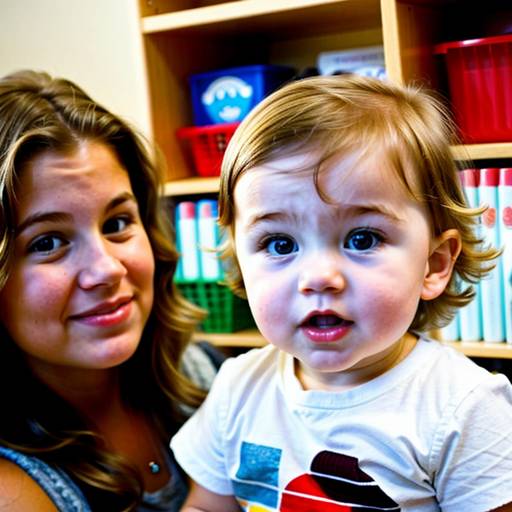
This lesson plan focuses on fostering self-regulation and emotional understanding in toddlers aged 2 to 4 through interactive activities and engaging discussions. The goal is to help children recognize and express their emotions while learning strategies for self-control.
The session begins with a circle time discussion about feelings, using emotion flashcards to prompt children to identify and mimic different emotions. An interactive song follows to reinforce the concept. Main activities include an emotion charades game, where children act out emotions and discuss self-regulation techniques, and puppet play that illustrates emotional scenarios, encouraging children to suggest calming strategies. Finally, children engage in creative expression by creating artwork that represents an emotion and sharing their creations with peers.
The lesson wraps up with a reflection circle where children share their learned strategies, followed by a calming breathing exercise to reinforce self-regulation techniques. The plan emphasizes play and exploration, allowing children to develop their emotional vocabulary and coping skills in a supportive environment. Optional extensions include a "Feelings Library" for further exploration of emotions and a weekly focus on a specific emotion to deepen understanding.
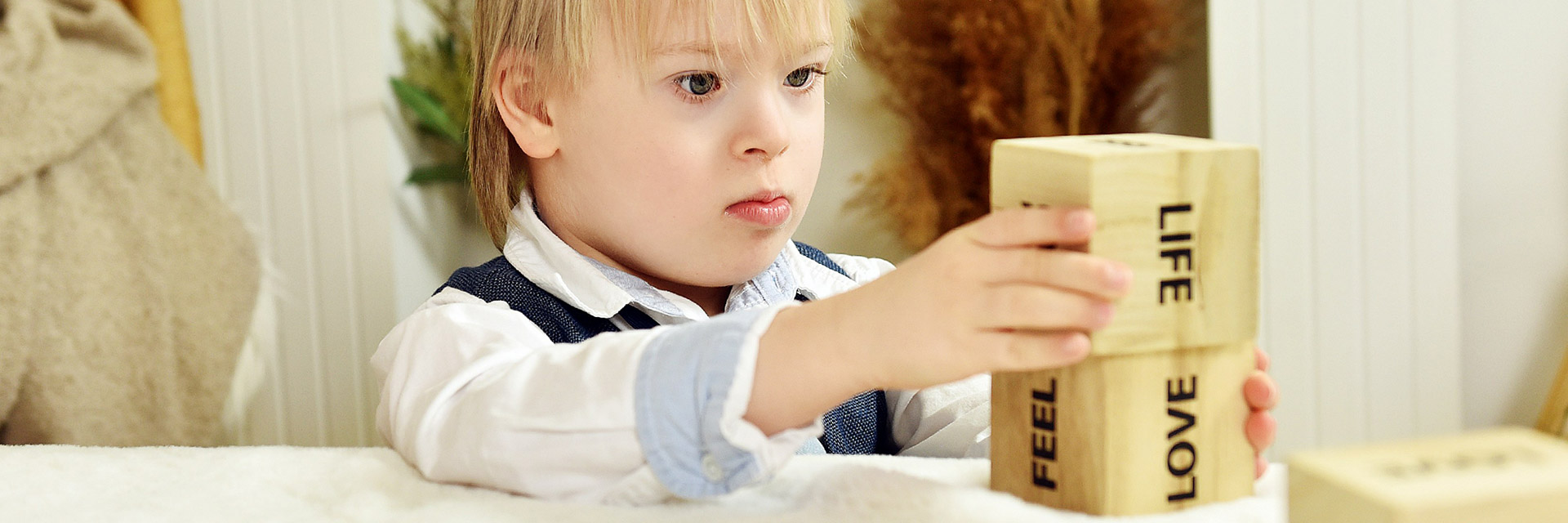
This lesson plan focuses on developing problem-solving and social skills among toddlers through engaging activities and collaborative play. The session begins with a circle time discussion using an illustrated storybook about animals facing friendship challenges to set the theme. Children explore various scenarios using illustrated cards that depict common social dilemmas, and they engage in small group activities where they role-play these situations with plush animals and blocks.
Each group collaborates to come up with solutions, promoting communication and empathy as they discuss how the animals might feel and what actions they can take. Following this interactive activity, children reflect on their experiences by drawing their favorite animal from the scenarios, encouraging creative expression while reinforcing the lessons learned. The session concludes with a closing circle where children share their activities and insights, further solidifying their understanding of cooperation and support in friendships. Throughout the lesson, the emphasis is placed on verbal communication, empathy, and teamwork, providing a foundational experience in social skills for young learners.

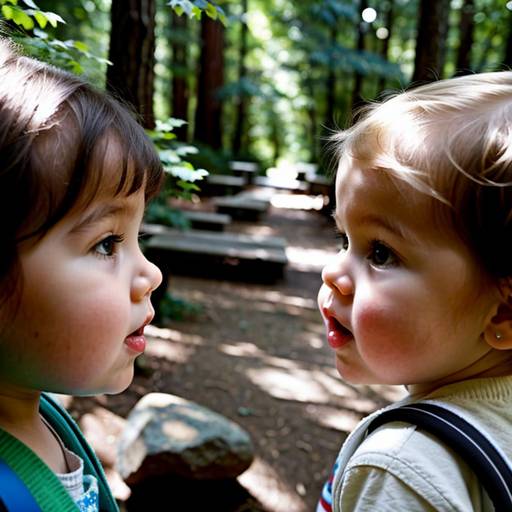
In this engaging lesson plan for toddlers aged 2-3 years, students will explore quantity concepts by interacting with various natural items collected from the environment, such as leaves, stones, and twigs. The lesson begins with a welcoming circle time that introduces the theme and encourages children to discuss what they see in nature.
Next, students participate in a sorting activity where they group items by size or type while counting the quantities together. This is followed by a lively music and movement segment featuring a counting song, where children mimic natural movements while reinforcing their counting skills.
The lesson continues with a number recognition game, prompting children to find specific quantities of items based on the number cards they hold. Finally, students create nature collages using the items they collected, actively counting as they work.
The lesson concludes with a sharing circle, allowing each child to present their collage and discuss the items they used. Throughout the activities, teachers assess the children's counting abilities and participation, while also providing ideas for extending the learning through outdoor exploration and creative projects.
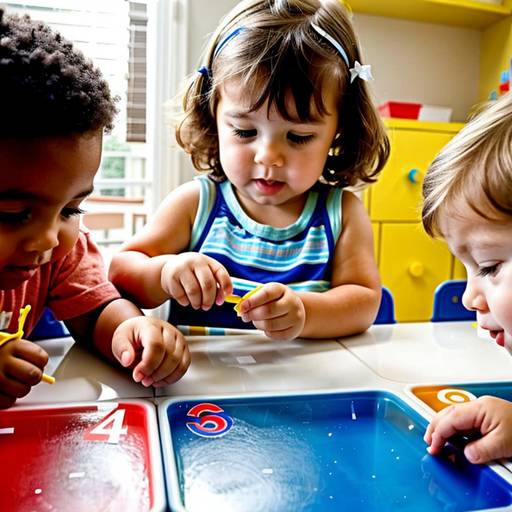
The lesson plan focuses on introducing toddlers to the concept of number patterns through interactive and engaging activities. It begins with an introduction to what a pattern is, accompanied by a fun counting song that reinforces numerical concepts. Throughout the lesson, children participate in group activities where they create and recognize patterns using colored blocks or beads. An interactive "Pattern Hunt" encourages them to explore and collect items that fit specific patterns. The session concludes with a reflection where children share their discoveries and observations, solidifying their understanding. If time allows, a movement activity set to music reinforces the concept of patterns through dance and rhythm. This lesson aims to foster curiosity and engagement with numbers, promoting a foundational understanding of patterns in a playful manner.
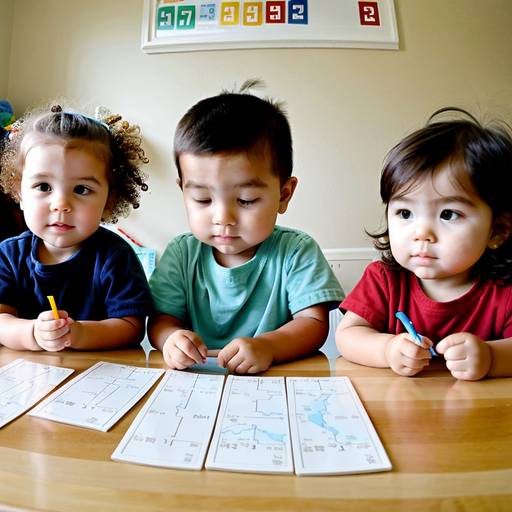
In this toddler lesson plan, children will explore the concept of quantity through engaging activities that include counting, comparing, and identifying numbers. The session begins with a group circle where students participate in a lively counting song to introduce the lesson. Following this, they will engage in a hands-on activity where they each receive a small set of objects to count and compare with their peers, encouraging discussions about more, less, or equal amounts.
Next, students will embark on a treasure hunt for number cards, collecting a corresponding number of objects from a designated area. This interactive exploration allows them to practice one-to-one correspondence while reinforcing their counting skills. The lesson concludes with a group sharing session, where children showcase what they collected and a fun musical game that combines movement with counting.
Throughout the activities, teachers will assess children’s understanding of numbers through observation and informal questioning. To extend the learning, there are suggestions for creating a number wall in the classroom and incorporating counting-themed stories during circle time. This lesson fosters a joyful learning environment that encourages toddlers to engage with numbers in a playful and meaningful way.
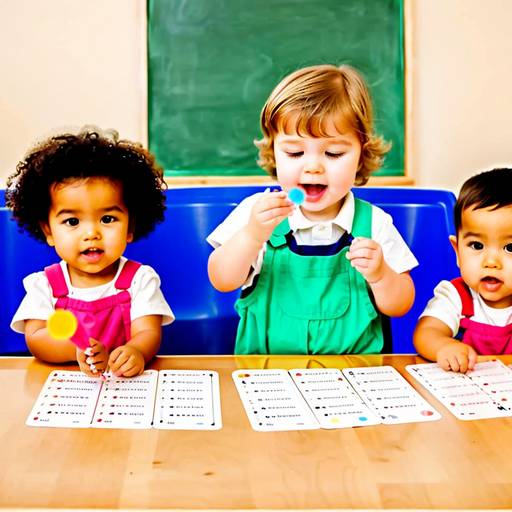
This lesson plan focuses on enhancing toddlers' counting skills and number recognition through a series of engaging activities. The session begins with a warm introduction and an interactive singing segment featuring counting songs to promote movement and participation.
Following this, children explore various counting stations that incorporate natural items, building blocks, arts and crafts, and animal figurines, allowing them to experience counting in diverse contexts. A lively group counting game encourages physical activity while reinforcing numerical concepts.
Storytime with a number-themed book provides a concluding activity, where children can practice counting as they engage with the narrative. The lesson wraps up with a closing circle that invites reflection on the day's activities, further reinforcing their learning through a fun counting chant or song. The plan emphasizes hands-on exploration, active participation, and meaningful discussions to support the development of foundational counting skills in a playful environment.