
Filters
Level
Grade
Subject
Subject Area
Subject Topic
Standard(s)
Audience
Keyword
DurationMinutes
Preschool Math Lesson Plans

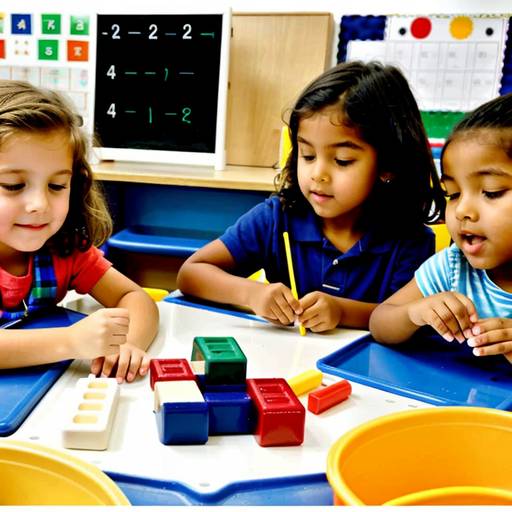
This preschool lesson focuses on introducing young children to the concepts of time and measurement, aiming to enhance their understanding of how we measure time and the length of various objects. The lesson begins with an engaging discussion about time, incorporating a visual aid of a large clock to teach children about hour and minute hands. Children practice identifying times through interactive worksheets.
Next, the lesson transitions to a hands-on activity where students measure classroom objects using rulers or measuring tapes. They work in small groups to compare lengths, using language such as "longer," "shorter," and "equal." The lesson concludes with a group discussion, allowing children to share their measuring experiences and reflect on the importance of these concepts.
Assessment of understanding is done through observation during activities, as well as reviewing worksheets. The lesson also includes extensions, such as incorporating songs related to time and measuring, further reinforcing the concepts in a fun, interactive way. Ultimately, this lesson aims to make foundational mathematical concepts accessible and enjoyable for preschoolers through engaging activities.
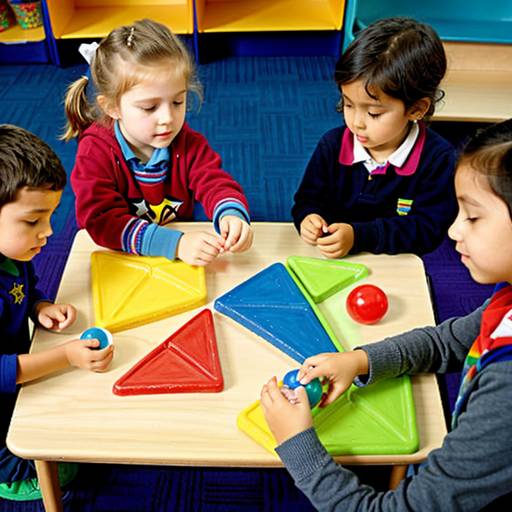
In this preschool math lesson, students will explore the concepts of sorting and classifying through interactive activities centered around shapes and colors. The session begins with an engaging introduction where students are encouraged to observe and identify different shapes and colors. Direct instruction follows, demonstrating how to sort objects by these characteristics using visual examples.
Students will then participate in a guided group activity, where they will work collaboratively to sort a collection of mixed objects into designated trays based on color and shape. This hands-on experience enhances their observational and critical thinking skills. Afterward, they will present their findings to the class, fostering communication skills and reinforcing their understanding of the sorting process.
The lesson concludes with a reflection on what was learned and provides each student with a sticker reward for their participation. An optional extension activity encourages further exploration of shapes and colors through a collage project, enriching the overall learning experience. This lesson effectively promotes essential early math skills in a fun and engaging manner.
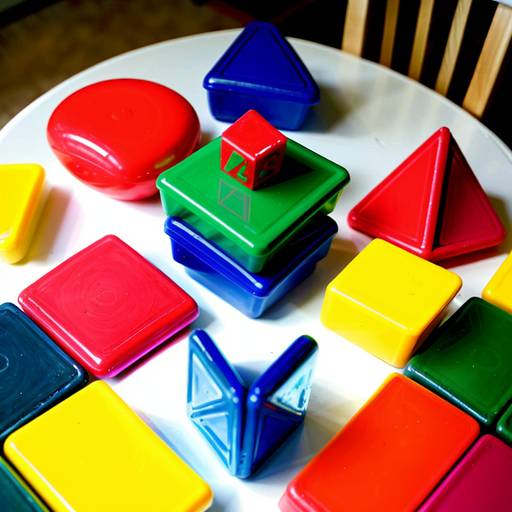
In this preschool lesson plan, students will engage in hands-on activities focusing on the concepts of sorting and classifying. The session begins with an introduction to these mathematical concepts, using visual aids that display various shapes and colors. Following a demonstration where the teacher models sorting strategies, children will split into small groups to practice sorting a mixed collection of colorful plastic shapes. They will categorize the items by attributes such as color and shape, all while enjoying a fun sorting song that keeps them engaged.
After the activity, students will gather to share their sorting experiences and discuss their favorite shapes or colors, fostering communication and reinforcing their learning. The lesson concludes with a recap of the key concepts learned, along with rewards for participation. To extend learning, opportunities for technology integration or outdoor exploration can be incorporated. Assessment is primarily based on observation and group sharing, ensuring that each child's understanding and reasoning skills are evaluated in a supportive environment.
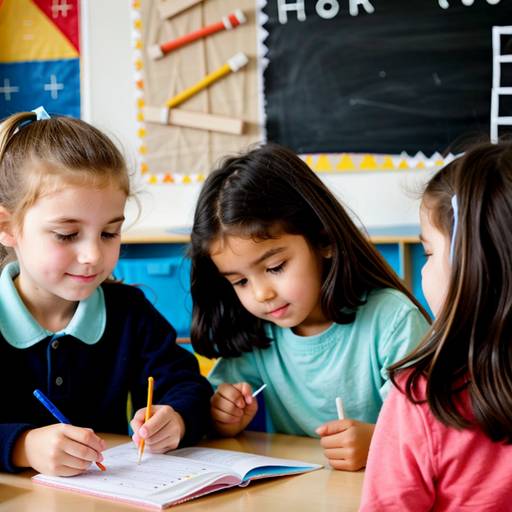
The lesson focuses on developing preschool students' spatial awareness skills through interactive activities that encourage the use of spatial vocabulary. Students will begin by discussing and demonstrating terms such as "above," "below," "next to," "in front of," and "behind." They will engage in a fun obstacle course designed to help them navigate their environment using these concepts.
Following the physical activity, students will create their own drawings of familiar spaces, labeling their artwork with the spatial vocabulary they learned. The lesson concludes with a group discussion to reinforce their understanding and encourage sharing. Throughout the activities, teachers will assess students' grasp of spatial relationships and their ability to communicate effectively. Adaptations are included to support varying skill levels and enhance engagement.