
Filters
Level
Grade
Subject
Subject Area
Subject Topic
Standard(s)
Audience
Keyword
DurationMinutes
Preschool Math Lesson Plans


The lesson focuses on helping preschool students understand and create patterns using colors, shapes, and objects. It begins with a discussion about what patterns are and features interactive demonstrations where students identify and extend simple patterns. During a group activity, students create their own unique patterns using provided materials, followed by a challenge to extend their patterns collaboratively. The session concludes with a sharing discussion to reflect on their experiences and thought processes during the activities. The lesson aims to foster problem-solving and critical thinking skills, encouraging students to communicate their reasoning and discoveries. Assessment of understanding is based on participation and the ability to articulate their approach to pattern-making. Adaptations are included to support diverse learning needs, making the lesson accessible and engaging for all students.
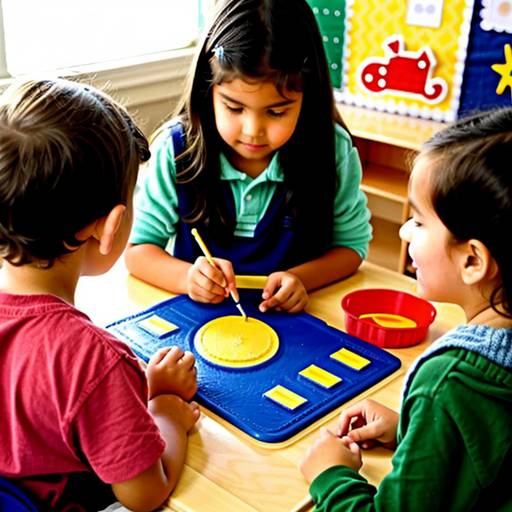
This preschool mathematics lesson plan focuses on introducing young children to the concept of patterns through engaging and interactive activities. The session begins with an introductory discussion about patterns, using visual examples and a story that incorporates pattern recognition.
Children then explore their outdoor environment, collecting natural items such as leaves, stones, and flowers. They sort these items based on various attributes and create their own unique patterns, sharing their creations with peers and justifying what comes next.
Next, students use colorful blocks or counting bears to build their own patterns, followed by a problem-solving challenge where they predict the continuation of various patterns presented by their classmates.
To further reinforce rhythm and patterns, the lesson includes a musical activity where children express patterns through clapping and stomping to a beat.
The lesson concludes with a reflection on the different patterns discovered, encouraging children to notice and share patterns they encounter in their daily lives. Throughout the session, children develop problem-solving skills and critical thinking through hands-on experiences and group collaboration, all while having fun engaging with mathematical concepts.
In this engaging preschool lesson plan, students will explore the world of shapes through various interactive activities designed to enhance their understanding of both 2D and 3D shapes. The session begins with a circle time where teachers introduce basic shapes using flashcards and engage students with a story that highlights shapes in illustrations. Following this, students participate in a shape sorting activity where they work in pairs to categorize various objects, fostering teamwork and shape recognition.
Next, students unleash their creativity by creating a shape collage with colorful paper shapes, allowing them to express their understanding while practicing fine motor skills. The lesson also includes an outdoor shape scavenger hunt, where students search for real-life examples of shapes in their environment, further reinforcing their learning through active exploration.
Throughout the lesson, teachers facilitate discussions to encourage students to articulate their thoughts and observations. The session concludes with a wrap-up discussion and a fun song about shapes, reinforcing the day's learning objectives while promoting movement and engagement. Overall, this lesson plan aims to build foundational math skills in a playful, collaborative environment filled with exploration and creativity.
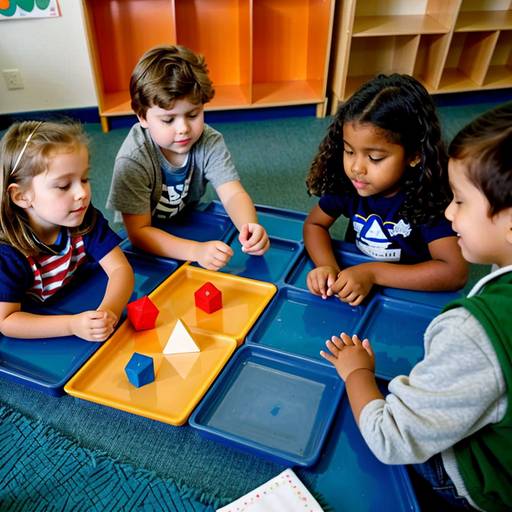
In this preschool lesson plan, students explore the world of shapes through engaging activities designed to develop their ability to identify, describe, and categorize basic shapes, including circles, squares, triangles, and rectangles. The session begins with a group discussion where children share the shapes they see in their classroom. This is followed by an interactive shape scavenger hunt, during which small groups search for various objects that match the shapes on their checklist. After the hunt, students participate in a shape sorting activity to categorize the objects they've found.
Following the exploration, children engage in a creative art project where they create their own artwork using pre-cut shapes, allowing for individual expression and creativity. The lesson concludes with a fun shape song that encourages movement and reinforces the shapes learned. Throughout the activities, teachers assess students' understanding and encourage participation, illuminating the prevalence of shapes in everyday life while making learning enjoyable and interactive. Additionally, parents are provided with resources for continued shape exploration at home.
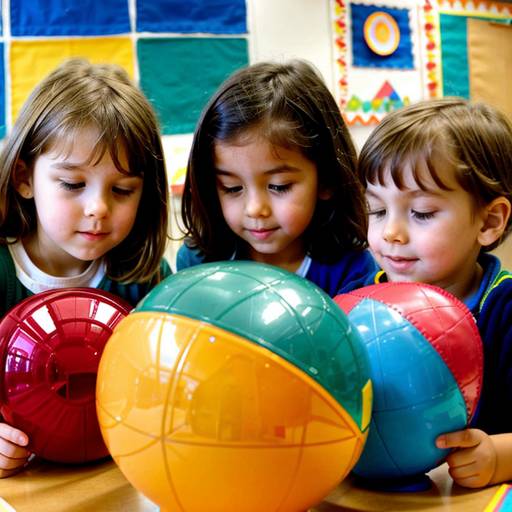
In this preschool lesson plan, students will engage in an interactive exploration of basic shapes, such as circles, squares, triangles, and rectangles. The lesson begins with a group discussion, where children identify and name different shapes using large foam models and flashcards. Following this, students participate in a shape scavenger hunt, searching for objects that align with the shapes discussed.
The next activity involves a creative art session, where students draw, trace, or cut out shapes, allowing them to express their understanding visually. To reinforce learning through movement, a fun game is included, where children freeze in shape formations when called upon. The lesson concludes with group reflection, allowing students to share their favorite shapes and where they see them in their lives. Assessments are made through observation and participation in various activities, with opportunities for future exploration of 3D shapes and home-based activities shared with parents. Overall, the plan promotes shape recognition, creativity, fine motor skills, and group interaction in a playful learning environment.

In this preschool math lesson, students will explore basic shapes (circle, square, triangle, rectangle) through a variety of interactive activities designed to engage their curiosity and creativity. The lesson begins with an introduction where students identify and describe shapes found in their environment. Following this, they participate in a movement activity that encourages them to physically embody different shapes.
Next, students work in small groups to sort shape manipulatives using sorting mats, promoting collaboration and dialogue about the characteristics of each shape. The lesson transitions into a creative art activity where children create collages using cut-out shapes, allowing for self-expression and individual interpretation.
A shape-themed storybook is read to reinforce the concepts introduced earlier, followed by a discussion that encourages students to articulate their understanding of shapes. The session concludes with a recap and a possible shape hunt around the classroom to reinforce learning through real-world examples. Throughout the lesson, students are assessed on their ability to identify, name, and describe shapes, ensuring a solid foundation in shape recognition while promoting active participation and engagement.
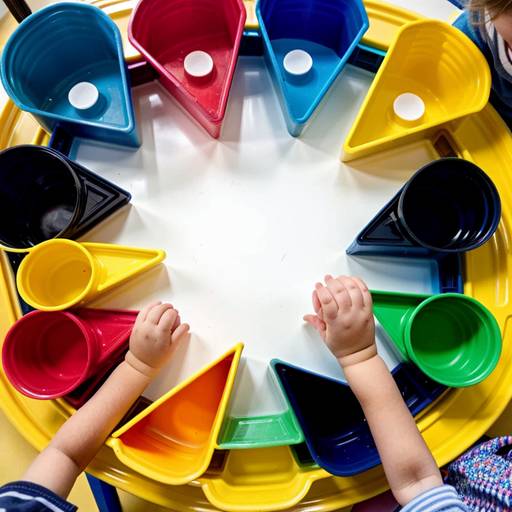
This preschool math lesson focuses on the concepts of sorting and classifying using engaging, hands-on activities that promote critical thinking and collaboration among students aged 4-5 years. The lesson begins with a group discussion and a story that introduces the idea of grouping items by attributes such as color, shape, and size.
Following this, the teacher demonstrates sorting techniques using a variety of colorful shape cutouts. Students then participate in a series of interactive sorting stations, where they practice sorting objects based on different criteria—color, shape, size, and mixed attributes. After engaging in the activities, students reflect on their experiences and share their insights as a class.
To conclude the lesson, children express their understanding creatively by drawing their favorite shape and color combinations. Assessment is based on observations during sorting activities, class discussions, and the evaluation of their drawings. Extension activities encourage further practice at home, reinforcing the concepts learned in class. Overall, the lesson successfully combines learning and fun, helping children grasp fundamental math skills through exploration and creativity.
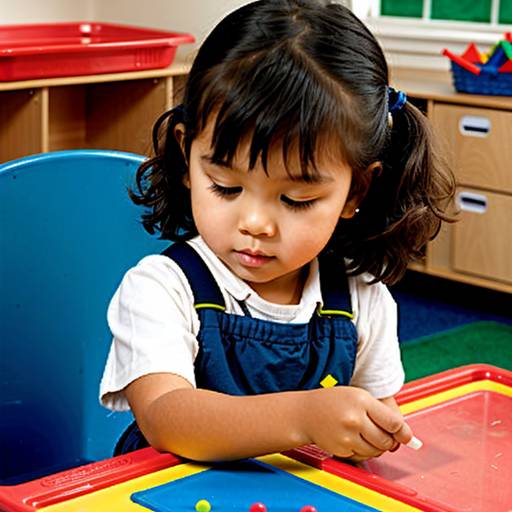
In this preschool lesson plan, children will engage in activities designed to enhance their understanding of spatial awareness through movement, play, and vocabulary development. The session begins with an introduction to basic spatial concepts such as above, below, in front of, behind, next to, and between, using visual aids like picture cards to facilitate comprehension.
Following the introduction, students participate in a dynamic movement activity where they follow verbal instructions related to spatial terms, enhancing their listening and physical coordination skills. Next, children work in small groups to build arrangements using blocks or toys, encouraging collaboration as well as an understanding of spatial relationships. Each group then presents their creations and describes their spatial configurations to their peers.
The lesson concludes with a closing circle discussion where children reflect on their favorite activities and learnings, reinforcing their grasp of spatial language. Throughout the session, various assessments will be made based on student participation, ability to follow instructions, and engagement with spatial concepts. Adaptations are provided for diverse learning needs, along with extensions to incorporate literature and scavenger hunts, ensuring a comprehensive and enjoyable learning experience that fosters both cognitive and social skills.
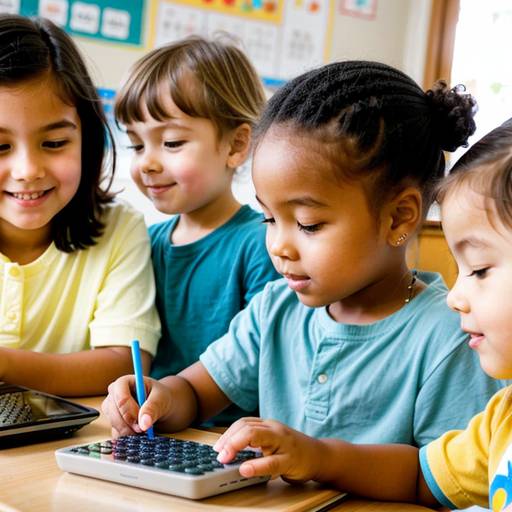
In this preschool math lesson, students will explore basic math concepts through the integration of technology. The lesson starts with a discussion on technology and its role in learning, followed by engaging activities that utilize tablets with educational math apps and an interactive whiteboard for group counting games. Students will then participate in hands-on counting activities using various manipulatives, allowing them to create groups of objects that represent different numbers. This is complemented by a craft activity where they color printable worksheets featuring technology-themed illustrations based on assigned numbers. The lesson concludes with a group reflection, where students share their experiences and insights about how technology can make learning about math enjoyable. Assessment will be informal, based on participation and the completion of worksheets, with extensions provided for families to explore math concepts together at home. Overall, this lesson fosters a fun and interactive learning environment, enhancing both numerical understanding and digital skills for preschoolers.
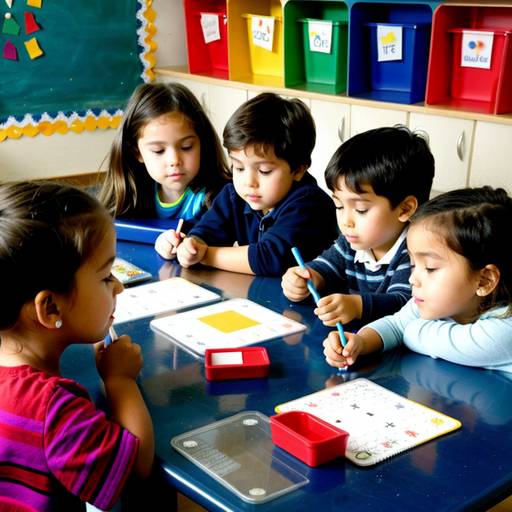
This preschool math lesson focuses on introducing young children to the concepts of time and measurement through engaging activities. The lesson starts with a demonstration of a clock, teaching students about the hour and minute hands while discussing daily routines related to specific times. Following this introduction, the class participates in an interactive game that reinforces their understanding of time in a fun and active way.
Next, students are introduced to measurement concepts using rulers and measuring tapes. They engage in hands-on activities where they measure various items, such as blocks and stuffed animals, while comparing lengths and discussing their findings in small groups. This encourages collaboration and verbal communication among the students.
The lesson concludes with a group discussion where students share their surprising discoveries about measuring, solidifying their understanding of the material. By the end of the lesson, they have not only explored the importance of time and measurement in their daily lives but have also participated in playful and interactive learning experiences that enhance their understanding of these foundational concepts.