
Filters
Level
Grade
Subject
Subject Area
Subject Topic
Standard(s)
Audience
Keyword
DurationMinutes
Elementary School Lesson Plans

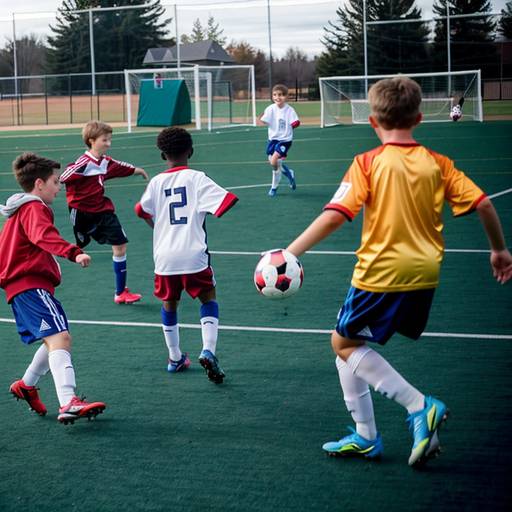
This lesson plan for 3rd-grade physical education focuses on introducing students to the fundamentals of soccer through engaging activities. The lesson begins with a discussion about the sport's basic rules and objectives, followed by a warm-up relay activity that promotes dribbling skills. Students then rotate through skill development stations to practice passing, shooting, and dribbling techniques. The lesson culminates in a mini soccer scrimmage, allowing students to apply what they've learned in a game setting while fostering teamwork and sportsmanship. Finally, the lesson concludes with a cool-down discussion to reflect on their experiences and learning outcomes. Throughout the session, the emphasis is placed on participation, skill development, and fun, ensuring a positive introduction to soccer for all students.
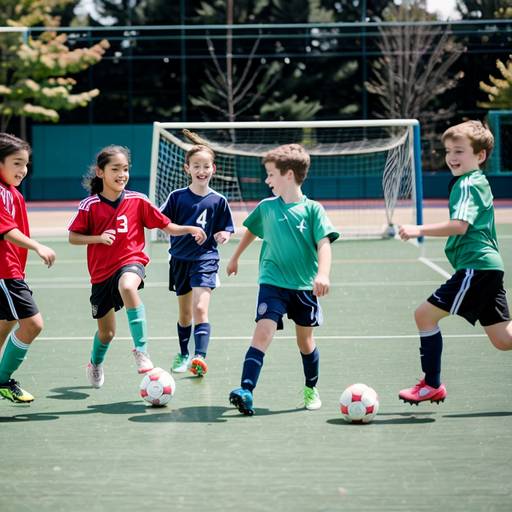
In this lesson plan designed for first-grade students, the focus is on introducing them to the fundamental skills of soccer, including dribbling, passing, and shooting, while promoting teamwork and physical activity. The session begins with a warm-up involving dynamic stretches and movement games to get students energized.
Students then engage in individual and partner drills to practice dribbling through a zigzag course, passing the ball back and forth, and shooting into mini-goals. Following skill development, the class is divided into two teams for a mini soccer game, encouraging cooperation and strategy. The lesson concludes with a cool-down period that includes gentle stretches and a class discussion about their experiences and learnings during the activities.
Assessment focuses on observing participation and skill adherence, while adaptations are suggested to accommodate varying skill levels. Overall, the lesson aims to instill a love for soccer and physical fitness in young learners.
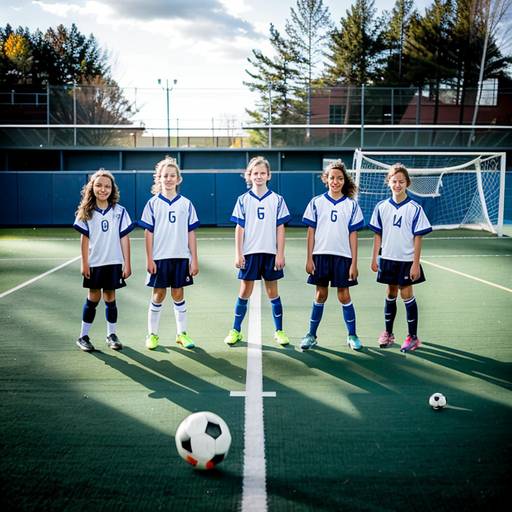
This second-grade physical education lesson plan focuses on introducing students to the fundamentals of soccer. The lesson aims to teach basic rules and objectives of the game while enabling students to develop essential skills such as dribbling, passing, and shooting.
The session begins with a brief introduction to soccer rules, followed by a dynamic warm-up. Students then rotate through skill development stations, where they practice dribbling through cones, passing with partners, and shooting at a small goal.
Next, students engage in small-sided games to apply their skills in a team setting, promoting cooperation and sportsmanship. The lesson concludes with a cool-down and reflection, allowing students to share their experiences and favorite moments. Throughout the lesson, emphasis is placed on positive participation, safety, and encouragement, fostering a love for the sport and physical activity.
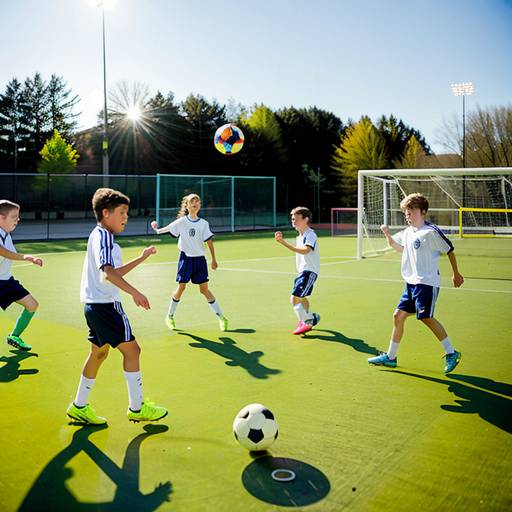
This lesson plan focuses on introducing 5th-grade students to the fundamentals of soccer, emphasizing core skills such as dribbling, passing, and shooting. The session begins with a discussion about soccer's rules, objectives, and the significance of teamwork. After warming up with dynamic stretches and a fun game to get everyone moving, students participate in skill development drills. They practice dribbling through cones, pairing up to work on passing, and taking turns shooting at a goal. The lesson culminates in a small-sided scrimmage where students can apply the skills they've learned in a team setting. The session concludes with a cool-down, during which students reflect on their experiences and what they've learned. Throughout, the focus is on skill development, collaboration, and the enjoyment of playing soccer.
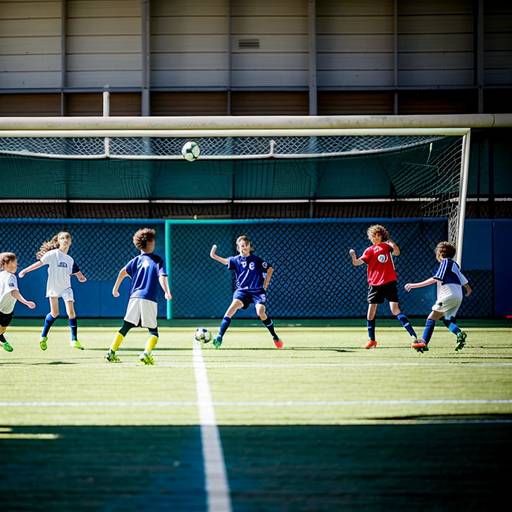
This 4th-grade physical education lesson focuses on teaching students the fundamental skills of soccer, emphasizing both individual technique and teamwork. The session begins with a dynamic warm-up and a discussion about the game of soccer, including its basic rules and objectives.
Students engage in two main skill development activities: dribbling and passing drills, where they practice controlling the ball and communicating with teammates. In the second half of the lesson, the students participate in a mini soccer game, allowing them to apply the skills they learned in a fun, competitive environment.
The lesson concludes with a discussion reflecting on the students' experiences, reinforcing the importance of teamwork and physical activity. Throughout the session, the teacher assesses students’ performance and provides feedback, ensuring a safe and engaging learning environment.

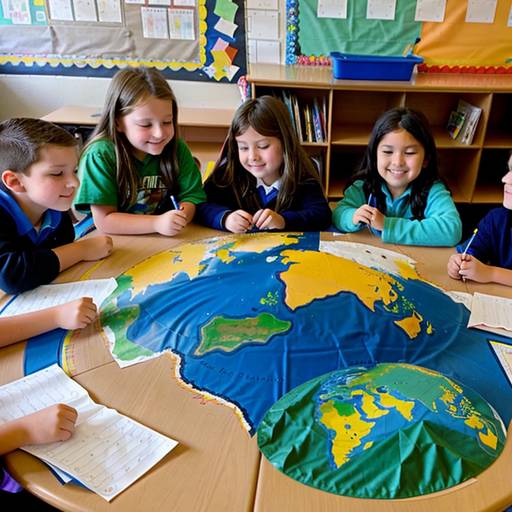
In this 2nd-grade social studies lesson, students will explore various landforms such as mountains, valleys, rivers, plains, and deserts. The session begins with a discussion about Earth's surface and an introduction to landforms, accompanied by a world map or globe to identify where these features can be found. Following direct instruction, students will work in small groups to create a "Landforms Map" using pre-printed images and art supplies. They will present their maps to the class, sharing descriptions and interesting facts about the landforms they've included. The lesson concludes with a recap that highlights the relationship between landforms and human life. Assessment will focus on student participation and the accuracy of their maps, while extensions may involve homework that encourages individual creativity and further exploration of landforms in different countries. Overall, the lesson fosters engagement with geography through interactive learning and collaboration.
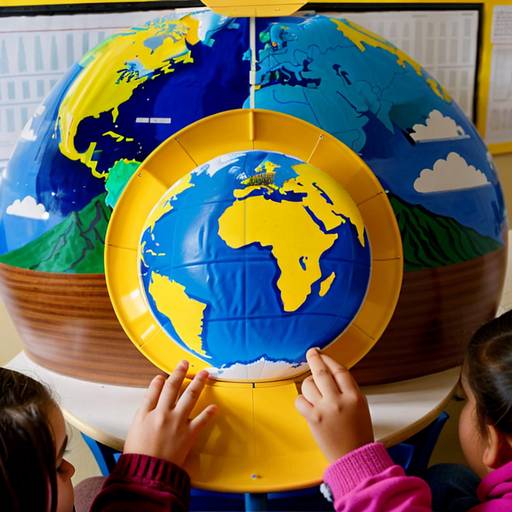
In this two-day lesson plan for 5th graders, students will explore the topic of geography and landforms through both interactive discussions and hands-on activities. The lesson begins with a brainstorming session where students share their existing knowledge about landforms. This is followed by a direct instruction segment that introduces various types of landforms, using pictures and a short video to illustrate their characteristics and formation processes.
On the second day, students will participate in group presentations, allowing them to delve deeper into specific landforms and share their findings with classmates. After the presentations, students will create their own maps—either physical or digital—that feature at least five different landforms. They will label each landform and provide descriptions of their characteristics, fostering creativity and individuality in their projects.
Throughout the lesson, students will actively engage in discussions, collaborate in groups, and apply what they've learned through the map creation activity. Assessment will focus on participation, the creativity of the map projects, and the presentations. Differentiation strategies will be implemented to support various learning needs, ensuring all students can successfully engage with the material. Follow-up activities will reinforce learning while encouraging students to connect their knowledge to their local environment.
In this 3rd-grade social studies lesson, students will explore various landforms, including mountains, valleys, hills, plateaus, and plains. The lesson begins with an engaging discussion that prompts students to share their prior knowledge about these geographic features. Throughout the lesson, the teacher will introduce each landform through images and descriptions, encouraging students to relate them to local examples.
Students will then participate in a hands-on project where they work in small groups to create models of assigned landforms using clay or playdough. This activity not only promotes teamwork but also allows students to physically represent the characteristics of each landform. After completing their models, groups will present their creations to the class, detailing their landform’s features and significance.
The lesson concludes with a review of the key concepts learned, followed by a reflective discussion about the importance of landforms in shaping human life and the environment. Students will complete an exit ticket activity that reinforces their understanding by matching landforms with pictures and writing down a fact they learned. Assessment will be based on participation, creativity in the project, and comprehension demonstrated in the exit ticket. Opportunities for extension are provided for those who want to delve deeper into famous landforms around the world.

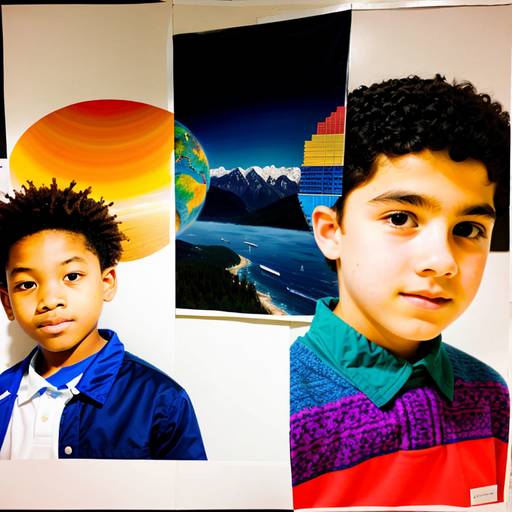
In this 3rd-grade art lesson, students will explore collage techniques by creating layered scenes that reflect their imagination. The session begins with a discussion about collage art and notable artists, followed by an introduction to different techniques such as layering and texturing. After creating a base for their artwork, students will gather materials from magazines, newspapers, and various textures to cut and arrange into their chosen themes. They will then glue their selected pieces onto the base while incorporating personal touches with markers or crayons. The lesson concludes with a gallery walk, where students will exhibit their collages and share the stories behind their creations with the class, fostering a discussion on their artistic choices and experiences. Assessment will focus on participation, creativity in their collages, and their ability to articulate their artistic process. Modifications will be made as needed to support all learners, ensuring a successful and inclusive experience in art exploration.
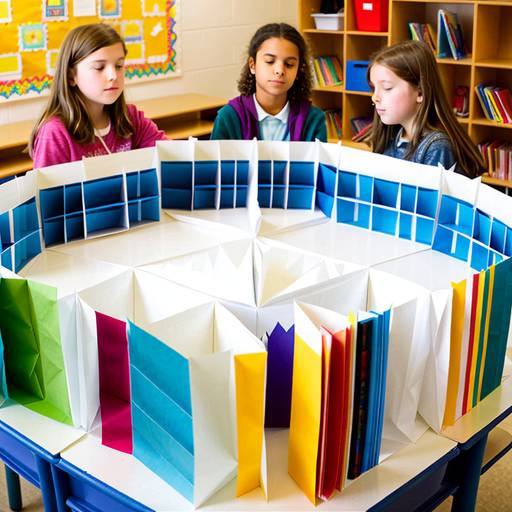
In this 5th grade art lesson, students will explore the art of collage by creating layered compositions that express a theme or tell a story. The lesson begins with a discussion about what collage is, including examples from famous artists and an overview of essential elements such as layering, texture, and composition.
Students will then observe a demonstration on basic collage techniques, followed by a brainstorming session to select their themes. Using a variety of materials, including colored paper, textured elements, and drawing supplies, they will craft their individual collages, applying the techniques learned.
Once the collages are complete, students will engage in a reflection and critique session where they share their work with peers. This culminates in a class gallery walk, allowing students to display their creations and provide feedback to one another. The lesson wraps up with a discussion on the techniques used and an optional homework assignment to enhance their collages or incorporate a narrative element. Assessment will focus on creativity, effort, and the ability to communicate their themes effectively. Extension activities may include writing a short story that complements their visual art.