
Filters
Level
Grade
Subject
Subject Area
Subject Topic
Standard(s)
Audience
Keyword
DurationMinutes
Elementary School Lesson Plans

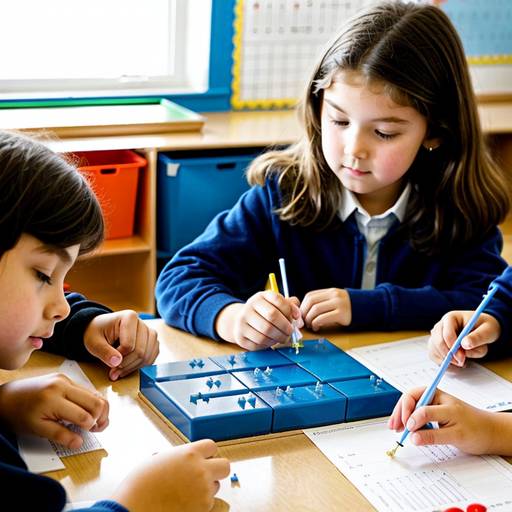
In this 4th-grade math lesson, students are introduced to the concepts of measurement and volume. The lesson begins with a discussion on real-life applications of measurement, followed by direct instruction on using standard units such as cups, pints, quarts, and liters. Students are then divided into small groups for a hands-on activity where they measure the volume of various containers using measuring cups and record their findings, while also practicing unit conversions. After the group activity, students participate in a class discussion to share their discoveries and challenges. The lesson concludes with an assessment in the form of a worksheet that includes volume-related problems and word problems. Throughout the lesson, differentiation strategies are incorporated to meet the diverse needs of students, ensuring all can engage with the material effectively. Reflection on student engagement and understanding is encouraged for future lesson adjustments.

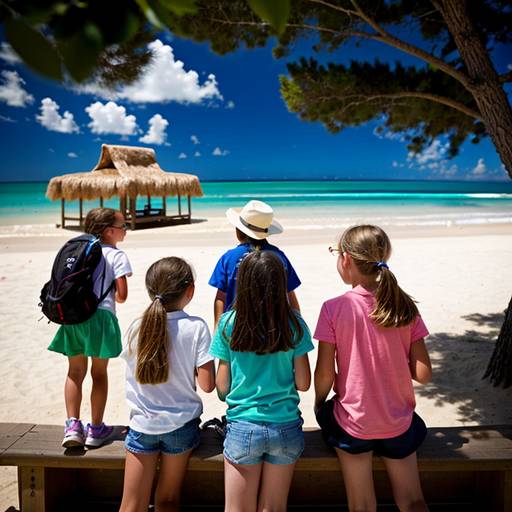
In this 3rd-grade language arts lesson, students will focus on expository writing by crafting a paragraph about their dream vacation. The lesson begins with a discussion about vacations, brainstorming locations, activities, and experiences while using visual aids to inspire creativity. Students will utilize a graphic organizer to structure their thoughts before independently writing a detailed paragraph that includes descriptive language to help readers visualize their ideas. After completing their writing, they will illustrate a scene from their vacation. The lesson concludes with select students sharing their work, emphasizing the importance of vivid details. Assessment will be based on criteria such as clarity, descriptive language, and organization. Extensions and adaptations are provided to ensure all learners can engage with the material effectively.
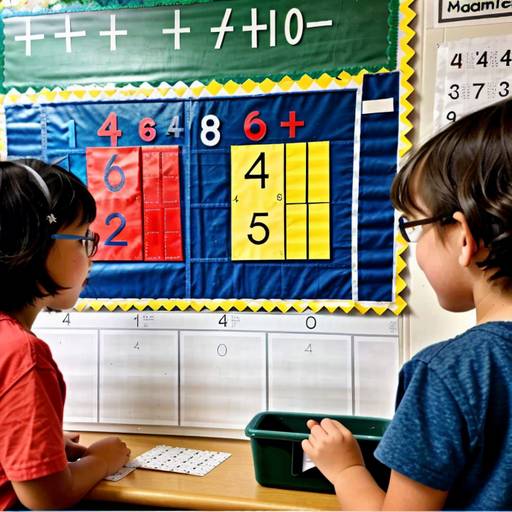
In this kindergarten math lesson, students will explore the concept of addition using a number line as a visual tool. The lesson begins with an engaging introduction where students discuss what addition means and learn about the structured layout of the number line.
Through direct instruction, the teacher demonstrates a simple addition problem, guiding students through the process of finding numbers and making jumps to illustrate addition visually. During guided practice, students will actively participate by selecting number cards and working with partners to create their own addition problems, using the floor number line to demonstrate their results through physical movement.
Independent practice allows students to solidify their understanding by completing worksheets that involve drawing jumps on a number line for given addition problems. The lesson concludes with a recap of key concepts and sharing of experiences, reinforcing learning through group discussion and celebration of participation with rewards.
Throughout the lesson, the teacher will assess student understanding through observation and worksheet completion, ensuring that all learners receive the support they need, with modifications available for diverse learning needs. Follow-up activities will further extend their grasp of addition and encourage creative expression.
In this technology lesson for 3rd graders, students will learn about online safety and the significance of privacy settings. The session begins with discussions about digital footprints, helping students understand the trail of information they leave while using the internet. The teacher will guide them through adjusting privacy settings on a child-friendly website and highlight the importance of safeguarding personal information.
Students will participate in an interactive activity where they categorize different websites as “Safe” or “Not Safe” based on features that contribute to online safety. The lesson concludes with a recap of key concepts and a short quiz to assess their understanding. Throughout the lesson, adaptations will be made to support diverse learners, ensuring that all students can engage with the material. Students are encouraged to share their new knowledge with family members, reinforcing the continuous importance of staying safe online.

This lesson plan for 3rd-grade students focuses on exploring significant historical figures in American history. The lesson begins by introducing the concept of heroes, facilitating a class discussion about what characteristics make someone a hero. Students are then presented with various American historical figures, learning about their contributions and impact on society.
Afterward, students engage in a research activity where they select a hero to study further, filling out a worksheet with details about the hero’s life, achievements, and qualities they admire. This personal reflection is followed by a sharing session where students present their findings to the class, promoting public speaking skills and fostering a sense of community.
The lesson concludes with a discussion that highlights the common traits among the heroes and encourages students to think about how they can embody those qualities in their own lives. Assessment includes participation in discussions, completion of the worksheets, and the quality of presentations. The plan also includes adaptations for diverse learners and extension activities to reinforce the material.

In this kindergarten Earth Science lesson, students will explore fundamental concepts of weather, including various types such as sunny, rainy, snowy, windy, and cloudy. The lesson begins with a captivating picture book that introduces weather and prompts discussion about students’ experiences with different weather conditions.
Students will then engage in a hands-on activity where they create weather-related artwork using cotton balls and crayons to depict their chosen weather scenes. Additionally, a simple mini-experiment will simulate rain, allowing students to observe how clouds hold water.
The lesson will culminate in filling out a class weather chart, helping students connect their observations to real-life activities and clothing choices based on weather conditions. Informal assessments will be conducted through participation in discussions and the creative activities. Extension ideas include a “Weather Journal” project, encouraging ongoing observation of daily weather. This lesson aims to enhance students' understanding of weather while fostering creativity and observational skills.
In this 2nd-grade Earth Science lesson, students will explore different types of weather, including sunny, cloudy, rainy, snowy, and windy conditions. The objective is to help students identify various weather types and understand how weather affects their daily lives. The lesson begins with a discussion about personal weather experiences and continues with an introduction to simple weather instruments such as thermometers, rain gauges, and anemometers.
Students will engage in group activities to sort weather images and share their findings with the class. They will then work independently on a weather journal, illustrating their favorite type of weather and writing about it. The lesson concludes with a class discussion that reinforces the key concepts learned. Assessment will occur through participation in discussions and reviewing the weather journals. Extensions include creating a class mural and conducting outdoor weather observations. The lesson is designed to be interactive, supporting various learning styles and encouraging creativity while fostering an understanding of Earth Science and weather patterns.
In this 2nd-grade social studies lesson, students will explore the concept of community and the various roles of community helpers. The lesson begins with a discussion about what a community is, followed by an introduction to different community helpers such as police officers, firefighters, doctors, and teachers. Through interactive group activities, students will analyze the roles of these helpers and how they contribute to the community's wellbeing. Each student will then create a poster featuring a chosen community helper, including facts about their jobs and a drawing. The lesson concludes with students presenting their posters to the class, promoting understanding of community contributions. Assessment will involve observing participation and evaluating the completed projects. An extension activity may include a field trip or guest speaker to further reinforce the concepts learned.
In this 5th-grade social studies lesson, students will explore the various roles within their community and the responsibilities associated with those roles. The lesson begins with a discussion about what a community is, followed by an examination of important community members and their contributions. Students will work in small groups to select a specific community role from provided role cards and brainstorm its associated responsibilities. Each group will create a poster highlighting their chosen role, which they will present to the class. The lesson concludes with a reflective discussion about the importance of these roles and how students can actively engage in their community as responsible citizens. Assessment will be based on group presentations and participation in discussions, with opportunities for extensions and differentiation to support all learners.
In this 1st-grade social studies lesson, students will explore the concept of community and the various roles of community helpers. The lesson begins with a read-aloud of a picture book that introduces different professions, followed by a discussion using a KWL chart to highlight what students know, want to know, and eventually learn about community helpers.
Students will participate in interactive role-play activities, rotating through stations that represent different community helper professions, allowing them to act out scenarios relevant to each role. They will then create artwork representing their chosen community helper, encouraging self-expression and creativity.
The lesson concludes with a review of what students learned, promoting appreciation for community helpers and discussing ways to show gratitude toward them. An optional video clip may be shown to further illustrate the roles within the community. Assessment will be based on student engagement, participation in discussions and activities, and their ability to articulate their understanding of community helpers. A follow-up activity may include inviting local community helpers for a presentation or organizing a field trip to enhance real-life learning experiences.