
Filters
Level
Grade
Subject
Subject Area
Subject Topic
Standard(s)
Audience
Keyword
DurationMinutes
Elementary School Lesson Plans

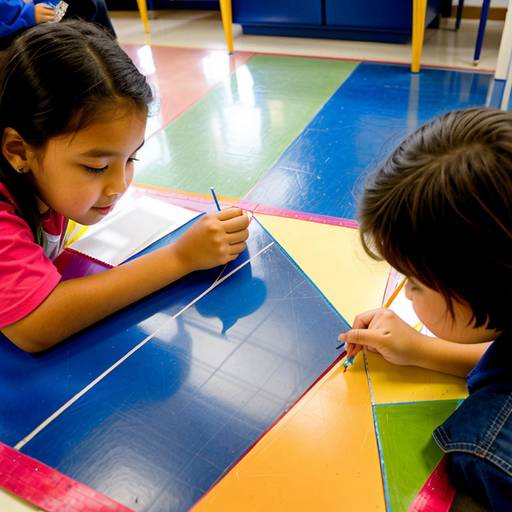
In this 2nd-grade math lesson, students will explore the concepts of geometry and lines through interactive activities and creative expression. The lesson begins with a discussion on various types of lines, including straight, curved, horizontal, vertical, and diagonal, accompanied by visual examples. Students will then engage in a fun game to identify geometric shapes, such as squares, rectangles, triangles, and circles, by observing their characteristics.
Following this, the class will participate in a scavenger hunt, during which students will search for and document different types of lines and shapes found in their environment. The lesson culminates in an art activity where students create their own artwork using the lines and shapes they have learned about, encouraging creativity and application of their understanding.
Students will share their artwork with the class and reflect on their learning, discussing the importance of lines and shapes in everyday life. Assessment will take place through observation during activities, review of the completed artwork, and a quick exit ticket to reinforce the concepts covered. The lesson is designed to be engaging, allowing for differentiation to support varying levels of student understanding.
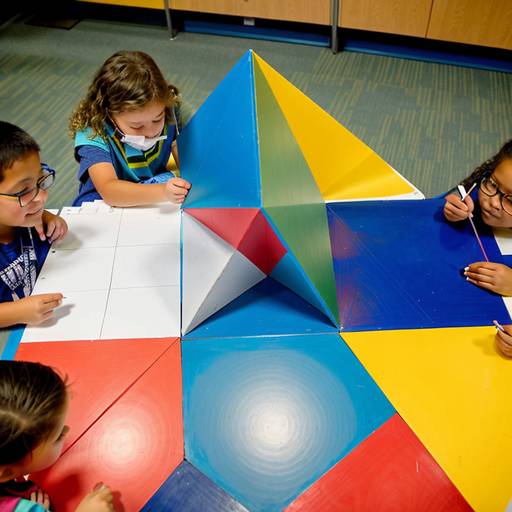
In this 3rd-grade math lesson, students will explore basic geometric shapes, including triangles, squares, rectangles, and circles, while learning about perimeter. The class will begin with a "Shape Hunt" activity to identify shapes in their environment, followed by a discussion on the concept of perimeter and how to measure it. Direct instruction will guide students in using rulers to calculate perimeter for various shapes, emphasizing formulas for rectangles, squares, and triangles.
Students will engage in a collaborative Shape Creation Activity where they will draw their own geometric shapes and measure them to calculate the perimeter. After this guided practice, they will independently complete a worksheet that requires them to find the perimeter of different shapes using the concepts learned. The lesson will conclude with a review of key concepts, encouraging students to share their insights and submit an exit ticket reflecting their learning.
Overall, this lesson aims to combine hands-on activities with practical problem-solving to enhance students' understanding of geometry and perimeter while fostering collaboration and independent thinking in mathematics.

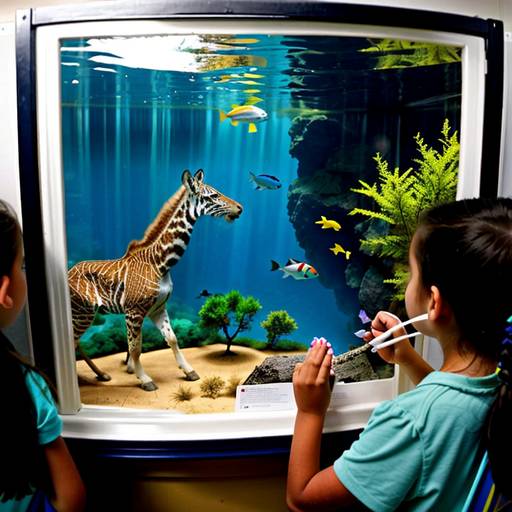
In this 2nd grade life science lesson, students will explore the various habitats where animals live, such as forests, deserts, oceans, and grasslands. The lesson begins with a discussion about habitats and their importance, followed by a presentation of different environments and the animals that reside within them. Students will engage in group activities to match animals to their correct habitats and share interesting facts about them. Afterward, they will individually create drawings that depict their favorite habitat, labeling the animals and their unique survival features. The class will reconvene to share drawings and reflections on their learning. Assessment will include observation of participation and review of the drawings, ensuring students understand the relationship between animals and their environments. Extensions can include field trips to local zoological settings and the creation of a classroom habitat wall for ongoing learning.
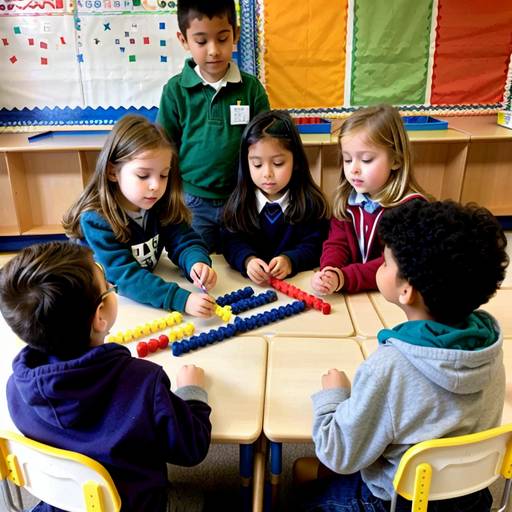
In this kindergarten math lesson, students are introduced to the concepts of measurement and time through engaging, hands-on activities. The lesson begins with a discussion on measurement, where students estimate the lengths of classroom objects and measure them using pieces of yarn as non-standard units. In pairs, they record their findings and share results with the class, fostering teamwork and communication skills.
Next, the lesson transitions to telling time. Students learn about the parts of a clock using a large analog clock and a digital clock poster. They create their own paper plate clocks, labeling the hours and practicing moving the hands to represent different times called out by the teacher.
The lesson concludes with a review of key concepts and a reflection segment where students share their learning experiences. An interactive song reinforces the material, ensuring that students understand both measurement and time by the end of the lesson. Assessment occurs through observation during activities and by checking their understanding of time on their crafted clocks. Extensions for advanced learners involve exploring basic weight concepts. Overall, the lesson provides a fun and interactive way for kindergarteners to grasp foundational math skills.
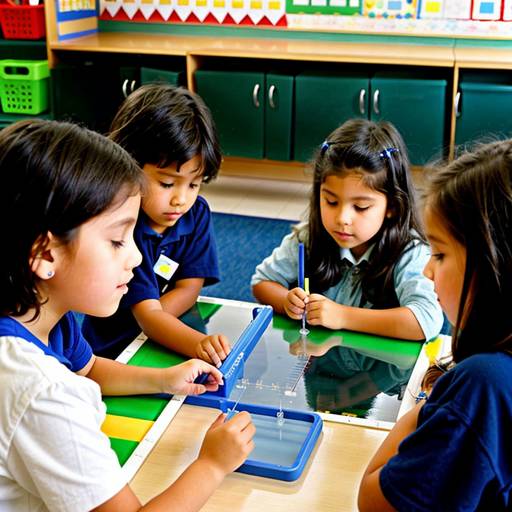
In this 1st-grade math lesson, students will explore the concepts of measurement and length through hands-on activities and discussions. The lesson begins with an introduction to the idea of measurement, where students will learn to use rulers and measuring tapes. After a guided demonstration, they will participate in a scavenger hunt around the classroom to measure various items, recording their findings on worksheets.
As they measure, students will practice identifying the lengths of objects, collaboratively sharing their observations in a group discussion. The class will create a chart to compare the lengths measured, reinforcing their understanding of terms like "longest" and "shortest." To conclude, students will reflect on the importance of measurement in real-life situations and will be assigned a simple homework task to measure and record three items at home.
Assessment will be based on participation during activities and the accuracy of worksheet completions, with accommodations provided to ensure all students can successfully engage in the lesson. Overall, the lesson aims to create an interactive and practical understanding of measurement and length for young learners.

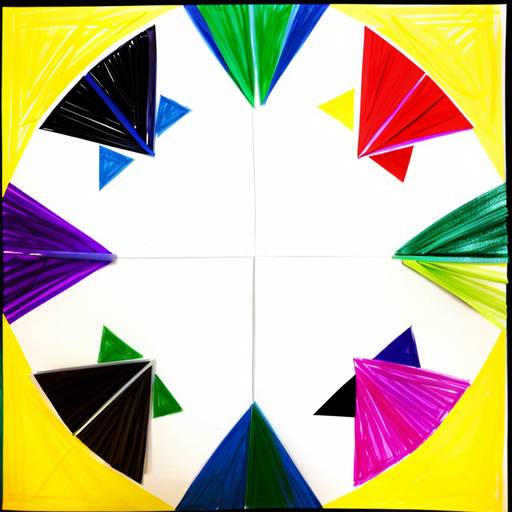
In this 3rd-grade art lesson, students will explore the concepts of lines and shapes to create their own unique creatures. The lesson begins with an interactive discussion where students identify and describe various types of lines (straight, curved, zigzag, wavy) and basic shapes (circle, square, triangle). Following a demonstration, they will be guided to sketch their creatures using these elements, emphasizing creativity and imagination.
Once their sketches are complete, students will color their creatures with colored pencils, markers, or crayons, incorporating patterns and details that enhance their artwork. The lesson culminates with a sharing session, where students present their drawings and discuss the elements they used. The completed artworks will be displayed in a classroom gallery, celebrating their creativity and newfound understanding of artistic techniques. Assessment will focus on observation during practice, as well as the final artwork in terms of creativity and application of lines and shapes. Extensions and modifications are provided to cater to varying levels of students' abilities and interests.
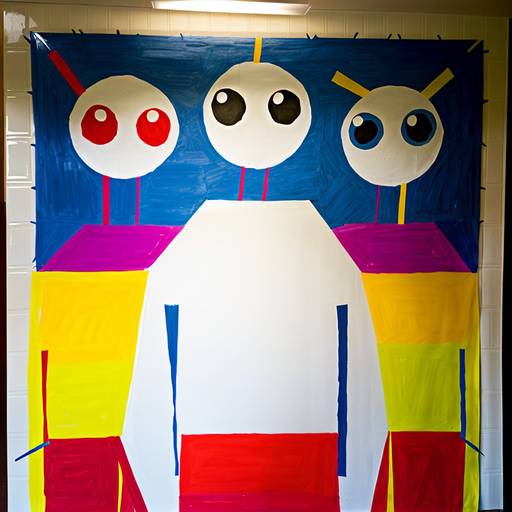
In this first-grade art lesson, students will learn about various types of lines and shapes while engaging in a creative drawing activity. The lesson begins with a discussion on identifying and describing straight, curved, and zigzag lines, along with circles, squares, and triangles. Following a demonstration of how to combine these elements to create a monster, students will sketch their unique creations using pencils. Once their sketches are complete, they will color their monsters with crayons or markers, adding details like textures or patterns.
The class will then come together to share their artwork, allowing each student to describe the lines and shapes used in their designs. The teacher will assess participation and understanding throughout the activity. The lesson concludes with artwork displayed in a "Monster Gallery" in the classroom, celebrating the creativity and individuality of each student. Extension activities may include storytelling or organizing a "Monster Parade" to showcase the creations to other classes.
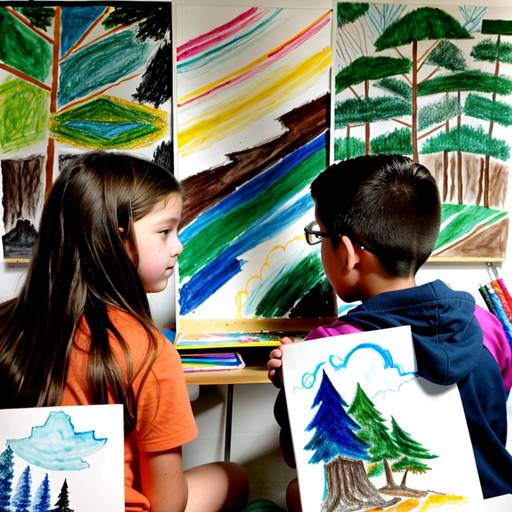
In this 5th-grade art lesson, students will explore drawing techniques by focusing on various lines and textures found in nature. The lesson begins with a discussion on different types of lines and textures, accompanied by reference images for inspiration. Following a demonstration of line techniques such as hatching, cross-hatching, and stippling, students will engage in guided practice, sketching outlines of their chosen natural elements while incorporating these techniques.
Once they've practiced, students will independently create a final artwork, utilizing varied lines and textures to enhance their drawing. Afterward, they will have the opportunity to share their work in a gallery-style presentation, fostering discussion about their artistic processes and discoveries. The lesson includes clean-up time and emphasizes creativity and personal expression through the use of diverse drawing methods. Assessment will be based on the application of techniques and the originality of their artwork, with accommodations available to ensure all students can participate fully. Extensions include creating additional drawings at home and organizing nature walks for further inspiration.
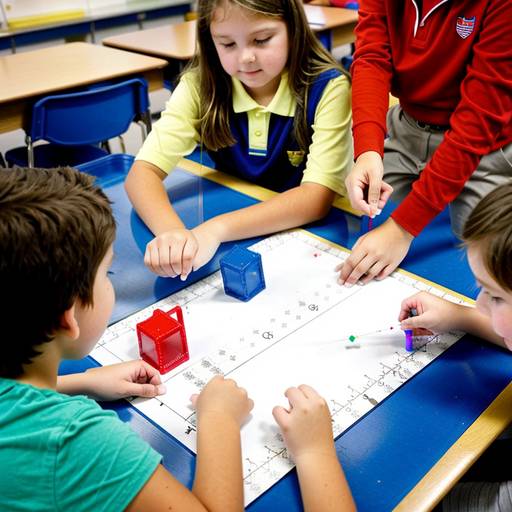
This 4th-grade math lesson focuses on the concepts of measurement, specifically weight and length, encouraging students to explore and practice these skills through hands-on activities. Students will learn to differentiate between weight and length and use standard units such as grams, kilograms, centimeters, and meters. The lesson begins with an introduction to measurement, followed by direct instruction on how to properly use scales and rulers. In guided practice, students work in small groups to measure and record the weight and length of various classroom objects. During independent practice, they will complete a worksheet where they measure additional objects of their choice and document their findings. The lesson concludes with a class discussion where students share their results and reflect on the importance of measurement in everyday life. Assessment will be based on the completed worksheets and observations of group interactions. Accommodations are provided for students needing extra support, and extensions are suggested for those ready to explore advanced concepts.
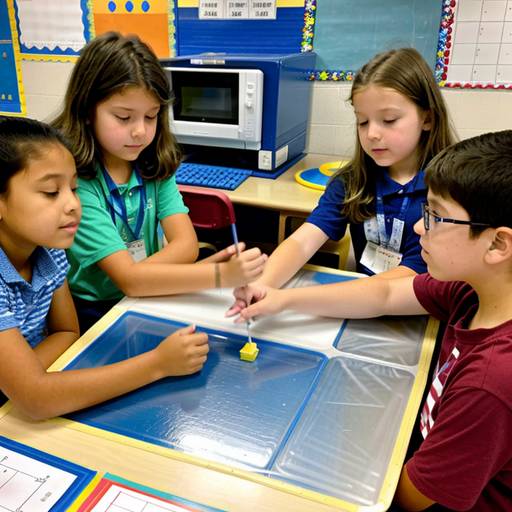
In this 4th-grade mathematics lesson, students will explore the concepts of measurement and area. The lesson begins by engaging students in a discussion about the importance of measurement in everyday life. They will learn to use rulers and measuring tapes to accurately measure the length and width of various classroom objects. Through direct instruction, students will be introduced to the formula for calculating area (Area = Length × Width) and will practice measuring and calculating area during guided activities.
In small groups, students will measure different objects, record their findings, and calculate the area for each. After the guided practice, they will work independently on worksheets to reinforce their understanding of area calculations. An optional extension activity allows students to create a mini garden on grid paper, incorporating their area calculations into a creative project.
The lesson concludes with a class discussion, where students share their measurements and findings, solidifying their understanding of how measurement and area apply to real-world scenarios. Assessment will be conducted through monitoring group work, reviewing worksheets, and checking for collaboration and accuracy, ensuring that all students grasp the fundamental concepts. Differentiation strategies will be employed to support students who may need additional help, as well as offering challenges for those ready to advance their skills.