
Filters
Level
Grade
Subject
Subject Area
Subject Topic
Standard(s)
Audience
Keyword
DurationMinutes
Elementary School Lesson Plans
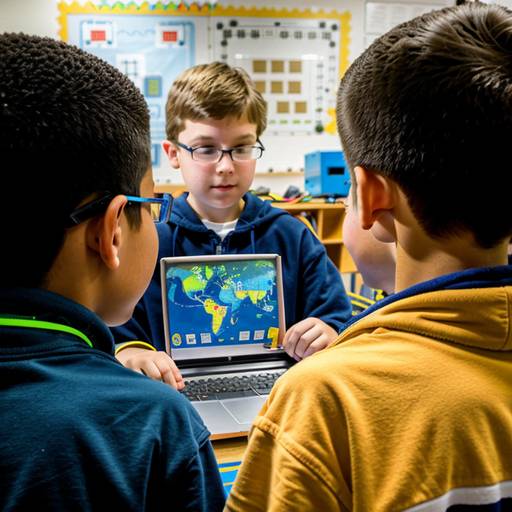
This lesson plan is designed for fourth-grade students to introduce them to the fundamentals of robotics and robot engineering over two class periods. The objectives include understanding basic robotic concepts, identifying robot components and their functions, assembling a simple robot using a robotics kit, programming the robot for basic movements, and collaborating in teams to tackle a robotics challenge.
During the first class, students are engaged in discussions about robots and their everyday applications, followed by a presentation on robot components. They work in groups to complete an activity matching parts to functions and receive an introduction to their robotics kits, learning how to assemble basic structures.
The second class focuses on the actual building and programming of the robots. Students work in their groups to construct their robots, experiment with programming software, and participate in a challenge where they navigate or manipulate objects. They present their creations to the class, discussing their design processes and the challenges they encountered.
Assessment will include observations of group dynamics, completion of worksheets, and evaluations based on presentations. Extensions for advanced students can introduce more complex programming or sensors, and a showcase can allow students to share their work with a broader audience. Safety and support will be ensured throughout the activities.
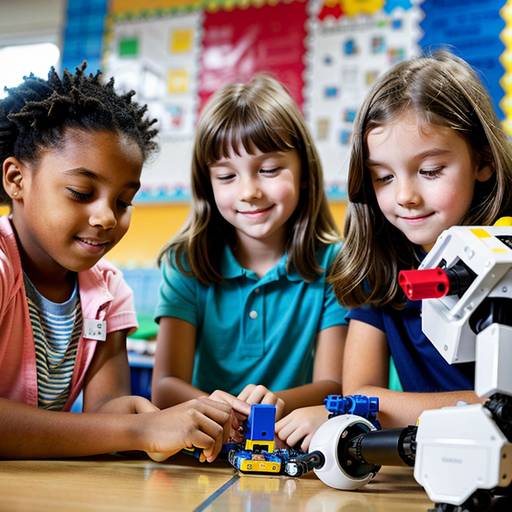
In this 60-minute technology lesson for 2nd graders, students are introduced to robotics through an engaging and interactive building activity. The lesson begins with a brief video showcasing different robots in action, followed by a discussion on how robots assist in various real-world applications.
Students learn about the essential components of a robot—sensors, processors, and actuators—before being guided through the engineering design process, which includes steps such as asking questions, imagining ideas, planning designs, creating prototypes, and improving their builds.
Working in pairs, students then sketch their robot ideas and construct their creations using LEGO bricks and craft supplies. They present their robots to the class, sharing the functionality and materials, while classmates ask questions. The lesson wraps up with a reflective discussion on what students learned, the challenges they encountered, and how they overcame them. Ongoing assessment occurs through observation, verbal feedback, and a simple rubric evaluating creativity, functionality, and teamwork.
Opportunities for extension and differentiation are also included to accommodate students’ varying abilities and interests. Overall, this lesson fosters creativity, collaboration, and a foundational understanding of robotics.
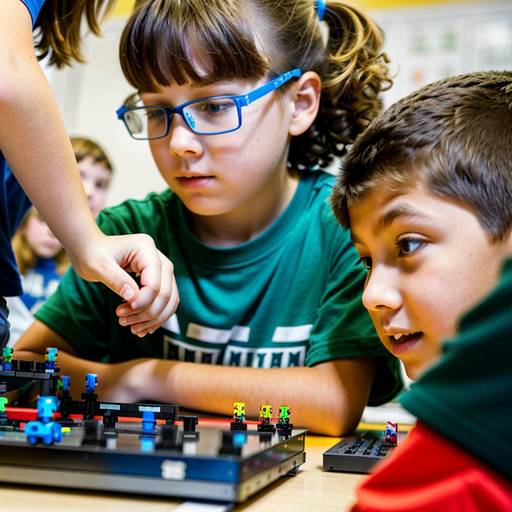
In this 90-minute lesson for 5th-grade students, learners will explore robotics and programming through a hands-on, collaborative experience. The lesson starts with a discussion about robotics and its applications, introducing students to the basic components of a robot. Students will then be divided into small groups, each receiving a robotics kit to construct their own robot.
After completing their builds, groups will learn to use programming software to code their robots for specific tasks, such as navigating a maze or following a pattern. The lesson culminates in testing and demonstrating their robots’ abilities in a friendly challenge, encouraging teamwork and problem-solving throughout the process.
Finally, the class will come together for a reflection on their experiences, discussing challenges faced and lessons learned in both building and programming their creations. This interactive lesson not only fosters technical skills but also emphasizes collaboration and critical thinking.
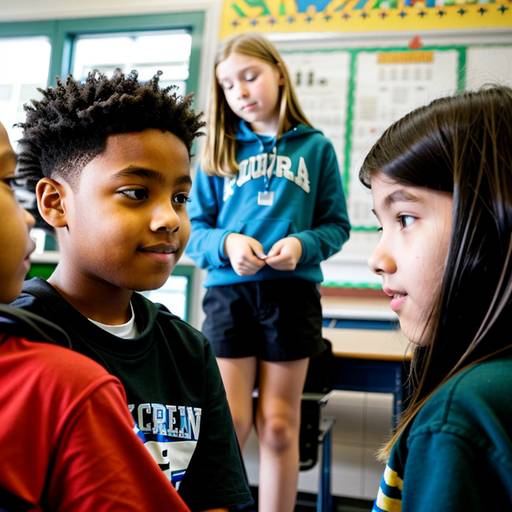
In this 5th-grade technology lesson, students will explore the fundamentals of robotics and engineering. The lesson spans two class periods, during which students will first learn about various types of robots, their components, and functions through engaging discussions and video presentations. They will work in small groups to brainstorm ideas for their own robot designs aimed at solving specific problems. Each group will present their concepts to foster collaboration and critical thinking.
In the second class, students will share their research on existing robots and then use provided robotics kits to create their own designs. The building session will encourage teamwork and creativity as students construct their robots based on their initial ideas. Finally, students will present their completed robots, explaining their functionality and the challenges they encountered during the building process. The lesson concludes with a reflective discussion, allowing students to articulate their learning experiences and insights gained about robotics, engineering, and collaboration. Assessment will focus on participation, presentations, and reflections, fostering a comprehensive understanding of the subject matter. Extensions may include guest speakers to explore careers in robotics further.
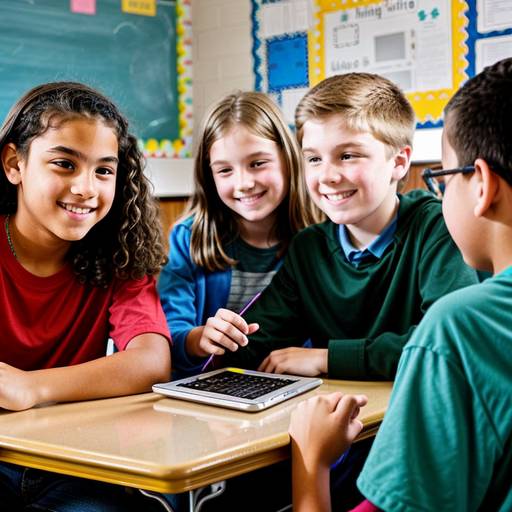
This lesson plan focuses on educating 5th-grade students about the principles of digital citizenship, with an emphasis on recognizing and preventing cyberbullying. The objectives include defining digital citizenship, identifying cyberbullying and its effects, demonstrating respectful online communication, and creating a personal action plan to respond to cyberbullying incidents.
The lesson begins with a video exploring digital friendships and the importance of kindness online, followed by a presentation on key concepts and statistics related to cyberbullying. Students are then engaged in small group activities where they analyze scenarios of online interactions, distinguishing between positive communication and cyberbullying.
As a class, students discuss strategies for responding to cyberbullying and produce a personal Cyberbullying Response Plan. The lesson concludes with reflections on their learnings and recommendations for fostering a positive digital environment. Assessment is based on participation, the quality of the response plan, and contributions during discussions. Extension activities encourage creative projects that promote awareness and positive behavior in the digital realm. Overall, the plan aims to equip students with the knowledge and tools necessary to navigate the online world safely and responsibly.

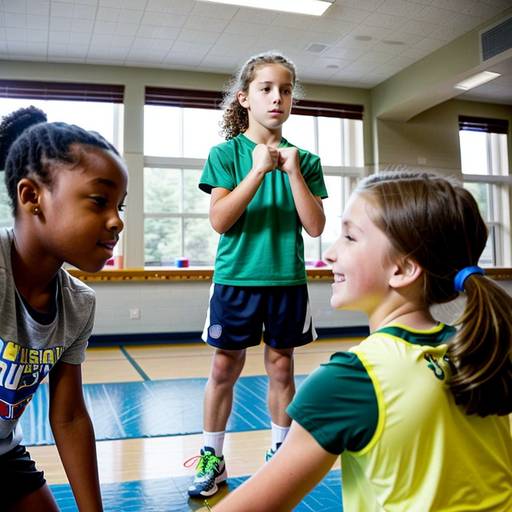
This 4th-grade Physical Education lesson focuses on fitness and strength through engaging activities that promote teamwork and cooperation. Students will begin with a warm-up involving dynamic stretches and light jogging, followed by a discussion on the importance of fitness and strength exercises.
The main activity consists of a station rotation involving five different strength exercises performed in pairs, allowing students to learn and practice push-ups, squats, resistance band rows, plank high-fives, and a medicine ball toss. The lesson culminates in a group relay race that incorporates fitness tasks, emphasizing collaboration.
To conclude, students will cool down with guided stretches and deep breathing exercises, followed by a discussion reflecting on their experiences and learning outcomes. The lesson emphasizes student engagement, teamwork, and the importance of maintaining an active lifestyle. Adaptations are provided to accommodate different fitness levels, ensuring all students can participate safely and effectively.

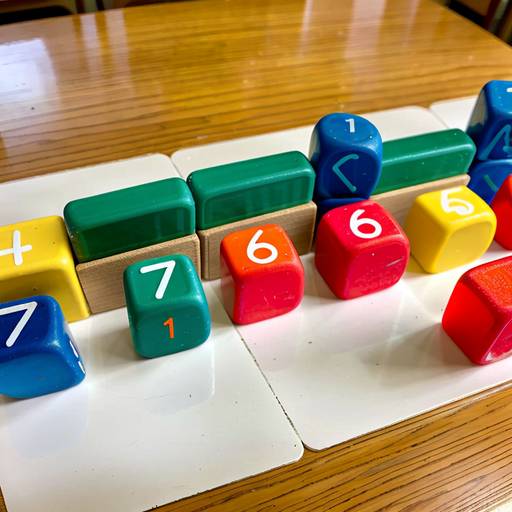
The lesson focuses on teaching kindergarten students the concept of addition through interactive, hands-on activities using colorful building blocks as manipulatives. Starting with an introduction that explains addition, the teacher demonstrates a simple problem using blocks to illustrate how to combine sets visually. Students then work in small groups to solve assigned addition problems, using blocks to visually represent the numbers and practice counting. After guided practice, they complete independent worksheets featuring basic addition problems, which they can also visualize with blocks if needed. The lesson concludes with a class discussion where students share their outcomes, reinforcing their understanding of addition. Assessment is based on participation, problem-solving during group work, and the accuracy of their completed worksheets. Extensions and adjustments are provided to cater to diverse learning needs, ensuring an inclusive and engaging math experience.

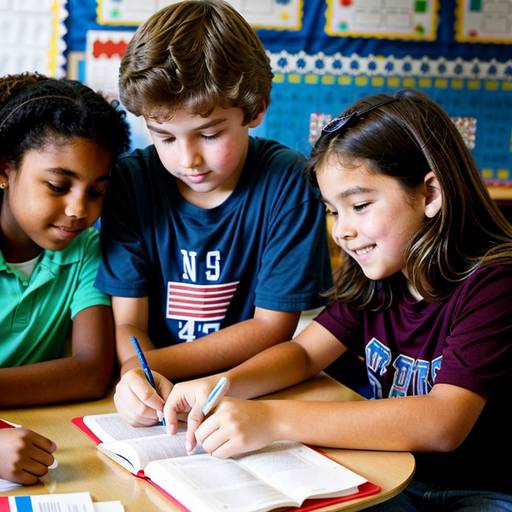
In this 4th-grade social studies lesson, students will explore the diverse roles within their community and understand how each contributes to its overall functioning. The lesson begins with a class discussion about the concept of community and the various jobs individuals perform. Students will be introduced to different community roles, such as police officers, teachers, and healthcare providers, through pictures and descriptions.
Working in small groups, students will select a role, discuss its responsibilities, and prepare a brief skit or presentation to demonstrate its importance. After each group presents, the class will engage in a discussion to reflect on the significance of these roles and the positive impacts they have on the community. To deepen their understanding, students will receive a worksheet to interview a community worker they know, allowing them to connect classroom learning to real-life experiences.
Assessment will be based on group participation and the completion of the worksheet. Adjustments will be made to accommodate different learning needs, ensuring that all students can engage with the lesson effectively. Finally, the lesson provides opportunities for follow-up activities, such as a field trip or guest speaker, to further enrich students' understanding of their community.
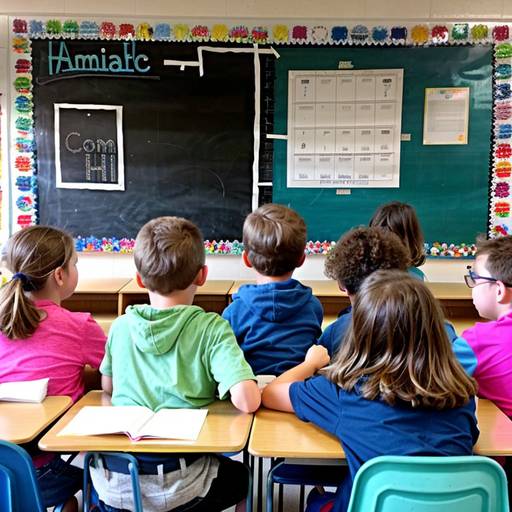
This 3rd-grade social studies lesson focuses on helping students understand the concept of community and the importance of rules. The lesson begins with a discussion about what constitutes a community, allowing students to share their insights and identify various community members. Students then learn about the significance of rules through a guided reading of common community rules.
In small groups, students brainstorm ideas for rules that would enhance their classroom community, encouraging them to think critically about the rationale behind each rule. The class collaborates to create a collective list of essential rules. To reinforce their commitment to these rules, each student crafts a personal "Community Pledge," which they decorate and display in the classroom as a reminder of their responsibilities.
The assessment of student understanding is based on participation in discussions, the relevance of the group's rule contributions, and the completion of the pledges. The lesson also includes extensions, such as inviting a community member to speak or organizing a field trip to explore community roles in action. Overall, this lesson fosters a sense of responsibility and belonging among students while highlighting the importance of cooperation in a community setting.
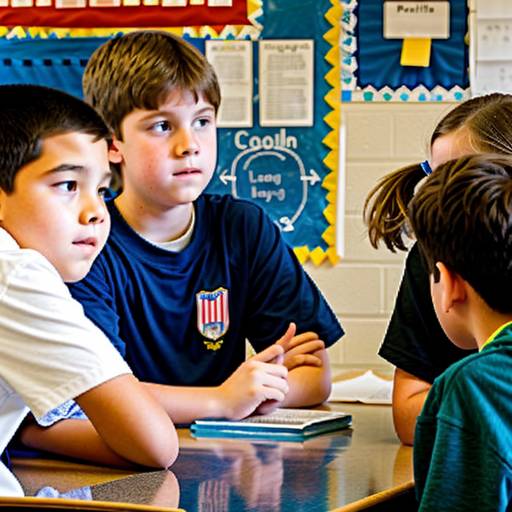
In this 5th-grade social studies lesson, students will explore the concept of community and the importance of rules and responsibilities within it. The lesson begins with a warm-up discussion to define what a community is, followed by a group brainstorm on community rules that promote safety and organization. The teacher will introduce the various types of rules, including local laws, school regulations, and household expectations, while emphasizing the responsibilities that come with following these rules.
Students will engage in a guided group activity to create a list of essential community rules on sticky notes, which they will then share with the class. Following this collaborative effort, each student will work individually or in pairs to design a "Community Rules" poster that illustrates key rules and their importance.
As the lesson concludes, students will reflect on the significance of rules and the feelings associated with following or breaking them. For homework, they will write a paragraph about a rule they adhere to at home and its impact on their family. Assessment will be based on participation, the creativity of the poster, and the written assignment. This lesson aims to foster teamwork, creativity, and public speaking skills in a supportive environment, while deepening students' understanding of community dynamics.