
Filters
Level
Grade
Subject
Subject Area
Subject Topic
Standard(s)
Audience
Keyword
DurationMinutes
Elementary School Lesson Plans

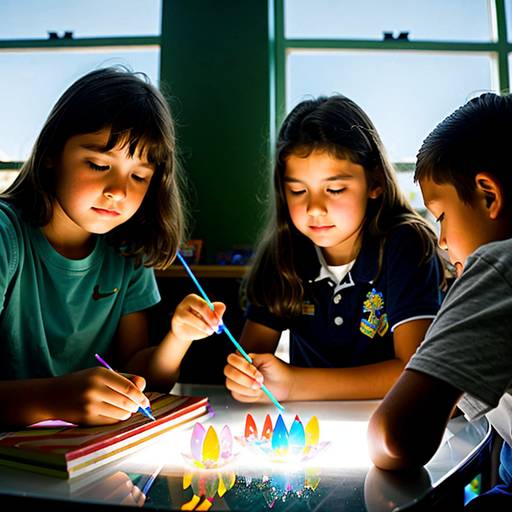
In this 4th-grade art lesson plan, students will explore the fascinating world of glass art forms and techniques. The first day focuses on introducing various types of glass art, such as stained glass and glass sculptures. Students will engage in hands-on activities, creating their own stained glass pieces using colored cellophane layered on clear plastic sheets. They will learn about light interaction and the properties of transparency.
On the second day, students will expand their creations by incorporating mixed media elements. They will sketch their ideas and design backgrounds using construction paper, markers, and crayons. The lesson encourages creativity and individual expression, allowing students to develop a unique artistic piece that reflects their understanding of glass art.
The session culminates in a display of artworks, where students showcase their projects and reflect on their learning experience. Assessment will be based on participation, creativity, and the application of techniques learned during the lessons. Extension activities include organizing an art gallery for parents and discussing the history of glass art and notable artists in the field.

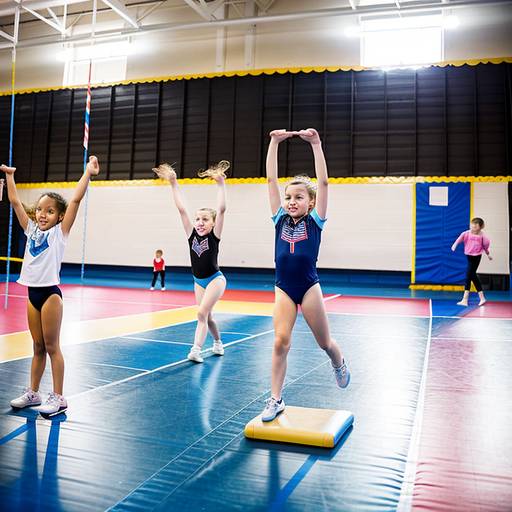
This 1st Grade physical education lesson plan focuses on introducing students to basic gymnastics movements and fostering teamwork through engaging activities. The lesson begins with a warm-up that includes fun animal walks and dynamic stretches to prepare students for physical activity.
Students then rotate through three different stations where they practice tumbling (forward and backward rolls), balancing (walking on a balance beam and performing various poses), and jumping (navigating over cones and into hula hoops). Each activity promotes skill development, coordination, and confidence.
Following the stations, students participate in a teamwork challenge involving a simple obstacle course that integrates the skills they have learned. The lesson concludes with a cooldown stretch where students reflect on their experiences, share what they enjoyed, and recognize the importance of teamwork in sports. Throughout the lesson, safety is emphasized, ensuring a supportive and inclusive environment for all participants.
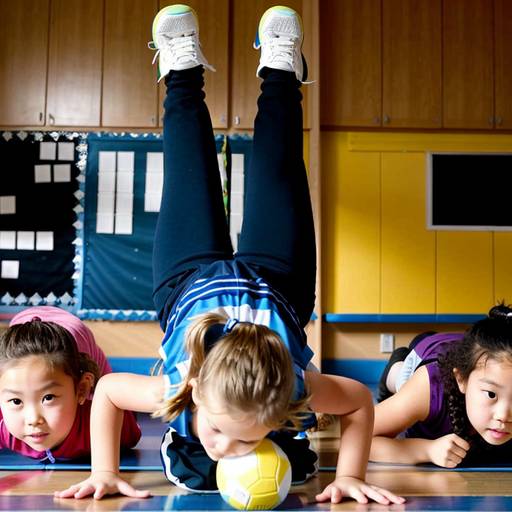
In this engaging 45-minute physical education lesson for 2nd graders, students will develop foundational gymnastics and sports skills through a variety of interactive activities. The session begins with a dynamic warm-up that incorporates movement and stretches to get students energized. Following this, students rotate through three gymnastics stations, focusing on forward and backward rolls, balance exercises, and agility drills involving jumping jacks and hula hoops.
Next, they participate in a relay race that combines dribbling a ball and demonstrating a gymnastics move, encouraging teamwork and coordination. The lesson concludes with a cooldown featuring gentle stretches and a reflective discussion where students share their favorite activities and skills they’ve improved. Throughout the lesson, instructors will assess participation and skill development, providing feedback and adapting activities as necessary to meet the needs of all students, ultimately fostering a fun and inclusive environment for physical fitness.

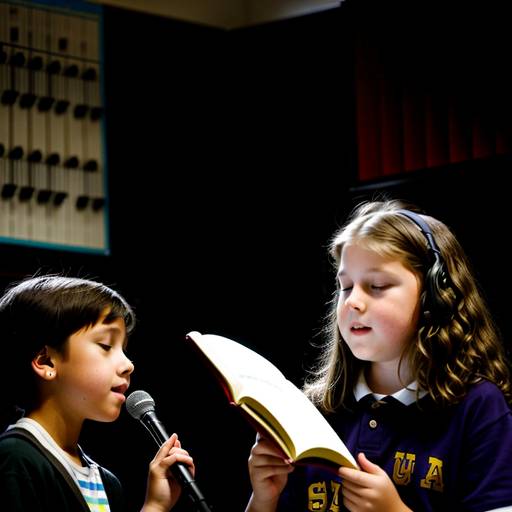
This lesson plan is designed for 3rd-grade students to explore music history and various musical styles over a 45-minute period. It begins with a discussion on the meaning of music, encouraging students to share their knowledge of different styles. Students will then listen to audio clips of genres such as Classical, Jazz, Rock, Folk, and Hip-Hop. After each clip, they will engage in discussions about the instruments, emotional responses, and potential cultural contexts of the music.
Following this, students will be divided into small groups, with each group assigned a specific musical style. They will brainstorm how to creatively represent their assigned genre using simple instruments or body percussion, culminating in a short performance for the class. The lesson concludes with reflections on the musical styles explored, and students will be tasked with a creative homework assignment involving a drawing and a brief written description of their favorite musical style or artist.
Assessment will be based on participation, group performance, and the completion of the homework assignment. Extensions include a project presentation day and the possibility of inviting a local musician to interact with the students. The overall goal is to inspire an appreciation for music history while fostering creativity and collaboration among the students.
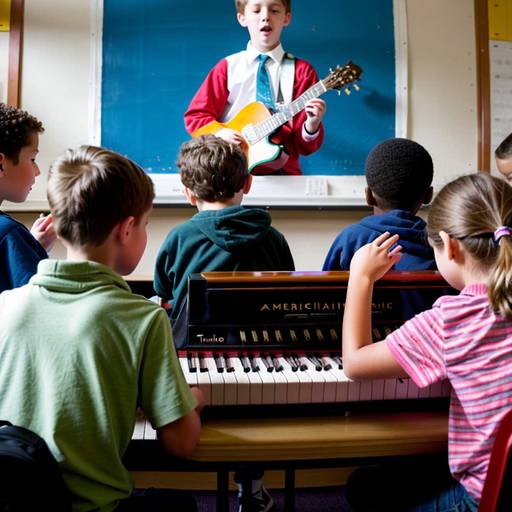
In this 45-minute music lesson designed for 3rd graders, students will explore the lives and contributions of notable composers from different musical eras. The lesson begins with a warm-up sing-along to engage students and discuss the role of composers in creating music that tells stories and expresses emotions. Students will be introduced to several composers through pictures, audio clips, and a timeline that highlights their historical context and the types of music they created.
Working in small groups, students will delve into the background of a specific composer through "Composer Cards," discussing and sharing key facts about their assigned composer with the class. Following this, students will engage in a creative activity where they compose a simple melody inspired by their favorite composer. They will illustrate their music on blank staff paper, incorporating drawings that represent the feelings evoked by their melodies.
The lesson concludes with a sharing session, allowing students to present their compositions and reflect on how each composer has influenced the music they enjoy today. Assessment will be based on their participation, creativity, and understanding demonstrated during the activities. The lesson fosters collaborative learning and creativity while deepening students' appreciation for music history.
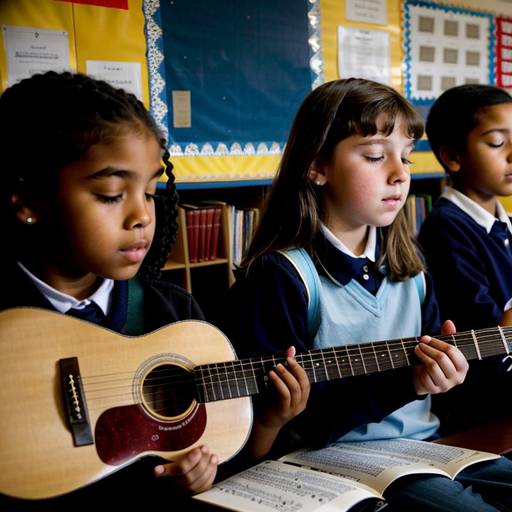
In this 4th-grade music appreciation lesson, students will explore and understand famous songs from various eras, highlighting their historical context and cultural significance. The lesson begins with a warm-up discussion where students share their favorite songs. Following this, they will engage in listening stations, where small groups will rotate through different stations featuring a selection of iconic songs from diverse genres and decades. At each station, students will listen to the music and discuss its themes and historical relevance, using provided handouts for reference.
After completing the stations, the class will regroup to share reflections on the songs that resonated with them and how those songs mirror the time periods in which they were released. The lesson concludes with a creative component, where students are encouraged to write their own short verses or choruses inspired by the themes they explored. This activity fosters creativity and personal connections to music while reinforcing the understanding of its role in reflecting societal values and emotions. Assessments will be based on participation in discussions, group reflections, and the creativity displayed in their song creations. Additionally, extensions may include individual research assignments on other songs and organizing a themed presentation day for students to showcase their findings and creative outputs.
In this 3rd-grade music appreciation lesson, students explore famous songs from various genres and time periods, gaining an understanding of their cultural impact. The lesson begins with a discussion about music and personal favorites, followed by listening to selected classic songs. Students analyze the musical elements, such as instruments and mood, while discussing the historical significance of each piece.
In small groups, students research influential musicians or bands, preparing short presentations that highlight their assigned artist and the notable songs associated with them. This collaborative activity encourages teamwork and enhances their understanding of the connection between music and society.
The lesson concludes with a reflection exercise, where students draw or write about their favorite song from the lesson and share what they've learned. Assessment is based on participation, reflection worksheet completion, and ability to articulate insights about the music studied. Extensions include a home assignment to find and present another famous song, further promoting engagement with music appreciation. Overall, the lesson fosters a deeper connection to music and its role in culture.
In this 5th-grade music appreciation lesson, students will explore iconic songs from various eras while understanding their historical context and cultural significance. The lesson begins with a discussion on what makes a song famous, followed by a listening activity where students hear snippets of several influential songs and discuss their themes and the emotions they evoke.
Students will then work in small groups to research a specific song not covered in the listening activity, focusing on its background, artist, and impact on culture. Each group will prepare a brief presentation to share their findings with the class. The lesson concludes with a wrap-up discussion, allowing students to reflect on the power of music and its influence on their lives. Assessment will be based on participation and engagement during discussions and presentations.
An extension activity invites students to write a short essay about a song that resonates with them personally, further encouraging thoughtful engagement with music.

In this 2nd grade science lesson focused on astronomy, students will explore the fascinating world of stars and constellations. The lesson begins with an engaging video that showcases stunning images of celestial bodies, stimulating discussion about students' prior knowledge of stars. Direct instruction will introduce the characteristics of stars and highlight popular constellations, sharing their associated myths and stories.
Following the instructional component, students will participate in a hands-on activity where they create their own constellations using black construction paper, chalk or crayons, and star stickers. They will design a constellation and compose a short story about it, drawing inspiration from provided story cards. After completing their artwork and narratives, students will have the opportunity to share their creations with the class.
To conclude, the lesson will recap key concepts and encourage students to observe the night sky with their families. Assessment will focus on participation, creativity, and the clarity of each student's story. Extensions may include inviting a guest speaker to discuss astronomy or launching a "Star of the Week" program to foster further exploration of celestial topics.

This 5th-grade social studies lesson focuses on exploring the contributions of influential women throughout history. Students will begin with a class discussion to identify notable women who have made significant impacts on society. A slideshow presentation will highlight various historical figures, including Harriet Tubman, Susan B. Anthony, and Rosa Parks, providing students with insights into their achievements and the challenges they faced.
Following this, students will work in small groups to research a specific figure, discussing achievements and societal influence while filling out a structured worksheet. For the independent activity, each student will select a woman to create a visual poster that includes her name, key achievements, a relevant quote, and an illustration representing her work.
The lesson will conclude with students sharing their posters, emphasizing the importance of these historical figures and their lasting influence on modern society. Assessment will focus on participation, group worksheet completion, and the creativity and content of the visual posters. Extensions may include inviting a guest speaker or creating a timeline of significant achievements by women in history.