
Filters
Level
Grade
Subject
Subject Area
Subject Topic
Standard(s)
Audience
Keyword
DurationMinutes
Elementary School Lesson Plans

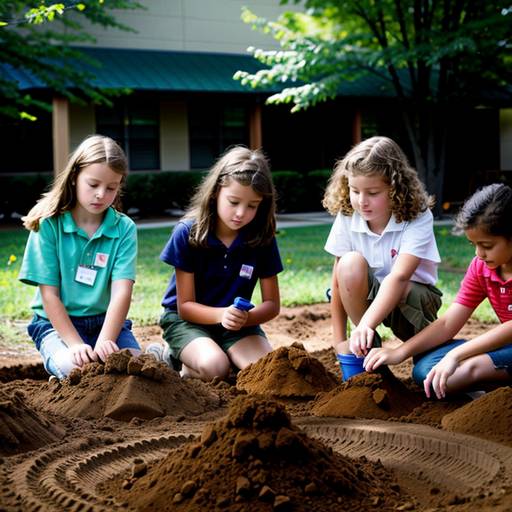
In this Earth Science lesson for 4th graders, students will explore the importance and composition of soil, as well as its various layers. The lesson begins with an engaging discussion about soil, inviting students to share their experiences with digging in the dirt and what they found. The instructor will explain the main components of soil—minerals, organic matter, water, and air—and illustrate the different soil layers, or horizons, using visual aids.
Following the introduction, students will participate in a hands-on activity where they will examine soil samples from different types and observe the layers that form when mixed with water. Working in small groups, they will document their observations using magnifying glasses and fill out worksheets that detail their findings.
The lesson concludes with a group discussion where students reflect on their observations and the role of soil in supporting life. To assess understanding, a quick exit quiz will help reinforce key concepts. Optional extensions will encourage students to collect soil samples from their surroundings, while adaptations will support varying student needs. This interactive and engaging lesson aims to deepen students' appreciation of soil and its vital role in the environment.

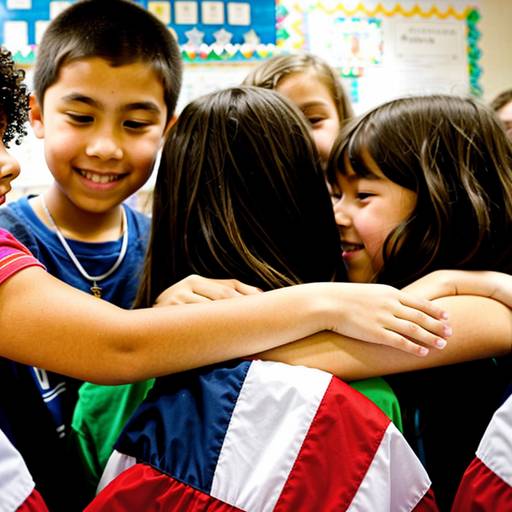
In this fourth-grade social studies lesson, students will explore the concepts of community and diversity by investigating various cultural backgrounds present within their own community. The lesson begins with a discussion to define community and diversity, followed by a group activity where students research assigned cultures and create informative posters detailing their findings. Each group will present their work to the class, promoting engagement and curiosity through questions and discussions. Students will then reflect individually on what they learned, writing their insights on Post-it notes, which will be shared in a class discussion to highlight the value of diverse perspectives. The lesson concludes with music from one of the featured cultures, allowing students to celebrate their learnings in a lively manner. Assessment will focus on group collaboration, presentation skills, and reflective understanding. Extensions for the lesson may include a cultural day, where students can showcase their own backgrounds or invite community members to share their experiences. Overall, this lesson aims to foster empathy, respect, and appreciation for the rich diversity within the community.

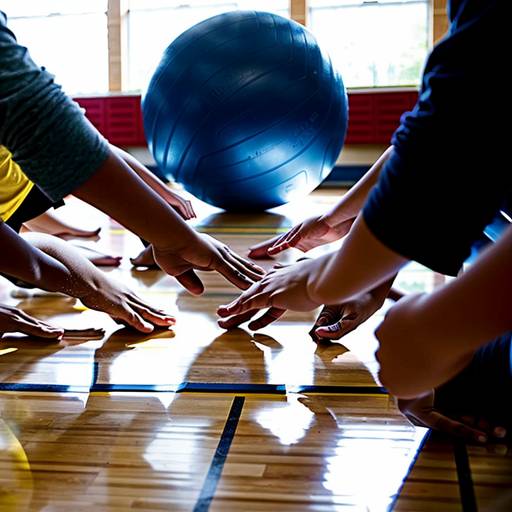
This physical education lesson for 5th graders focuses on enhancing coordination and building teamwork through engaging activities. The class begins with warm-up exercises and coordination drills involving ball tossing in pairs, promoting hand-eye skills and movement.
Students then participate in a hula hoop relay, working together in teams to complete the task, encouraging communication and support among teammates. Following this, they gather around a parachute for various cooperative games that require synchronized movement, further enhancing their teamwork and coordination.
The session concludes with static stretching and a calming breathing exercise to help students relax and reflect on their experiences. Throughout the lesson, students are assessed on their participation and cooperation, fostering an environment of encouragement and shared achievement. Adaptations are provided for different ability levels to ensure inclusivity and maximize engagement for all participants.
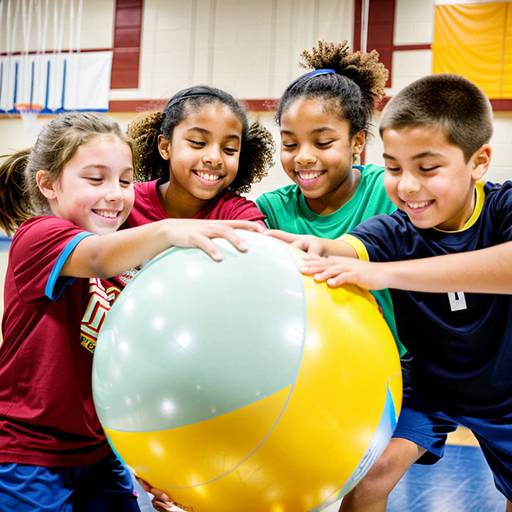
This 60-minute physical education lesson for 4th graders focuses on enhancing coordination and teamwork through a series of engaging activities. The class begins with a dynamic warm-up followed by discussions on the importance of collaboration in physical activities.
Students participate in three main activities: a hula hoop relay that encourages communication, a cone navigation challenge that tests their coordination, including a blindfold twist for added difficulty, and a ball pass exercise that fosters teamwork as they work together to keep the balls moving around a circle.
The lesson concludes with a cool-down session involving stretching and a reflective discussion about the strategies used during the activities and lessons learned about effective teamwork. Assessment is based on students’ participation and their ability to collaborate effectively. Adaptations are provided to ensure inclusivity for all students. Overall, the lesson provides a fun and educational experience that promotes physical activity and social skills among peers.
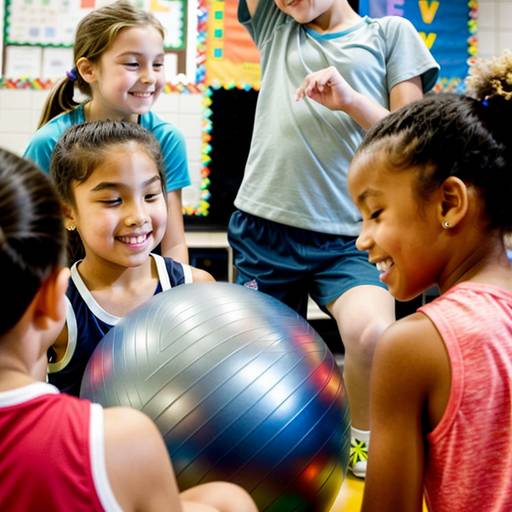
This 2nd Grade Physical Education lesson focuses on developing coordination skills and promoting teamwork among students through engaging activities. The session begins with a warm-up that includes dynamic stretches and a fun game to enhance coordination. Students are then divided into small groups and rotate through three main activities: passing a hula hoop while holding hands, tossing bean bags to each other, and completing a relay race while balancing a soft ball. Each activity encourages communication and collaboration within teams, fostering a spirit of cooperation. The lesson concludes with a group discussion where students reflect on their experiences and feelings about teamwork, followed by a calming cool-down stretch. Throughout the activities, teachers assess students’ abilities to work together and coordinate effectively, ensuring an inclusive environment for all participants. Optional extensions include introducing mini team sports to further practice these skills.
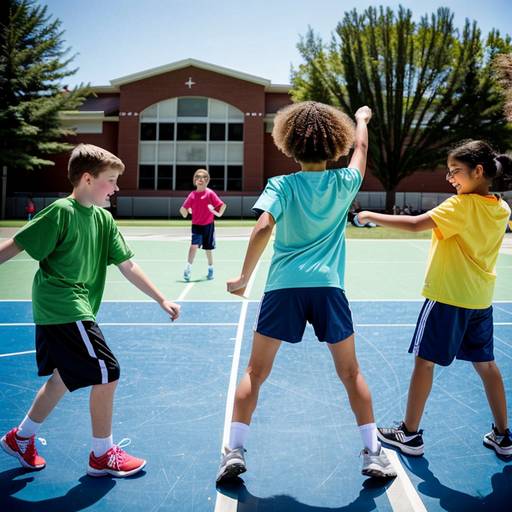
In this physical education lesson for 3rd graders, students focus on developing coordination and teamwork skills through engaging activities. The lesson begins with a brief introduction to the importance of these skills, followed by a dynamic warm-up session.
Throughout the class, students participate in a series of four activity stations designed to promote hand-eye coordination and collaborative efforts. Activities include rolling hula hoops, participating in a bean bag relay, jumping with a cooperative jump rope, and navigating a team obstacle course. Each station encourages communication and strategic thinking among teammates.
After the activities, students cool down with gentle stretches and engage in a reflective discussion, sharing their experiences and the importance of working together. The lesson wraps up by reinforcing the value of coordination and teamwork, highlighting how these skills can be applied in various settings beyond physical education.
Assessment focuses on observation of participation and teamwork, while providing adaptations for different skill levels ensures inclusivity for all students.
In this 1st-grade social studies lesson plan, students will explore the concepts of community and diversity. The lesson begins with a discussion about what a community is and the diverse individuals that comprise it. Students will listen to a picture book that illustrates various cultures and participate in a discussion about the unique contributions of the characters.
Following this, students will engage in an interactive activity where they survey their classmates to learn about different traditions and backgrounds. The class will then create a collaborative community quilt, with each student designing a square that represents their family’s culture or aspirations. The lesson concludes with a reflection on how these diverse contributions strengthen and enrich the community. Assessment includes observing participation, reviewing surveys, and evaluating the quilt squares. Extensions may involve inviting guest speakers or organizing a cultural day, further deepening students’ understanding and appreciation of diversity within their community.
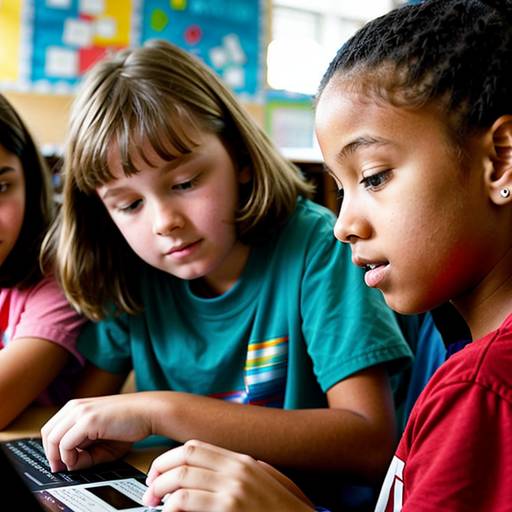
In this 5th-grade technology lesson, students will explore the concepts of technology and innovation through discussion, research, and creative collaboration. The lesson begins with an engaging video highlighting various technological advancements, followed by a class discussion to connect students' personal experiences with technology in their daily lives.
Students will work in small groups to research assigned technological innovations, focusing on their origins, functionalities, and societal impacts. Each group will create a visual poster to present their findings to the class. Presentations will encourage peer engagement and questions, fostering a deeper understanding of the innovations shared.
The lesson wraps up with a reflective discussion, allowing students to share their insights and predictions about future technologies. An exit ticket will assess their understanding by asking them to identify a significant technology they believe will shape the future. This lesson promotes not only knowledge about technology but also collaboration, critical thinking, and creativity among students.
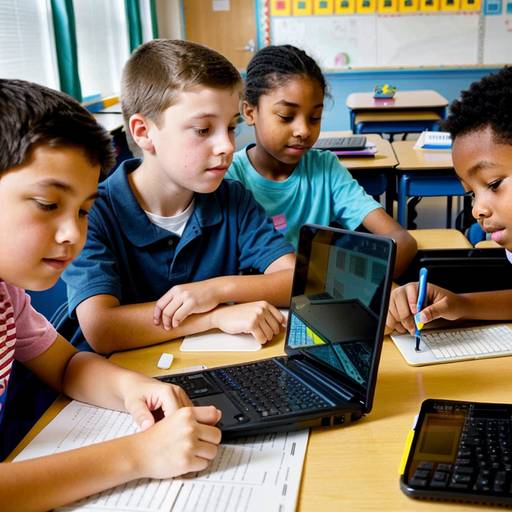
In this 4th-grade technology lesson, students will embark on an introductory exploration of coding and programming languages. The session begins with a discussion about the meaning of coding and its presence in everyday technology, enhancing students' vocabulary with key terms like algorithm and debug. Following this, learners will gain insight into various programming languages and their applications.
The main focus of the lesson involves a hands-on activity where students utilize a block-based coding platform, such as Scratch or Code.org, to create simple animations or games. Through guided instruction, students will learn to navigate the platform, apply various programming blocks to their projects, and develop their own unique creations.
Finally, students will have the opportunity to share their projects with peers, fostering a collaborative environment where they can reflect on their learning experiences and discuss any challenges faced during the coding process. This lesson not only serves to introduce fundamental coding concepts but also encourages problem-solving and creative thinking, setting the stage for future learning in technology and programming.

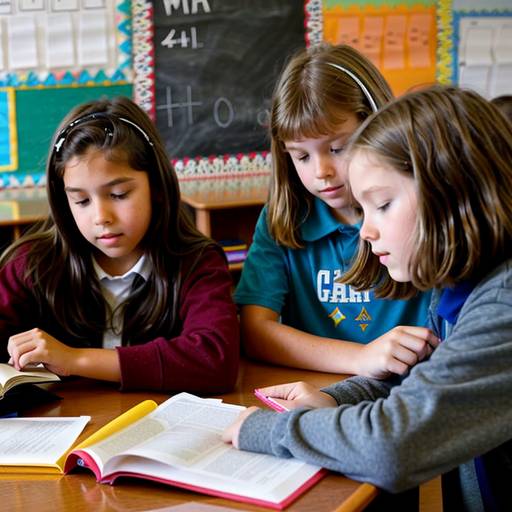
In this 4th-grade Language Arts lesson, students will explore the fundamentals of expository writing, focusing on its purpose and structure. The lesson begins with an engaging discussion to elicit prior knowledge about informative writing. Students will learn about the key components of an expository essay, including the introduction, body paragraphs, and conclusion, through a class reading of a sample essay.
During guided practice, students will collaborate in small groups to brainstorm topics of interest and select one for their essays. They will then create an outline to organize their ideas. In the independent practice phase, students will write the first draft of their expository essay based on their outlines, with the teacher providing support and feedback.
The lesson concludes with a sharing session where students present their main ideas. Assessment will focus on students’ outlines and drafts, evaluating clarity, organization, and completeness. Extensions may involve deeper research or the creation of visual aids. The lesson will also include differentiation strategies to support all learners. Reflection on student engagement and understanding will inform adjustments in future lessons.