
Filters
Level
Grade
Subject
Subject Area
Subject Topic
Standard(s)
Audience
Keyword
DurationMinutes
Elementary School Lesson Plans

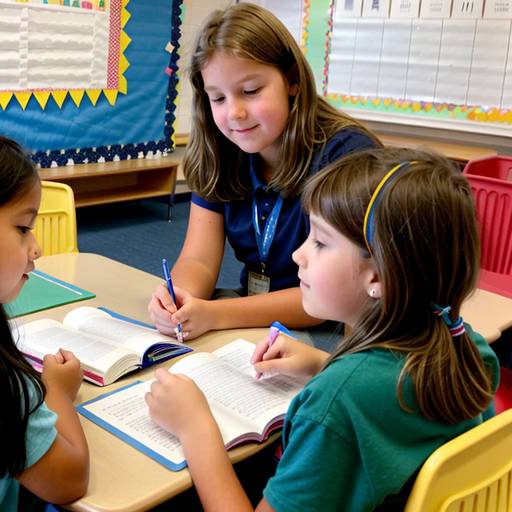
In this 1st grade Language Arts lesson plan, students will explore narrative writing by understanding its structure, which includes a beginning, middle, and end. The lesson begins with a discussion about stories, followed by a read-aloud of a sample story to illustrate key components. Students will collaboratively brainstorm and fill out a Graphic Organizer, learning to identify and organize elements of their own narratives. After receiving writing materials, each student will create their own story using the organizer as a guide, incorporating descriptive language. The lesson concludes with students sharing their narratives with the class or in pairs, followed by the opportunity to illustrate their stories. Assessment will focus on participation and the clarity of the narrative structure, with differentiation strategies in place to support varying levels of ability. An extension activity involves displaying student narratives on a "Story Wall" for further engagement.
In this 5th-grade language arts lesson, students will explore the elements of storytelling as they create their own imaginative stories. The lesson begins with a discussion on the components of a good story, followed by a read-aloud of an engaging excerpt. Students will participate in brainstorming and outline activities, developing characters, settings, and plotlines using a structured template. After collaborating with a partner to refine their ideas, each student will independently draft their story in their journals, focusing on using descriptive language. The lesson concludes with a sharing session where students can present their ideas and favorite excerpts to the class. Assessment will involve reviewing the story templates and drafts to provide feedback on creativity and storytelling elements. Extension activities will involve illustrating scenes from their stories, and differentiation will accommodate varying skill levels among students.
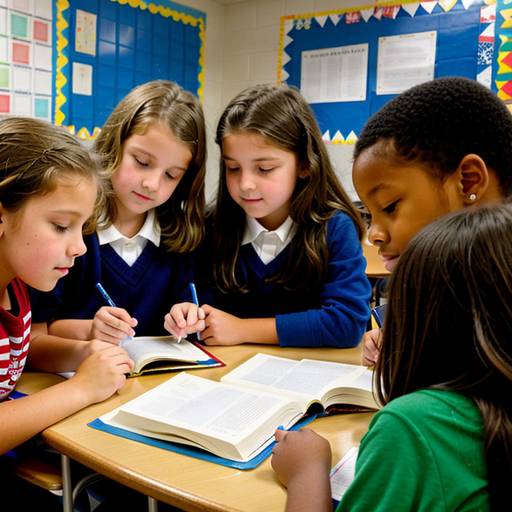
In this fourth-grade Language Arts lesson, students will explore the elements of narrative writing, focusing on characters, setting, conflict, and resolution. The lesson begins with a discussion about favorite stories, identifying key components that make them memorable. Following this, the teacher will introduce the components of narrative writing through direct instruction and guided practice, where students work in pairs to brainstorm and outline their own story ideas using storyboard templates. Afterward, students will independently write short stories based on their outlines, incorporating descriptive language and dialogue. The lesson concludes with opportunities for students to share their stories and engage in peer discussion. Assessment will involve monitoring participation and collecting the storyboards and written stories while providing differentiation to support varying skill levels. Extensions include activities such as illustrating stories or creating a class anthology to engage students further.
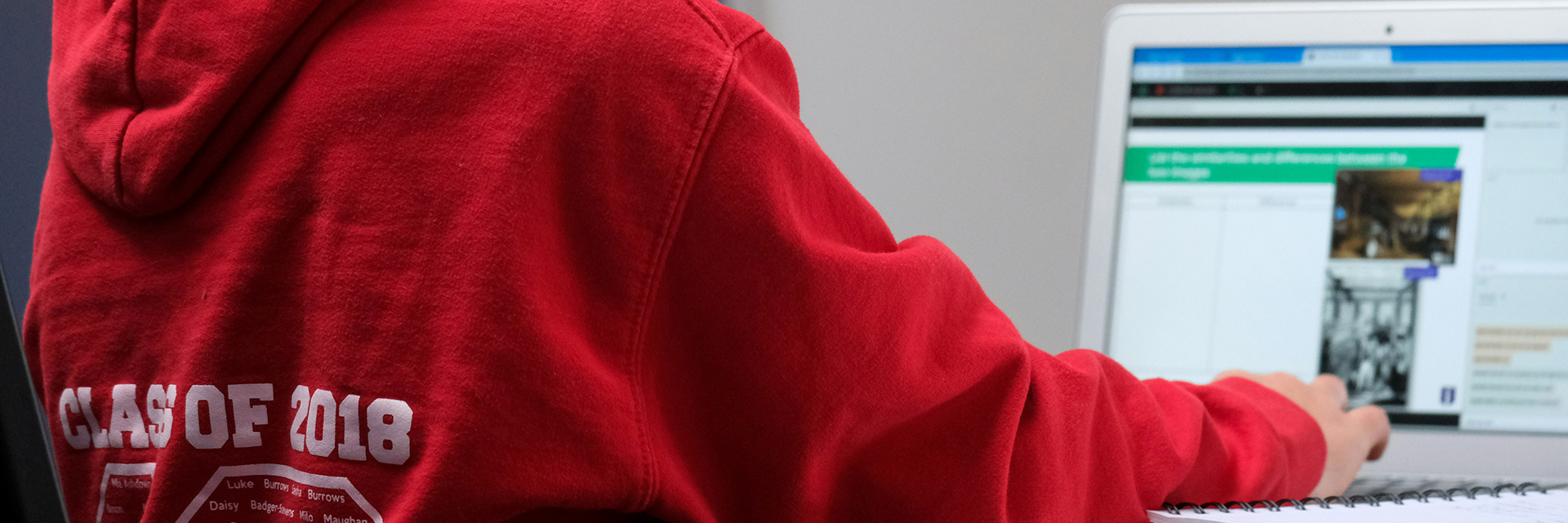
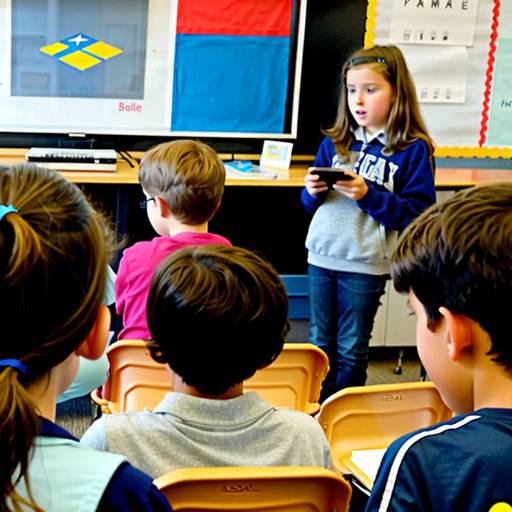
This 4th-grade lesson focuses on multimedia creation and digital storytelling, spanning two to three class periods. Students will begin by exploring the concept of digital storytelling, discussing its key components such as story development, visuals, and audio elements. They will brainstorm ideas and create an outline for their own stories, which they will then develop using multimedia tools.
In the second class, students will receive an introduction to various digital creation platforms and will have hands-on time to design their stories, incorporating images, text, and narration. Peer feedback sessions will foster collaboration and improvement. Finally, students will present their digital stories in a showcase, allowing for sharing and constructive feedback from classmates. The lesson concludes with a reflection and assessment, designed to evaluate their understanding and engagement with the project. Extensions are provided for deeper exploration, including themed stories and opportunities to share their work with parents. Overall, the lesson aims to enhance students' creativity, collaboration, and technology skills in an engaging format.

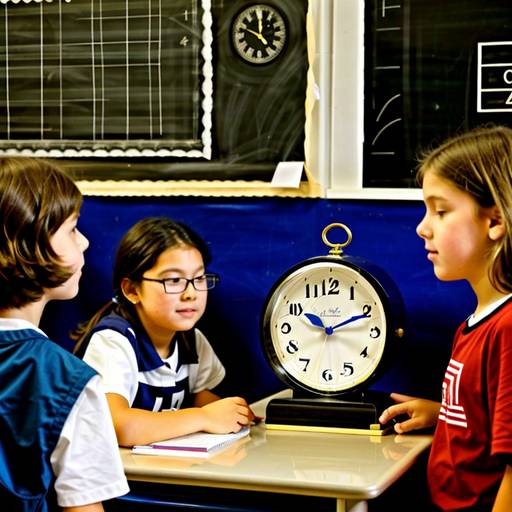
In this 4th-grade math lesson, students will explore the concepts of telling time and understanding time zones. The lesson begins with a discussion highlighting the importance of knowing the time, particularly when traveling and scheduling events. Students will review how to read both analog and digital clocks, followed by an introduction to time zones and how they are divided around the world, utilizing a world map for reference.
Through guided practice, students will engage in a matching activity that pairs cities with their respective time zones and calculate local times based on different starting points. They will also practice drawing times on blank clock faces.
For independent practice, students will complete worksheets featuring problems that require them to read clocks, convert time between zones, and solve word problems related to time and travel. The lesson concludes with a review of key concepts and an exit ticket that allows students to reflect on their learning. Assessment will be conducted through ongoing monitoring and the collection of worksheets to evaluate student understanding. Enrichment opportunities for advanced learners may include discussions on Daylight Saving Time and research projects on global time zones.
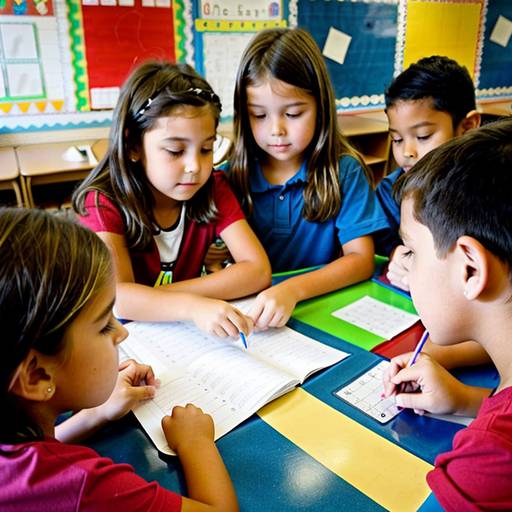
In this 2nd-grade math lesson, students will learn to tell time on both analog and digital clocks while also exploring the concept of elapsed time. The lesson begins with a discussion on the importance of time in daily life, followed by direct instruction that includes reading times aloud and calculating elapsed time through relatable real-life examples.
Students will engage in group activities where they solve elapsed time scenarios, promoting collaboration and communication of their thought processes. After guided practice, each student will complete a worksheet independently to reinforce their understanding.
The lesson concludes with a review of answers and a reflective discussion on the significance of time knowledge, along with an exit ticket for students to express their learning. Assessment will involve monitoring group interactions and reviewing independent work for comprehension. Extensions for early finishers will deepen their engagement with time-related concepts. Overall, the lesson aims to build students' confidence in reading time and calculating durations in everyday situations.
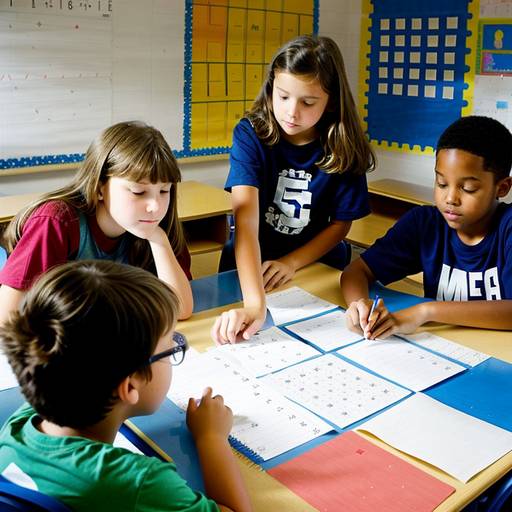
In this 5th-grade math lesson, students will explore the concepts of measurement and time through engaging activities. The lesson begins with a discussion on the significance of measuring time and distance in everyday life, followed by direct instruction on reading analog and digital clocks, as well as measuring lengths with rulers and measuring tapes.
Students will engage in guided practice by working with paper clocks to set times and measuring various classroom items in both inches and centimeters. They will then complete independent worksheets that include word problems related to elapsed time and distance calculations, allowing them to apply their newly acquired skills.
The lesson concludes with a review of key concepts through Q&A and encourages students to understand the importance of accuracy in both timekeeping and measurement. An optional extension activity allows for further exploration by calculating walking pace over a specific distance. The overall goal is to enhance students' confidence and competence in measurement and time, making these essential skills relevant and practical.
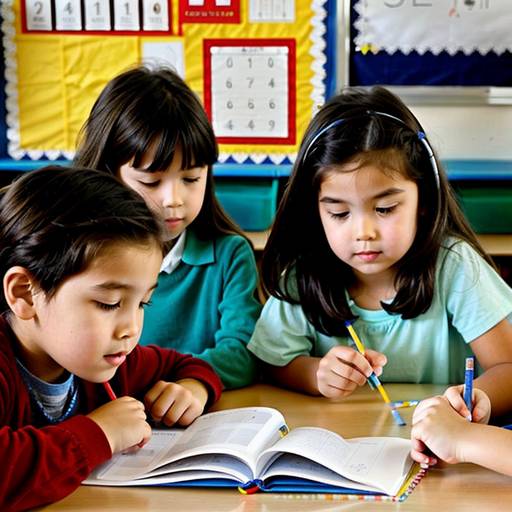
This lesson focuses on teaching first-grade students the concepts of time and measurement. The objectives include helping students learn to read the hour on an analog clock and measure objects using non-standard units, such as paperclips and cubes. The lesson begins with an introduction to the importance of time, followed by direct instruction on reading clocks and measuring objects. Students engage in guided practice activities, where they work in groups to measure various classroom items and practice telling time using worksheets. Independent practice involves drawing their favorite activities and identifying the time they occur, along with measuring objects at their desks. Assessment occurs through worksheet reviews and observation of group work. Differentiation strategies are incorporated to accommodate varying skill levels, and extensions encourage real-life application of the concepts learned. The lesson concludes with a reflection on its effectiveness and areas for improvement.
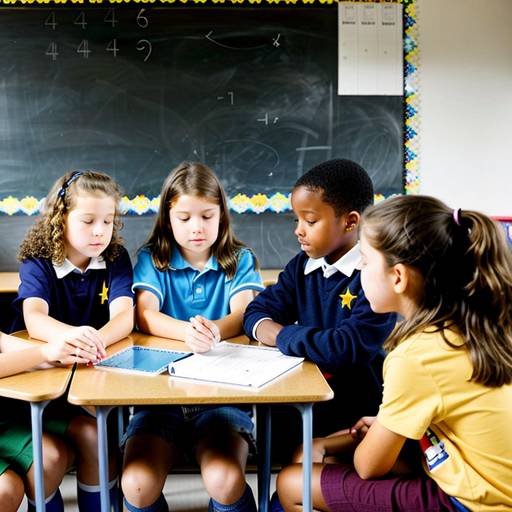
In this 3rd-grade math lesson, students will explore the concepts of time and time patterns. The session will start with an engaging discussion about different ways to tell time, followed by direct instruction using an interactive clock. Students will practice reading analog and digital times and discuss the significance of AM and PM.
During guided practice, they will work in pairs to reinforce their clock-reading skills, followed by an interactive discussion on time patterns, which will help them recognize sequences. For independent practice, students will complete worksheets that involve drawing clock hands, filling out time charts, and solving word problems related to time.
The lesson will also include a creative group activity where students will work together to create posters illustrating time patterns using drawings and other materials. Finally, the session will conclude with a review of key concepts and an exit ticket to assess individual understanding. Differentiation strategies will be employed to support varied learning needs among students. Overall, the lesson aims to foster a solid understanding of time and its patterns through interactive and collaborative learning experiences.
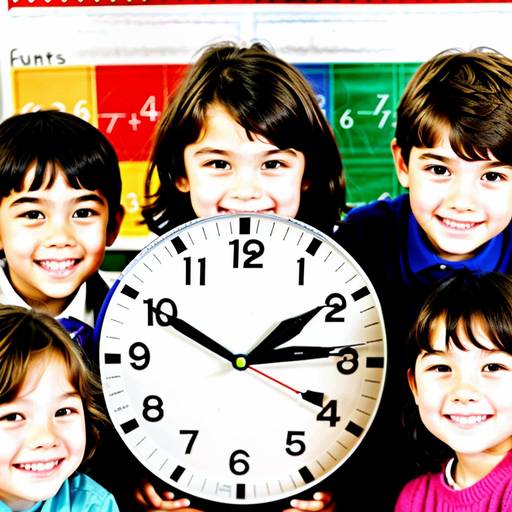
In this 1st-grade math lesson, students will learn how to tell time on an analog clock, focusing on both full hours and half hours. The lesson begins with an engaging introduction to clocks, followed by direct instruction on reading time and recognizing time patterns. Students will participate in guided practice by moving the hands on individual paper clocks to match spoken times and creating time patterns in pairs using pattern cards. They will further solidify their understanding through a worksheet activity, where they record times and devise their own time patterns. The class will end with a review of key concepts, encouraging students to share their creations and rewarding their participation. Assessments will include monitoring student engagement and reviewing their worksheets to ensure comprehension. Adjustments will be made to cater to different learning needs, with a homework assignment that encourages them to observe and record times at home.