
Filters
Level
Grade
Subject
Subject Area
Subject Topic
Standard(s)
Audience
Keyword
DurationMinutes
Elementary School Lesson Plans

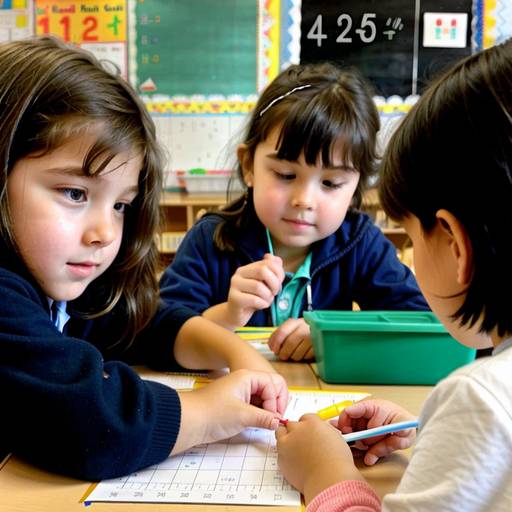
In this 1st-grade math lesson, students will explore the concepts of measurement and temperature through interactive activities. The lesson begins with a discussion on measurement and temperature, introducing non-standard units and the basics of reading a thermometer.
Students will then work in small groups to measure various classroom items using blocks, paper clips, or yarn, recording their findings on worksheets. They will share their results with the class, promoting collaboration and communication.
Next, students will participate in an engaging temperature experiment by interacting with cups of water at different temperatures, allowing them to identify and label how they perceive the warmth or coolness of each sample.
The lesson concludes with a review of the key concepts covered and an exit ticket activity where students reflect on one measurement they made and a temperature they learned about. Overall, the lesson emphasizes hands-on learning and real-life applications, making measurement and temperature concepts accessible and enjoyable for young learners.
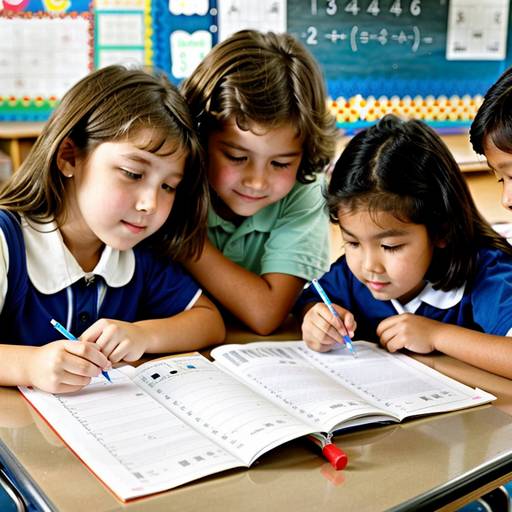
In this 2nd-grade math lesson, students will explore the concepts of measurement and temperature through hands-on activities and collaborative learning. The session begins with an introduction to measurement, where students discuss their experiences and tools used for measuring objects. They will learn how to read a thermometer, understanding the significance of temperature readings.
Students will engage in guided practice by working in small groups to measure various classroom items using rulers or non-standard units and record temperatures with thermometers. Each student will independently measure and document one object while comparing temperature readings with a peer.
The lesson concludes with a class discussion, allowing students to share their findings and insights on the relationships between measurement and temperature. Assessment will be conducted through observation during group activities and by reviewing their completed worksheets for accuracy. Extensions may include exploring weather forecasts and conducting measurement scavenger hunts. This comprehensive lesson aims to enhance students’ understanding of measurement and temperature while promoting teamwork and critical thinking.
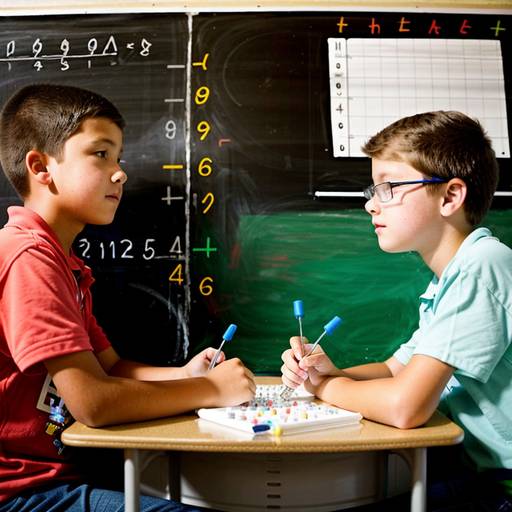
This 5th-grade math lesson focuses on measurement and temperature, helping students understand how to measure temperature and convert between Celsius and Fahrenheit. Beginning with an engaging introduction about the role of thermometers in everyday life, the lesson progresses to direct instruction on temperature units and conversion formulas. Through guided practice in small groups, students gain hands-on experience measuring different temperatures and applying conversion formulas to real-world scenarios. Independent practice involves completing a worksheet with temperature conversions and a mini temperature diary. The lesson concludes with a review of key concepts and an opportunity for questions. Assessment methods include evaluating completed worksheets and observing group collaboration. Extensions involving art and science are provided for further engagement, while modifications offer support for diverse learning needs. Overall, this lesson aims to foster a practical understanding of temperature in both mathematical and real-life contexts.
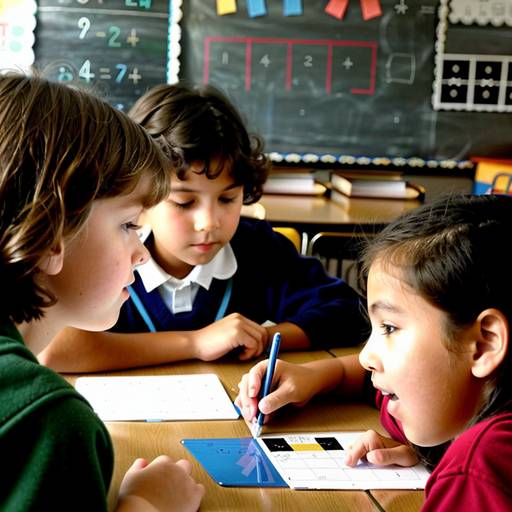
In this 3rd-grade math lesson focused on measurement and temperature, students will learn how to read thermometers and understand the differences between Celsius and Fahrenheit. The lesson begins with a discussion about the significance of temperature in daily life, followed by a demonstration of how to read a thermometer. Students will engage in guided practice by measuring the temperature of ice water and hot water, converting their results between Celsius and Fahrenheit.
After that, they will independently estimate temperatures based on given scenarios and complete temperature conversions using provided charts. The class will regroup to share findings and reinforce key concepts learned during the lesson. Assessment will occur through observation and worksheet completion to ensure understanding. Extensions may include a classroom weather project, encouraging students to apply their learning in real-world contexts. This hands-on approach aims to enhance students' grasp of temperature measurement while developing their overall math skills.
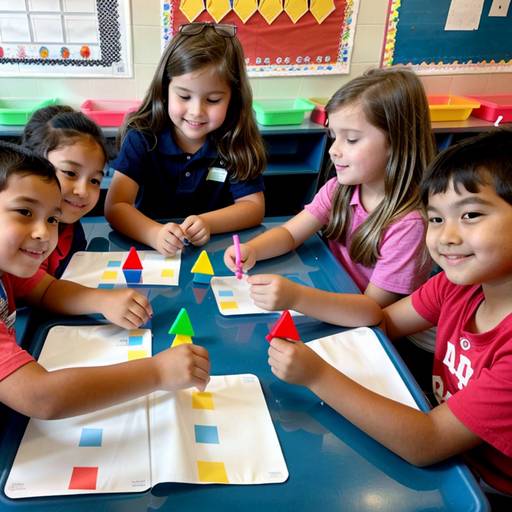
This 1st-grade math lesson focuses on measurement and temperature, aiming to help students understand the concepts of hot and cold while learning to use a thermometer. The lesson begins with an engaging discussion to introduce temperature and its relevance in daily life. Students then receive direct instruction on reading thermometers and categorizing images as hot or cold.
The hands-on activity involves pairs of students measuring the temperature of water in bowls containing ice cubes and warm water using their thermometers, followed by recording their findings and creating their own thermometer drawings.
The lesson concludes with a group discussion to share observations and reinforce learning. Assessment is based on observations during activities and the accuracy of students' temperature recordings. Extensions include a daily weather chart and a temperature diary, while adaptations are provided for students who need additional support. Overall, this lesson fosters a practical understanding of measurement through interactive and collaborative experiences.
In this 4th-grade math lesson, students will explore the concepts of measurement and temperature. They will learn about temperature scales, specifically Celsius and Fahrenheit, and how to convert between the two using established formulas. The lesson begins with an engaging discussion on the significance of temperature in daily life, followed by direct instruction on temperature measurement techniques with thermometers.
Students will participate in guided practice by measuring classroom temperatures and converting readings between Celsius and Fahrenheit. They will then engage in an independent activity where they research the current temperature in a city of their choice, complete with conversions, and present their findings in a brief 'weather report' format.
Throughout the lesson, assessment will focus on participation, worksheet completion, and the accuracy of the presentations. Adaptations will be made for varying skill levels, ensuring that all students can grasp the key concepts of measurement and temperature, while also connecting their learning to real-world applications.
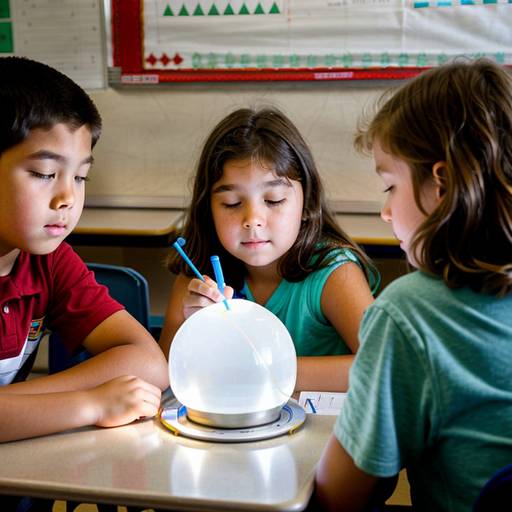
This lesson plan focuses on teaching 4th-grade students about measurement and temperature. The objectives are to help students understand temperature concepts and how to accurately measure it using thermometers in both Celsius and Fahrenheit. The lesson begins with a discussion on the significance of temperature in everyday life, followed by a demonstration on reading thermometers. Students then engage in a hands-on group activity where they measure the temperatures of various liquids, recording their findings. After the group activity, students individually complete worksheets that include temperature conversion and related word problems. The session concludes with a review of key concepts and an exit ticket to reinforce learning. Assessment methods include monitoring participation, reviewing worksheets, and evaluating group discussions. The lesson is designed to be inclusive and offers modifications for varying skill levels, along with extensions for further exploration of temperature measurement and weather tracking.
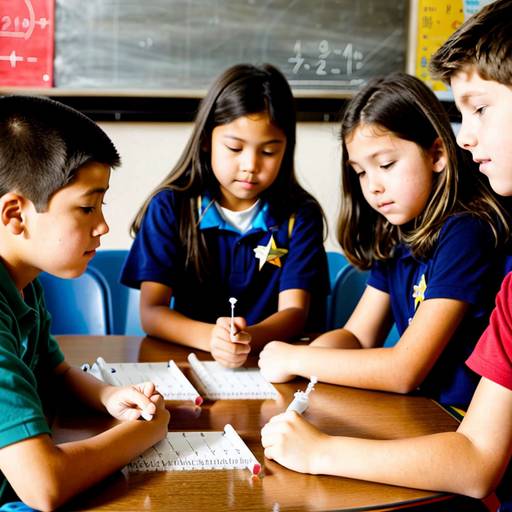
In this 5th-grade math lesson focused on measurement and temperature, students will learn how to measure temperature in both Celsius and Fahrenheit, as well as how to convert between the two units. The lesson begins with an interactive discussion about temperature and its importance in daily life, followed by direct instruction on reading thermometers and performing temperature conversions using established formulas.
Students will then engage in guided practice by working in pairs to complete a worksheet that reinforces their conversion skills. They will subsequently choose a city from around the world, research its current temperature in both measurement systems, and reflect on the differences in climate.
For a closing activity, students will create bar graphs to visually compare the temperatures of their chosen cities and discuss the broader applications of temperature measurement. Throughout the lesson, assessments will focus on students’ completion of the worksheet, participation in discussions, and the accuracy of their graphs. Extensions and adaptations are included to support diverse learners, ensuring that all students can engage meaningfully with the content.
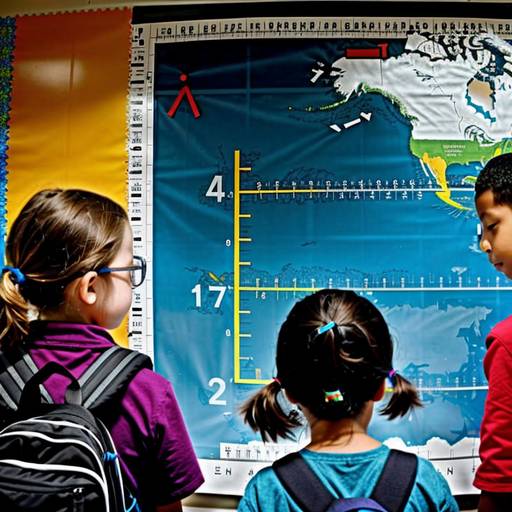
In this 60-minute math lesson for 2nd graders, students will explore the concepts of measurement and temperature through interactive activities. The lesson begins with a discussion about the importance of measurement in everyday life, introducing units such as inches, feet, and centimeters.
Students will then work in pairs to measure three different classroom objects using rulers or measuring tapes, recording their findings in both inches and centimeters. This hands-on activity encourages collaboration and reinforces their understanding of length measurement.
Next, students will learn to read a thermometer and observe outdoor or window-side temperatures, recording their findings. This segment emphasizes the concepts of hot, warm, and cold while fostering discussions about how temperature affects daily life.
Finally, students will participate in a group discussion to reflect on their learning experiences regarding measurement and temperature, sharing insights and observations. Assessment will involve reviewing students' worksheets and observational assessments during activities, while opportunities for extension involve tracking daily temperatures in class and relating temperature to weather and activities.

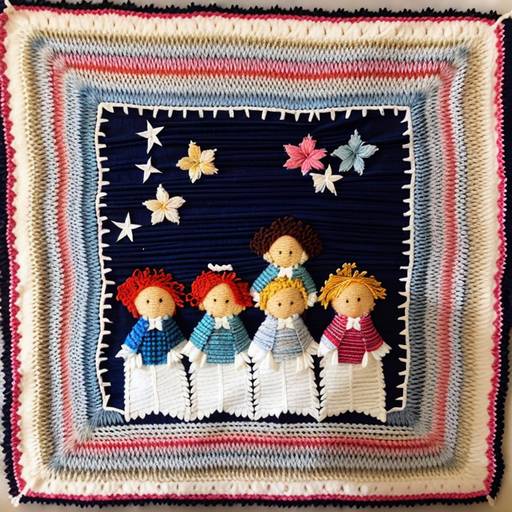
In this 2nd-grade art lesson, students will explore the world of fiber arts through a hands-on weaving activity. The lesson begins with a discussion about fiber arts, encouraging students to share their experiences with fabric and yarn. They will learn key vocabulary related to the topic and view examples of different fiber art forms. After demonstrating a basic weaving technique using cardboard looms, students will create their own woven pieces using colorful yarn. The activity allows them to experiment with patterns and colors while practicing fine motor skills. Students will then share their creations, reflecting on their experiences and the artistic process. The lesson concludes with a clean-up session and provides opportunities for extension activities for those who finish early. Adaptations are also included to support students with varying skill levels. Overall, this lesson fosters creativity and appreciation for fiber arts.