
Filters
Level
Grade
Subject
Subject Area
Subject Topic
Standard(s)
Audience
Keyword
DurationMinutes
Elementary School Lesson Plans

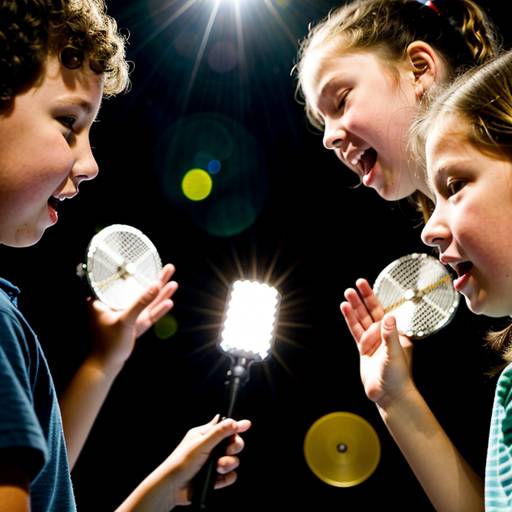
In this 60-minute music lesson for 5th graders, students will explore the concept of harmony through interactive activities and group singing. The lesson begins with an introduction to harmony, prompting students to share examples of songs that feature harmonization. Following a vocal warm-up that includes practicing scales and intervals, students will listen to recordings of harmonious songs, discussing their feelings and observations about the different vocal parts.
Students will then be divided into two groups, with one group learning the melody and the other practicing the harmony of a simple, familiar song. Through collaborative practice, they will receive guidance on blending their voices and supporting each other musically. The lesson will culminate in a performance where the entire class sings together, with opportunities for students to take leadership roles in either the melody or harmony.
The session wraps up with a discussion on their experiences and insights regarding harmony, supported by an exit ticket assessment to reflect on what they learned and enjoyed. Extensions to the lesson encourage further exploration and sharing of harmonious songs at home, enriching their musical understanding and engagement.

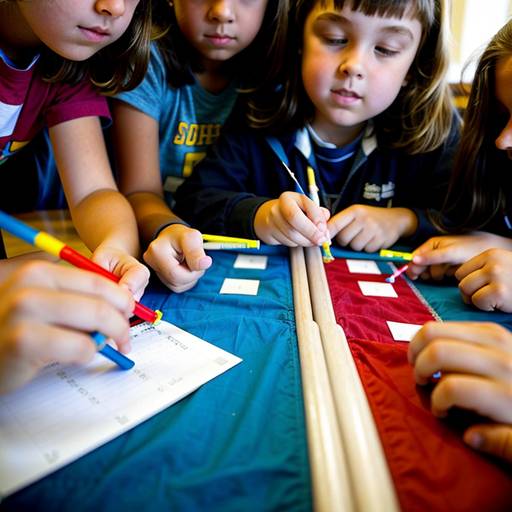
This 4th-grade math lesson plan focuses on teaching students about measurement and length, emphasizing the importance of these concepts in everyday life. The lesson begins with an introductory discussion, where students explore real-world applications of measurement. Through direct instruction, they learn to use rulers and measuring tapes, becoming familiar with standard units such as inches, feet, centimeters, and meters, as well as unit conversions.
During guided practice, students work in pairs to measure various objects, recording their findings in a worksheet. This is followed by an independent activity that reinforces their understanding through measurement problems and practical applications. The lesson concludes with a class discussion where students share their experiences and measurements, guiding a brief review quiz to assess comprehension.
To accommodate diverse learning needs, differentiation strategies are incorporated, providing challenges for advanced learners while offering additional support for those who need it. Assessment focuses on students’ accuracy in measurement and understanding of the concepts. Extension activities, such as a home project that involves measuring items at home and the introduction of digital measuring tools, encourage further engagement and application of skills learned in class.

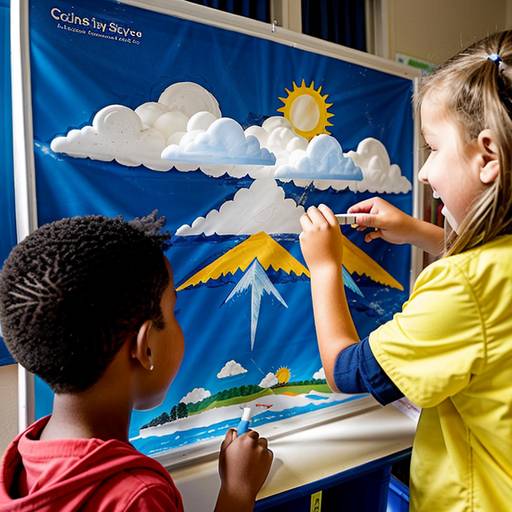
In this 1-hour Earth Science lesson for 2nd graders, students will explore different types of weather and learn about weather patterns. The lesson begins with a short video showcasing various weather conditions, which sparks a discussion about students' personal experiences with weather. Next, students will engage in an interactive activity where they identify weather types using picture cards and contribute to a collective weather chart.
Through a game where they act out different weather types, students gain a deeper understanding of each condition. The lesson then shifts focus to tracking weather patterns using a Weather Diary, which students will maintain at home over the week. To reinforce their learning, students will create their own artistic interpretations of different weather scenes, sharing them with their classmates. The lesson culminates with a recap of key concepts, preparing students to observe and document weather in their daily lives. Assessment will be based on student participation and the accuracy of their Weather Diary entries. Additionally, opportunities for extensions, such as studying local climate patterns or inviting a meteorologist to speak, are included to enhance learning.

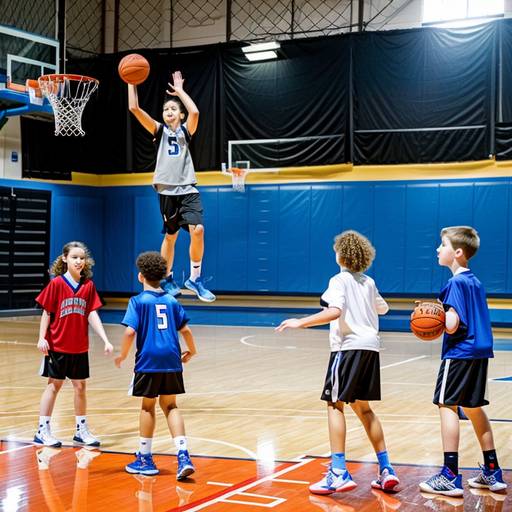
This lesson plan is designed for third-grade students to introduce them to the basic skills of basketball, including dribbling, passing, and shooting. The session begins with a dynamic warm-up to prepare their bodies and foster engagement. Students will learn proper techniques for dribbling and passing, practicing these skills in pairs. They will then rotate through skill stations to further develop their abilities in a fun, structured manner.
Following the skill development, students will participate in small team scrimmages to apply what they’ve learned in a game-like setting, promoting teamwork and sportsmanship. The lesson concludes with a cool-down session and a group discussion, allowing students to reflect on their experiences and share their thoughts on the importance of collaboration in sports. Throughout the lesson, the instructor will assess participation and offer feedback to encourage growth and enjoyment of the game. Adaptations for different skill levels are included, ensuring inclusivity for all students. The lesson also provides extension opportunities for practice beyond the classroom.
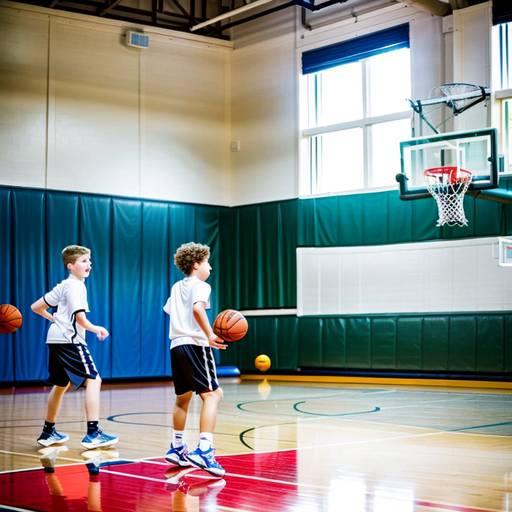
This 5th-grade physical education lesson focuses on developing fundamental basketball skills, including dribbling, passing, and shooting. The 60-minute class begins with a brief introduction to the sport, followed by a warm-up with dynamic stretches. Students then participate in a series of skill development drills, where they practice dribbling through cones, executing various types of passes with partners, and shooting from designated spots on the court.
After skill practice, students are divided into small teams to engage in mini basketball games, applying the rules they've learned while fostering teamwork. The lesson concludes with a cool down consisting of static stretches and a group discussion where students reflect on their experiences and what they learned.
Assessment is based on observation of skill execution and teamwork during activities. The lesson also includes adaptations for inclusivity and challenges for advanced students, ensuring all participants are engaged and able to improve their basketball skills.
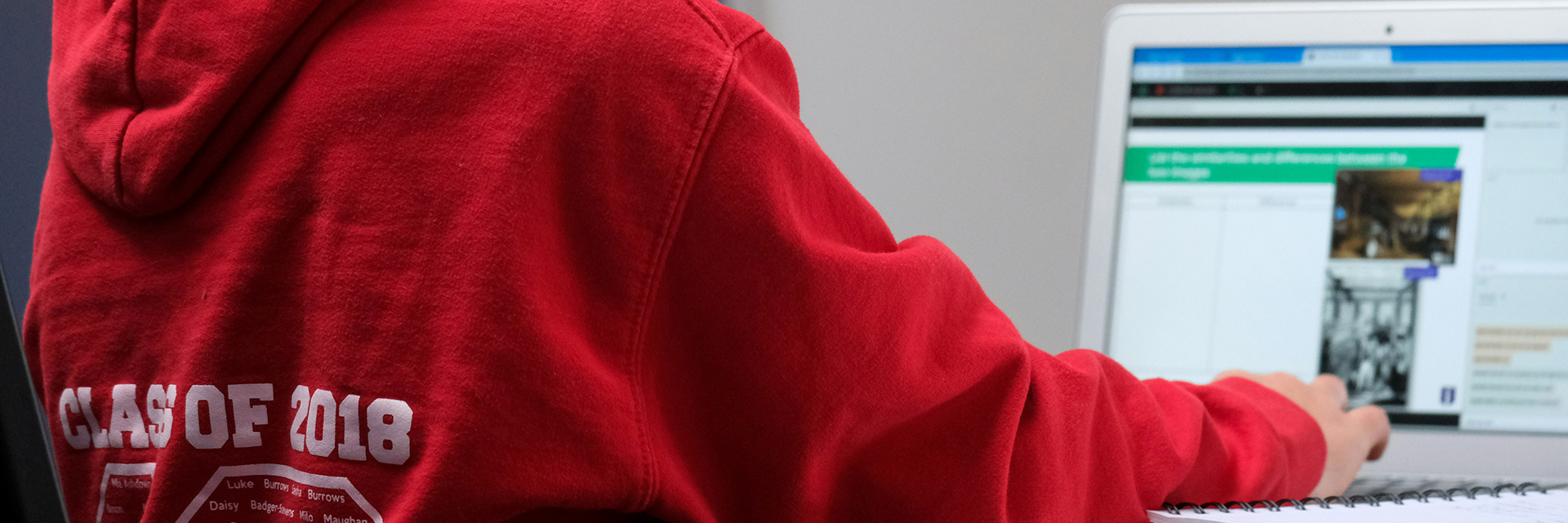
This 2nd-grade technology lesson focuses on digital citizenship and online safety. Students will explore the importance of responsible online behavior through interactive discussions, group activities, and scenario analysis. They will learn to identify safe and unsafe online practices, the significance of keeping personal information private, and how to create strong passwords. The lesson will include a KWL chart to assess prior knowledge and curiosity, allowing students to reflect on their learning at the end. By participating in group discussions and completing worksheets based on digital safety scenarios, students will develop skills to navigate the online world safely. Additionally, they will share their newfound knowledge with family members as part of their homework. The lesson aims to empower students with the tools they need to be responsible digital citizens.
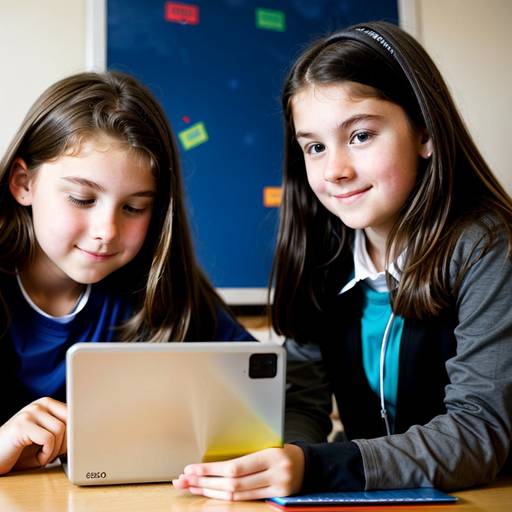
This 5th-grade technology lesson focuses on developing students' internet skills and ensuring their online safety. During the session, students will learn effective search strategies to find reliable information and understand the concept of digital footprints, discussing their long-term implications. Key internet safety tips will be introduced, covering the importance of keeping personal information private and recognizing suspicious online behavior.
The lesson includes a guided practice activity where small groups discuss real-life scenarios related to online safety and complete an Internet Safety Checklist. For independent practice, students will create a digital footprint chart to reflect on their online activities and their potential impacts. The lesson concludes with a review of key concepts and encourages students to share their insights on responsible internet use. Assessment will be based on participation and the completion of handouts, with opportunities for extension through poster creation and follow-up lessons on privacy settings. Overall, the lesson aims to equip students with vital skills for navigating the digital world safely.
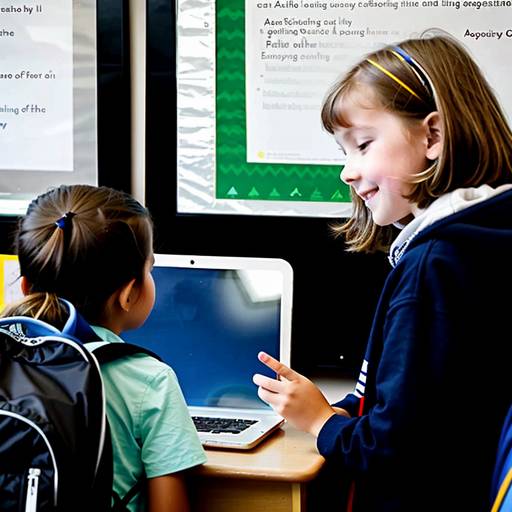
In this first-grade technology lesson, students will explore essential internet skills and learn about internet safety through engaging discussions, presentations, and interactive activities. The lesson begins with students sharing their online interests, followed by a presentation that covers important topics such as personal information, safe websites, and distinguishing between friends and strangers online.
Students will then participate in a role-playing activity in small groups, where they will act out various scenarios related to internet safety and discuss appropriate responses. Afterward, each student will complete an Internet Safety Pledge, reinforcing their commitment to safe online practices. The session concludes with a recap of key points and an opportunity for students to ask questions, ensuring a solid understanding of safe behaviors while navigating the internet. Assessment will be based on observation during activities and the completion of the pledge. Adaptations will be provided for different learner needs, making the lesson accessible and engaging for all students.
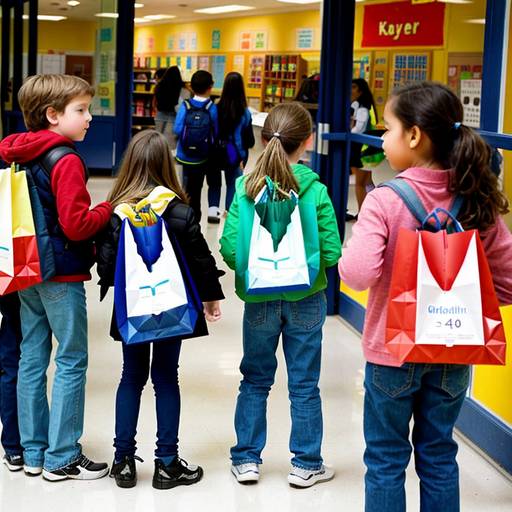
In this engaging 4th-grade lesson, students explore essential concepts related to money, budgeting, and smart spending through interactive activities. The lesson begins with a discussion on the importance of money in everyday life, introducing key vocabulary such as "budget," "expenses," "savings," and "spending." Students learn how to create a simple budget and categorize expenses as needs or wants.
The main activity involves dividing students into small groups, where they receive a set amount of play money to "shop" in a mock store stocked with labeled items. Each group must fill out a budget worksheet while keeping track of their spending and making decisions about their purchases. Afterward, groups present their shopping choices and explain their budgeting strategies to the class.
The lesson concludes with a reflective discussion on the challenges faced in staying within a budget and the importance of distinguishing between needs and wants. Assessment focuses on group participation, completed worksheets, and student reflections on their learning experience. Extensions for the lesson include discussions about saving for larger items and an introduction to understanding interest in future lessons, equipping students with essential life skills in money management.
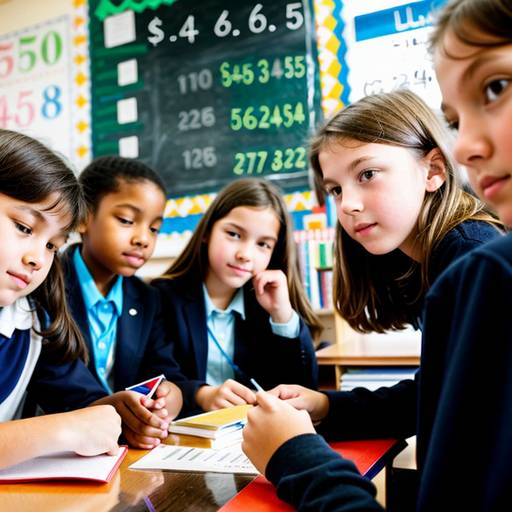
This 5th-grade math lesson focuses on teaching students the fundamentals of money management, specifically budgeting and smart spending practices. The lesson begins with a group discussion to define budgeting and its significance in financial decision-making. Students learn key concepts such as income, expenses, and savings, and follow a series of structured steps to create a simple budget.
Through guided practice, students work in small groups to tackle real-life scenarios that require them to allocate a set income across various expenses, reinforcing the distinction between needs and wants. They then engage in individual practice by completing a budgeting worksheet that encourages them to make thoughtful spending choices.
Throughout the lesson, students are encouraged to reflect on their budgeting decisions and share their experiences with peers. Assessment is based on their completed budgets and participation in discussions. Extensions are provided for both advanced and struggling students, ensuring that all learners can engage with the material effectively. Overall, the lesson equips students with valuable skills for managing their finances in the future.