
Filters
Level
Grade
Subject
Subject Area
Subject Topic
Standard(s)
Audience
Keyword
DurationMinutes
Elementary School Lesson Plans

This art lesson plan for fourth-grade students focuses on introducing them to basic printmaking techniques using everyday materials. Over the course of two to three class periods, students will engage in hands-on activities that inspire creativity and exploration. Initially, they will learn about printmaking and the materials involved, including Styrofoam and brayers, while discussing the elements of good design.
In the first session, students will create their own printing plates by sketching designs on Styrofoam and then applying paint to prepare for printing. They will incorporate natural objects to enhance the textures of their prints. The subsequent class will allow them to transfer their designs onto heavyweight paper, generating multiple prints and experimenting with various techniques.
By the final session, students will have the opportunity to add finishing touches to their artwork and present their prints in a gallery-style format, allowing for peer observation and feedback. The lesson emphasizes creativity, engagement with nature, and collaboration, while also addressing art standards related to creation, response, and connection to the world. Assessment will focus on participation, originality, and presentation, fostering a reflective discussion about the creative process and the relationship between art and nature.
This lesson plan for 5th-grade students focuses on exploring art history and various art movements through a two-day activity. In the first class, students engage in discussions about what makes art significant and are introduced to key art movements such as Impressionism, Cubism, Surrealism, and Abstract Art. Working in small groups, they create posters that highlight the characteristics, notable artists, and historical context of their assigned movement, which they then present to the class.
On the second day, students use their learned knowledge to create their own original artwork inspired by their favorite movement. They have the freedom to choose from a variety of materials and techniques, allowing them to express their interpretations creatively. After completing their artwork, students participate in a gallery walk where they display their pieces and explain the influence of the selected art movement on their creations. The assessment focuses on participation, creativity, and the ability to articulate their artistic choices. Extensions include reflective writing on their learning experience and the option to explore digital art tools. The lesson encourages collaboration, creative expression, and a deeper understanding of how art reflects historical and cultural contexts.
In this 5th-grade art lesson plan, students will embark on an exploration of art history, focusing on famous artists and their contributions to various art movements. The lesson is divided into two class periods. In the first session, students will engage in a discussion about the significance of art, followed by a presentation that introduces several renowned artists and their defining styles and movements. After the presentation, students will work in small groups to research specific art movements and the artists associated with them.
In the second session, students will select an artist that inspired them and create their own artwork using techniques and styles reminiscent of that artist. This hands-on activity will encourage creativity and personal expression. As a culmination of the lesson, students will share their artwork with the class, discussing how their chosen artist influenced their creation. Assessment will focus on participation, the research worksheet, and the quality of the artwork presented. Extension activities may include creating artist trading cards or organizing a field trip to a local art museum, enhancing students' appreciation of the artists they studied.
In this 3rd-grade art lesson, students will explore the lives and works of three renowned artists: Vincent Van Gogh, Claude Monet, and Pablo Picasso. The lesson begins with an engaging discussion about art, where students share their preferences and thoughts. Following this, the teacher introduces each artist through visual examples and highlights their unique styles and contributions to the art world.
Students will then participate in a class discussion to deepen their understanding of the artists' techniques and emotional impacts of their works. Afterward, they will create their own artwork inspired by the artist of their choice, using colorful materials to incorporate elements from their chosen style.
The lesson concludes with student presentations, allowing them to share their creations and the inspirations behind them. Assessment will focus on participation, effort, and the ability to articulate their artistic choices. Finally, the teacher will reflect on the lesson's effectiveness and gather student feedback for future improvements.
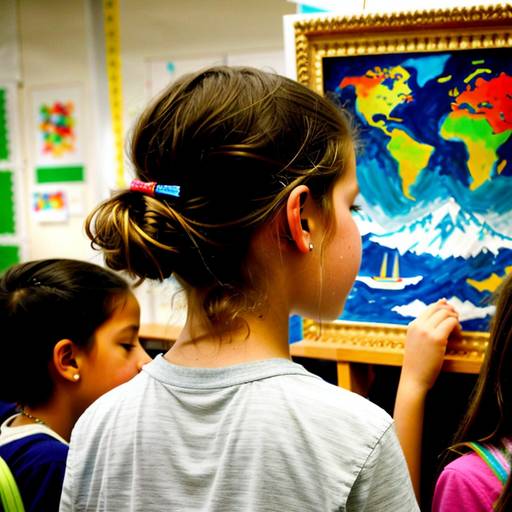
In this 3rd-grade art lesson, students will explore various art movements, specifically focusing on Impressionism, Cubism, and Abstract Art. They will begin with an engaging discussion about the significance of art in culture and history, learning how different movements reflect their times. Through visual examples, students will discover the unique characteristics of each style and the artists behind them.
After a brief overview, students will work in small groups to create informative posters that highlight key elements of their assigned art movement, including notable artists and artworks. Each group will present their poster to the class, fostering collaboration and creativity. Following this, students will individually create their own artwork inspired by the movement of their choice, applying elements learned during the lesson.
The class will wrap up with a reflection period where students can share their artwork with peers, discuss their creative process, and articulate what they have learned about the influence of different art styles. Assessment will be based on participation in group activities, poster creation, and the completed individual artworks. This lesson encourages a deeper appreciation of art history while promoting creativity and self-expression among young learners.
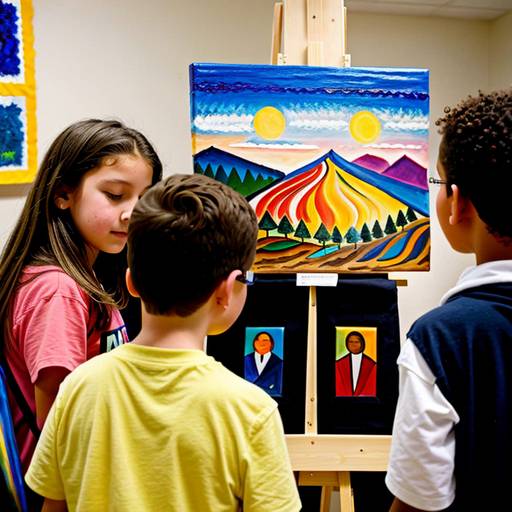
In this 5th-grade art lesson, students will explore the evolution of art through various historical movements, gaining insights into the cultural contexts that shaped them. The lesson begins with an engaging discussion about the meaning of art, followed by a presentation showcasing major art movements such as Impressionism, Cubism, and Surrealism. Students will examine key characteristics of these movements and observe how they differ from one another.
Following the presentation, students will select one movement that intrigues them and create their own artwork inspired by its distinctive elements. Utilizing various art materials, they will have the opportunity to express their creativity while incorporating features from their chosen movement. After completing their projects, students will participate in a gallery walk to display their work, exchange positive feedback, and appreciate each other's artistic expressions.
The lesson concludes with a discussion, allowing students to share their artistic inspirations and reflect on the importance of understanding art history. Assessment will be based on participation, creativity in their artwork, and engagement during the gallery walk. Optional extensions include a homework assignment for further exploration of additional art movements and a potential class art show to celebrate their creations.
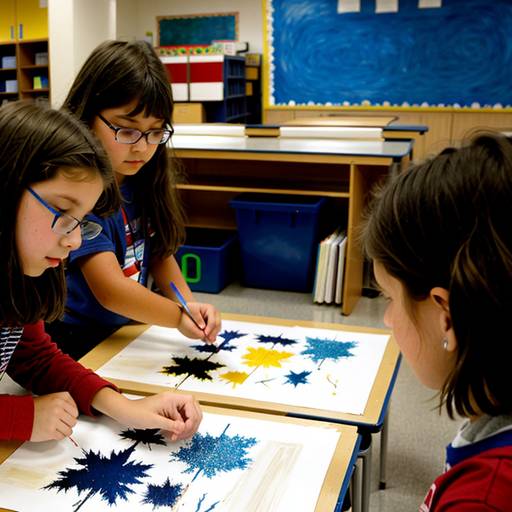
In this 5th-grade art lesson, students explore the exciting techniques of printmaking, specifically monoprinting and relief printing. Over two class sessions, they begin by learning about the history and applications of printmaking through discussion and visual examples. The teacher demonstrates both techniques, guiding students in planning their own unique designs. In the second session, students create their prints using the techniques learned, experimenting with color and texture. The lesson culminates in a gallery walk where students showcase their artwork and articulate their creative process. The assessment focuses on participation, creativity, and understanding of the techniques, while differentiation strategies provide support to diverse learners. Overall, this engaging lesson fosters artistic expression and critical thinking in a hands-on environment.
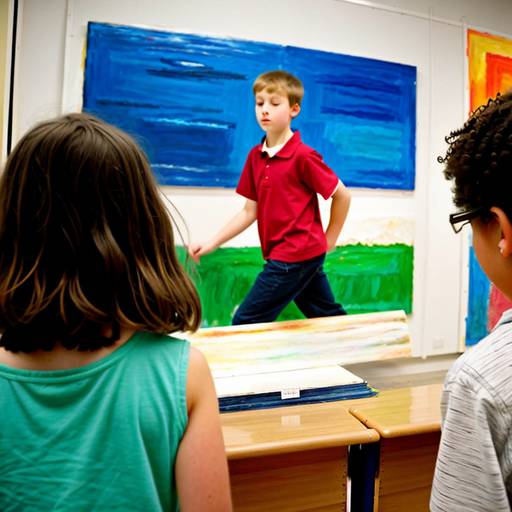
In this 4th-grade art history lesson, students will explore various art periods, including Impressionism, Cubism, and Pop Art, to understand their defining characteristics. The lesson begins with a discussion about the significance of art and a presentation of iconic artworks from different periods. Students will work in small groups to investigate and present information on assigned art movements, fostering collaboration and critical thinking. Following the presentations, each student will create their own mixed-media artwork inspired by their favorite art period, incorporating its distinctive elements. The lesson concludes with a class gallery walk, where students share their creations and reflect on what they learned, promoting both artistic expression and an understanding of art history. Assessment will focus on participation, creativity, and the connection between their artworks and the art movements studied. Additionally, options for extending the lesson to further engage with art history concepts are included.
In this 4th-grade art lesson, students will embark on an engaging journey through various art movements in history, such as Impressionism, Cubism, Surrealism, and Abstract Expressionism. The lesson begins with a brief overview of these movements, accompanied by visual examples of famous artworks to highlight their unique characteristics.
Following this introduction, students will collaborate in small groups to discuss their assigned art movement, observing and sharing their insights about the styles and themes presented. After the group discussions, the students will create their own artwork inspired by the techniques and emotions associated with the movement they found most appealing. They will have the freedom to experiment with various art supplies and develop their own interpretations of the styles.
As the lesson wraps up, students will display their creations and participate in a reflective discussion about their artistic choices and the movements that influenced them. Assessment will focus on participation in discussions, understanding of the art movements, and creativity in their artwork. The lesson may also include extensions such as creating a classroom art gallery and exploring the lives of prominent artists from the discussed movements. Adaptations will be made to support diverse learners, ensuring an inclusive experience for all students.
In this 5th-grade art lesson, students will embark on a two-class exploration of famous artists throughout history, focusing on their contributions, styles, and techniques. During the first class, students will work in small groups to research assigned artists, creating informative posters that highlight key facts, personal histories, and examples of their artwork. A gallery walk will allow students to share their findings and inspire each other.
In the second class, students will create their own artworks inspired by the artist they studied. They will sketch ideas in their notebooks before using various art supplies to bring their concepts to life, paying attention to color, technique, and theme. This hands-on experience will culminate in a sharing session where students reflect on their creative process and the influences of the artists they have learned about. The lesson not only promotes an understanding of art history but also encourages personal expression and creativity. Opportunities for extension include a school-wide art gallery event to showcase students' work alongside their research. Assessment will be based on participation and the final artwork, emphasizing creativity and connection to the studied artist.