
Filters
Level
Grade
Subject
Subject Area
Subject Topic
Standard(s)
Audience
Keyword
DurationMinutes
Elementary School Lesson Plans

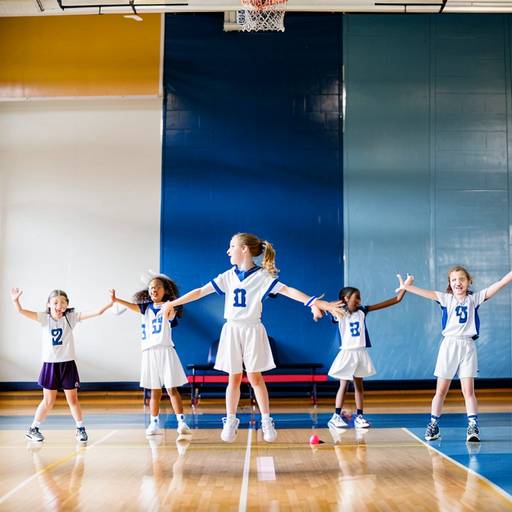
This lesson plan focuses on developing balance and coordination skills for 2nd-grade students through engaging activities and games. The session begins with a brief introduction to the importance of these skills, followed by a warm-up that incorporates balance challenges set to music. Students then rotate through four activity stations that include hopping between hula hoops, tossing bean bags towards targets, walking across balance beams, and practicing partner passes with a soft ball.
To reinforce teamwork and friendly competition, the class participates in a group relay game that combines various balance tasks. The lesson concludes with a cool-down period featuring gentle stretches and a reflective discussion, allowing students to share their thoughts on what they learned. Throughout the session, students are encouraged to support each other, and accommodations are provided for those who need additional assistance, ensuring an inclusive environment that fosters physical development and cooperation.
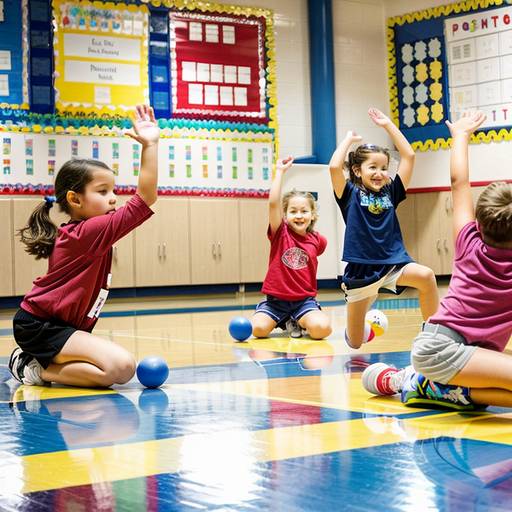
This lesson plan is designed for 1st-grade students in a physical education setting, focusing on the development of coordination and balance skills through interactive and engaging activities. The session lasts 30 minutes and includes a variety of fun exercises that promote teamwork and movement.
The lesson begins with a warm-up activity where students follow a leader through various movements, helping them get physically ready. Next, the instructor briefly explains the concepts of coordination and balance.
Students then participate in three different activity stations: balancing on one foot inside hula hoops, tossing bean bags at targets, and walking along a balance beam. These stations encourage students to practice their skills in fun and dynamic ways.
After rotating through the stations, the class comes together for a group relay that involves navigating an obstacle course, combining skills learned earlier in the lesson. The session concludes with a cool-down period that includes gentle stretches and a reflective discussion where students share their experiences and challenges throughout the activities.
Assessment will be based on observational notes during the activities, focusing on each student's participation and effort. Modifications are available to accommodate different skill levels, ensuring all students can engage meaningfully. Overall, the lesson aims to foster physical development and social interaction while emphasizing the importance of coordination and balance.
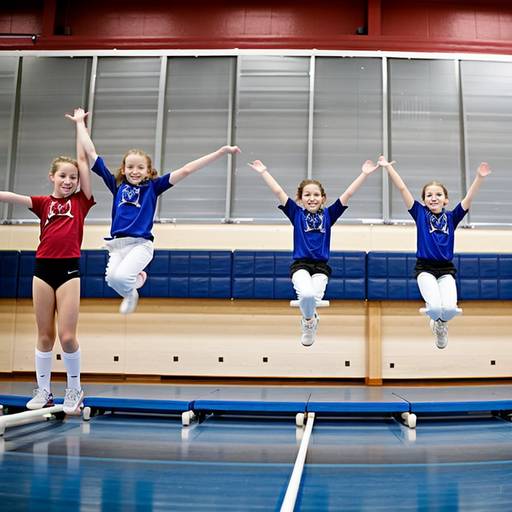
This lesson plan focuses on enhancing coordination and balance skills for 4th-grade students through a series of engaging activities. The session begins with dynamic stretching and balance exercises to warm up students' muscles while emphasizing body control. Students then rotate through various stations, including walking on balance beams, maintaining balance in hula hoops, weaving through cones, and practicing ball tosses while balancing on one foot.
The lesson encourages collaboration and support among peers as they navigate these challenges. Following the active portion, students participate in a cool-down session that includes stretching and a group discussion to reflect on their experiences and the skills they developed. Throughout the lesson, instructors assess students’ abilities and provide feedback to promote improvement. The lesson concludes with a reminder of the importance of coordination and balance in both sports and everyday activities, encouraging students to continue practicing these skills at home or during other physical pursuits.
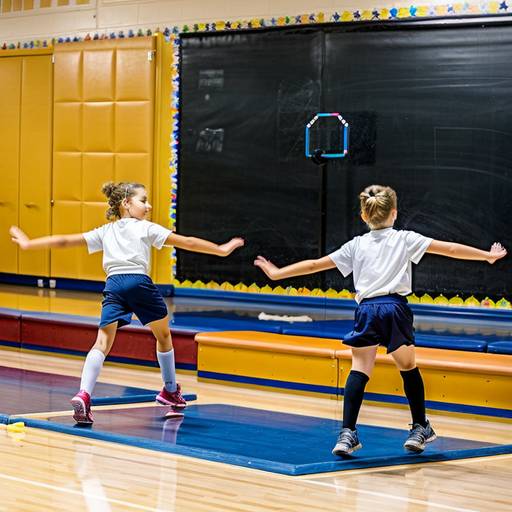
This lesson plan is designed for third-grade students to enhance their coordination and balance through a series of engaging activities. The lesson begins with a dynamic warm-up that includes stretching and balance challenges. Students then rotate through four activity stations: walking across balance beams, balancing in hula hoops, tossing bean bags at cones, and navigating an obstacle course. Each station lasts five minutes, with brief transitions in between. After the activities, students participate in a cool-down session that involves stretching and sharing their experiences. Throughout the lesson, teachers assess student performance and encourage peer feedback, promoting a supportive learning environment. Modifications are provided to accommodate varying skill levels. The plan emphasizes the importance of practice in developing physical skills and encourages students to apply what they've learned in their daily activities.
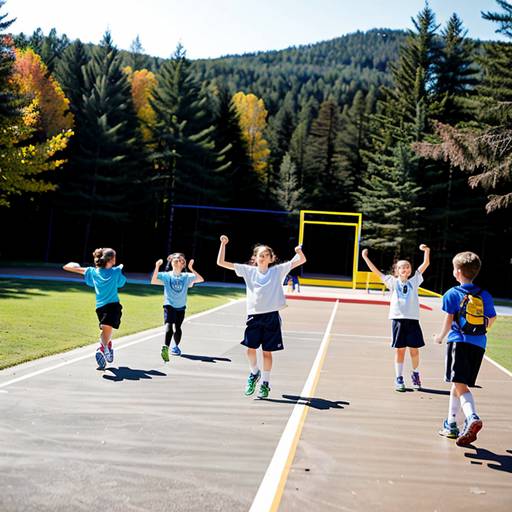
This lesson plan focuses on developing coordination and balance skills for 5th-grade students through engaging and interactive activities. The session begins with a warm-up that includes dynamic stretches and coordination exercises to prepare the students physically. Following the warm-up, the instructor explains the concepts of coordination and balance, highlighting their importance in sports and everyday activities.
Students then rotate through five different stations, each designed to challenge their balance and coordination through fun tasks such as balancing on one foot in hula hoops, walking across balance beams, navigating a cone relay while dribbling a ball, engaging in partner balance tag, and expressing themselves through dance movements. The main activity encourages teamwork and communication as students work together in each station.
After the active portion, the class cools down with stretching and reflection on the skills learned. Throughout the lesson, the instructor monitors students for safety and provides feedback, while encouraging them to practice these skills at home. This comprehensive approach aims to enhance physical abilities while fostering enjoyment in physical activity and promoting social connections among peers.
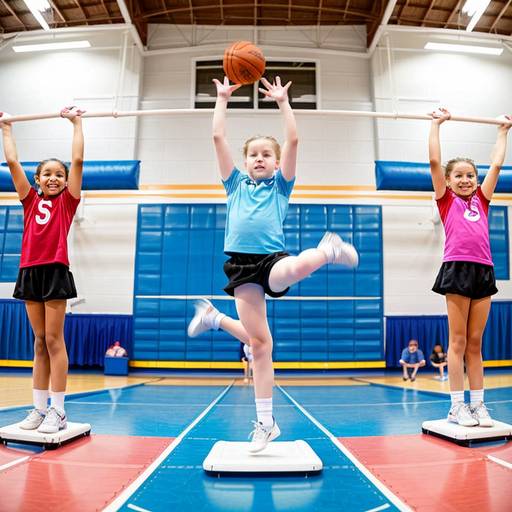
In this 3rd-grade physical education lesson, students engage in a 60-minute session focused on developing basic gymnastics skills such as balance, coordination, and flexibility, all within a sports context. The lesson begins with dynamic stretching and movement to music to warm up the body. Students then learn and practice balance exercises, including walking on a low beam and performing forward and backward rolls on gym mats.
The main activity consists of an obstacle course designed to incorporate various stations, such as hula hoop jumps, cone weaving, and balance challenges. Students work in teams and participate in relay races, promoting teamwork and cooperation. The lesson concludes with a cool-down period featuring deep breathing and light stretching, followed by a class discussion reflecting on their experiences and learnings. Throughout the activities, students are observed for their skills and participation, ensuring a fun and dynamic approach to physical fitness and gymnastics fundamentals.

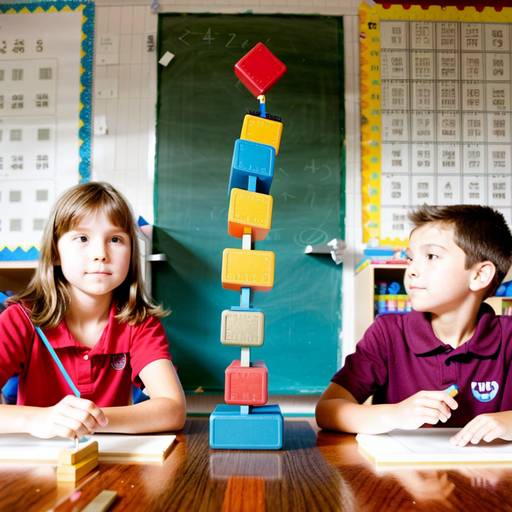
In this 3rd-grade math lesson, students will explore the concepts of measurement and weight through engaging activities. They will begin by discussing the importance of these concepts in everyday life and learn to use standard units for measuring length (inches, feet) and weight (ounces, pounds). Through guided practice, small groups will measure and weigh various classroom items using rulers and scales, recording their findings on chart paper. Additionally, they will estimate and measure fruits or vegetables, comparing their estimates to the actual measurements. The lesson will conclude with a class discussion on their discoveries. Assessment will involve observation during group activities and review of worksheets, allowing for differentiation and extensions like bringing personal items for added engagement. Overall, the lesson aims to provide hands-on learning opportunities, promoting collaboration and a deeper understanding of measurement and weight.
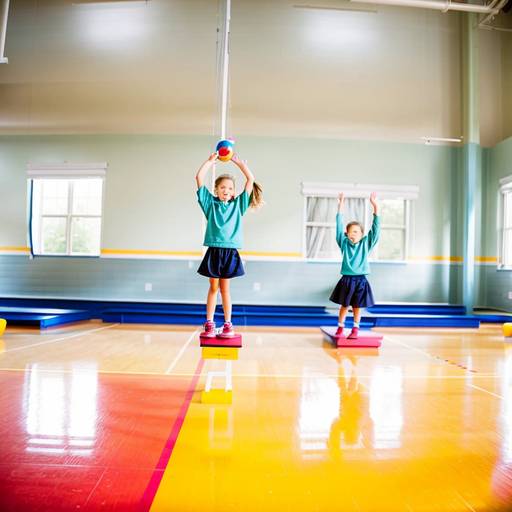
This Kindergarten Physical Education lesson focuses on developing coordination and balance through engaging activities. The session begins with a warm-up involving movement and balance exercises to prepare students physically and mentally. Students then participate in a series of activities, including a relay race using hula hoops, where they practice jumping in and out while fostering teamwork.
Next, they navigate balance beams to enhance their stability and concentration through various movements, with safety mats provided for protection. The lesson also includes a bean bag toss challenge, encouraging hand-eye coordination while maintaining balance by standing on one foot.
The class concludes with a cool-down session that incorporates gentle stretches and a sharing circle, allowing students to reflect on their experiences. Throughout the lesson, instructors observe student participation and provide positive reinforcement, ensuring a fun and supportive environment. Extensions to the lesson include the creation of an obstacle course for further practice at home. Safety is emphasized, with modifications available to cater to diverse skill levels.
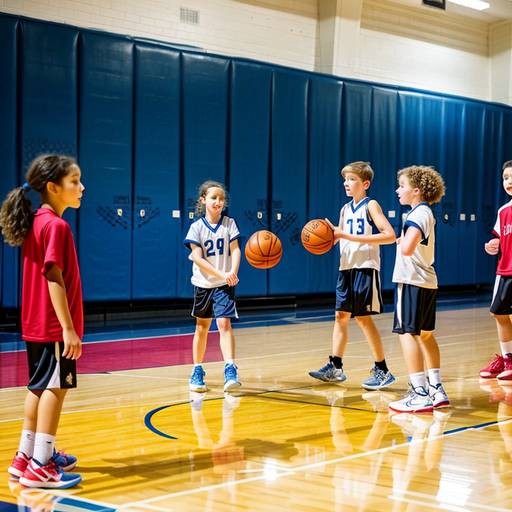
This physical education lesson for 3rd grade students focuses on basic basketball skills, including dribbling, passing, and shooting. The class begins with a dynamic warm-up that prepares students physically for the activities ahead. Students then learn proper dribbling techniques while navigating around cones, enhancing their ball control and spatial awareness. Following the dribbling practice, they engage in a partner passing drill where key passing techniques such as the chest pass and bounce pass are demonstrated and practiced.
Next, students receive instruction on shooting form, emphasizing the importance of stance and follow-through, and then take turns practicing shots at the basketball hoop. The lesson concludes with a cool down that involves static stretches, along with a group discussion that encourages reflection on what they learned. Teachers assess student performance through observation during drills and provide feedback to promote improvement. Modifications are available for students who may need extra support, ensuring that all participants engage successfully in the lesson.
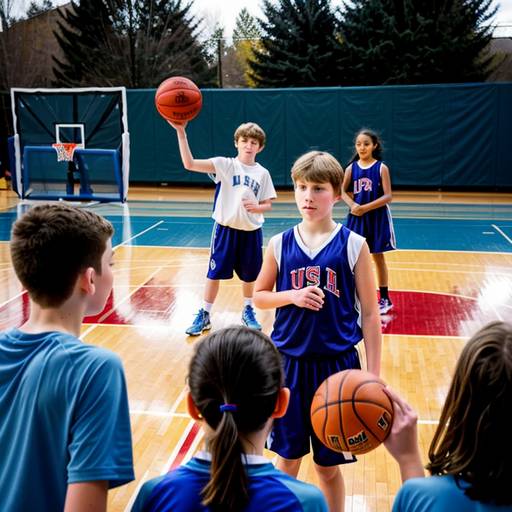
In this 60-minute physical education lesson tailored for 5th-grade students, the focus is on developing fundamental basketball skills, including dribbling, passing, and teamwork. The session begins with dynamic warm-up exercises to prepare students physically. Following this, students engage in a structured dribbling drill, maneuvering through cones to enhance their control and coordination. They then partner up to practice chest and bounce passes, emphasizing key techniques such as eye contact and follow-through.
The main activity consists of a modified three-on-three basketball game, where teams must complete a certain number of passes before shooting, reinforcing the importance of teamwork and cooperation. The lesson concludes with a cool-down session that includes muscle stretching and a reflection discussion about the skills learned and experiences during the games.
Throughout the lesson, students are observed and assessed on their skill development, teamwork, and participation. Opportunities for future extension include mini-tournaments and the introduction of defensive strategies in subsequent classes, ensuring continued engagement and skill growth in basketball.