
Filters
Level
Grade
Subject
Subject Area
Subject Topic
Standard(s)
Audience
Keyword
DurationMinutes
Lesson Plans

In this fifth-grade math lesson focused on measurement and volume, students will explore the concept of volume through hands-on activities and practical applications. The objectives include understanding how to calculate the volume of rectangular prisms using the formula \( V = l \times w \times h \), as well as developing measuring skills with rulers and measuring tapes.
The lesson begins with a brief discussion of volume and its real-world relevance. Students will then learn how to measure the dimensions of a box and calculate its volume through guided practice. After measuring, students will fill their boxes with water or rice, allowing them to visualize and compare their calculated volume with the actual capacity.
As the lesson concludes, groups will share their findings and reflect on their experience. Assessment will be based on observation of group work, completion of worksheets, and journal reflections on what they learned. Extension activities may include exploring volumes of more complex shapes, while adaptations will be made to accommodate diverse learning needs. Overall, the lesson aims to impart a comprehensive understanding of volume through engaging, hands-on experiences.
This 4th-grade mathematics lesson focuses on teaching students about measurement and volume. The lesson begins with an introduction to the concept of volume, explaining how it differs from other types of measurements and introducing standard units such as cubic centimeters and liters.
Students receive direct instruction on calculating the volume of rectangular prisms using the formula for volume, followed by practical demonstrations on measuring volume through water displacement for irregular objects.
In a hands-on activity, students work in groups to measure and calculate the volume of various 3D objects using rulers and water, engaging them in collaborative learning. They also apply their understanding through real-life problem-solving scenarios presented on worksheets, which encourage them to think critically about volume in everyday contexts.
The lesson concludes with a review of key concepts and a discussion, allowing students to reflect on what they learned. Assessment includes evaluating students' worksheets for accuracy in calculations and observations of group dynamics during activities. This approach ensures that students comprehend the concept of volume through both theoretical knowledge and practical experience.

This lesson plan is designed for toddlers aged 2-4 and focuses on teaching the concepts of empathy and understanding others. The activities aim to help children identify and express emotions through interactive methods. The session begins with a circle time where children engage with emotion flashcards, mimicking expressions and sharing personal experiences. A storybook related to empathy is then read, prompting discussions about feelings and character actions.
The lesson includes a role-playing activity utilizing stuffed animals or dolls, allowing children to act out different emotional scenarios and practice providing empathetic support. An art activity follows, where children create drawings reflecting happy and sad moments in their lives, promoting sharing and connection within the group.
The session concludes with a reflective discussion, where children use a mirror to explore how their facial expressions can convey care and kindness. A kindness challenge encourages children to commit to an act of kindness before leaving. Throughout the lesson, emphasis is placed on recognizing and responding to emotions, fostering a supportive community atmosphere.
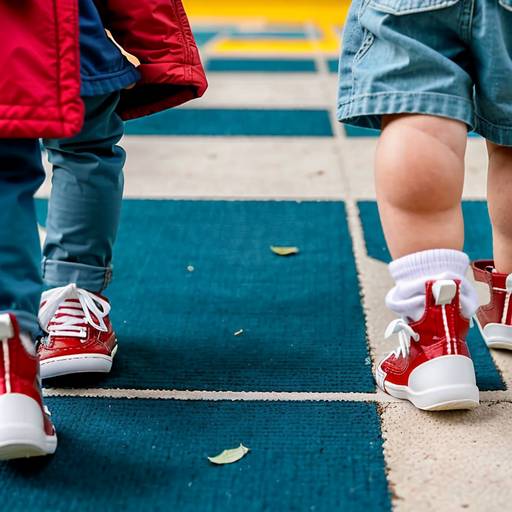
In this toddler lesson plan, students will explore the concept of empathy through interactive and engaging activities. The session begins with a circle gathering where the instructor introduces the idea of understanding and caring for others' feelings. A storybook featuring characters with various emotions sets the stage for discussion, encouraging children to express how characters feel and share their own experiences.
The lesson includes an activity using emotion flashcards, where toddlers learn to identify and mimic different feelings while discussing how they can support friends experiencing those emotions. A role-playing segment allows children to act out scenarios, using props to portray characters and practice empathetic responses.
To further reinforce the lesson, children engage in a creative drawing activity, illustrating what brings happiness to themselves or others. The session concludes with a group reflection, summarizing what they learned about feelings and kindness. The use of puppets during the closing circle adds an enjoyable touch while reinforcing empathetic messages. Overall, this lesson aims to foster an understanding of empathy among toddlers in a supportive and playful environment.

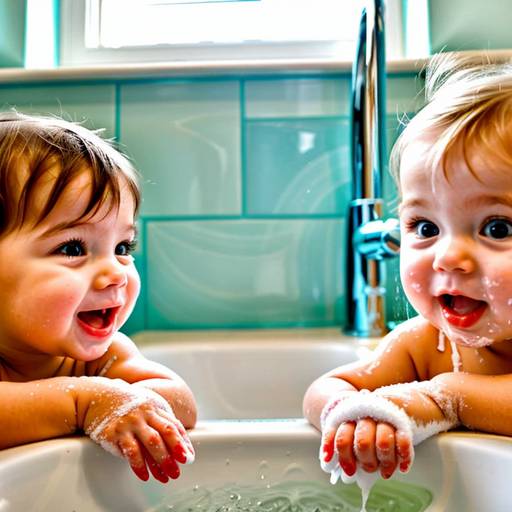
This lesson plan focuses on teaching toddlers the importance of hand washing and the correct techniques involved in maintaining hygiene. The session begins with a circle time discussion about hands, allowing children to express what they do with them, followed by an explanation of how hand washing helps prevent illness by removing germs.
The instructor demonstrates proper hand washing steps using a sink or a visual aid, which include wetting hands, applying soap, lathering for at least 20 seconds, rinsing, and drying. Children then practice washing their hands under supervision to reinforce the steps. A fun hand washing song or rhyme is taught to engage the children and make the learning experience enjoyable.
The lesson concludes with a recap of key learning points, encouraging children to share when they should wash their hands. Each child receives a sticker or stamp as a reward for their participation. The plan emphasizes hands-on practice, interactive learning, and positive reinforcement to foster good hygiene habits among toddlers.

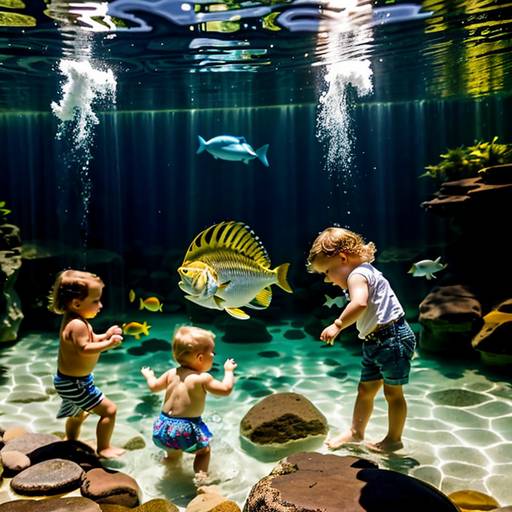
This lesson plan focuses on introducing toddlers to the properties and significance of water through hands-on exploration and sensory activities. It begins with a circle time to read a nature-themed story that emphasizes the role of water, followed by a water exploration station where children engage in pouring, scooping, and experimenting with floating and sinking objects. They will also create a miniature water habitat with plastic animals and natural items. The lesson includes a sensory play area featuring water painting and ice exploration, encouraging the use of descriptive language. Finally, the session concludes with a group reflection to share experiences and reinforce learning, followed by a collaborative cleanup to teach responsibility. Extension activities are suggested, such as creating a recycled water feature or planning a nature walk to observe real aquatic environments. Overall, the lesson aims to foster curiosity and a love for nature while enhancing sensory play and language development.
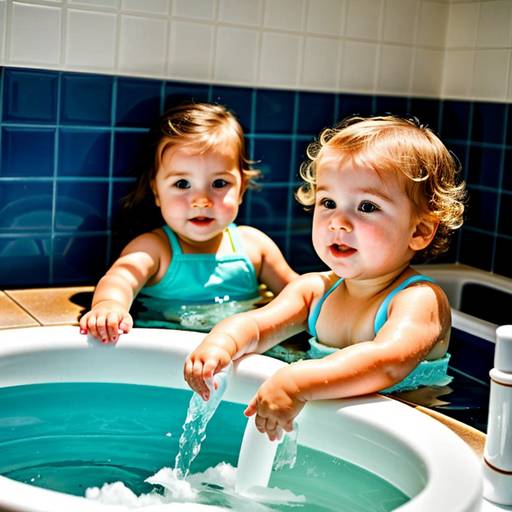
This lesson plan focuses on teaching toddlers the importance of bath time and personal hygiene through interactive activities. Beginning with a group discussion to engage students' understanding of bath routines, the lesson includes a storytime segment featuring a book about bath time experiences, encouraging participation and comprehension.
Following this, children enjoy a supervised water play activity where they can practice washing toys, reinforcing the concept of cleanliness in a playful manner. A brief discussion then highlights the significance of using soap and shampoo during baths.
To further enhance their learning, toddlers will create art representing their favorite bath activities, promoting creativity and expression. The session concludes with a wrap-up discussion, allowing children to share their experiences and reflections on the lesson.
Overall, the plan aims to foster positive attitudes towards self-care and hygiene while providing a fun and engaging learning environment. A follow-up activity encourages parents to support their child’s hygiene routine at home.

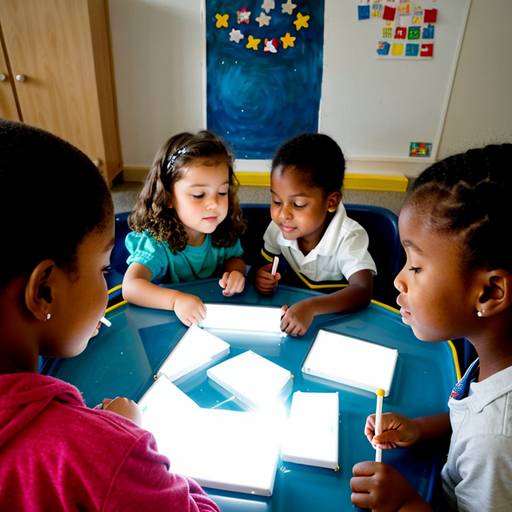
This preschool science lesson focuses on the concept of energy, engaging young learners through interactive and hands-on activities. The lesson begins with a group discussion to introduce the idea of energy and its various forms, such as light, movement, air, sound, and heat. Students are then divided into small groups to rotate through several activity stations, each highlighting a different type of energy. At these stations, children explore practical examples, such as using flashlights to understand light, winding up toys to see stored energy in action, feeling air from a fan, creating sound with instruments, and making bubbles. After the activities, students reconvene to share their experiences and reflect on what they learned. They express their favorite activity through drawings, reinforcing their understanding of energy. The lesson concludes with ideas for further exploration at home and strategies for adapting the activities to meet different learning needs, ensuring an inclusive experience for all participants.

In this 5th-grade physical science lesson, students will explore the concepts of energy, motion, and waves through engaging hands-on activities. The lesson begins with a discussion about everyday examples of energy, followed by a video illustrating different types of energy in action. Students will work in small groups to conduct experiments, such as launching small balls with rubber bands and creating waves using strings and shallow trays of water.
Throughout these activities, students will make observations about how energy affects motion and how it travels in waves. After the exploration phase, the teacher will lead a discussion to clarify scientific concepts such as kinetic and potential energy, reinforcing students' understanding through their observations. To encourage critical thinking, students will reflect on the role of energy in their daily lives.
To evaluate comprehension, students will complete a worksheet that asks questions about their experiments and the principles of energy and waves they learned. The lesson concludes with ideas for follow-up activities, including a potential science fair where students can showcase their own energy-related experiments. By the end of the lesson, students will have a solid understanding of the fundamental principles of energy and motion in the physical world.
This preschool science lesson focuses on exploring the concepts of light and sound through engaging, hands-on activities. Students will first discuss and share their prior knowledge about light and sound in a group setting. They will then participate in an activity using flashlights and colored translucent objects to observe how colors change and mix when light is shone through them.
Next, children will listen to various sounds, identifying and discussing their characteristics while also experimenting with small musical instruments to create their own rhythms.
The lesson will include a shadow exploration activity in a designated area, where students can use their hands and objects to create shadows, fostering an understanding of light’s properties. Students will then express their learnings through drawing, capturing their interpretations of light and sound.
The lesson concludes with a group discussion, allowing children to reflect on their experiences and articulate their favorite aspects of the activities. Throughout the lesson, informal assessments will be made through observations and discussions to gauge understanding and engagement. Extensions for continued exploration will also be suggested, such as creating a dedicated space for further light and sound activities or organizing a field trip to a science center.