
Filters
Level
Grade
Subject
Subject Area
Subject Topic
Standard(s)
Audience
Keyword
DurationMinutes
Lesson Plans

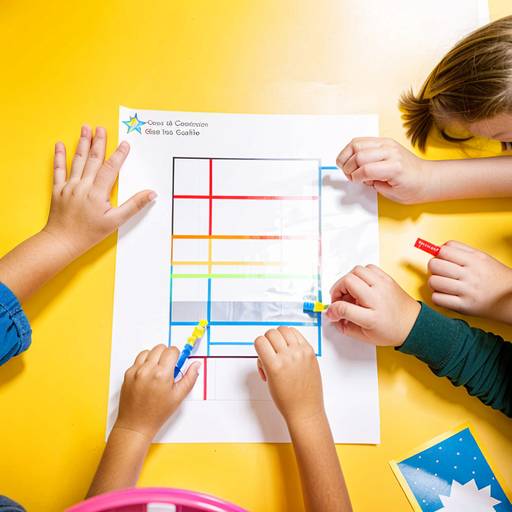
In this 60-minute math lesson for 3rd graders, students will explore the concepts of measurement and length while developing their skills in using standard units. The lesson begins with an engaging introduction that prompts students to discuss the meaning and importance of measurement. Following direct instruction, the teacher demonstrates how to use rulers and measuring tapes to measure various objects.
Students will then participate in guided practice in small groups, measuring items in both inches and centimeters and recording their findings. They will engage in an independent activity where they cut a piece of string to a specified length, re-measure their work, and find classroom objects that match the length of their string.
The lesson concludes with a group discussion where students share their measurements and insights. Assessment will focus on participation, accuracy of recorded measurements, and the completion of activities. Extensions include a measurement scavenger hunt and a home project, allowing students to connect measurement to real-world applications. The lesson emphasizes hands-on learning, collaboration, and the practical use of measurement in everyday life.
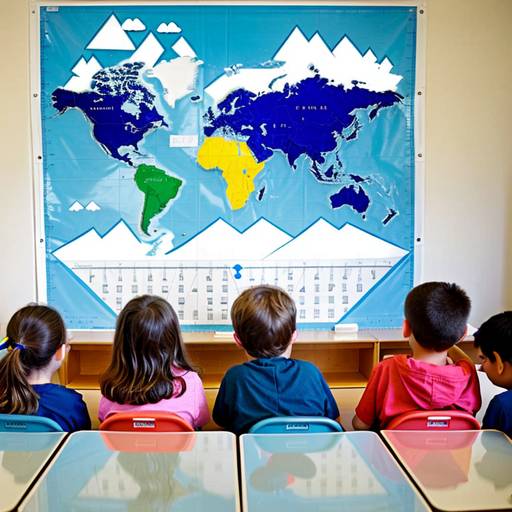
This 3rd-grade math lesson focuses on introducing students to 2D shapes and the concept of area. The class begins with a discussion about shapes found in their environment, followed by an introduction to various 2D shapes, including triangles, rectangles, squares, and circles. Students learn the definition of area and how to calculate it for squares and rectangles using the formula Area = Length × Width.
Through guided practice, students create their own shapes on graph paper, measure their dimensions, and determine the areas. They then complete an area worksheet that reinforces their understanding through calculations and encourages creativity by having them rearrange shapes.
The lesson culminates in a class discussion where students share their findings, fostering a connection between geometry and real-life applications. Assessment will be conducted through observation during practice and evaluation of the worksheets. Differentiation strategies are in place to support varied learning needs, and optional extensions encourage students to explore geometry further at home. Overall, the lesson promotes hands-on engagement and a foundational understanding of geometry and area.
This 1st Grade math lesson focuses on measurement and temperature, aiming to help students understand the concepts of length and temperature reading. The lesson spans 60 minutes and includes a variety of hands-on activities.
Students begin by exploring measurement with rulers, measuring three objects in the classroom and recording their lengths in inches. They then participate in a discussion about which items are longest and shortest, fostering comparison skills.
Next, the class shifts to temperature, where students learn to use thermometers and interpret a temperature chart. They engage in a creative activity, drawing weather representations on a "Weather Station" poster board using colored paper to indicate different temperature ranges (cold, warm, hot).
The lesson concludes with a review of key concepts, encouraging students to consider the application of measurement in their everyday lives. Assessment is based on participation, worksheet accuracy, and a homework assignment that promotes further engagement with weather observation. Extensions could include introducing additional units of measurement for advanced learners or conducting science experiments related to temperature.
In this 2nd grade math lesson, students will explore the concepts of measurement, focusing on length and time. The lesson begins with an introduction to the importance of measurement in everyday life, followed by direct instruction on using rulers and measuring tapes for length, as well as how to read analog and digital clocks for time.
Students will engage in guided practice by measuring various objects in pairs and timing each other in quick activities, recording their measurements and time intervals on worksheets. For independent practice, they will measure three different objects and complete a timed activity, reinforcing their understanding of both concepts.
The lesson concludes with a review of key concepts, allowing students to share their findings and understand the practical applications of measurement. Assessment will involve observing student participation and collecting worksheets to evaluate their understanding. Optional extensions may include measuring volume and creating a classroom clock corner to further enhance skills in telling time.
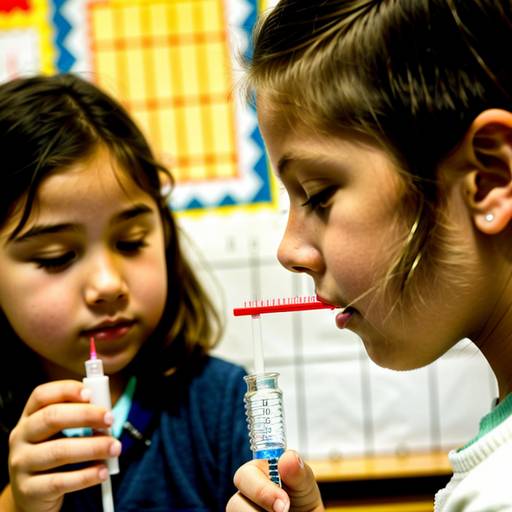
In this 2nd grade math lesson, students will explore the concepts of measurement and temperature through engaging hands-on activities. The lesson begins with a discussion about what measurement means, followed by an introduction to temperature and how to read a thermometer. Students will then participate in a group experiment where they measure the temperatures of ice water and warm water, recording their findings on worksheets and comparing results as a class. After the guided practice, students will engage in an independent drawing activity that reinforces their understanding of temperature, while also incorporating measurement skills. The lesson concludes with a review of key concepts and an exit ticket where students share something they learned. Assessments include observations of group participation, accuracy of completed worksheets, and evaluation of the drawing activity. Extensions and modifications are provided to support all learners. Overall, the lesson aims to foster practical applications of measurement and temperature in a fun and interactive way.
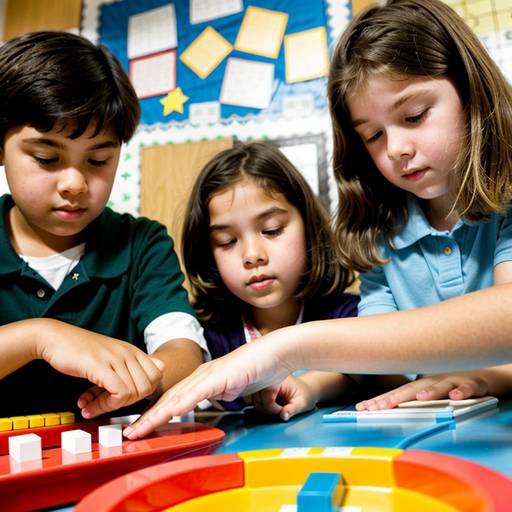
In this 4th-grade mathematics lesson, students will explore the concept of volume through direct instruction, hands-on activities, and collaborative work. The lesson begins with a discussion to define volume, followed by an introduction to measuring rectangular prisms using the formula Volume = length x width x height. Students will engage in guided practice by measuring various containers, calculating their volumes, and then reinforcing their learning through a practical activity where they use water or sand to fill those containers.
Throughout the lesson, students will work in small groups, encouraging teamwork and communication as they compare their calculated volumes with the amounts required to fill their containers. The lesson concludes with a discussion on their findings and a review of key concepts, ensuring that students reflect on their learning process. Worksheets will be provided for additional practice and assessment of their understanding of volume measurement. Extension activities will also be available for students to delve deeper into the topic, including exploring non-standard units of measurement. Overall, this lesson aims to enhance students' understanding of volume through both theoretical and practical applications.
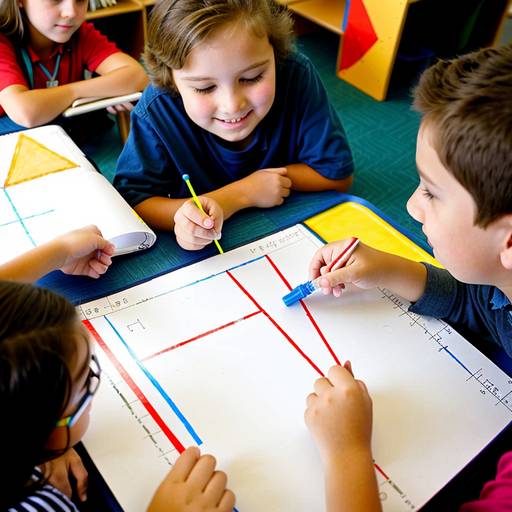
This lesson plan focuses on helping 4th-grade students understand the concept of area in geometry. Students will learn how to calculate the area of rectangles and squares using the formulas for area (Area = Length × Width and Area = Side × Side). The lesson begins with an engaging discussion on the importance of area, followed by direct instruction that incorporates interactive practice, allowing students to apply their knowledge.
In a hands-on activity, students will draw shapes on graph paper, calculate their areas, and verify each other's work through peer review. They will also cut out shapes from colored construction paper based on given dimensions and write the area on sticky notes to attach to their creations, resulting in a classroom display of their work.
The lesson closes with a review to reinforce key concepts and an exit ticket for students to reflect on their learning. Assessment methods include observing students during practice activities and reviewing their worksheets and exit tickets for comprehension. Extension activities are suggested for students ready to explore more complex shapes and area calculations. Overall, the plan aims to engage students in a fun and interactive way while building foundational geometry skills.
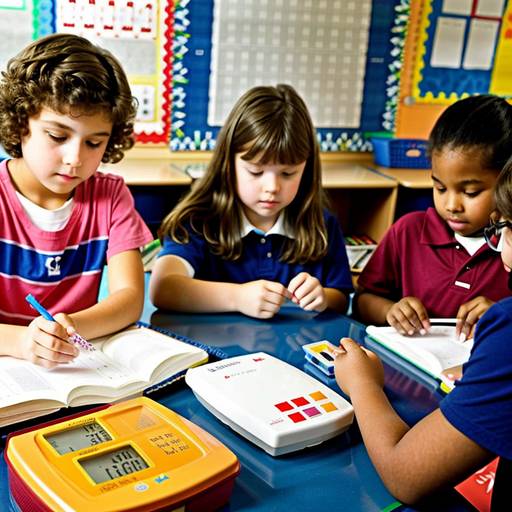
In this 4th-grade math lesson, students will explore the concepts of weight and measurement through engaging activities. The lesson begins with an introduction to the importance of measurement in everyday life and a discussion of weight, distinguishing between weight and mass. Students will learn to use digital and mechanical scales to weigh various objects and understand standard units of weight, specifically grams and kilograms. Guided practice involves small groups weighing selected objects and recording their weights, followed by converting between grams and kilograms.
For independent practice, students will complete a worksheet that includes comparison questions and conversion exercises. Closure involves a group discussion reflecting on the findings from the activities. Assessment will be based on observation during group tasks and review of completed worksheets. Extension activities, such as a scavenger hunt or a cooking project, further reinforce the skills learned. Accommodations will be provided to ensure all students can engage effectively in the lesson, culminating in a reflective evaluation of student performance for future improvements.
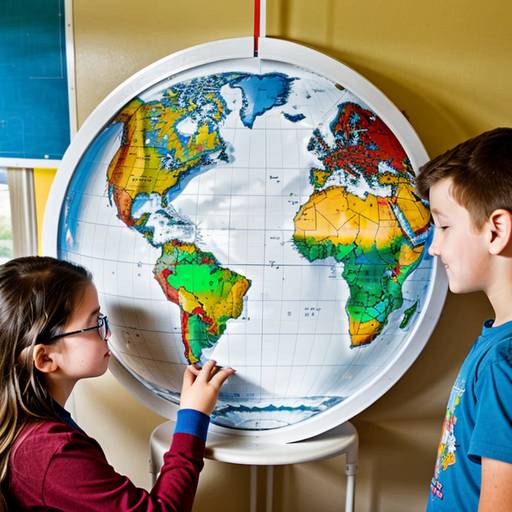
In this 4th-grade mathematics lesson, students will explore the concept of perimeter by learning how to measure the sides of various geometric shapes and calculate their perimeter using appropriate formulas. The lesson begins with an engaging introduction where students discuss their prior knowledge of perimeter. It continues with direct instruction on how to calculate the perimeter of rectangles and squares, followed by guided practice with worksheets that allow students to apply their understanding in pairs.
Students will then participate in a hands-on activity in small groups, creating their own shapes using string and measuring the sides to determine the perimeter. The lesson concludes with a review of key concepts and encourages students to think about real-life applications of perimeter. Assessment will be conducted through the collection of worksheets and observations during group presentations, ensuring that students grasp the importance of measurement and perimeter in both mathematical contexts and everyday situations. Extensions for advanced learners will be provided to deepen their understanding of perimeter in more complex shapes.
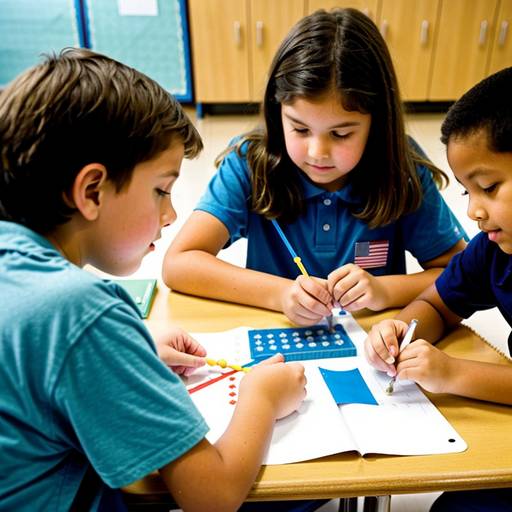
In this 4th-grade mathematics lesson, students will explore the concepts of measurement and length using both standard and non-standard units. The lesson begins with a discussion about the importance of measurement in everyday life and an introduction to various measuring tools. A mini-lesson follows, where the teacher demonstrates measuring a common classroom object using both types of units.
Students will then work in small groups to measure provided objects, recording their findings on worksheets, which encourages collaboration and discussion. Afterward, they will independently select three classroom objects to measure and document their lengths. The lesson concludes with a sharing session, where students discuss their measurements and findings.
Assessment will be ongoing through observations and collected worksheets to gauge student understanding. The lesson includes differentiation strategies for advanced and struggling learners and offers extensions to reinforce skills at home and through technology. Overall, the lesson aims to develop students' measurement skills and foster an appreciation for the practical applications of math.