
Filters
Level
Grade
Subject
Subject Area
Subject Topic
Standard(s)
Audience
Keyword
DurationMinutes
5th Grade Technology Lesson Plans
This fifth-grade technology lesson focuses on educating students about digital citizenship and the significance of their digital footprints. The lesson begins with an engaging video that introduces the concept of digital footprints, followed by a discussion to elicit students' initial thoughts on the topic. A PowerPoint presentation provides comprehensive information on digital citizenship, the different types of digital footprints, and the impacts of online behavior.
Students then participate in a group activity where they analyze various scenarios illustrating both positive and negative digital footprints. Through discussion and collaboration, they explore the implications of online actions and propose ways to improve digital reputations. The lesson concludes with a reflection exercise, allowing students to consider what they have learned and how they can ensure a positive digital presence.
Assessment includes participation in discussions, the quality of group presentations, and responses on a reflection worksheet. The lesson encourages responsible digital behavior and the awareness that online actions can have lasting effects. Accommodations are made to support diverse learners, reinforcing the importance of being thoughtful and informed digital citizens.
This lesson plan aims to educate 5th-grade students about digital citizenship and online safety. The students will begin by discussing their experiences with digital devices and defining the concept of digital citizenship, focusing on responsible technology use. The lesson includes direct instruction on key online safety practices such as protecting personal information and recognizing the importance of respectful interactions online.
Following this, students will engage in a group activity where they analyze scenario cards depicting various online situations. In small groups, they will discuss potential responses and share their findings with the class. The lesson concludes with a reflection on digital citizenship, where students will collaboratively create a Digital Citizenship Pledge to commit to responsible online behavior. Handouts summarizing important tips will be provided for students to take home.
Participation in discussions, group presentations, and the completion of a reflective homework assignment will serve as assessment methods, while extension activities will offer opportunities for further exploration and application of the concepts learned.
In this 5th-grade technology lesson, students will develop essential internet skills by exploring the basics of search engines and effective research techniques. The class begins with a discussion to gauge students' prior knowledge of search engines, followed by a demonstration on how to conduct effective searches using specific keywords. Students will then participate in guided practice by answering research questions in pairs or small groups, applying the skills they’ve learned to find reliable information.
Following this, each student will select an independent research question, conduct their search, and take notes on their findings, focusing on the credibility of the sources they encounter. The lesson concludes with a group discussion reflecting on their learning experiences, emphasizing strategies for evaluating online information. Students will leave with handouts containing tips for effective searching and a list of reliable sources to support their future research endeavors. Options for extension activities are included for those who finish early, reinforcing the concepts learned and introducing additional elements of digital citizenship.
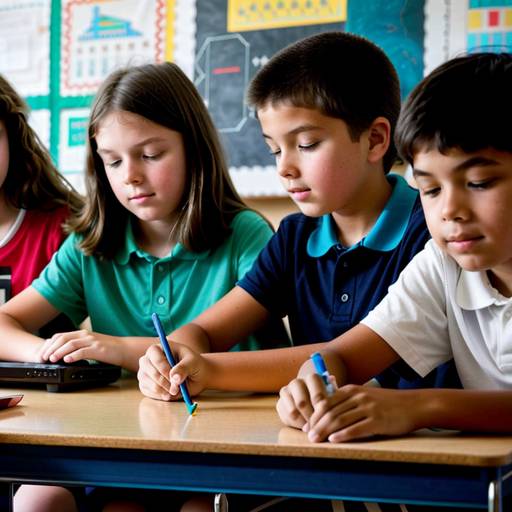
In this 5th-grade technology lesson, students will explore the concepts of digital citizenship and digital footprints. The session begins with an engaging discussion about responsible online behavior and its impact on themselves and others. Students will learn about digital footprints, including what they are, how they are created, and why it's crucial to maintain a positive one.
To enhance their understanding, students will watch a brief video that illustrates these concepts and engage in brainstorming sessions to identify elements of their own digital footprints. They will complete a worksheet designed to prompt self-reflection on their online presence and share their insights in small groups.
The lesson concludes with a review of key points, the opportunity for students to ask anonymous questions about digital citizenship, and an emphasis on thinking critically before posting online. As a home connection, students are encouraged to discuss these topics with their families. The lesson will be assessed through observation and worksheet completion, and there are opportunities for extensions to further reinforce these important concepts.
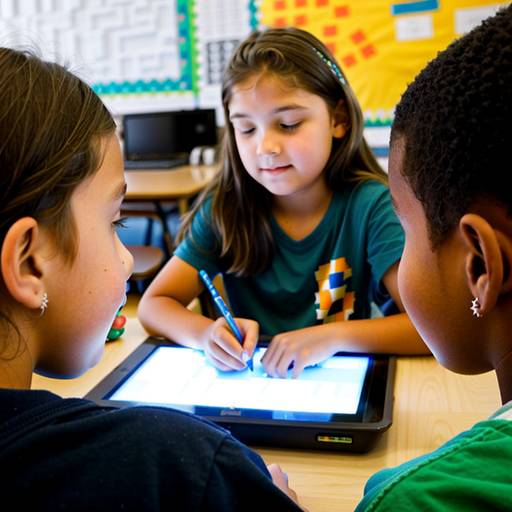
In this 5th-grade technology lesson, students will explore the fundamentals of coding through a hands-on, interactive approach. The lesson begins with a discussion about coding's significance, followed by an introduction to key concepts such as sequences, loops, and conditionals, supplemented by visual aids. Students will then familiarize themselves with a block-based programming platform, where they will create their own interactive projects in pairs. This activity encourages collaboration and practical application of the coding concepts learned. As the lesson concludes, students will share their projects with their classmates, fostering a sense of community and encouraging feedback. The lesson promotes problem-solving skills while igniting interest in computer science, with options for further exploration in future sessions.
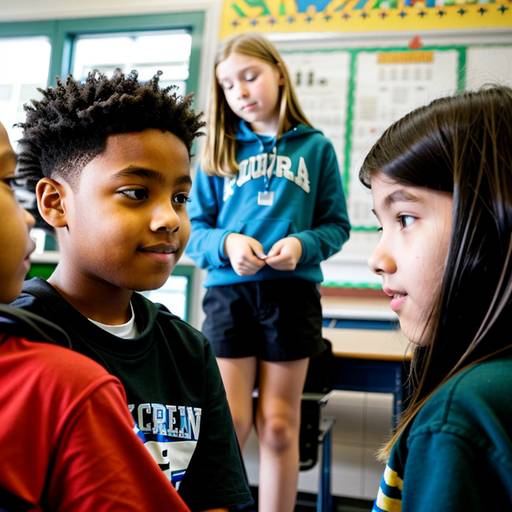
In this 5th-grade technology lesson, students will explore the fundamentals of robotics and engineering. The lesson spans two class periods, during which students will first learn about various types of robots, their components, and functions through engaging discussions and video presentations. They will work in small groups to brainstorm ideas for their own robot designs aimed at solving specific problems. Each group will present their concepts to foster collaboration and critical thinking.
In the second class, students will share their research on existing robots and then use provided robotics kits to create their own designs. The building session will encourage teamwork and creativity as students construct their robots based on their initial ideas. Finally, students will present their completed robots, explaining their functionality and the challenges they encountered during the building process. The lesson concludes with a reflective discussion, allowing students to articulate their learning experiences and insights gained about robotics, engineering, and collaboration. Assessment will focus on participation, presentations, and reflections, fostering a comprehensive understanding of the subject matter. Extensions may include guest speakers to explore careers in robotics further.
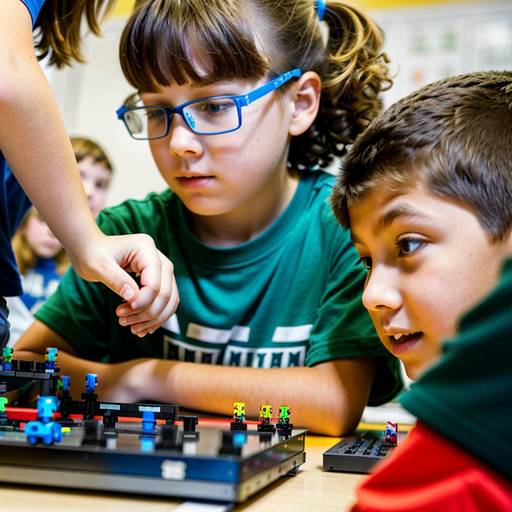
In this 90-minute lesson for 5th-grade students, learners will explore robotics and programming through a hands-on, collaborative experience. The lesson starts with a discussion about robotics and its applications, introducing students to the basic components of a robot. Students will then be divided into small groups, each receiving a robotics kit to construct their own robot.
After completing their builds, groups will learn to use programming software to code their robots for specific tasks, such as navigating a maze or following a pattern. The lesson culminates in testing and demonstrating their robots’ abilities in a friendly challenge, encouraging teamwork and problem-solving throughout the process.
Finally, the class will come together for a reflection on their experiences, discussing challenges faced and lessons learned in both building and programming their creations. This interactive lesson not only fosters technical skills but also emphasizes collaboration and critical thinking.
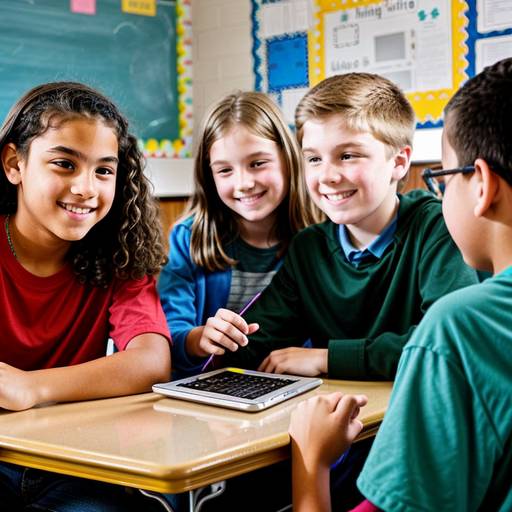
This lesson plan focuses on educating 5th-grade students about the principles of digital citizenship, with an emphasis on recognizing and preventing cyberbullying. The objectives include defining digital citizenship, identifying cyberbullying and its effects, demonstrating respectful online communication, and creating a personal action plan to respond to cyberbullying incidents.
The lesson begins with a video exploring digital friendships and the importance of kindness online, followed by a presentation on key concepts and statistics related to cyberbullying. Students are then engaged in small group activities where they analyze scenarios of online interactions, distinguishing between positive communication and cyberbullying.
As a class, students discuss strategies for responding to cyberbullying and produce a personal Cyberbullying Response Plan. The lesson concludes with reflections on their learnings and recommendations for fostering a positive digital environment. Assessment is based on participation, the quality of the response plan, and contributions during discussions. Extension activities encourage creative projects that promote awareness and positive behavior in the digital realm. Overall, the plan aims to equip students with the knowledge and tools necessary to navigate the online world safely and responsibly.
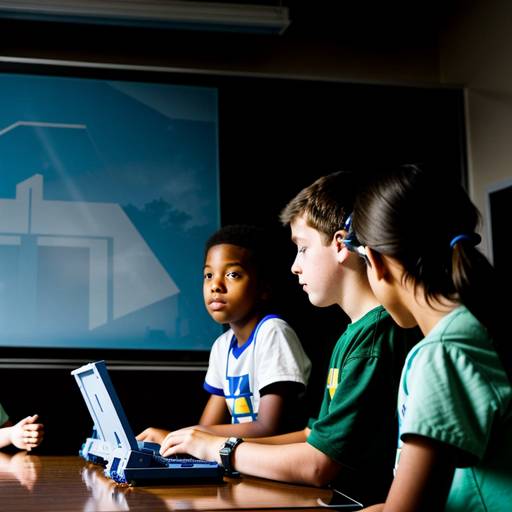
This 5th-grade technology lesson focuses on exploring robotics and its applications in various fields. Over two class periods, students will engage in activities that help them understand different types of robots, their functionalities, and the coding that enables them to perform specific tasks.
On the first day, students will watch a video showcasing robots in action and discuss their real-world applications. They will work in small groups to research a specific type of robot, culminating in presentations to share their findings with the class. The lesson will also introduce basic coding concepts relevant to robotics.
On the second day, students will work collaboratively in groups to build simple robots using provided kits and program them to perform tasks. They will demonstrate their creations to the class, explaining the programming behind their robot's movements. Reflection worksheets will help students consolidate their understanding of robotics concepts and provide insight into their learning experience.
This hands-on approach encourages teamwork, creativity, and critical thinking, while connecting students with real-world technology applications. Extensions and adaptations are included to accommodate varying skill levels and encourage further exploration in the field of robotics.
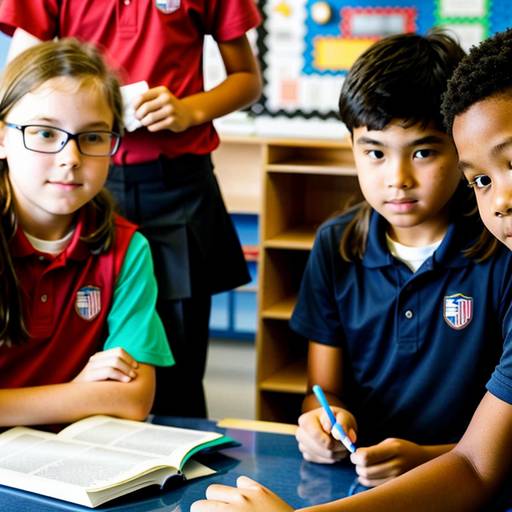
In this engaging two-day lesson plan for 5th-grade students, learners will explore multimedia creation and video editing through a hands-on project. The first day focuses on brainstorming and storyboarding, where students work in small groups to develop their video ideas and create a visual outline of their story, incorporating key elements like message, audience, and scene details. Students will then assign roles and plan their filming strategy.
On the second day, groups will film their projects using available equipment, rotating roles to encourage teamwork. After filming, they will edit their footage, incorporating multimedia elements such as music and images while learning basic editing techniques. The lesson concludes with a reflection on their learning experience and the importance of collaboration.
Assessment will be based on participation, creativity, and the final video presentation. Potential extensions include a video screening day for peer feedback and opportunities to explore more advanced multimedia topics in future lessons.