
Filters
Level
Grade
Subject
Subject Area
Subject Topic
Standard(s)
Audience
Keyword
DurationMinutes
4th Grade Social Studies Lesson Plans

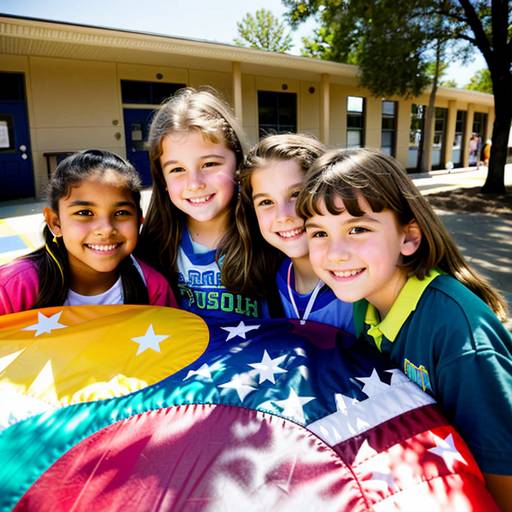
This 4th-grade social studies lesson focuses on community and diversity, aiming to help students understand and appreciate the various cultures that enrich their surroundings. The lesson begins with a warm-up discussion where students share what makes their community special. Key concepts of "community" and "diversity" are introduced and explored.
Students then engage in small group discussions where they investigate different cultural aspects such as food, music, holidays, and clothing that are present in their community. They share their findings with the class, which are recorded for reference.
Following this, students collaboratively create a mural that visually represents the diversity discussed, with sections dedicated to different cultural elements. They complement the mural with personal reflections written on post-it notes, providing an opportunity for individual expression.
The lesson concludes with students sharing their reflections, fostering a collaborative learning environment. Assessment is based on participation, creativity, and understanding demonstrated through the mural and reflections. Follow-up activities include interviews with family members about cultural backgrounds, encouraging continued exploration of diversity.
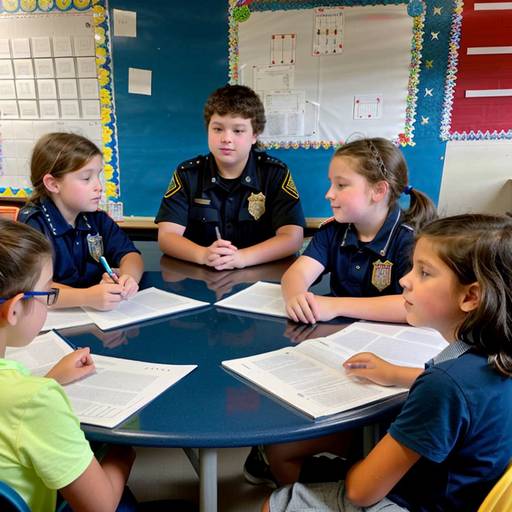
In this 4th-grade social studies lesson, students will explore the concept of community by identifying and discussing various roles within it, such as teachers, police officers, and doctors. They will learn about the responsibilities associated with each role and how these contribute to the overall well-being of the community.
The lesson begins with a group discussion to define what a community is and the roles that comprise it. Students will then work in small groups to select community roles from provided cards, creating posters that highlight the role's title, responsibilities, and illustrations. Each group will present their posters to the class, fostering a collaborative learning environment.
To conclude, students will reflect on their own roles in the community by writing about their personal responsibilities. Assessment will be based on group participation, the quality of the posters, and individual reflections. Additional extensions may include inviting community leaders for discussions or encouraging students to interview someone in a specific role. Overall, the lesson emphasizes the importance of individual contributions to the community and fosters an understanding of civic responsibilities.
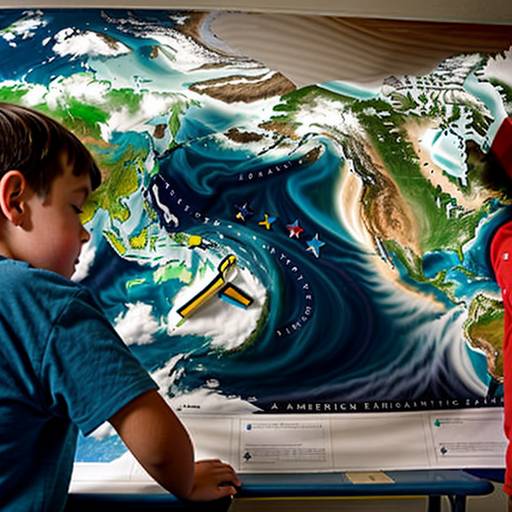
This 4th-grade social studies lesson focuses on introducing students to various landforms and their characteristics. The lesson begins with a discussion about geography and the importance of landforms, using a world map and images to illustrate different types such as mountains, valleys, plains, plateaus, hills, and deserts. Following direct instruction, students are divided into small groups to research a specific landform, fill out a worksheet, and create a visual representation using clay or playdough. Each group shares their findings and models with the class, facilitating peer learning. Assessment includes the collection of worksheets and observation of group participation and presentations. The lesson accommodates diverse learners and offers opportunities for further exploration, including virtual field trips and local research projects, ensuring an engaging and informative experience.
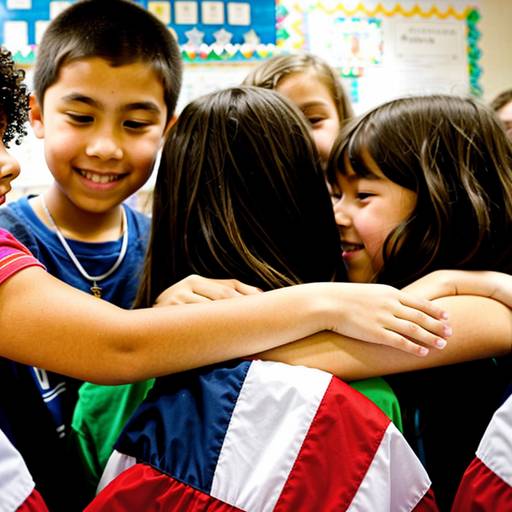
In this fourth-grade social studies lesson, students will explore the concepts of community and diversity by investigating various cultural backgrounds present within their own community. The lesson begins with a discussion to define community and diversity, followed by a group activity where students research assigned cultures and create informative posters detailing their findings. Each group will present their work to the class, promoting engagement and curiosity through questions and discussions. Students will then reflect individually on what they learned, writing their insights on Post-it notes, which will be shared in a class discussion to highlight the value of diverse perspectives. The lesson concludes with music from one of the featured cultures, allowing students to celebrate their learnings in a lively manner. Assessment will focus on group collaboration, presentation skills, and reflective understanding. Extensions for the lesson may include a cultural day, where students can showcase their own backgrounds or invite community members to share their experiences. Overall, this lesson aims to foster empathy, respect, and appreciation for the rich diversity within the community.
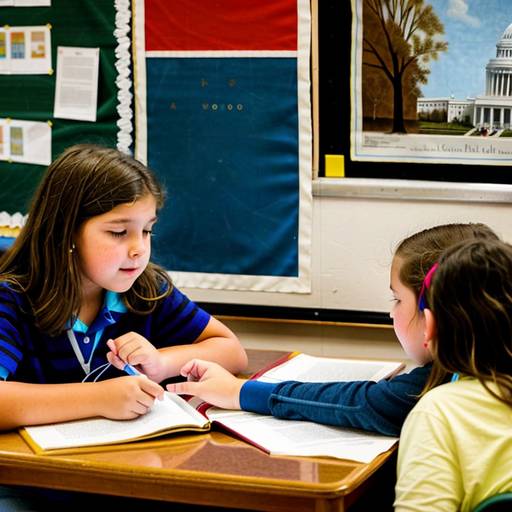
This lesson plan is designed for 4th-grade students to explore and understand their local history through the examination of significant events and figures in their community. Over two class periods, students will begin with a discussion about the importance of history, followed by an introduction to local historical events. In small groups, they will research assigned topics using various resources, including primary sources, and complete graphic organizers to synthesize their findings.
On the second day, groups will present their research to the class, highlighting key details and perspectives. A class discussion will follow to reinforce the importance of understanding multiple viewpoints in history. Students will also reflect on their learning through informal activities and a short homework assignment. The assessment will include group presentations and reflections to gauge their understanding of the key concepts. Extensions such as field trips and guest speakers are also suggested to enhance the learning experience. Overall, this plan aims to engage students in their local history, fostering critical thinking and communication skills.

In this 4th-grade social studies lesson, students will explore significant historical figures in American history, focusing on their contributions and the impact they had on society. The lesson begins with a discussion about the characteristics of influential leaders and an introduction to key figures such as George Washington, Harriet Tubman, and Martin Luther King Jr. Students will be divided into small groups, with each group assigned a historical figure to research using printed biographies and online resources.
They will answer questions regarding the figure's achievements and challenges, followed by creating a poster that highlights their findings. Each group will then present their poster to the class, encouraging questions and discussions among peers. The lesson concludes with a reflection on common themes among the historical figures and a reflective journal entry assignment, prompting students to consider which figure inspired them the most. Assessment will focus on participation, creativity in poster-making, and engagement in discussions and presentations. Optional extensions include creating a classroom timeline of the figures and inviting a local historian to speak. This lesson aims to engage students in a meaningful exploration of history while promoting values of leadership and courage.