
Filters
Level
Grade
Subject
Subject Area
Subject Topic
Standard(s)
Audience
Keyword
DurationMinutes
4th Grade Social Studies Lesson Plans


In this 4th-grade social studies lesson, students will explore various countries and their cultures through an engaging geography-focused activity. The lesson begins with an interactive discussion about different countries, prompting students to share what they know. A large world map will be used to introduce specific countries, highlighting important geographical features and cultural aspects.
Students will be divided into small groups, each assigned a country to research. They will use individual maps and fact sheets to gather information, which they will compile into a creative group poster including the country’s flag, capital, and interesting facts. Afterward, each group will present their findings to the class, fostering collaboration and communication skills.
The lesson concludes with a reflection activity where students share one new thing they learned, followed by an exit ticket to reinforce individual understanding. Assessments will focus on group participation, the quality of presentations, and reflections, with extensions for further learning suggested for students interested in deepening their understanding of global cultures. Adaptations will be made for differing student needs, ensuring inclusivity and support for all learners.

In this 4th-grade social studies lesson, students will explore the concept of westward expansion in American history. They will begin with a discussion about pioneers, sharing their prior knowledge, followed by a short video introduction on the topic. The lesson will provide insights into the motivations behind westward migration, the challenges faced by pioneers, and the effects on indigenous populations.
Students will engage in a group activity where they will research specific aspects of pioneer life and the routes taken during this period. Following this, they will individually write a journal entry from the perspective of a pioneer, reflecting on their experiences, emotions, and challenges encountered during the journey.
To conclude, students will share their journal entries and participate in a reflective discussion about their learnings. The lesson will be assessed through student participation and the content of their journal entries, with opportunities for extension activities, such as guest speakers, to deepen their understanding of the historical context.
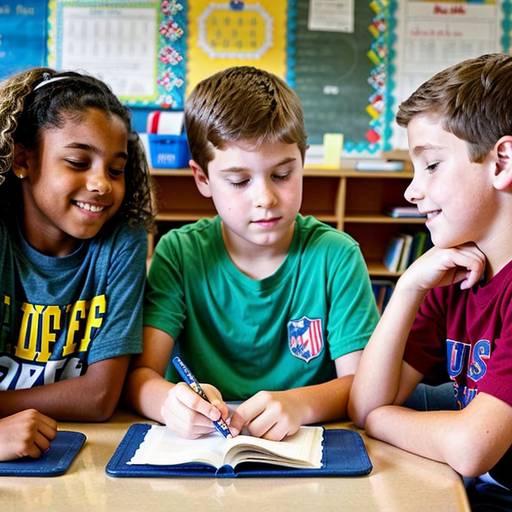
In this engaging 4th-grade social studies lesson, students will explore the purpose and importance of rules within a community. The lesson begins with a class discussion about the characteristics of a good community and how rules contribute to safety and order. Students will work in small groups to analyze specific community settings, brainstorming relevant rules for each scenario and sharing their ideas with the class.
Next, the class will collaboratively review a worksheet on common community rules, categorizing them into themes such as safety and respect, which enhances their understanding of each rule's significance. Students will then reflect individually by proposing a new rule for their community, writing their ideas on post-it notes to create a collaborative "Community Rule Board."
The lesson concludes with a summarization of key points about rule-following and encourages students to think of ways they can positively impact their community. Assessment will be based on participation in discussions and group activities. The lesson is designed to foster teamwork, critical thinking, and a sense of responsibility among students as active members of their community. Extensions may include inviting community leaders for discussions and planning a service project to reinforce the principles learned. Adaptations are also available to support varying levels of student engagement.
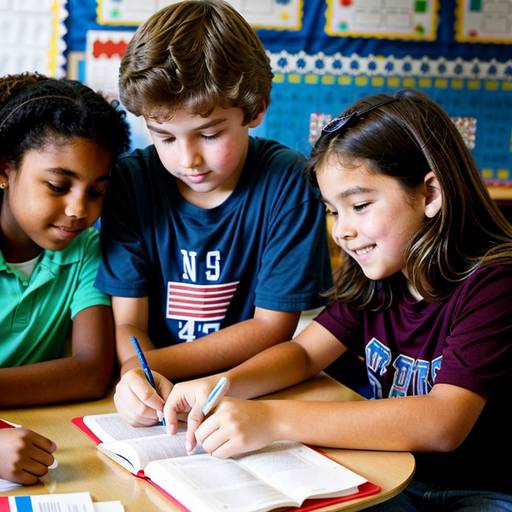
In this 4th-grade social studies lesson, students will explore the diverse roles within their community and understand how each contributes to its overall functioning. The lesson begins with a class discussion about the concept of community and the various jobs individuals perform. Students will be introduced to different community roles, such as police officers, teachers, and healthcare providers, through pictures and descriptions.
Working in small groups, students will select a role, discuss its responsibilities, and prepare a brief skit or presentation to demonstrate its importance. After each group presents, the class will engage in a discussion to reflect on the significance of these roles and the positive impacts they have on the community. To deepen their understanding, students will receive a worksheet to interview a community worker they know, allowing them to connect classroom learning to real-life experiences.
Assessment will be based on group participation and the completion of the worksheet. Adjustments will be made to accommodate different learning needs, ensuring that all students can engage with the lesson effectively. Finally, the lesson provides opportunities for follow-up activities, such as a field trip or guest speaker, to further enrich students' understanding of their community.
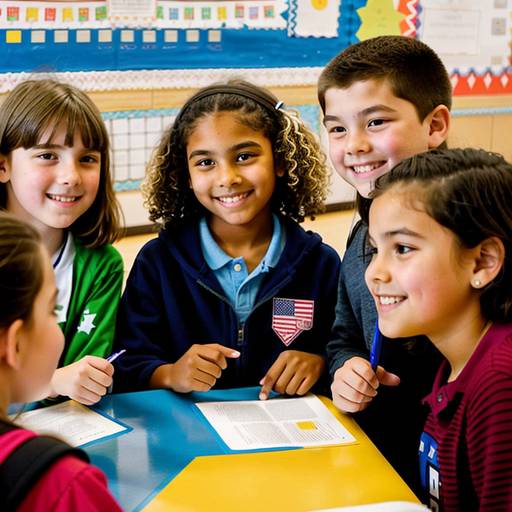
This lesson plan focuses on helping 4th-grade students understand the concept of community and the richness of diversity within it. It aims to foster appreciation for different cultural backgrounds through discussions, group activities, and collaborative projects.
The lesson begins with an interactive discussion where students share their ideas and experiences about their communities. Students are then organized into small groups to create a "Community Map," identifying various cultures, traditions, and practices present in their community. Following this, the class engages in an open discussion about the significance of these traditions and how they enrich their lives.
The students then participate in a creative activity where they each design a square representing their own cultural background or a culture they admire. These squares will be assembled into a "Diversity Quilt," symbolizing the collective identity of their classroom community.
The lesson concludes with reflections on what students learned about their classmates and the value of embracing diverse perspectives. Assessment is based on participation in discussions and activities, creativity in the quilt project, and the ability to communicate their understanding of community and diversity. Optional extensions include inviting guest speakers or organizing a culture day to further celebrate their learnings.
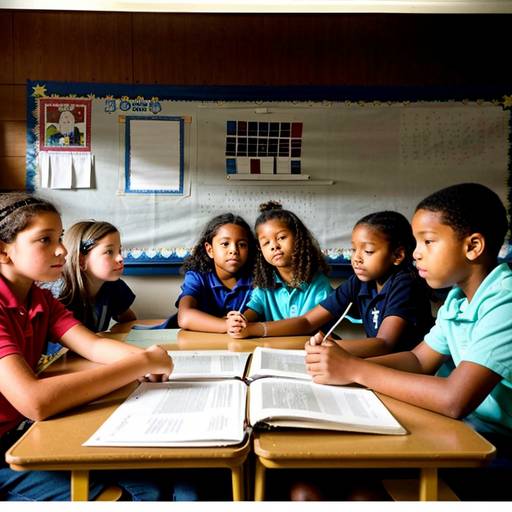
This 4th-grade social studies lesson plan focuses on teaching students about timelines and their significance in understanding historical events. Over two class periods, students will first explore the concept of timelines through the research and presentation of important historical events in small groups. They will create mini-timelines to visually represent these events and share their findings with the class, fostering collaboration and communication skills.
In the second part of the lesson, students will transition to creating their own personal timelines, identifying and organizing significant moments from their lives chronologically. This activity encourages self-reflection and helps students draw connections between their own experiences and broader historical narratives. The lesson promotes engagement through group activities and individual projects, allowing students to appreciate both collective and personal history. Assessment will be based on participation, creativity, and the ability to articulate the significance of events.
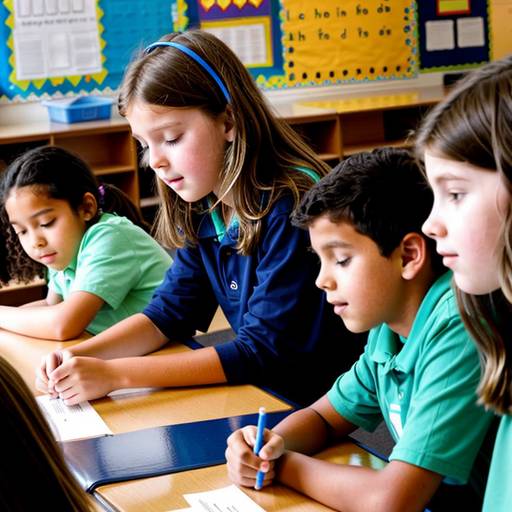
In this 4th-grade social studies lesson, students will explore the essential role of community rules and responsibilities in fostering a safe and caring environment. The lesson begins with a discussion on the characteristics that make a community a good place to live, followed by an introduction to various community roles, such as teachers, parents, and firefighters. Students will then work in small groups to brainstorm rules that their assigned roles should follow to contribute positively to the community. Each group will present their findings on chart paper.
In an independent reflection activity, students will write down one important rule they believe is vital for a caring community and share it with the class. The lesson concludes with a recap of the significance of rules and how students can actively contribute to their community. Assessment will be based on participation, group presentations, and individual reflections. This engaging lesson encourages students to understand their roles within the community and the importance of cooperation and responsibility.
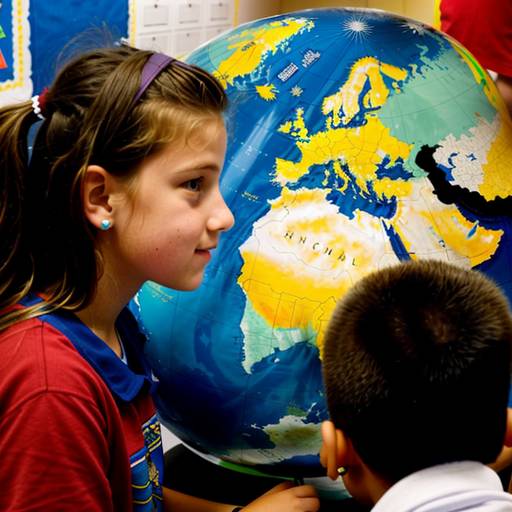
In this 4th-grade social studies lesson, students will explore the essential components of maps, including title, legend, scale, and symbols. The lesson begins with an engaging discussion about world and local maps, followed by a demonstration on how to interpret a simple map. In small groups, students will analyze a local map, highlighting important locations and creating a legend to represent them. For independent practice, each student will draw their own map of a familiar area, incorporating various map elements and showcasing their creativity. The lesson concludes with a sharing session where students present their maps to the class. Assessment will focus on participation, understanding of map components, and creativity in their map designs. Adaptations will be provided for students needing additional support, and follow-up activities may include a classroom mural and a field trip to reinforce the concepts learned.
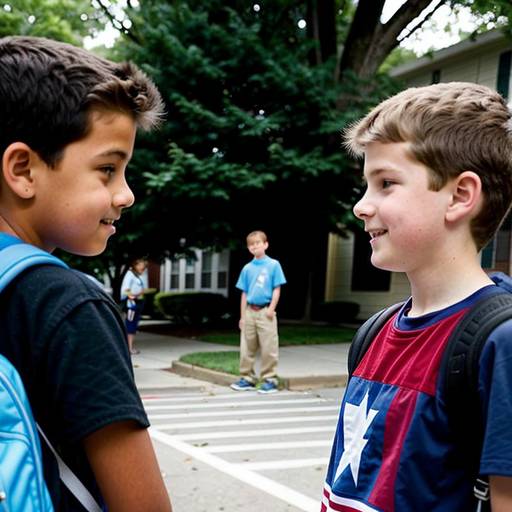
This 4th-grade social studies lesson focuses on helping students understand the various roles within their community and the importance of community helpers. The class begins with a discussion about who contributes to making the neighborhood a better place, encouraging students to share their thoughts. Students then work in small groups to explore specific community roles, discussing their functions and significance. Following this, they engage in a creative activity where they create a collage that visually represents different community helpers and includes descriptions of each role. The lesson concludes with students sharing their collages with the class, fostering a reflective discussion on the vital contributions of these helpers. Assessment is based on participation and the creativity demonstrated in their collages, while extensions include possible field trips or guest speakers to enhance their understanding. Overall, the lesson aims to instill appreciation for community members who play essential roles in daily life.
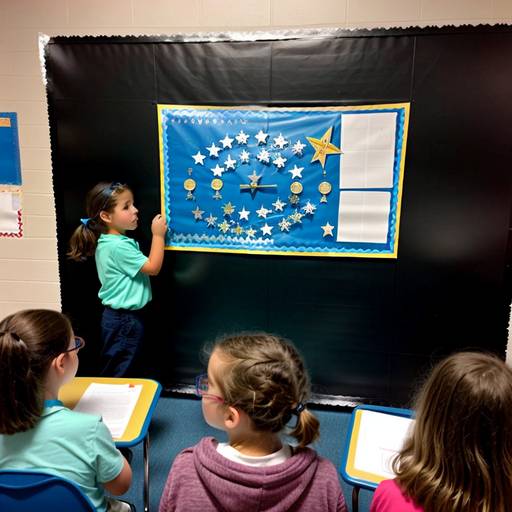
In this 4th-grade social studies lesson, students will explore the concept of timelines as a tool for understanding historical events. The lesson begins with a discussion about history and the purpose of timelines, followed by group activities where students analyze historical timelines and identify key events. They will then create personal timelines that include significant moments from their own lives, allowing them to make personal connections to the material. Students will work individually and collaboratively to construct a large historical timeline as a class, gaining insight into the relationship between individual experiences and broader historical narratives. The lesson concludes with presentations of their personal timelines, reinforcing their understanding of how timelines help organize and convey information about past events. Assessment will be based on participation, timeline creation, and understanding of the concepts introduced. Additionally, extension activities are provided to encourage further exploration of historical events.