
Filters
Level
Grade
Subject
Subject Area
Subject Topic
Standard(s)
Audience
Keyword
DurationMinutes
4th Grade Lesson Plans

This lesson plan is designed for 4th-grade students to explore and understand their local history through the examination of significant events and figures in their community. Over two class periods, students will begin with a discussion about the importance of history, followed by an introduction to local historical events. In small groups, they will research assigned topics using various resources, including primary sources, and complete graphic organizers to synthesize their findings.
On the second day, groups will present their research to the class, highlighting key details and perspectives. A class discussion will follow to reinforce the importance of understanding multiple viewpoints in history. Students will also reflect on their learning through informal activities and a short homework assignment. The assessment will include group presentations and reflections to gauge their understanding of the key concepts. Extensions such as field trips and guest speakers are also suggested to enhance the learning experience. Overall, this plan aims to engage students in their local history, fostering critical thinking and communication skills.
In this 4th-grade social studies lesson, students will explore significant historical figures in American history, focusing on their contributions and the impact they had on society. The lesson begins with a discussion about the characteristics of influential leaders and an introduction to key figures such as George Washington, Harriet Tubman, and Martin Luther King Jr. Students will be divided into small groups, with each group assigned a historical figure to research using printed biographies and online resources.
They will answer questions regarding the figure's achievements and challenges, followed by creating a poster that highlights their findings. Each group will then present their poster to the class, encouraging questions and discussions among peers. The lesson concludes with a reflection on common themes among the historical figures and a reflective journal entry assignment, prompting students to consider which figure inspired them the most. Assessment will focus on participation, creativity in poster-making, and engagement in discussions and presentations. Optional extensions include creating a classroom timeline of the figures and inviting a local historian to speak. This lesson aims to engage students in a meaningful exploration of history while promoting values of leadership and courage.


This 4th-grade mathematics lesson focuses on teaching students about measurement and volume. The lesson begins with an introduction to the concept of volume, explaining how it differs from other types of measurements and introducing standard units such as cubic centimeters and liters.
Students receive direct instruction on calculating the volume of rectangular prisms using the formula for volume, followed by practical demonstrations on measuring volume through water displacement for irregular objects.
In a hands-on activity, students work in groups to measure and calculate the volume of various 3D objects using rulers and water, engaging them in collaborative learning. They also apply their understanding through real-life problem-solving scenarios presented on worksheets, which encourage them to think critically about volume in everyday contexts.
The lesson concludes with a review of key concepts and a discussion, allowing students to reflect on what they learned. Assessment includes evaluating students' worksheets for accuracy in calculations and observations of group dynamics during activities. This approach ensures that students comprehend the concept of volume through both theoretical knowledge and practical experience.
In this 4th-grade technology lesson, students will learn the fundamentals of using search engines effectively to find reliable information online. The lesson begins with a discussion about the internet and its uses, transitioning into an overview of how search engines work, including the role of keywords in refining search results. Students will be taught how to evaluate the credibility of websites, using a simple checklist.
During guided practice, students will work in pairs on search scenarios, applying their knowledge to perform searches and assess the information they find. This is followed by independent practice, where each student will select a topic of interest, conduct a search, and note credible facts from a website, evaluating its reliability.
The lesson concludes with a sharing session where students discuss their findings and evaluations, reinforcing the concepts learned. Throughout the lesson, students will engage in hands-on activities, developing essential internet skills that will aid their future research endeavors. Optional extensions and homework may further enhance their understanding and application of effective online searching techniques.
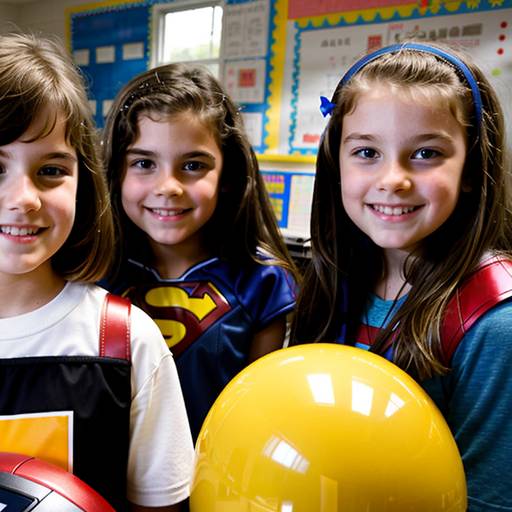
In this 4th-grade technology lesson, students will learn about essential internet skills and safety practices. The lesson begins with a discussion on how students currently use the internet and its various positive and negative aspects. Through an engaging presentation, students will explore topics such as the significance of protecting personal information, recognizing trusted versus unreliable sources, and unsafe online behaviors.
During guided practice, students will work in small groups to analyze scenario cards that depict various online situations, determining whether each one is safe or unsafe and discussing appropriate responses. Following this, students will participate in independent exploration of pre-approved kid-friendly websites while completing a worksheet that reinforces their understanding of safety measures and information verification.
The lesson concludes with a recap of key points, allowing students to share what they learned and how they plan to apply their newfound knowledge in their online activities. Assessment will be based on group discussions, participation, and the worksheets completed during independent practice. Extensions may include creating digital content related to internet safety, fostering engagement beyond the classroom. Overall, the lesson aims to empower students with the skills and awareness necessary to navigate the internet safely and responsibly.
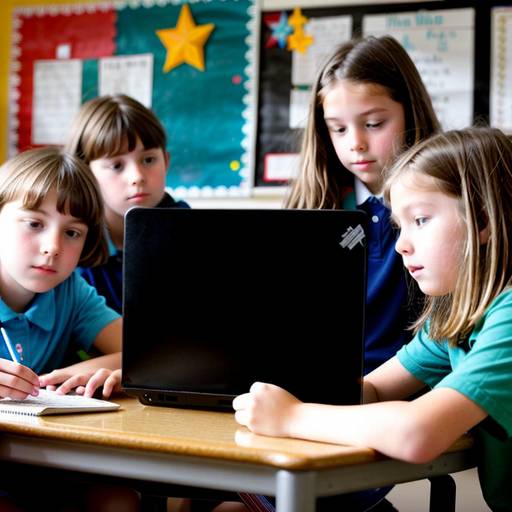
This 4th-grade technology lesson plan focuses on equipping students with essential internet skills and online research techniques. The session begins with a discussion about students' existing knowledge of the internet and an overview of key objectives, emphasizing online safety and the identification of reliable sources.
Through direct instruction, students learn about safe browsing practices and effective search strategies, including the use of specific keywords. In a guided group activity, students research assigned topics online, taking notes and recording URLs of credible sources. They then engage in independent practice by documenting their findings and learning how to create simple citations, emphasizing the importance of acknowledging original authors.
The lesson concludes with a class discussion where students share their discoveries and reflect on their learning. Assessment includes observation during group work and the collection of note-taking templates to evaluate understanding. Extensions are provided for students to further develop their skills by conducting individual research at home for presentation in the next class. Overall, the lesson fosters a strong foundation in digital literacy while promoting responsible internet use.
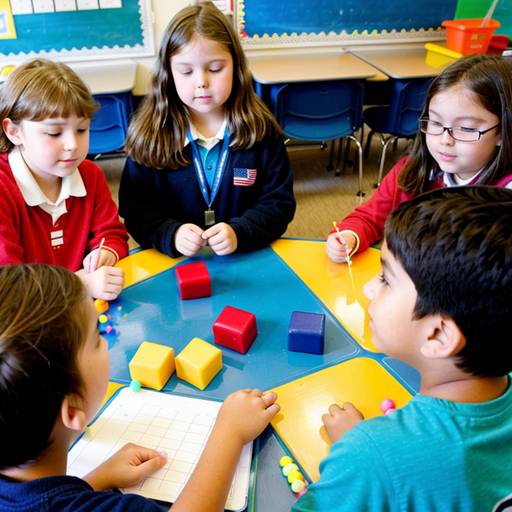
In this 4th-grade math lesson, students will explore the concepts of measurement and weight by engaging in hands-on activities. The lesson begins with a discussion on the importance of measuring weight and the introduction of standard units such as grams, kilograms, ounces, and pounds. Students will learn how to use a kitchen or digital scale, practice taking measurements of various classroom items, and record their findings in tables.
As they work in small groups, they will gain experience in converting between different units of weight using provided charts. The lesson includes independent practice, where students complete worksheets that involve measuring items and answering conversion questions. The session wraps up with a review of key concepts, allowing students to share their findings and reflect on the importance of weight measurement in everyday life. Assessment will be based on participation, accuracy of measurements, and completion of the worksheets. Accommodations will be provided for students who need additional support. Throughout the lesson, students will gain valuable skills in measurement that can be applied in real-world contexts.


In this 4th-grade art lesson focused on ceramics, students will explore the world of clay sculpture by creating imaginative creatures. The lesson spans two class periods, allowing students to first sketch their ideas and then sculpt their creations using basic hand-building techniques such as pinch pots and coil building. They will be introduced to different forms of clay art, with opportunities for experimentation and expression.
In the first class, students will engage in sketching their plans based on inspirations from animals and mythical beings, followed by hands-on sculpting time where they can bring their ideas to life. During the second class, they will learn about surface decoration and glazing techniques or painting if using air-dry clay. Throughout the process, students will share their creations, reflecting on their artistic journey and the challenges they faced. This lesson not only promotes creativity and fine motor skills but also encourages collaboration and communication through peer critiques and group discussions. The completed sculptures can be displayed, celebrating the students' imaginative spirit and artistic achievements.

In this 4th-grade art lesson, students will explore painting techniques through the creation of imaginative landscapes. The lesson begins with a discussion about various fantasy landscape images to spark creativity and inspiration. Students will learn and practice techniques such as blending, layering, and texturing as they develop their own unique compositions. After brainstorming and sketching their ideas, students will transfer their designs onto watercolor paper or canvas and begin painting, applying the techniques they've learned. As they work on their landscapes, the teacher will provide individual feedback and support. The lesson will conclude with a reflection, where students will share their experiences and insights about their artwork. Completed paintings will be showcased, allowing students to celebrate their creativity and artistic expression. Overall, the lesson emphasizes the importance of creativity while helping students build their technical skills in painting.

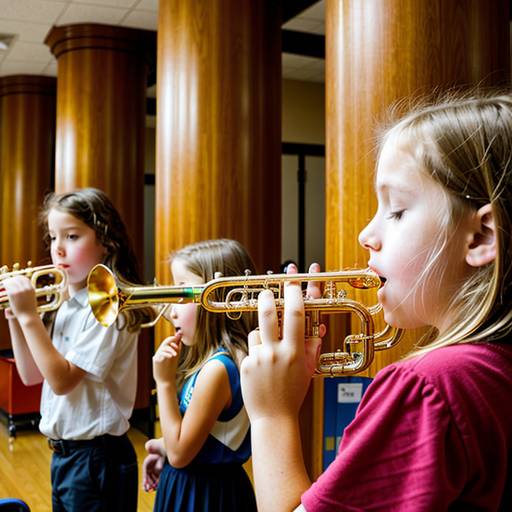
This lesson plan introduces fourth-grade students to the world of wind instruments, focusing on their identification, sound production, and musical significance. The session begins with an engaging discussion about students' experiences with wind instruments, accompanied by visual and audio resources to enhance their understanding. Students listen to pieces of music that feature various wind instruments, allowing them to identify sounds and discuss the characteristics of each instrument.
Following this, a demonstration of selected instruments provides a hands-on learning experience, where students have the opportunity to try out simple notes on accessible instruments. The class is then divided into small groups, each tasked with researching a particular wind instrument and preparing a brief presentation to share with their peers.
The lesson concludes with a whole-class reflection, encouraging students to express their thoughts on the instruments they found most interesting. A worksheet is provided for individual assessment, allowing students to consolidate their learning by answering questions and illustrating a wind instrument they favor. Opportunities for further exploration are suggested, such as bringing in instruments from home or planning a day for performances, to deepen students' engagement with the topic.