
Filters
Level
Grade
Subject
Subject Area
Subject Topic
Standard(s)
Audience
Keyword
DurationMinutes
3rd Grade Technology Lesson Plans
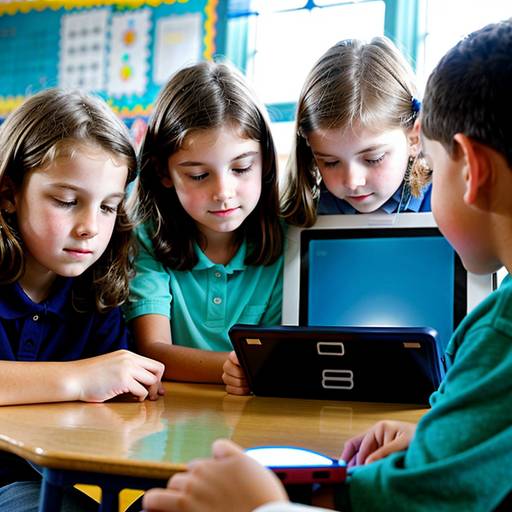
This lesson plan introduces 3rd-grade students to the concept of technology and how it functions in their everyday lives. It begins with a class discussion that encourages students to share their experiences and thoughts on technology, leading to the creation of a collaborative chart titled "What is Technology?" Various examples of technology are presented, allowing students to engage with everyday items and explore their purposes.
The lesson then focuses on simple machines, such as levers and pulleys, to help students understand the mechanics behind different technologies. A short video is shown to illustrate how a simple piece of technology operates, enhancing their understanding of the topic.
The hands-on component of the lesson allows students to work in small groups to create their own inventions using craft supplies and old electronics. They are encouraged to explain how their creations work and the problems they aim to solve.
The lesson concludes with group presentations, fostering sharing and communication skills. Assessment is based on participation and the ability to articulate the function of their inventions. Extension activities include a homework assignment that encourages students to explore technology further at home and a potential “Technology Day” for sharing personal gadgets with the class.
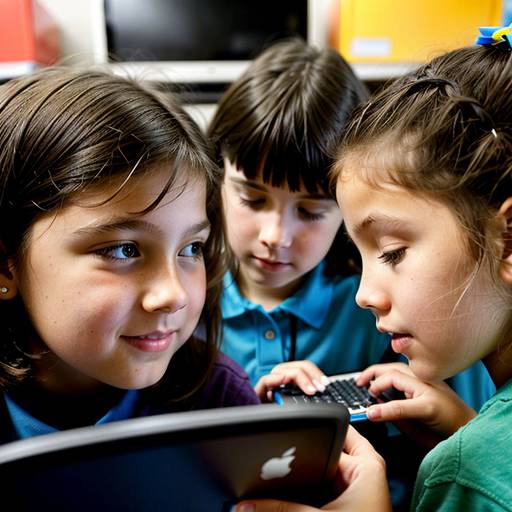
The lesson plan focuses on teaching 3rd-grade students the basics of device maintenance and troubleshooting. The objective is for students to learn how to care for their classroom technology and effectively resolve common issues. The lesson begins with a warm-up discussion about device care, followed by an overview of essential maintenance tasks and common problems. Students engage in hands-on activities where they work in pairs to solve troubleshooting scenarios, applying the concepts they learned. The session concludes with a wrap-up discussion and a reflection activity where students share their commitment to better care for their devices. Assessments include observation during activities and collection of student reflections. The plan includes adaptations for diverse learning needs and offers extension activities to promote further engagement.
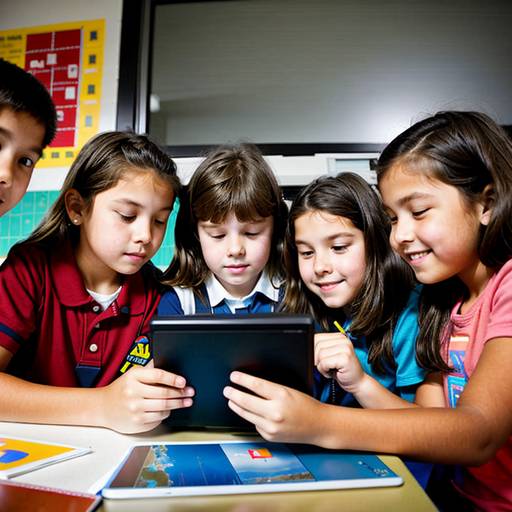
This lesson plan is designed for 3rd-grade students to explore the concept of technology and how it functions in everyday life. The lesson begins with an interactive discussion where students share different types of technology they encounter daily. Groups are then given simple mechanical toys to examine, encouraging students to observe how these devices work by discussing their parts and functions.
Students will also create a "Tech Map," illustrating various forms of technology they use at home or school, while labeling and explaining how each one operates. Presentations of these maps will foster collaboration and communication skills as they share their insights with classmates.
Assessment will be based on participation in discussions, group activities, and creativity in their tech maps. Extensions include a homework assignment to discover a new technology to bring to class, along with organizing a "Technology Fair" to showcase their findings. Overall, the lesson aims to spark curiosity about technology and its impact on students' lives.
In this lesson plan for 3rd-grade students, participants explore the concept of digital citizenship and the importance of online safety. Students begin by discussing what digital citizenship means and brainstorm safe versus unsafe online behaviors. A brief presentation highlights key points about protecting personal information and recognizing online risks, accompanied by an age-appropriate video that reinforces these concepts.
Following the introduction, students engage in a hands-on activity where they create their own superhero characters that embody safe online practices. Each superhero reflects a unique superpower related to online safety, encouraging creativity while emphasizing essential messages about responsible technology use.
At the conclusion of the lesson, students share their superheroes with the class, showcasing their understanding of online safety principles. The lesson fosters a sense of responsibility and awareness among young learners as they navigate the digital world, reinforcing important skills through collaborative and creative learning experiences. Extensions such as family discussions and bulletin board displays enhance the impact of the lesson, promoting ongoing conversations about digital citizenship.
This 3rd-grade technology lesson focuses on teaching students essential internet skills and online research techniques. The session begins with an introduction to the internet and emphasizes the importance of online safety and smart browsing practices. Students will learn how to use kid-friendly search engines and the art of crafting effective keywords for searches.
The lesson includes a demonstration on identifying safe and reliable websites, highlighting the key indicators to look for. After the demonstration, students will work in small groups on a specific research topic, filling out a Web Exploration Worksheet to document their findings, the websites they accessed, and how they assessed the credibility of their sources.
Following the group research, students will present their discoveries to the class, fostering collaboration and communication skills. The lesson wraps up with a recap of the key concepts discussed, and an engaging activity reinforces their understanding of safe internet usage and research strategies. Assessment will be based on participation, collaboration, and the quality of their worksheets. Extensions include creating a poster or digital presentation of their research findings to further enhance their learning experience.
This lesson plan focuses on teaching 3rd-grade students essential internet skills and online research techniques. The objectives are to help students understand the internet, navigate it safely, identify reliable sources, and conduct basic online research. Throughout the lesson, students engage in a mix of discussion, demonstration, and hands-on group activities. They learn to use kid-friendly search engines, develop effective search strategies, and evaluate the credibility of online information.
During the group activity, students work collaboratively to research a specific topic, using a checklist to ensure they find accurate information and cite credible sources. After their research, each group presents their findings to the class, fostering communication skills and peer learning. The lesson concludes with a recap of internet safety and research skills, encouraging students to apply what they've learned in a responsible manner both in and out of the classroom. Extensions include a homework task where students further practice their research skills at home. The lesson emphasizes the importance of using technology responsibly and respectfully while enhancing students' confidence in navigating the digital world.
This lesson plan is designed for 3rd-grade students to explore the concepts of digital citizenship and privacy protection. The objective is to help students understand the importance of safeguarding their personal information online. The lesson begins with a class discussion to define digital citizenship, followed by a kid-friendly video that highlights essential online safety practices. Students engage in small group discussions where they analyze various scenarios related to online privacy and share their strategies for responding to those situations.
An interactive activity involves creating a personalized "Privacy Protection Checklist" that students can take home as a reminder of the safety practices they learned. The lesson concludes with a recap of key takeaways, encouraging students to share one action they will implement to protect their privacy online. Participation in discussions and the completion of the checklist serve as assessment tools to ensure understanding. Extensions of the lesson encourage family involvement and reinforce the importance of responsible online behavior within the broader school community. Overall, the lesson equips students with practical strategies to navigate the digital world safely and responsibly.
In this 3rd-grade lesson plan, students will explore the concept of digital citizenship and online safety through the lens of their digital footprints. The lesson begins with an engaging discussion about students' experiences sharing content online, followed by a presentation that defines digital footprints, highlights safe online behaviors, and addresses the implications of their online actions.
Students will participate in group activities to analyze various scenarios related to digital footprints, fostering collaborative discussions on safety. To reinforce their learning, they will create an "Online Safety Pledge," where they commit to responsible online behaviors by writing or illustrating specific actions they will take to stay safe on the internet.
The lesson concludes with students sharing their pledges, promoting accountability for their digital actions, and reinforcing the importance of handling their online presence responsibly. Assessment will be based on participation and the quality of each student's pledge, and follow-up activities may include creating a class mural or exploring further topics in digital safety. Overall, the lesson aims to empower students with the knowledge and skills needed to navigate the digital world safely and responsibly.