
Filters
Level
Grade
Subject
Subject Area
Subject Topic
Standard(s)
Audience
Keyword
DurationMinutes
3rd Grade Technology Lesson Plans
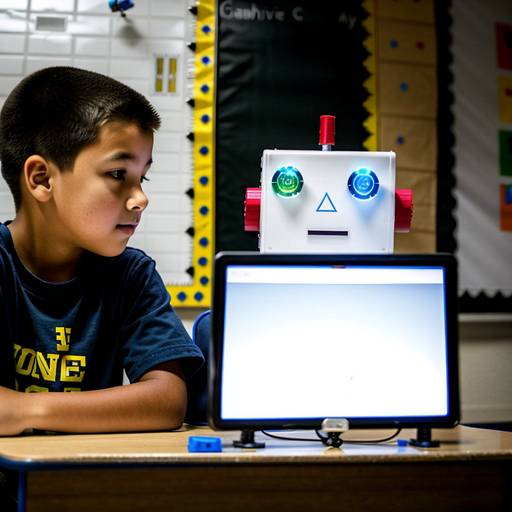
This lesson plan is designed for 3rd-grade students and introduces them to the fundamentals of robotics through engaging, hands-on activities. Students will learn about the basic components and functions of robots while collaborating in small groups to build a simple robot using provided materials. Over the course of two class periods, students will first explore the concept of robots, their real-world applications, and the roles of various team members in a project.
In the second class, groups will construct their robots and participate in two fun challenges: navigating an obstacle course and a timed race that tests their robot's speed. Throughout the lesson, emphasis is placed on teamwork, problem-solving, and creativity. Student participation will be assessed based on collaboration and challenge performance, and reflections will encourage them to consider the implications of robotics in everyday life and potential future applications. This lesson aims to foster an understanding of robotics while developing key 21st-century skills.
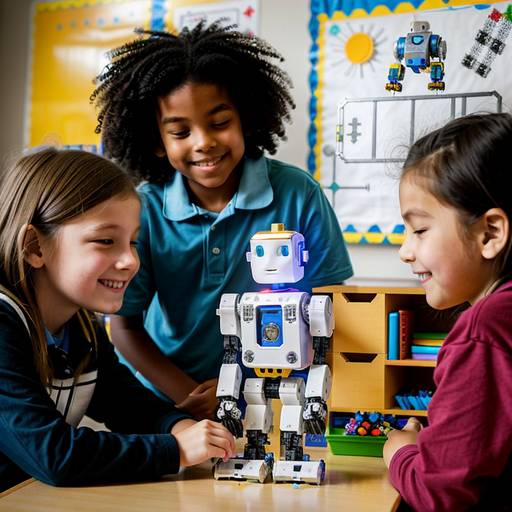
In this lesson plan designed for 3rd-grade students, learners will explore the world of robotics by engaging in the design and construction of their own simple robots using everyday materials. The lesson spans two class periods, beginning with an introduction to the concept of robots and their functions in daily life. Students will brainstorm and list the purposes and features of their robots in small groups and present their ideas to the class.
On the second day, students will put their designs into action by building their robots with provided materials, encouraging creativity and critical thinking. Throughout the building process, they will reflect on challenges and problem-solving strategies. Finally, each group will present their completed robots, demonstrating how they work and discussing their design process.
Assessment will focus on participation, creativity, functionality, and presentation skills. Extensions include modifying their robots for additional challenges and testing them in an obstacle course, reinforcing the learning experience. Overall, this activity fosters collaboration, critical thinking, and a deeper understanding of robotics and engineering concepts.
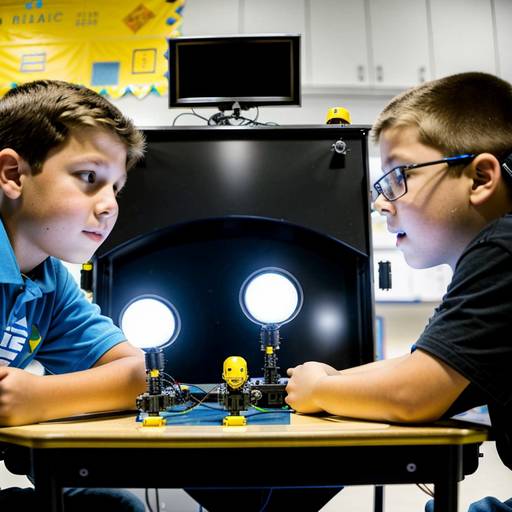
In this engaging technology lesson for 3rd-grade students, learners explore the fascinating world of robotics through hands-on activities and teamwork. The lesson begins with a video introduction to different types of robots, sparking a discussion about their real-life applications. Students are then divided into small groups where they brainstorm and plan a simple robot challenge. Each group designs and builds their own robot, using LEGO WeDo or Dash Robots, and learns to program it to complete a specific task or navigate obstacles.
After constructing their robots, groups test their designs, showcasing their projects to classmates and receiving constructive feedback. The lesson concludes with a reflective discussion, allowing students to share their experiences and insights about teamwork and the challenges they faced. Informal assessments through observation and reflective writings help gauge students' understanding and foster creativity in future robotics projects. This hands-on approach not only cultivates critical thinking and problem-solving skills but also encourages collaboration among peers.
This lesson plan for 3rd-grade students focuses on teaching essential internet navigation skills and the importance of online privacy. Students will gain an understanding of how to safely explore the internet and recognize the significance of keeping personal information secure. The lesson begins with a discussion about their online interests, followed by an explanation of key terms related to the internet and privacy settings.
Through guided practice, students will navigate a kid-friendly website, learning how to adjust basic privacy settings to control who can see their information. They will then fill out a checklist to reinforce their understanding of the concepts covered. The lesson concludes with a review and a Q&A session, allowing students to share their insights about maintaining online safety. Extension activities encourage creativity and reinforce safe practices. The plan also includes differentiation strategies to support all learners in the classroom. Overall, this lesson aims to equip students with vital skills for their digital interactions.
This technology lesson plan for 3rd-grade students focuses on developing essential internet skills, particularly in the areas of online safety and privacy settings. The lesson begins with a discussion on the internet and its uses, introducing key terms related to privacy and safety. Students then engage in conversations about safe and unsafe online behaviors, sharing personal experiences to reinforce their understanding. The instructor demonstrates how to access and modify privacy settings on a child-friendly platform, guiding students through the process on their own devices. An interactive quiz is conducted to assess comprehension, followed by the distribution of a "Dos and Don'ts" chart, which students complete and take home to discuss with their families. Assessment is based on participation, the quality of their completed charts, and quiz results. Extensions include a potential workshop for parents and a follow-up project involving discussions about online safety at home. This lesson aims to equip students with the knowledge and skills needed to navigate the digital world responsibly.
This lesson plan focuses on teaching third-grade students essential internet skills and netiquette. Over the course of one hour, students will engage in discussions about safe and unsafe online behaviors, emphasizing the importance of privacy and respectful communication. The lesson includes interactive elements, such as group discussions and role-playing scenarios, where students will categorize behaviors as safe or unsafe and demonstrate their understanding through performance. By the end of the lesson, students will have gained practical tips for being safe and respectful online, and they will receive a handout summarizing these guidelines to share with their families. Assessment will be based on participation, understanding of scenarios, and the quality of role plays, while adaptations will ensure all students are supported in their learning. The lesson encourages students to reflect on their learning and share their newfound knowledge within their communities.
In this 3rd-grade technology lesson, students will learn about the importance of maintaining and cleaning their devices. The lesson begins with a discussion about technology use at home and school, followed by an exploration of the benefits of keeping devices clean and the potential risks of neglecting them.
Through a guided demonstration, students will observe proper cleaning techniques using microfiber cloths and appropriate cleaning solutions. They will then participate in a hands-on activity where they will practice cleaning their own devices, reinforcing their understanding of safe and effective maintenance practices.
The lesson wraps up with a group discussion for students to reflect on what they learned, and they will receive handouts with cleaning guidelines to share with their families. Overall, the goal is to instill a sense of responsibility and hygiene in handling technology.
This lesson plan focuses on teaching 3rd-grade students the fundamental concepts of digital citizenship and the importance of protecting their personal information online. The lesson begins with an engaging video that introduces these concepts, followed by a guided discussion to reinforce understanding. A slide presentation highlights key points, including what constitutes personal information, safe online practices, and examples of safe versus unsafe behaviors.
Students then work in small groups to create colorful posters that illustrate effective online safety practices, promoting creativity and collaboration. The lesson includes an interactive game, Online Safety Bingo, to reinforce learning through fun engagement. To conclude, the instructor recaps the key points and distributes a handout summarizing the topics covered, encouraging students to share their newfound knowledge with family members. Assessment occurs through observational participation, group poster presentations, and Bingo game involvement, and possibilities for future lessons are suggested to build on this essential foundation of digital safety.
This lesson plan is designed for 3rd-grade students to develop essential internet skills and understand the importance of online safety. The session starts with a discussion about students' internet experiences and emphasizes the need for caution while navigating the digital world.
Students will learn to identify safe and unsafe online behaviors through engaging scenarios, encouraging them to think critically about their actions. They will work in pairs to classify these scenarios and discuss their reasoning, promoting collaboration and communication.
In a creative activity, students will create a "Digital Shield" collage that highlights their top three internet safety tips, allowing for personal expression while reinforcing their understanding of safe online practices. The lesson concludes with students sharing their collages and summarizing key safety concepts. Assessment will involve observing participation, reviewing worksheets, and evaluating the creative projects.
This plan also includes extensions such as creating a class blog or inviting a guest speaker to deepen students' understanding of internet safety in a fun, interactive manner. The overall goal is to empower students to become responsible digital citizens in an engaging and supportive environment.
In this 3rd-grade technology lesson, students will explore the fundamentals of internet skills and the importance of netiquette—polite behavior online. The class will begin with a discussion about the internet and its uses, followed by a brief educational video on internet safety and netiquette. Students will then work in small groups to create posters highlighting key netiquette rules, which they will present to their peers.
To reinforce their learning, students will participate in an internet scavenger hunt, utilizing safe and age-appropriate websites to find specific information while practicing respectful online communication. The lesson will conclude with a review of key concepts and distribution of handouts on internet safety tips for students to share with their families. Assessment will focus on group participation, the accuracy of scavenger hunt responses, and the quality of the netiquette posters. Extensions to the lesson may include creative writing or collaborative projects to further engage students in demonstrating their understanding of online etiquette.