
Filters
Level
Grade
Subject
Subject Area
Subject Topic
Standard(s)
Audience
Keyword
DurationMinutes
3rd Grade Music Lesson Plans

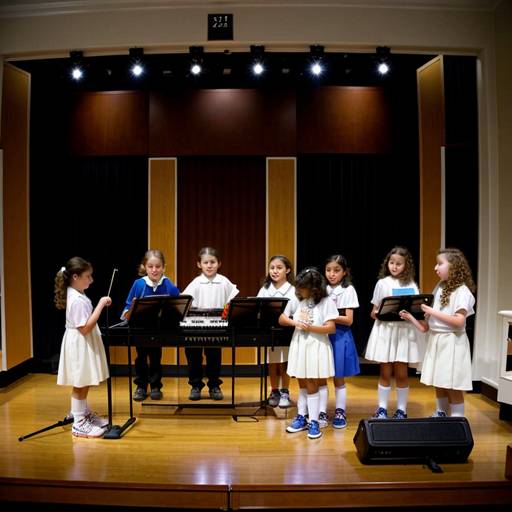
In this third-grade music history lesson, students explore various music periods, including Baroque, Classical, Romantic, and Contemporary. The lesson begins with a discussion on the importance of music and its historical context. Students then engage in a listening activity, where they hear key pieces from each period and share their thoughts on the instruments, emotions, and purposes of the music.
Following this, students are divided into small groups, each assigned a music period to create a short musical composition using simple instruments. This hands-on activity encourages creativity while allowing students to incorporate characteristics of their assigned period. Each group presents their composition to the class, fostering communication skills and teamwork.
The lesson concludes with a group reflection on what they learned about the evolution of music and its cultural significance. Students receive a worksheet summarizing the key features of each music period to reinforce their understanding and allow for individual assessment. Throughout the lesson, students actively participate in discussions and activities, promoting both musical appreciation and creativity.
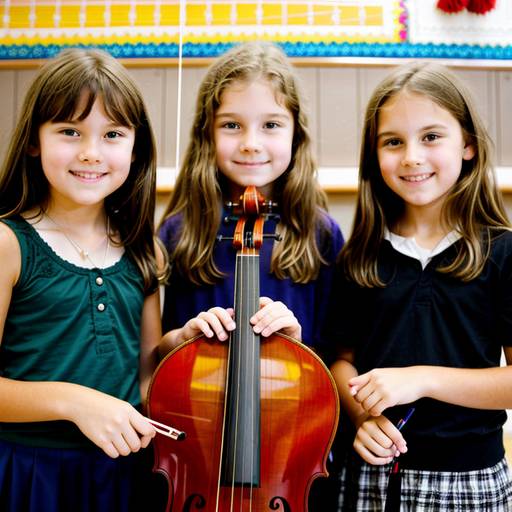
This music lesson plan for 3rd graders focuses on exploring string instruments and their unique characteristics. Students will begin with a warm-up song followed by an introduction to various string instruments through visual aids and audio clips. Engaging discussions will highlight the sounds and features of each instrument.
During a hands-on activity, students will work in small groups to create their own simple string instruments using rubber bands and cardboard boxes, allowing them to experiment with sound production. The lesson will conclude with a reflective discussion where students share what they’ve learned and complete a worksheet where they draw and label a string instrument of their choice.
Assessment will include observation of student participation and creativity in group presentations, as well as reviewing the worksheets. To enhance the learning experience, potential extensions include inviting a guest musician to share insights about string instruments or organizing a themed day for students to showcase their own instruments. Overall, the lesson aims to foster engagement and appreciation for music and string instruments.
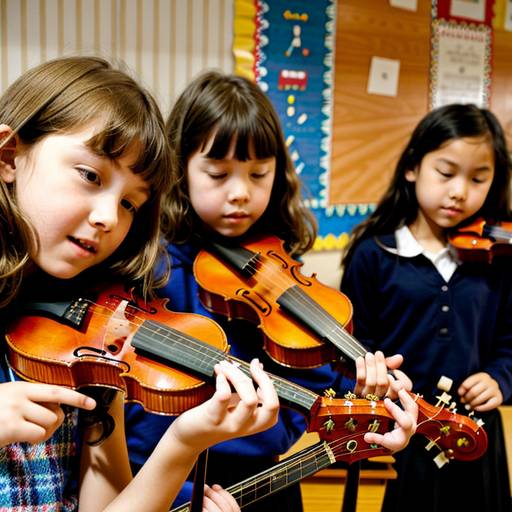
In this 45-minute music lesson for 3rd-grade students, learners are introduced to string instruments, including the violin, viola, cello, double bass, guitar, and harp. The lesson begins with a discussion about various musical instruments, followed by an exploration of how string instruments produce sound through vibrating strings. Students participate in a hands-on activity where they create their own simple shoebox guitars using cardboard shoeboxes, yarn, or rubber bands. They learn how the length and tension of the strings affect the sound produced. After constructing their instruments, groups share their creations with the class, demonstrating what they learned about sound production. The lesson concludes with a recap of key concepts, a discussion about student favorites, and an optional take-home worksheet for further reflection. Assessment is conducted through observation of participation and understanding, along with the evaluation of the take-home worksheets. Opportunities for extension include research projects on string instruments and potential guest musician visits. This interactive approach fosters creativity and engagement while teaching fundamental concepts related to music and sound.
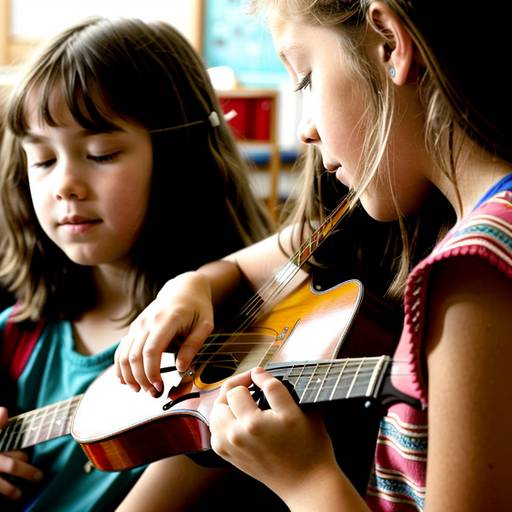
In this engaging music lesson for 3rd graders, students will explore the world of string instruments by identifying various types and understanding how sound is produced through their strings. The lesson begins with an interactive introduction, where students name instruments and listen to audio clips to appreciate their sounds.
Students will then learn basic playing techniques, including strumming and plucking, with the opportunity to experiment using simple string instruments, such as ukuleles or guitars. Afterward, they will work in small groups to create their own string instruments using craft materials, emphasizing the principles of sound production.
As a wrap-up activity, each group will present their instrument, demonstrating how it works and performing a simple pattern they practiced. The lesson concludes with a reflection activity where students draw their favorite string instrument and share what they learned, providing an assessment of their understanding. This lesson promotes collaboration, creativity, and a deeper appreciation for string instruments in music.
This lesson plan is designed for 3rd-grade students to explore music history and various musical styles over a 45-minute period. It begins with a discussion on the meaning of music, encouraging students to share their knowledge of different styles. Students will then listen to audio clips of genres such as Classical, Jazz, Rock, Folk, and Hip-Hop. After each clip, they will engage in discussions about the instruments, emotional responses, and potential cultural contexts of the music.
Following this, students will be divided into small groups, with each group assigned a specific musical style. They will brainstorm how to creatively represent their assigned genre using simple instruments or body percussion, culminating in a short performance for the class. The lesson concludes with reflections on the musical styles explored, and students will be tasked with a creative homework assignment involving a drawing and a brief written description of their favorite musical style or artist.
Assessment will be based on participation, group performance, and the completion of the homework assignment. Extensions include a project presentation day and the possibility of inviting a local musician to interact with the students. The overall goal is to inspire an appreciation for music history while fostering creativity and collaboration among the students.
In this 45-minute music lesson designed for 3rd graders, students will explore the lives and contributions of notable composers from different musical eras. The lesson begins with a warm-up sing-along to engage students and discuss the role of composers in creating music that tells stories and expresses emotions. Students will be introduced to several composers through pictures, audio clips, and a timeline that highlights their historical context and the types of music they created.
Working in small groups, students will delve into the background of a specific composer through "Composer Cards," discussing and sharing key facts about their assigned composer with the class. Following this, students will engage in a creative activity where they compose a simple melody inspired by their favorite composer. They will illustrate their music on blank staff paper, incorporating drawings that represent the feelings evoked by their melodies.
The lesson concludes with a sharing session, allowing students to present their compositions and reflect on how each composer has influenced the music they enjoy today. Assessment will be based on their participation, creativity, and understanding demonstrated during the activities. The lesson fosters collaborative learning and creativity while deepening students' appreciation for music history.
In this 3rd-grade music appreciation lesson, students explore famous songs from various genres and time periods, gaining an understanding of their cultural impact. The lesson begins with a discussion about music and personal favorites, followed by listening to selected classic songs. Students analyze the musical elements, such as instruments and mood, while discussing the historical significance of each piece.
In small groups, students research influential musicians or bands, preparing short presentations that highlight their assigned artist and the notable songs associated with them. This collaborative activity encourages teamwork and enhances their understanding of the connection between music and society.
The lesson concludes with a reflection exercise, where students draw or write about their favorite song from the lesson and share what they've learned. Assessment is based on participation, reflection worksheet completion, and ability to articulate insights about the music studied. Extensions include a home assignment to find and present another famous song, further promoting engagement with music appreciation. Overall, the lesson fosters a deeper connection to music and its role in culture.
In this 1-hour music lesson for 3rd graders, students will explore vocal techniques and performance skills through a group singing activity. The lesson begins with a warm-up to prepare their voices, followed by learning and practicing the song "This Little Light of Mine" in parts. Students will develop their singing abilities by focusing on breath support, pitch, and dynamics. The class will then be divided into two groups to practice harmonizing before coming together for a final performance. The lesson concludes with a reflection on their singing experience, encouraging ongoing musical engagement. Assessment will be based on participation and the ability to sing in harmony, fostering teamwork and appreciation for music.