
Filters
Level
Grade
Subject
Subject Area
Subject Topic
Standard(s)
Audience
Keyword
DurationMinutes
3rd Grade Music Lesson Plans


In this engaging music appreciation lesson for 3rd-grade students, learners will explore various music genres, including classical, jazz, rock, and folk. The lesson begins with a discussion about the importance of music and sharing individual preferences. Students will then participate in a listening station activity where they analyze short audio clips, describe the music using adjectives, and present their findings to the class.
Next, they will interpret each genre through movement, adapting their movements to reflect the characteristics of the music. Following this, students will create artwork that represents their favorite genre, allowing them to express their feelings creatively. Finally, the lesson concludes with a reflection on the different genres explored, with students sharing their favorites and contributing their artwork to a collaborative class project. Assessment will be based on participation, creativity, and the ability to describe and identify music genres.

In this 3rd-grade music appreciation lesson, students will embark on an exploration of various music genres from around the world. The lesson begins with a discussion about the significance of music and the concept of genres. After introducing several styles such as classical, jazz, rock, hip-hop, folk, and pop, students will listen to brief audio clips of each genre and share their thoughts and feelings about the music.
Following this, students will work in small groups to create informative posters about their assigned genre, highlighting characteristics, instruments, and notable artists. Each group will then present their findings to the class, fostering engagement and discussion. The lesson concludes with a reflection on the students' favorite genres and how music connects people across cultures. Additionally, there will be opportunities for further exploration in subsequent classes. Assessment will be based on participation, creativity in their projects, and the ability to articulate thoughts regarding the music.

In this engaging 60-minute music lesson for 3rd graders, students explore various musical styles, including classical, jazz, rock, folk, and hip-hop, along with their historical contexts. The lesson begins with an open discussion about music's significance, followed by an overview of each style's key characteristics and notable musicians.
Students participate in a listening activity where they hear short clips from each genre, discussing their impressions and the elements that define each style. Afterward, they are divided into small groups, where they create their own rhythm or melody inspired by the assigned genre using percussion instruments.
Each group performs their composition for the class, sharing how it reflects their chosen style. The lesson concludes with a reflection on what they learned, and students have the option to complete a creative homework assignment about their favorite musical style. This interactive lesson fosters an appreciation for the diversity of music and encourages self-expression through creativity and collaboration.
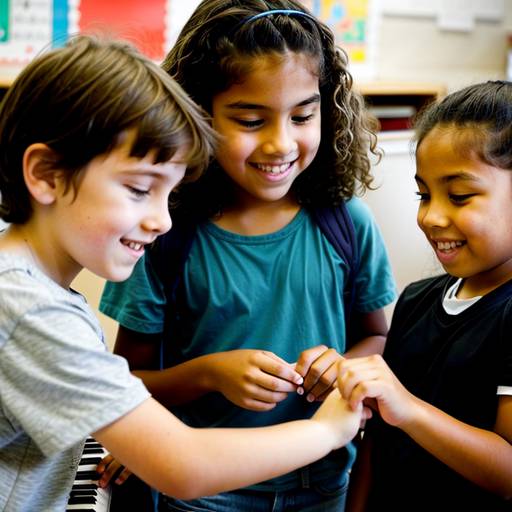
In this music lesson for 3rd-grade students, the focus is on understanding music theory with an emphasis on rhythm and beats. The session begins with a warm-up clapping activity to introduce the concepts of beat and rhythm, highlighting how the beat serves as the foundation of music. Students then learn about quarter and eighth notes, identifying their values and how they can be combined to create rhythm patterns.
Through guided practice, students work in small groups to clap out rhythms from flashcards, fostering collaboration and active participation. They also engage in independent practice by completing worksheets with rhythm patterns to reinforce their understanding. The lesson concludes with a share-out session where students reflect on what they learned, followed by a fun rhythm game that encourages creativity in developing their own patterns. Throughout the lesson, student comprehension is informally assessed through observation and worksheet review, with opportunities for extension into cultural rhythms using percussion instruments.
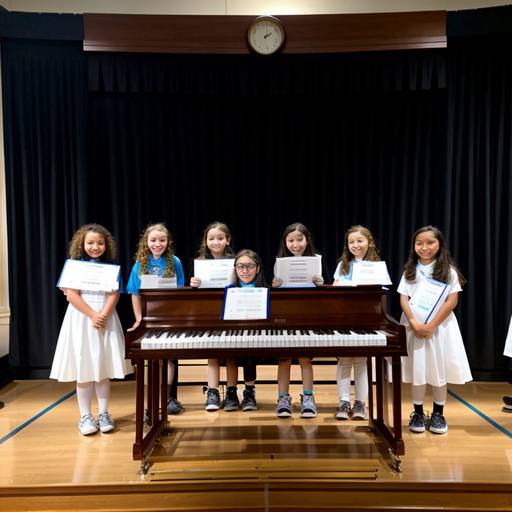
In this 1-hour music lesson for 3rd-grade students, the focus is on exploring three influential composers: Mozart, Beethoven, and Bach. The lesson begins with an interactive introduction, inviting students to share any knowledge they have about composers. Students then engage in a direct instruction segment where each composer is presented with fun facts, accompanied by listening activities featuring selected musical pieces.
Group work follows, where students compare and contrast two of the composers using a Venn diagram. This is followed by a creative activity in which each student creates a "Composer Trading Card" that includes a drawing, a fun fact, and a favorite piece of music related to their chosen composer. The lesson concludes with a sharing session and an exit ticket activity to reinforce what they’ve learned. Assessment is based on participation, completion of the Venn diagram, and the trading cards, with extensions offered for further exploration at home. This engaging approach helps students connect with music history and develop an appreciation for these great composers.
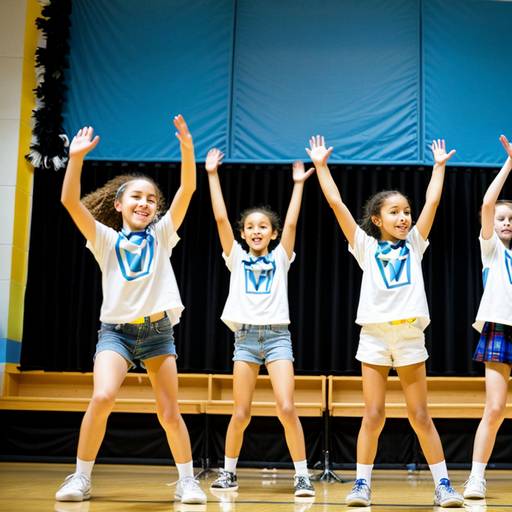
In this 45-minute music lesson for 3rd graders, students will explore the concept of dynamics, focusing on loud and soft sounds in music. The lesson begins with a discussion about dynamics, introducing key terms such as piano (soft), forte (loud), mezzo-piano, and mezzo-forte. Students will practice these concepts through movement activities, where they express dynamics by moving energetically for loud sounds and gently for soft sounds, coordinated with varying music selections.
Next, the class will engage in vocal exercises using a familiar song, taking turns singing at different dynamic levels to understand how dynamics can change the mood of a piece. The lesson further includes a group percussion ensemble, where small groups of students are assigned different dynamic levels to perform together, reinforcing their understanding through collaborative music-making.
Finally, the lesson concludes with a reflection on the importance of dynamics in music and encourages students to listen for these changes in their favorite songs at home. Assessment will be based on students' participation and demonstration of dynamic concepts throughout the activities. Extension ideas include a homework assignment that involves listening to music and identifying dynamic changes. Overall, the lesson effectively combines music theory and physical activity to deepen understanding of musical dynamics.
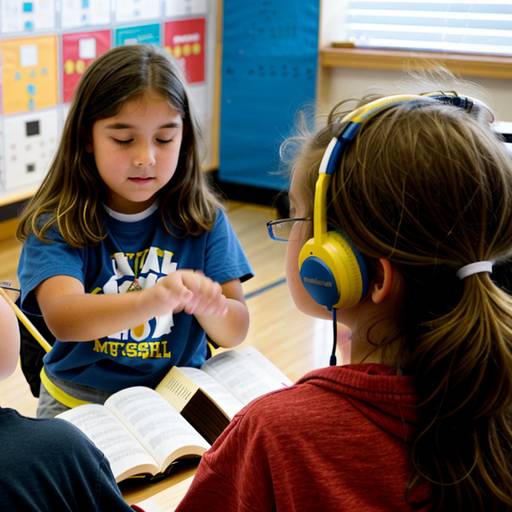
In this engaging music lesson for 3rd graders, students will explore the concepts of musical dynamics, focusing on the terms loud (forte) and soft (piano) as well as the effects of crescendo and decrescendo. The lesson begins with a brief discussion and introduction of terminology, followed by a listening activity where students analyze sound excerpts to identify dynamics and their emotional impact.
Next, students will work in small groups using percussion instruments to create their own short musical pieces, incorporating dynamic variations. Each group will perform for the class, demonstrating their understanding of dynamics and sharing how these elements enhance their performances.
The lesson concludes with a reflection where students revisit key terms and share their favorite parts of the experience. They will also complete worksheets featuring dynamic symbols for further reinforcement. Observations during group work, performances, and the completed worksheets will serve as assessment tools to gauge students’ understanding of music dynamics. Accommodations will be made for those needing different forms of expression, ensuring all students can participate meaningfully.
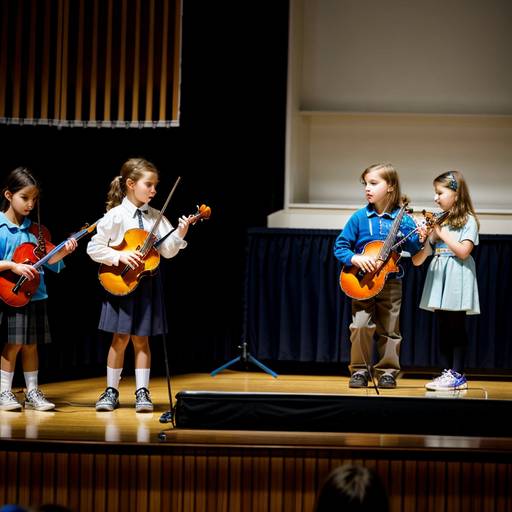
In this 3rd-grade music lesson, students will explore the fascinating world of string instruments. The session begins with an engaging audio clip featuring various string instruments, prompting students to identify and discuss the sounds. After introducing different types of string instruments and explaining how they produce sound through vibrating strings, the teacher will use visual aids and worksheets to reinforce key concepts.
Students will then have the opportunity to hear live demonstrations of selected string instruments, allowing them to experience the unique sounds each instrument produces. The lesson will include a collaborative group activity where students create a simple melody using either real string instruments or through acting out their movements. Each group will present their melodies to the class, fostering creativity and teamwork.
The lesson will conclude with a reflection discussion about favorite instruments and what was learned during the session. Assessment will focus on student engagement, understanding of concepts, and group presentations. Extensions and adaptations are included to accommodate a range of learning needs and interests, ensuring an inclusive and enriching experience for all students.
In this 45-minute music lesson for 3rd graders, students will explore the concept of dynamics in music, learning about the terms forte (loud), piano (soft), mezzo forte (moderately loud), and mezzo piano (moderately soft). The lesson begins with an engaging discussion about dynamics, followed by a listening activity where students identify these dynamic changes in various musical clips.
Students will then break into small groups to create and present rhythm patterns using different dynamics with instruments provided. Afterward, they'll engage their voices in a creative exercise where they compose a short musical phrase that incorporates at least two dynamics, using movement to illustrate the changes.
The lesson concludes with a class discussion that highlights how dynamics influence the emotional expression in music. Student participation, both in group activities and their presentations, will be observed to assess their understanding and implementation of dynamics. For an extension, students will be encouraged to identify dynamics in their favorite songs and share their findings in the next class.

In this engaging lesson plan for 3rd-grade music students, the focus is on exploring the concepts of singing and pitch. The students will begin with vocal warm-up exercises that help them develop pitch recognition and flexibility. They will learn to differentiate between high and low pitches using colorful visual aids, which associate various colors with pitch levels.
Interactive activities include a sing-along where students are divided into groups to sing high and low notes and a "Pitch Walk," where they physically move to designated areas to embody different pitches. Listening activities will involve audio clips of songs with clear pitch variations, allowing students to demonstrate their understanding by reacting with thumbs-up or thumbs-down signals.
To further reinforce their learning, the students will practice singing a simple song that incorporates both high and low pitches in a call-and-response format. The lesson concludes with a circle discussion, where students reflect on their experiences and share what they’ve learned about pitch. Assessment will be conducted through observations and participation in activities, and extension opportunities will encourage students to create their own pitch charts and identify pitch variations in music at home. This lesson promotes active participation and enhances musical skills through a fun and interactive approach.