
Filters
Level
Grade
Subject
Subject Area
Subject Topic
Standard(s)
Audience
Keyword
DurationMinutes
3rd Grade Music Lesson Plans

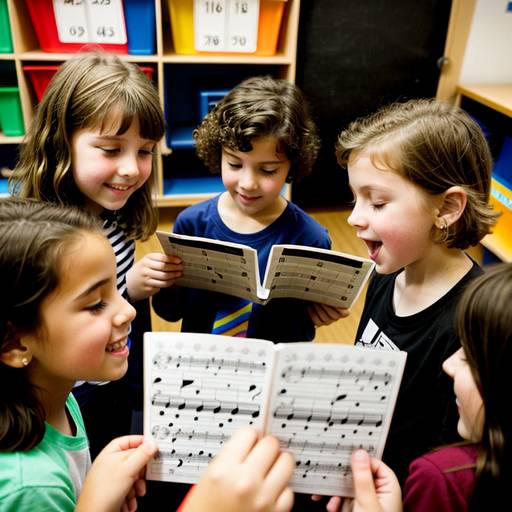
In this engaging music theory lesson for 3rd-grade students, the focus is on helping them identify and name basic musical notes (A, B, C, D, E, F, G) and understand the structure of a musical staff and treble clef. The lesson begins with an introduction to the significance of music and the basics of the staff, including the placement of notes. Students participate in an interactive game, "Note Name Relay," where they work in groups to identify notes by collecting flashcards and representing them accurately on the staff.
Following the game, students complete worksheets to reinforce their understanding of note names and staff positions. The lesson concludes with a review of key concepts, encouraging students to share their thoughts and emphasizing the importance of practicing at home. Assessment is based on participation and worksheet completion, and possible extensions include introducing basic rhythms and encouraging instrument play. Overall, the lesson creates a dynamic and supportive learning environment for foundational music theory.
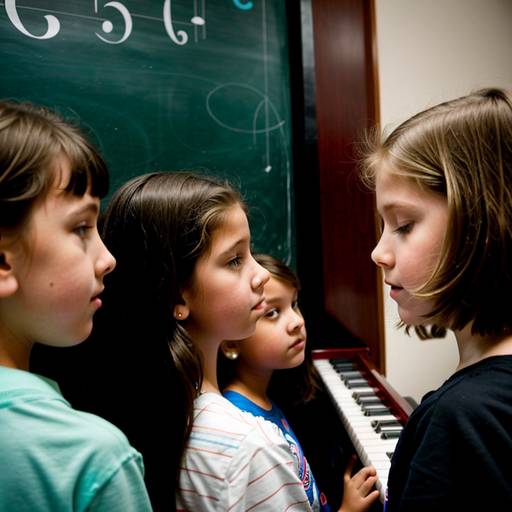
This lesson plan focuses on helping 3rd-grade students understand and identify high and low pitches through a variety of engaging activities. The lesson begins with vocal warm-ups and a discussion about pitch, coupled with audio examples of different sounds to illustrate the concept. Students then practice singing a simple song that emphasizes high and low notes, encouraging them to actively participate in vocal exercises.
To reinforce learning, the students are divided into two groups for a call-and-response game that allows them to mimic and respond to pitch changes. A movement activity, called "Pitch Freeze," further engages students by combining physical activity with musical learning as they must react based on pitch cues. The lesson concludes with a group reflection where students share what they learned, promoting communication and collaboration. Assessment is based on their participation and understanding throughout the activities, with extensions that encourage exploration of pitch in their everyday lives.
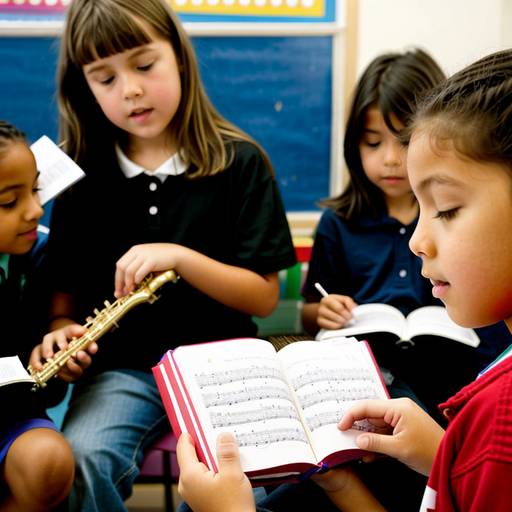
In this 3rd-grade music lesson, students will explore the fundamentals of music theory, specifically focusing on identifying and naming basic musical notes: whole notes, half notes, and quarter notes. The lesson begins with an interactive discussion to introduce these notes and their corresponding beats.
Students will participate in a fun game utilizing flashcards to reinforce their understanding, clapping and tapping out rhythms as they identify each note. They will then practice with percussion instruments, playing along to a steady beat and applying their knowledge of rhythms.
To further solidify their learning, students will complete worksheets that challenge them to identify note names and draw notes based on given rhythms. The class will conclude with a group reflection, allowing students to share their insights and favorite activities from the lesson. The assessment will be based on observational evaluations during activities and the completion of worksheets, ensuring that each student reaches a foundational understanding of musical note names and rhythms. Extensions and accommodations will be provided to enhance learning for all students.
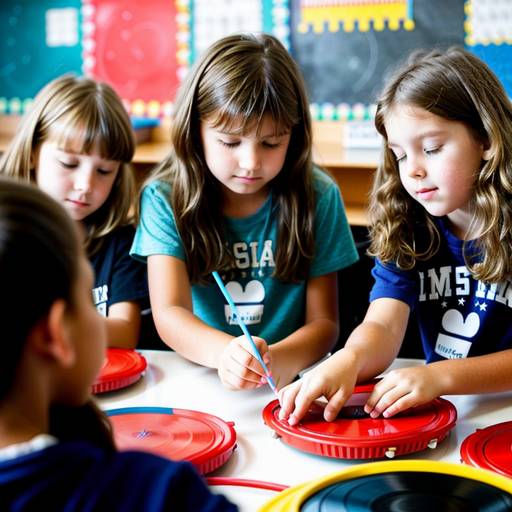
In this 3rd-grade music lesson, students will explore the concept of rhythm and learn to identify and perform basic rhythmic patterns. The session begins with a discussion on rhythm and tempo, differentiating between fast and slow beats. Students engage in a warm-up activity that involves clapping various rhythms at different tempos. They are then introduced to rhythmic notation through flashcards representing different note values and practice clapping simple rhythms together as a class.
Students will be divided into small groups to compose their own short rhythmic pieces, using body percussion and classroom instruments. After practice time, each group will perform their composition for the class, receiving feedback and encouragement. The lesson concludes with a discussion that reinforces the understanding of rhythm and encourages students to notice rhythm in their daily lives. Assessment will focus on participation, engagement, and the creativity demonstrated in group compositions. Extensions may include exploring rhythm with different instruments or using music notation software to deepen their understanding.
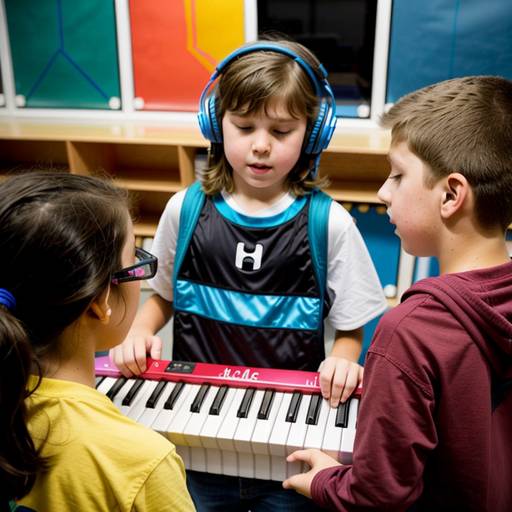
In this 3rd-grade music lesson, students will explore the fundamental concepts of rhythm and music theory by engaging in various activities related to beat, tempo, and rhythm patterns. The lesson begins with a discussion about the differences between beat and rhythm, where students will participate in clapping exercises to demonstrate their understanding. They will then explore tempo through listening and clapping exercises using a metronome or rhythm app.
Following this, students will work in small groups to practice and perform simple rhythm patterns using handouts provided by the teacher. The lesson includes an interactive game where students will mimic rhythms demonstrated by their peers, encouraging creativity and participation. At the end of the lesson, students will reflect on what they learned about rhythm and its presence in music and everyday life. Assessment will be based on observation of group participation, accuracy in rhythm replication, and understanding of rhythm notation through a worksheet. Extension activities will encourage further exploration of rhythm outside the classroom and promote composition skills. The overall goal is to build a solid foundation in rhythm while fostering a love for music.
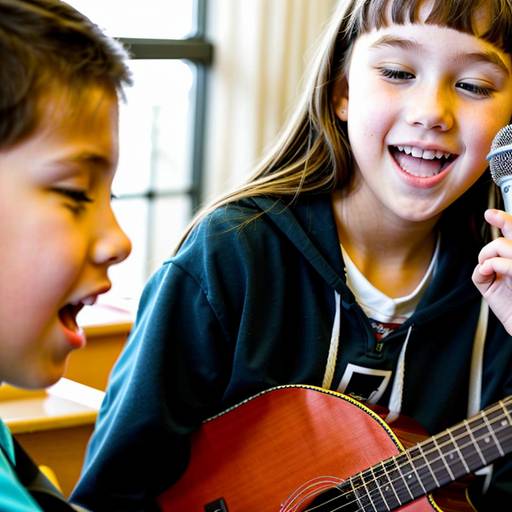
In this 45-minute music lesson for 3rd graders, students will explore singing techniques, focusing on posture, breath control, dynamics, and expression. The lesson begins with a discussion about the importance of singing followed by engaging vocal warm-ups. Students will learn to differentiate between loud and soft dynamics through clapping exercises and by singing familiar phrases while varying their volume and emotion. The main activity involves learning and preparing a simple song, emphasizing pitch and rhythm, while also encouraging creative expression through gestures and facial expressions. The lesson culminates in a group performance, providing students an opportunity to showcase their skills and build confidence. The session concludes with a reflective discussion, allowing students to share their experiences and insights gained from the lesson. Observations will be made to assess student engagement and technique throughout the activities, with opportunities for extensions such as creating new verses for the song and participating in future performances.
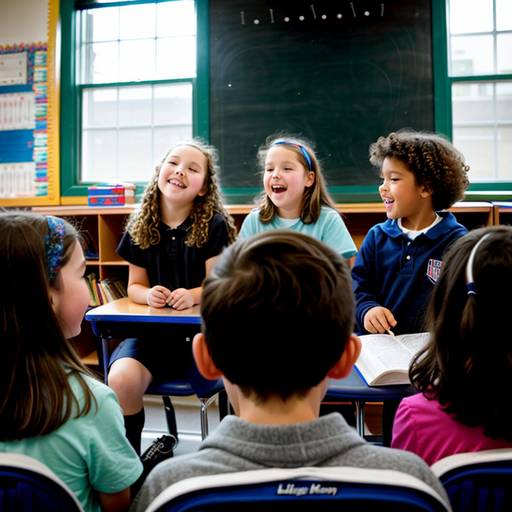
This lesson plan focuses on teaching 3rd-grade students about musical pitch through interactive singing activities. Students will learn to identify and differentiate between high and low pitches by participating in warm-up vocal exercises and singing selected songs that emphasize these concepts. They will engage in a fun pitch card game to reinforce their understanding of high and low notes. Additionally, students will work in small groups to create their own original melodies using simple instruments, incorporating both high and low pitches, and then perform their creations for the class. The lesson concludes with a recap to reinforce learning and encourages students to explore pitch in their favorite songs at home. Assessment will be based on student participation, understanding of pitch concepts, and the creativity demonstrated in their group melodies.
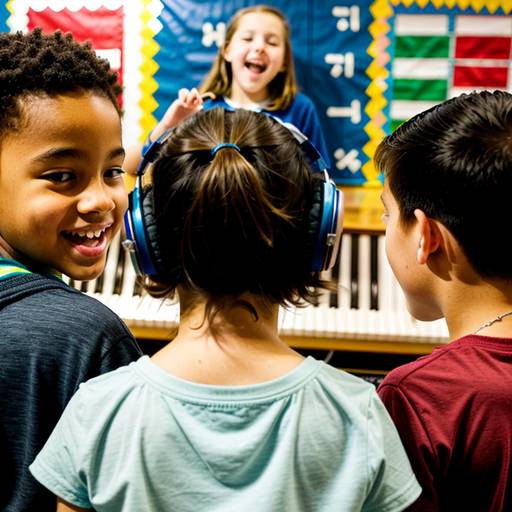
In this 45-minute music lesson for 3rd graders, students will focus on singing, rhythm, and expression through a simple song. The lesson begins with a discussion about the emotions conveyed in music, followed by vocal warm-up exercises that encourage both sound and movement. After introducing a chosen song, students will listen to its melody and rhythm, then practice singing and engaging with the lyrics in small groups. They will have the opportunity to use percussion instruments to enhance the song's rhythm. The lesson concludes with a mini-performance where students showcase their teamwork and musical skills. Reflection time allows students to share their feelings about the experience and what they learned about expressing music through performance. Assessment will focus on participation, pitch accuracy, rhythm maintenance, and engagement during the activity. Extension activities may include creating a music video or organizing a showcase for family and friends. Overall, this lesson encourages creativity, collaboration, and confidence in musical exploration.
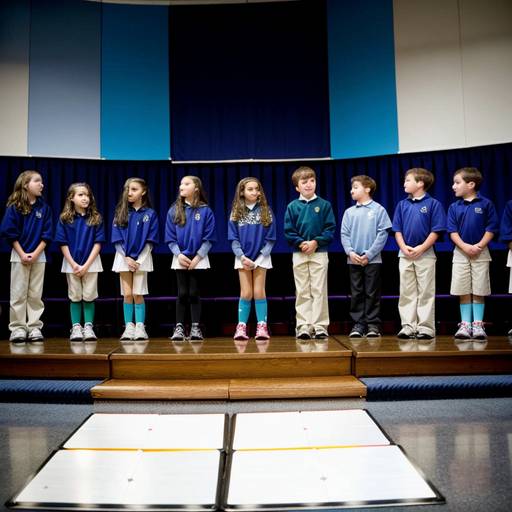
In this engaging music appreciation lesson for 3rd graders, students will explore famous songs from various genres to understand their emotional impact and cultural significance. The lesson begins with a discussion about favorite songs, allowing students to express how music resonates with them. Following this, they will listen to short excerpts from selected well-known songs and participate in a guided discussion about the feelings and messages conveyed in each piece.
After listening, students will be divided into small groups, where each group will analyze a specific song, discussing its themes and personal connections. They will create visual posters to represent their song's emotions and meanings, fostering collaboration and creativity. Each group will then present their work to the class, encouraging further dialogue and questions.
The lesson concludes with a reflection on the power of music in connecting people and cultures. An optional extension activity allows students to create their own short songs or poems inspired by the emotions explored. Assessment will focus on participation, the creativity of the posters, and the ability to articulate personal connections to the music. The lesson aims to foster a deeper appreciation for music and enhance students' understanding of its role in expressing emotions and storytelling.
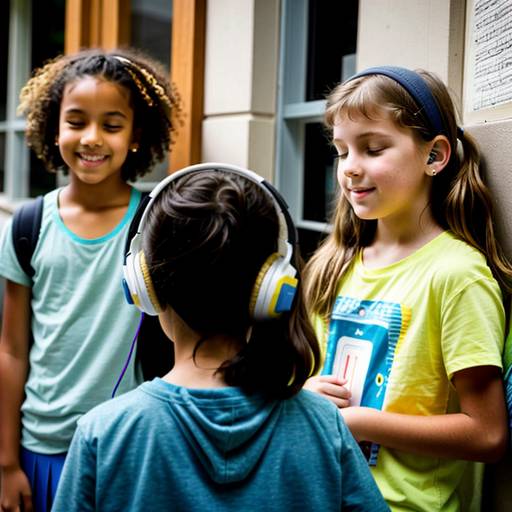
In this 3rd-grade music appreciation lesson, students will engage in an exploration of various musical genres and instruments while developing their listening skills. The lesson begins with a discussion about music and its significance, where students share their favorite types and instruments.
Next, the class will listen to several short excerpts of music, followed by reflections on the instruments heard and the emotions evoked by the pieces. Visual aids featuring different instruments will support this discussion.
Students will then express their creativity by drawing an instrument they heard or depicting the feelings the music inspired. A group discussion will follow, allowing students to share their perspectives and learn about music as a form of expression.
Finally, the lesson concludes with a fun song that encourages participation. Assessment will be based on student engagement during discussions and the artwork they create. Extensions will promote further exploration of music at home and collaboration to build a classroom playlist. Overall, this lesson aims to foster a deeper appreciation for music and enhance critical listening skills.