
Filters
Level
Grade
Subject
Subject Area
Subject Topic
Standard(s)
Audience
Keyword
DurationMinutes
3rd Grade Measurement Lesson Plans

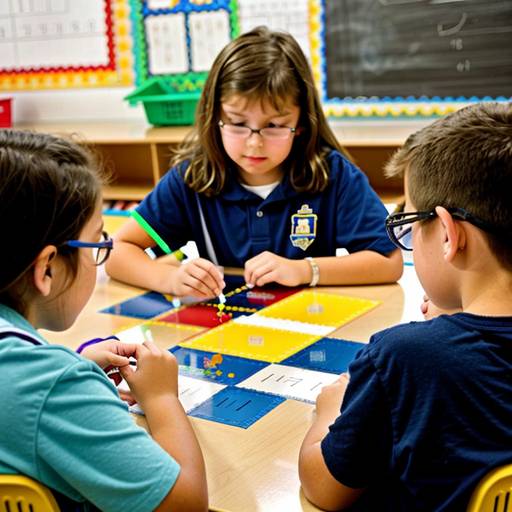
In this 60-minute lesson plan for 3rd graders, students will learn about measurement and time through interactive activities. The lesson begins with a discussion about the importance of knowing how to read a clock, followed by a demonstration on interpreting analog clocks. Students will engage in a guided practice session where they work in pairs to tell time and measure various classroom objects using rulers and measuring tapes.
For independent practice, they will complete a worksheet that includes both clock-reading and measurement tasks. To conclude, the class will review key concepts and share their learning experiences. Assessment will focus on students’ abilities to read clocks accurately and measure objects correctly. The lesson also provides opportunities for extensions and modifications to address different learning needs, as well as a home connection to reinforce skills outside of the classroom.
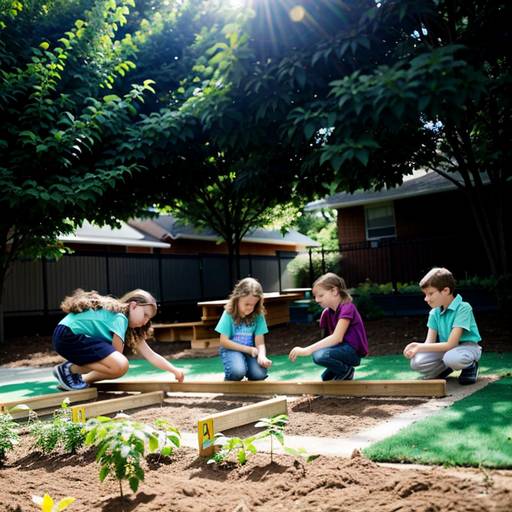
In this lesson, 3rd-grade students will explore the concepts of measurement and perimeter through a hands-on approach related to designing a garden layout. The lesson begins with an introduction to perimeter, emphasizing its real-world applications in everyday life. Students will learn how to measure lengths and widths using rulers and yardsticks, and they will be introduced to the formulas for calculating the perimeter of squares and rectangles.
Guided practice will involve small groups measuring a pre-drawn garden layout on graph paper and calculating its perimeter collaboratively. Following this, students will independently complete worksheets to practice finding the perimeter of various geometric shapes. For the hands-on activity, students will measure real garden spaces or use a digital design to create their own garden, calculating the necessary perimeter for fencing.
The lesson culminates with group presentations where students showcase their designs and perimeter calculations, fostering communication skills and reinforcing their understanding of the topic. Assessment will include observation of group interactions, review of worksheets, and a reflective exit ticket. Differentiation strategies will support various learner needs, ensuring an inclusive environment for all students.
In this engaging lesson designed for 3rd graders, students explore the concepts of measurement related to time and length. They will learn to use various tools such as rulers and stopwatches to measure items and track durations. The lesson begins with a discussion on the importance of measurement in everyday life, followed by hands-on activities in small groups where students measure classroom objects in both inches and centimeters.
Next, students practice telling time using analog clocks and engage in a fun game to reinforce their skills. For a practical application, students choose physical tasks, measure the time it takes to complete them with a stopwatch, and record the results on a chart. The lesson concludes with a reflection on how the skills learned can be applied outside the classroom.
Assessment is based on observation during activities and the accuracy of recorded measurements. Differentiation strategies ensure that all learners can participate and succeed, while extensions offer opportunities for further exploration of measurement concepts. This interactive approach fosters both understanding and curiosity about measurement in the students’ daily lives.
In this 3rd-grade math lesson, students will explore the concepts of measurement and perimeter. They will begin with a discussion to define perimeter and learn how to measure lengths using rulers and measuring tapes. The teacher will demonstrate how to calculate the perimeter of various shapes, such as rectangles and squares, using specific formulas.
Students will then engage in guided practice with worksheets that include different shapes to find their perimeters in pairs. Following this, they will participate in a hands-on activity where they measure classroom objects and calculate their perimeters, reinforcing their understanding through real-world application.
The lesson will conclude with a group discussion where students share their measurements and findings. Student understanding will be assessed through observation and evaluated worksheets. Extensions and additional support will be available to accommodate varying skill levels, ensuring all students grasp the concepts of measurement and perimeter effectively.
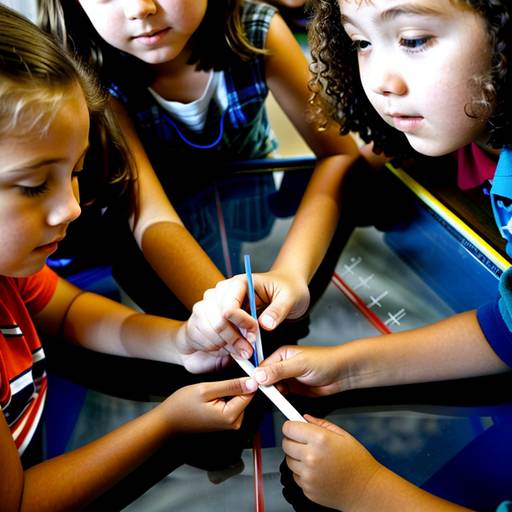
This 3rd-grade math lesson focuses on the concepts of measurement, specifically length and temperature. Students will learn how to measure objects using rulers in both inches and centimeters, and understand how to read temperatures using thermometers, distinguishing between Fahrenheit and Celsius.
The lesson begins with an engaging discussion about measurement in everyday life, followed by direct instruction that demonstrates the proper use of measurement tools. Students will then participate in guided practice by measuring various classroom objects and recording temperature readings from liquids.
Following this, learners will independently complete a worksheet that includes measuring items and converting temperature between Fahrenheit and Celsius. The lesson concludes with a group discussion to review findings and reinforce the importance of measurement in daily activities. Assessment will be based on observation and worksheet completion, with extensions available for further exploration of measurement concepts. Overall, this lesson aims to provide a hands-on and interactive learning experience that enhances students' understanding of measurement.
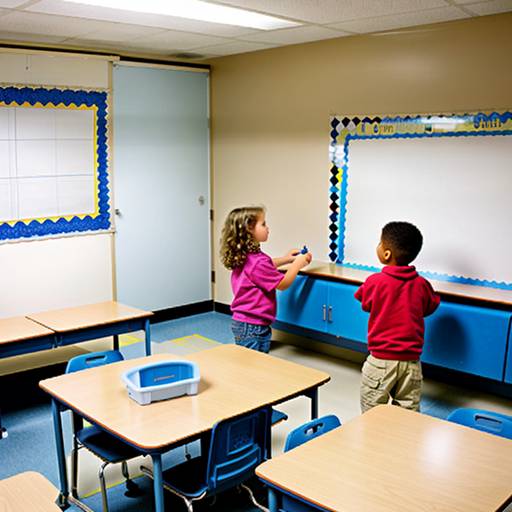
In this 3rd-grade math lesson, students will explore the concept of area as a measurement of space within rectangles. They will learn to calculate area using the formula: Area = Length x Width. The lesson begins with a discussion about area, followed by direct instruction that includes measuring objects in the classroom together. Students will then engage in guided practice by measuring and calculating the area of various rectangular shape cut-outs in pairs. Afterward, they will complete an independent practice worksheet using grid paper to measure and calculate the area of different rectangles. The lesson concludes with students sharing their findings and discussing the real-life significance of area measurement. Throughout the lesson, students will use rulers and measuring tapes, and the teacher will assess understanding through observation and worksheet review. Modifications and extension activities are included to accommodate varying skill levels and encourage further exploration.
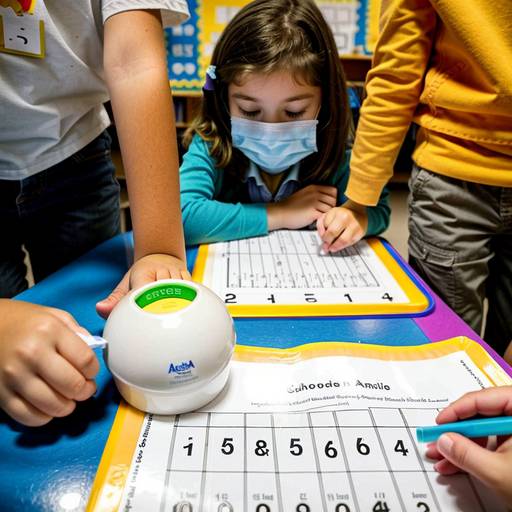
In this 3rd-grade math lesson, students will explore the concepts of measurement and volume through a series of engaging activities. The lesson begins with a discussion on the importance of measurement in everyday life, introducing key units for measuring liquids and solids. Following this, children will learn how to measure volume using measuring cups and calculate the volume of different shapes, particularly rectangular prisms.
Students will participate in hands-on exploration through learning stations that allow them to measure liquid volumes, calculate the dimensions and volume of boxes, estimate and measure the volume of containers filled with sand or water, and use graph paper for visual representation of their findings.
The lesson concludes with a reflection where students share their discoveries and challenges faced during activities. An optional homework assignment will further reinforce their understanding of volume calculations and estimations in real-world contexts. Differentiated approaches are employed to support various learners, ensuring that each student can effectively engage with the material. This comprehensive lesson promotes teamwork, critical thinking, and practical application of mathematical concepts.
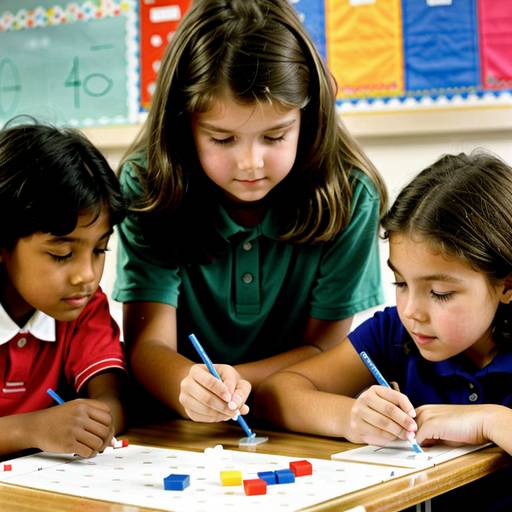
This 3rd-grade math lesson focuses on the concepts of measurement and weight, aiming to help students understand and apply these ideas through hands-on activities. The lesson begins with an introduction to the importance of measurement in everyday life and covers the differences between length and weight, along with various units of measurement such as inches, centimeters, pounds, and grams.
Students engage in both direct instruction and guided practice, where they work in small groups to measure and weigh classroom objects using rulers and balance scales. They record their findings on chart paper and participate in discussions about their measurements. For independent practice, students complete a worksheet that requires them to measure additional objects, documenting their lengths and weights.
The lesson concludes with group presentations, allowing students to share their findings and enhance their communication skills. Assessment is based on worksheet accuracy and participation in discussions. Modifications are provided for students who may need extra support, and extensions are suggested to further explore measurement in real-world contexts. Overall, the lesson promotes critical thinking, collaboration, and practical application of measurement skills.
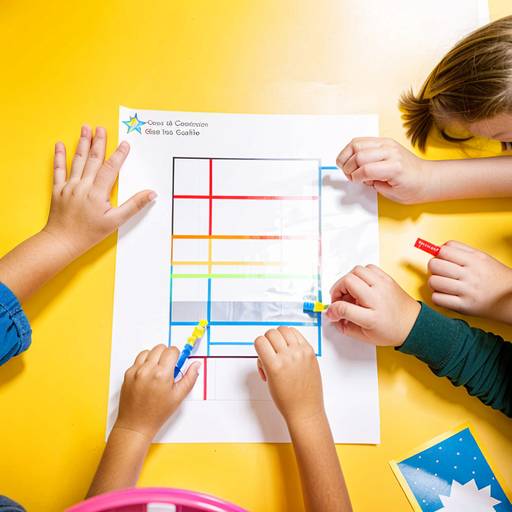
In this 60-minute math lesson for 3rd graders, students will explore the concepts of measurement and length while developing their skills in using standard units. The lesson begins with an engaging introduction that prompts students to discuss the meaning and importance of measurement. Following direct instruction, the teacher demonstrates how to use rulers and measuring tapes to measure various objects.
Students will then participate in guided practice in small groups, measuring items in both inches and centimeters and recording their findings. They will engage in an independent activity where they cut a piece of string to a specified length, re-measure their work, and find classroom objects that match the length of their string.
The lesson concludes with a group discussion where students share their measurements and insights. Assessment will focus on participation, accuracy of recorded measurements, and the completion of activities. Extensions include a measurement scavenger hunt and a home project, allowing students to connect measurement to real-world applications. The lesson emphasizes hands-on learning, collaboration, and the practical use of measurement in everyday life.
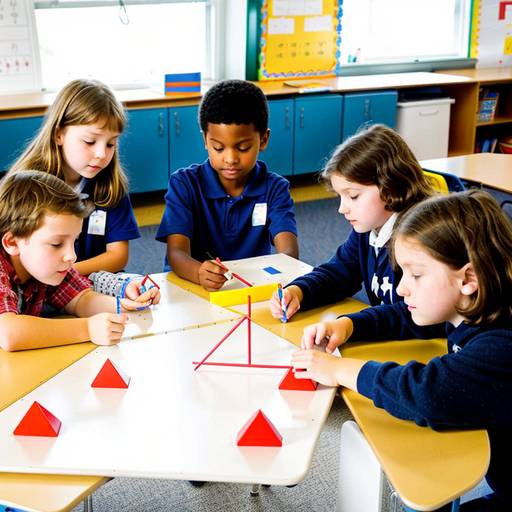
This 3rd-grade math lesson focuses on introducing students to the concept of perimeter. The lesson begins with an engaging discussion to elicit prior knowledge and define perimeter as the distance around a shape. Through guided practice, students use rulers and measuring tools to measure the sides of given polygons and calculate their perimeters by adding the lengths together.
Students then participate in an independent activity where they choose an object in the classroom, measure its sides using string or yarn, and calculate its perimeter. The lesson concludes with students sharing their findings and reflecting on their learning experiences. Assessment includes observation of group interactions, reviewing completed worksheets for measurement accuracy, and evaluating exit tickets to gauge individual understanding. Differentiation strategies are in place to support varying skill levels, ensuring all students can engage meaningfully with the content. Overall, students will gain practical measurement skills and a solid understanding of perimeter through interactive activities.