
Filters
Level
Grade
Subject
Subject Area
Subject Topic
Standard(s)
Audience
Keyword
DurationMinutes
3rd Grade Measurement Lesson Plans

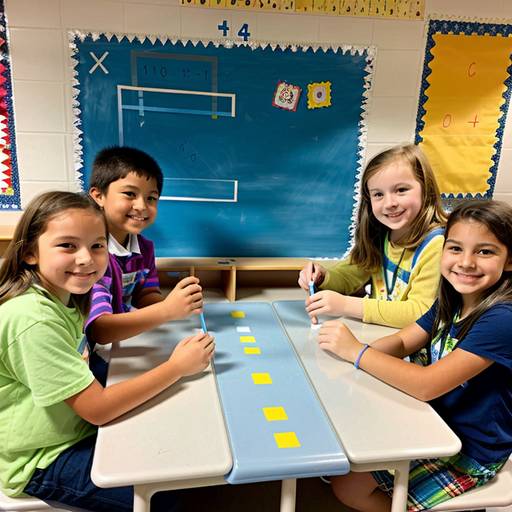
In this 3rd-grade math lesson, students will explore the concept of area and measurement through engaging hands-on activities. The lesson begins with an introduction to area, using everyday examples and the formula for calculating the area of rectangles and squares. Students will practice drawing shapes on grid paper and use rulers or measuring tapes to find the dimensions of various objects in the classroom. They will then calculate the area of these objects and visually represent them by shading the corresponding squares on the grid. The lesson concludes with a review of key concepts, emphasizing the relationship between area and multiplication. Students will demonstrate their understanding through observations and discussions, and opportunities for extension will be provided for more complex shapes in future lessons.
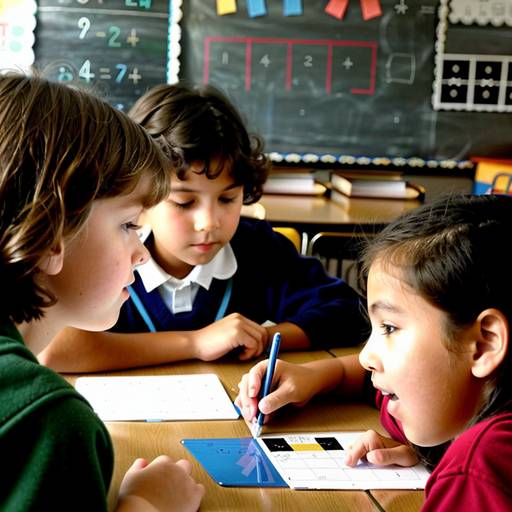
In this 3rd-grade math lesson focused on measurement and temperature, students will learn how to read thermometers and understand the differences between Celsius and Fahrenheit. The lesson begins with a discussion about the significance of temperature in daily life, followed by a demonstration of how to read a thermometer. Students will engage in guided practice by measuring the temperature of ice water and hot water, converting their results between Celsius and Fahrenheit.
After that, they will independently estimate temperatures based on given scenarios and complete temperature conversions using provided charts. The class will regroup to share findings and reinforce key concepts learned during the lesson. Assessment will occur through observation and worksheet completion to ensure understanding. Extensions may include a classroom weather project, encouraging students to apply their learning in real-world contexts. This hands-on approach aims to enhance students' grasp of temperature measurement while developing their overall math skills.
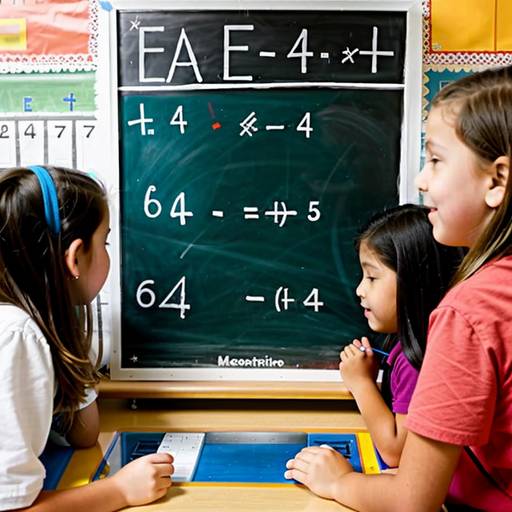
This lesson plan is designed for 3rd-grade students to explore the concepts of measurement and time through interactive activities. The lesson begins with a discussion about the importance of these skills in everyday life. Students then participate in a hands-on exploration at various stations, where they measure classroom objects using different tools, such as rulers and meter sticks, and record their findings.
Afterward, the focus shifts to telling time on an analog clock. Students create their own clock faces and practice setting times to reinforce their understanding. The lesson culminates in solving word problems that integrate both measurement and time, allowing students to apply what they have learned in practical contexts.
Throughout the lesson, students work individually and in pairs, fostering collaboration and critical thinking. The teacher assesses student understanding through observation and by reviewing their completed worksheets. Extensions are provided for students who want to deepen their learning, including a scavenger hunt for measurement and discussions about elapsed time in daily routines. Overall, the lesson aims to make measurement and time engaging and relevant for young learners.
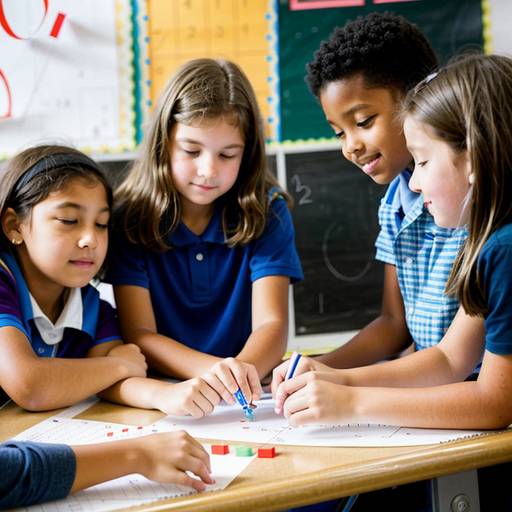
In this 3rd-grade math lesson, students will explore the concepts of measuring time and length using inches and minutes. The session begins with an introduction to telling time on both analog and digital clocks, allowing students to practice reading time in pairs. Next, they will learn how to use rulers to measure various classroom objects in inches, engaging in hands-on activities. Students will work in small groups to measure items and time activities, such as counting how many jumping jacks they can perform in one minute. The lesson concludes with individual worksheets to assess their understanding of time and measurement. The instructor will provide adaptations for diverse learning needs and end the lesson with a review to reinforce the concepts learned. Through interactive approaches, students will gain practical skills applicable to everyday situations.
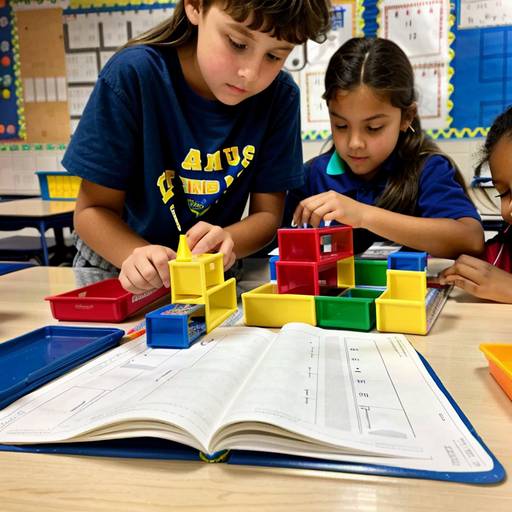
In this third-grade math lesson, students will explore the concepts of measurement and volume through hands-on activities. The lesson begins with a brief discussion about the importance of measurement in everyday life, focusing on volume and the units of liters and milliliters. Students will then work in small groups to measure the volume of various containers using water, encouraging them to make estimates before measuring and record their findings.
Following the measurement activity, students will participate in a relay race designed to reinforce their understanding of volume as they fill containers to specific targets. The class will come together for a discussion to share their results and reflect on their experiences, emphasizing key vocabulary related to the lesson. To wrap up, students will complete a short worksheet to assess their understanding and will be assigned homework that requires them to measure the volume of an item at home. This engaging approach promotes teamwork, estimation skills, and practical application of mathematical concepts.
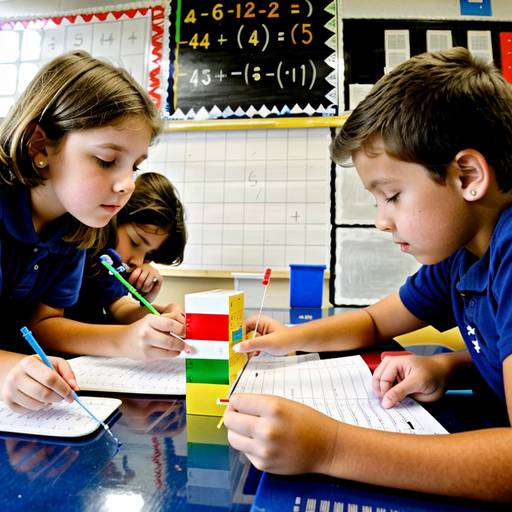
In this third-grade math lesson, students will explore the concepts of measurement and temperature through hands-on activities. The lesson begins with an introduction to thermometers and the different temperature scales, Celsius and Fahrenheit. Following a demonstration of how to read a thermometer using various liquids, students will work in small groups to measure and record the temperatures of ice water, room temperature water, and hot water. After sharing their findings in a class discussion, students will practice converting temperatures between Celsius and Fahrenheit with individual worksheets. The session concludes with a reflection where students share one new thing they learned, allowing for reinforcement of concepts and evaluation of understanding. This interactive approach ensures that students gain practical experience with measurement while connecting the topic to real-world applications.
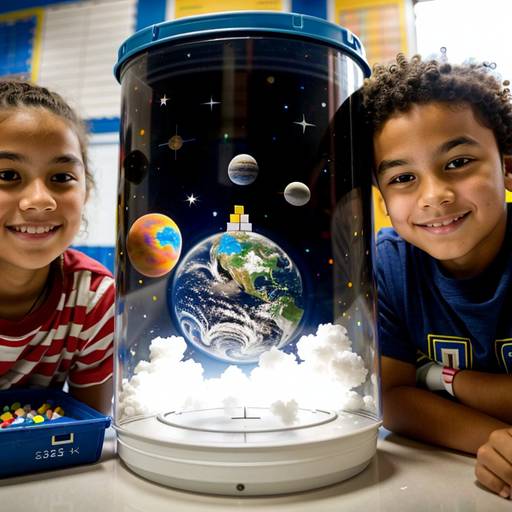
In this 3rd-grade math lesson, students will explore the concept of volume through hands-on activities and measurement. The lesson begins with a discussion about volume, encouraging students to share their thoughts and predictions about the capacity of various containers. After introducing key concepts related to measuring volume using standard units, students will engage in guided practice by estimating and measuring the volume of different containers using measuring cups filled with water or rice.
Following the group activity, students will work independently on a worksheet that presents various volume scenarios. The lesson concludes with students sharing their findings and discussing real-life applications of volume measurement. Assessment will be based on observation during group interactions and the review of completed worksheets. Extension activities are available for advanced learners, and adaptations are provided to support those who may need extra help. Overall, the lesson emphasizes interactive learning and practical application of volume concepts.
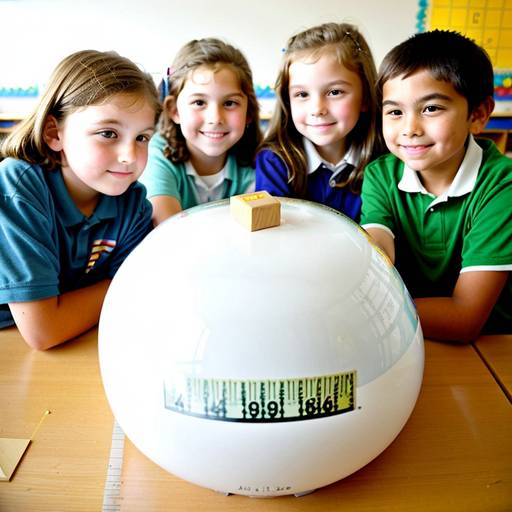
This lesson plan for a 3rd-grade math class focuses on measurement and weight, guiding students to explore these concepts through hands-on activities. The primary objectives include understanding weight, measuring with standard units (grams, kilograms, ounces, and pounds), and using balance scales for comparisons.
Students begin by discussing weight and then engage in an estimation activity, where they guess the weight of various classroom objects. Working in small groups, they measure the actual weights of these objects, record their findings, and compare them to their estimates. Each group then presents their results to the class, highlighting their heaviest and lightest objects.
The lesson concludes with a summary of learned concepts and a homework assignment that continues the exploration at home. Assessment is based on participation, accuracy of measurements, and completion of assigned tasks. The plan encourages hands-on learning and supports the development of practical measurement skills in a collaborative setting.