
Filters
Level
Grade
Subject
Subject Area
Subject Topic
Standard(s)
Audience
Keyword
DurationMinutes
3rd Grade Language Arts Lesson Plans


This 3rd-grade Language Arts lesson focuses on teaching students about the components of complete sentences, specifically subjects and predicates. The lesson begins with a discussion that encourages students to define and understand these terms. Students participate in a collaborative activity where they rearrange scrambled sentence cards to form complete sentences and identify their subjects and predicates. Following this, they create their own sentences using a worksheet, where they select a subject and construct a corresponding predicate, and illustrate their sentences. The lesson concludes with a class discussion to reinforce concepts learned, and student understanding is assessed through their participation in activities and completion of the worksheets. Differentiation strategies are included to support diverse learners, and an extension activity encourages students to apply their knowledge in a creative homework assignment.

In this 3rd grade Language Arts lesson, students will focus on identifying and constructing complete sentences through an engaging and interactive approach. The lesson starts with a brief introduction to the components of a sentence—subjects and predicates—using relatable examples to make the concepts clear. After modeling sentence breakdowns and practicing together, students will work in small groups to create their own sentences by matching subject and predicate flashcards.
Following the group activity, students will complete a worksheet that reinforces their understanding by having them identify the subject and predicate in given sentences and compose their own. The lesson concludes with a review of key concepts and an exit ticket, where students share their favorite food in a complete sentence. This comprehensive approach ensures students grasp fundamental grammar skills while fostering creativity and collaboration in their learning. Assessments will include observation during group work, worksheet analysis, and exit ticket responses, with opportunities for differentiation and extensions provided to meet diverse student needs.
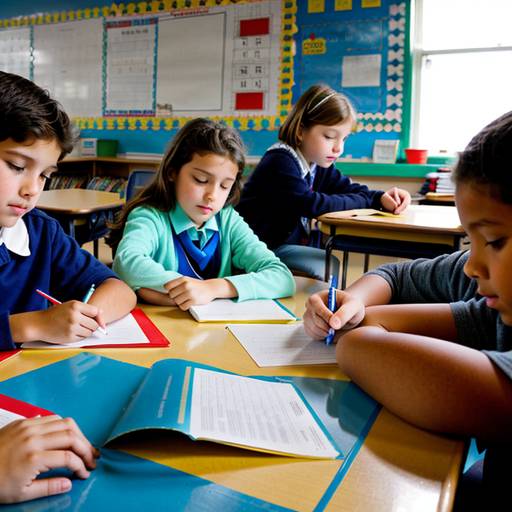
In this 3rd-grade Language Arts lesson, students will learn the principles of persuasive writing by identifying its essential components, such as stating an opinion, providing reasons, giving examples, and including a call to action. The lesson begins with engaging students through personal experiences related to persuasion, followed by a discussion on the characteristics of persuasive writing. Through guided instruction, the class analyzes a sample letter and collaborates on drafting a letter together. Students then choose their own topics to create individual graphic organizers before drafting their own letters, which they will later share with peers. The lesson concludes with a review of the key concepts and introduces options for assessment and extension activities, encouraging creativity and effective communication. Modifications are included to support diverse learners.
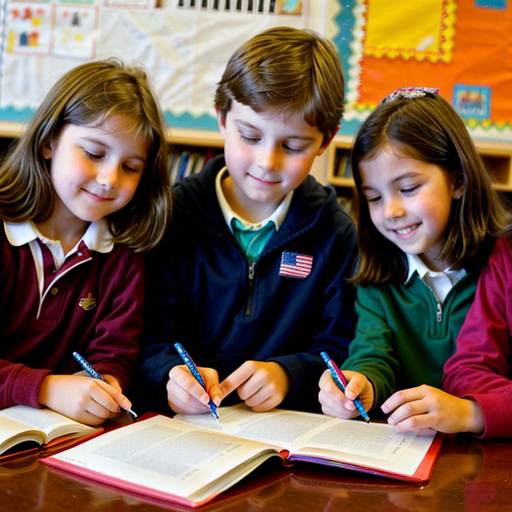
In this 3rd-grade language arts lesson, students will engage in expository writing focused on their favorite animals. The lesson begins with a discussion about animals and an introduction to expository writing, emphasizing its purpose of informing readers. An example of an effective expository paragraph is analyzed to highlight key components such as topic sentences, supporting details, and conclusions.
Students will then participate in a guided practice where they choose an animal and brainstorm relevant facts using a graphic organizer. This organizer will help them gather information about the animal's habitat, diet, and unique traits. Following this, students will write their own expository paragraphs based on the information collected in their graphic organizers, focusing on clarity and descriptive language.
The lesson concludes with opportunities for students to share their writing in small groups or with the class, promoting confidence in their writing skills and reinforcing the importance of clear communication. Assessment will involve reviewing the written paragraphs for structure, clarity, and the effective use of descriptive language. Additionally, extensions and adaptations are provided to accommodate diverse learners, enhancing inclusivity and engagement in the writing activity.

This 3rd Grade Language Arts lesson focuses on enhancing students' reading comprehension through the use of key reading strategies: predicting, questioning, and summarizing. The lesson begins with a discussion on the importance of reading, followed by a modeling segment where the teacher demonstrates each strategy using a short storybook. Students then engage in guided practice by forming small groups to read different books, discussing their thoughts, and applying the strategies while jotting down notes on sticky paper.
After their reading sessions, groups create graphic organizers in the form of "Treasure Maps," which visually represent key events and insights gained from their reading, highlighting the strategies they employed. Each group shares their map with the class, fostering discussion and further inquiry. The lesson concludes with a reflection on what students learned and how they can apply these strategies in the future. Student participation and the completed graphic organizers serve as assessments of their understanding. An extension activity encourages students to practice the strategies with a book of their choice at home.
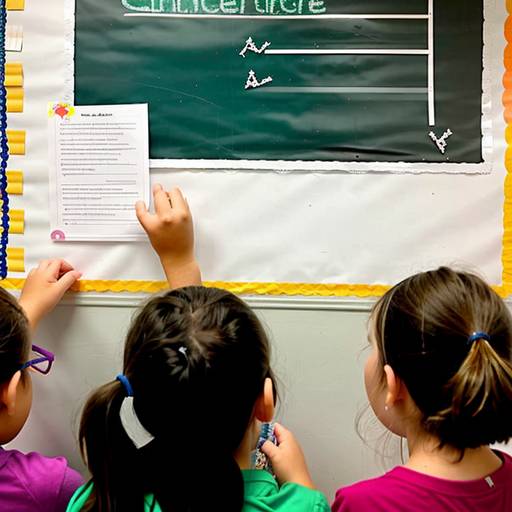
This 3rd-grade language arts lesson focuses on teaching students about context clues and how they can help determine the meanings of unfamiliar vocabulary words. The lesson begins with an engaging discussion about strategies students use when encountering new words. Instructors provide direct instruction on context clues, followed by a group reading of a short passage where students practice identifying unknown words and the hints in the text that aid in their understanding.
Students then engage in independent practice by completing a “Context Clue Treasure Hunt” worksheet, where they fill in missing vocabulary words in sentences and underline the context clues that guided their choices. The lesson concludes with a review of selected sentences from the worksheet, encouraging students to share their findings and to discuss the importance of context clues in their reading. The lesson includes assessments through worksheet collection and observation of student participation. Additionally, there are opportunities for differentiation, ensuring all students, regardless of skill level, can engage with and learn from the material. An extension activity encourages creativity by having students create a vocabulary word gallery in the classroom.
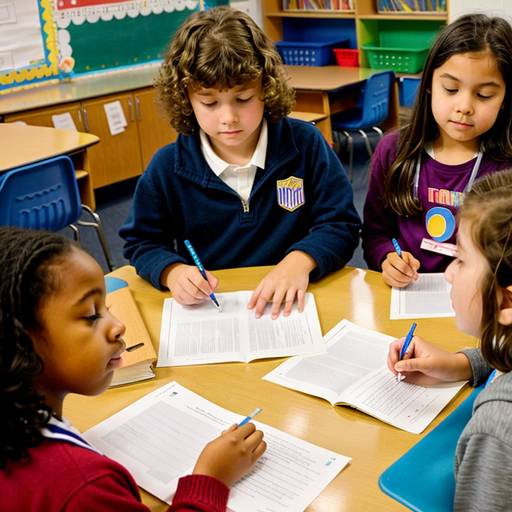
In this 3rd-grade Language Arts lesson, students will engage in learning about context clues to understand unfamiliar vocabulary. The class will begin with a discussion about their experiences with unknown words, followed by an explanation of context clues and their significance. The teacher will model how to identify context clues within sentences, demonstrating the process using examples to guide student understanding.
Students will then work in pairs on a vocabulary worksheet to practice identifying context clues in provided sentences. Following guided practice, they will participate in an independent activity where they will find unfamiliar words in a familiar text and write sentences using context clues.
The lesson will conclude with a review of key concepts and a reflective sharing of new vocabulary. Assessment will be conducted through the collected worksheets and observation of student participation. Extensions for advanced learners and additional support for those needing extra help are included, ensuring a comprehensive approach to vocabulary development.
In this 3rd-grade Language Arts lesson, students will explore the concept of persuasive writing through the creation of a persuasive letter. The lesson begins with an engaging discussion about personal experiences with persuasion, followed by an introduction to the structure of persuasive letters, highlighting essential elements such as greeting, introduction, body, and conclusion. Students will analyze sample letters to identify persuasive techniques, including facts, opinions, and emotional appeals.
They will then complete a graphic organizer to plan their letters, outlining their chosen topic, reasons for their stance, and a compelling concluding statement. After drafting their letters independently, students may illustrate their work to enhance their presentations. The lesson concludes with the opportunity for a few students to share their letters, reinforcing the key points discussed. Assessment will involve reviewing the letters and graphic organizers to ensure understanding of persuasive writing elements. An optional extension activity encourages students to extend their writing skills to address local community issues.