
Filters
Level
Grade
Subject
Subject Area
Subject Topic
Standard(s)
Audience
Keyword
DurationMinutes
3rd Grade Language Arts Lesson Plans

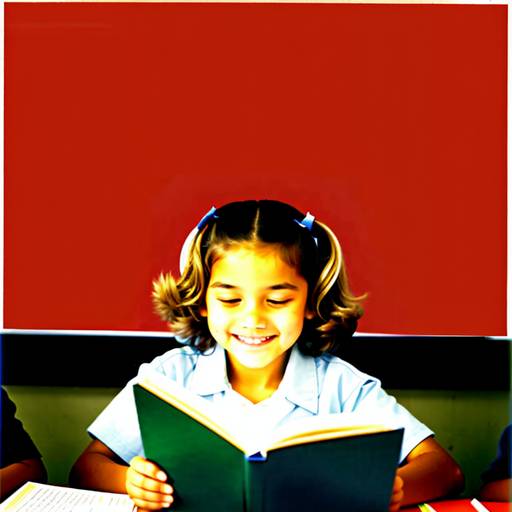
In this engaging 60-minute language arts lesson for 3rd graders, students focus on improving their reading fluency through expressive reading and understanding punctuation. The lesson begins with a warm-up activity involving reading a silly sentence aloud, setting a fun tone while introducing the concept of fluency, which encompasses speed, accuracy, and expression. Students review key punctuation marks and their impact on reading style.
For guided practice, students pair up to read short stories or poems, providing each other with feedback using a Fluency Checklist. They are challenged to read their passages multiple times to enhance their fluency. During independent practice, students work on a worksheet that includes a short passage to read silently before practicing aloud, with a focus on emphasizing punctuation.
The lesson concludes with a group discussion reflecting on their learning experiences and setting personal goals for future reading. Informal assessments take place throughout the lesson, with extension activities planned for further practice and enjoyment of reading. This interactive approach aims to build confidence and a love for reading among students.
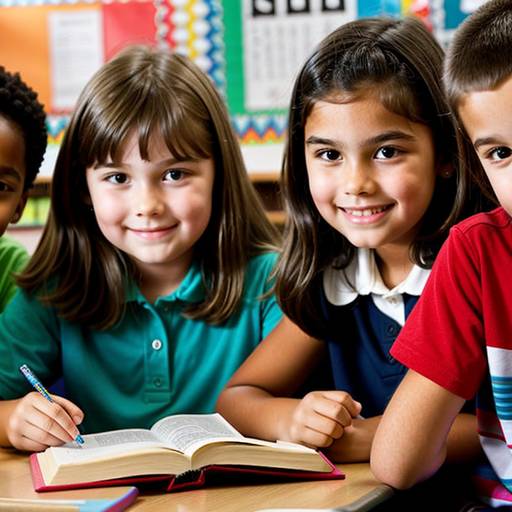
In this lesson plan for 3rd-grade language arts, students will explore the essential role of punctuation in writing. The lesson begins with an engaging introduction that highlights why punctuation is important and how it influences the meaning of sentences. Following a guided demonstration, students will work in pairs to identify and apply various punctuation marks—periods, commas, question marks, and exclamation points—on worksheets designed to help them practice.
For independent practice, students will select sentences from short stories and rewrite them with the correct punctuation, allowing them to express their creativity. The class will then share their punctuated sentences, fostering discussion about their choices. The lesson concludes with a recap of key points, where students reflect on their learning about punctuation, leading to the distribution of rewards for participation and achievement throughout the session. Assessment will be based on observation during activities and the completed worksheets to evaluate students’ understanding of punctuation. Modifications are included to support learners of varying levels. Overall, the lesson aims to make grammar and punctuation engaging and accessible.
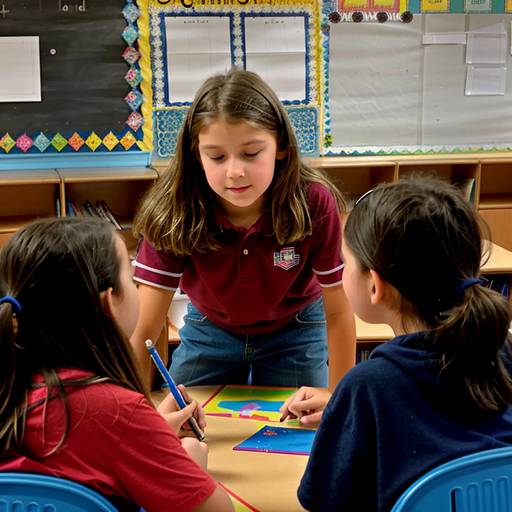
In this 3rd-grade language arts lesson, students will engage in the creative writing process by imagining and crafting their own unique worlds. The lesson begins with a discussion about imaginative settings found in literature and includes a read-aloud of a captivating story excerpt. Following this, students will use a story planning worksheet to brainstorm ideas related to their own fictional world, including details about the setting, characters, and plot.
After brainstorming, students will spend time writing a short story that establishes a clear beginning, middle, and end, all while expressing their creative ideas. Once they have completed their stories, they will illustrate scenes or important aspects of their worlds, allowing for a visual representation of their creativity.
The lesson concludes with an opportunity for students to share their stories and artwork with the class or in small groups, promoting confidence and peer feedback. Assessment will focus on their participation, the completeness of their worksheets, and the creativity displayed in their narratives. Extension activities may include compiling a class book of stories or performing dramatic readings, while modifications are provided to support diverse learning needs. Overall, the lesson aims to foster imagination and enhance storytelling skills in a fun and engaging manner.
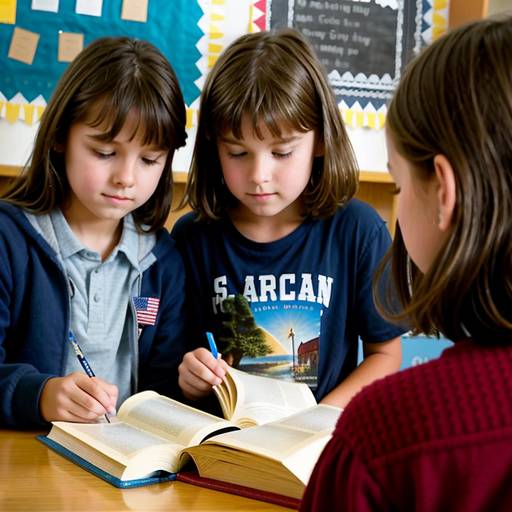
This 3rd Grade Language Arts lesson plan focuses on enhancing students’ reading skills through the use of key strategies: predicting, visualizing, and summarizing. The lesson begins with a discussion on what makes a good reader, followed by an introduction of the three strategies. Students will predict story outcomes based on the cover of a chosen text, "The Paper Crane," and will record their predictions on a chart. The teacher will read the story aloud, prompting students to visualize scenes and take notes, which they will later illustrate on a worksheet. After completing the reading, students will summarize the story using a structured template that highlights characters, setting, and main events. Through small group discussions, students will share their visualizations and summaries, fostering collaboration and feedback. The lesson concludes with a class reflection on the strategies used and their effectiveness in improving comprehension. Assessments will include monitoring participation and collecting charts and templates for evaluation. Additional homework will extend the learning by encouraging students to use the strategies with a book of their choice at home. Differentiation is included to support various learning needs. Overall, the lesson aims to engage students actively in their reading development and comprehension skills.
In this 3rd-grade language arts lesson, students will enhance their reading comprehension skills by exploring key story elements such as characters, setting, and plot. The lesson begins with an engaging discussion about favorite stories, followed by direct instruction on the importance of these elements. The teacher will read a selected story aloud, modeling how to fill out a graphic organizer with information gathered from the text.
Students will then participate in guided practice, where they continue reading the story and take notes about what they observe. Afterward, they will work independently or in pairs to read additional sections and document their thoughts on sticky notes. In the closure, the class will discuss the significance of understanding story elements and take a short comprehension quiz to assess their grasp of the material.
Overall, the lesson combines direct instruction, collaborative discussion, and independent work to foster a deeper understanding of reading comprehension through active engagement with literature.
This lesson plan focuses on helping 3rd-grade students understand and identify various reading genres. It begins with an introduction to the concept of genres, followed by a read-aloud activity featuring examples from different types of literature, such as fiction, non-fiction, fantasy, mystery, and biography.
Students engage in a guided practice where they work in small groups to sort a selection of books into their respective genres and share their reasoning with the class. Afterward, they independently create a visual poster representing their favorite genre, including a description, examples, and illustrations. The lesson concludes with students presenting their posters, reinforcing their understanding of how recognizing different genres can enhance their reading experiences. Assessment is based on participation, collaboration, and creativity in the posters, with differentiation strategies provided for varied learning levels.
This lesson plan focuses on teaching 3rd-grade students the fundamental elements of storytelling, including characters, setting, and plot. The lesson begins with a group discussion to engage students in thinking about what makes a story compelling. The teacher then models the story creation process by collaboratively filling out a graphic organizer with students, demonstrating how to develop their own characters, settings, and plots.
Following this guided instruction, students complete their own graphic organizers in pairs, sharing their ideas and providing feedback to each other. Next, they independently write their own short stories using their developed concepts, encouraged to be imaginative and descriptive.
The lesson concludes with students sharing their stories aloud with the class, promoting oral presentation skills and positive peer feedback. Assessment consists of monitoring student participation, reviewing their graphic organizers and stories, and providing constructive feedback focused on creativity and storytelling skills. The plan also includes suggested extensions to further enhance student engagement and creativity through art integration.
In this 3rd-grade language arts lesson, students will explore the fundamentals of narrative writing by learning about the five essential elements: characters, setting, plot, conflict, and resolution. The lesson begins with a class discussion on storytelling, where students share their favorite stories and what makes them engaging. Next, the teacher provides direct instruction on each narrative element, supported by examples and visual aids.
Afterward, the class collaboratively selects a character, setting, and plot to create a shared story outline. Students then engage in independent writing, using the outline to craft their own imaginative narratives, incorporating descriptive details and the narrative elements they’ve learned.
The lesson concludes with students sharing their stories with the class, followed by a discussion highlighting the unique aspects of each narrative. Assessment includes monitoring participation and reviewing written work for the presence of narrative elements. Extension activities invite students to illustrate their stories or engage in peer feedback, fostering further development of their storytelling skills. The lesson aims to ignite creativity, enhance writing ability, and promote collaboration among students.
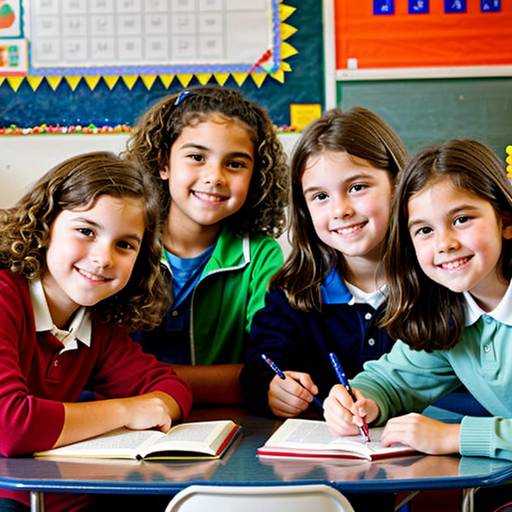
In this 3rd-grade Language Arts lesson, students will explore expository writing by focusing on their favorite season. The lesson begins with a discussion that engages students in sharing their thoughts about seasons, leading to a definition and explanation of the characteristics of expository writing. Through guided practice, students will analyze a sample paragraph, working together to create a graphic organizer for a chosen season.
Following this, students will independently write their own expository paragraphs about their favorite season, utilizing the organizer to structure their thoughts and include supporting details. The lesson concludes with a sharing session where students present their writing to the class and reflect on what they learned about effective expository writing. Assessment will focus on evaluating the clarity, organization, and adherence to the writing structure, while extensions and adaptations are provided to support diverse learners.
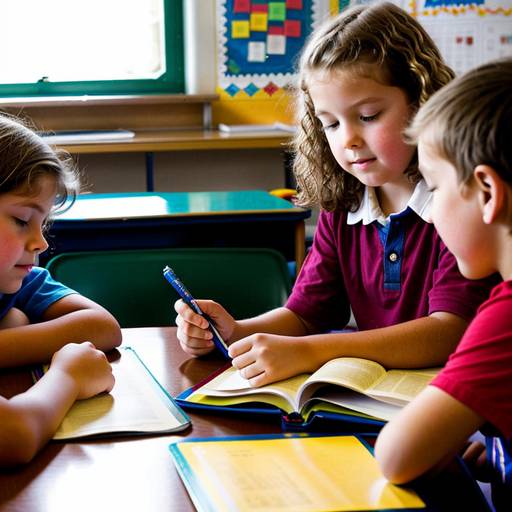
This lesson plan for 3rd-grade language arts focuses on teaching students the fundamental elements of storytelling, including character, setting, conflict, and resolution. The lesson begins with an engaging discussion about favorite stories and characters, and students contribute ideas about what makes a great story. They are then introduced to a story map template that helps them organize their thoughts.
During guided practice, students brainstorm ideas using a story cube, share their story maps with a partner for feedback, and start drafting their own short stories based on their maps. They are encouraged to illustrate their work while writing. The lesson closes with a discussion where students can share snippets of their stories and reflect on their creative process. Assessment includes monitoring participation and reviewing the completed story maps and narratives, focusing on their understanding of storytelling elements. Possible extensions encourage further creativity, such as creating illustrations or sharing stories with others.