
Filters
Level
Grade
Subject
Subject Area
Subject Topic
Standard(s)
Audience
Keyword
DurationMinutes
3rd Grade Language Arts Lesson Plans

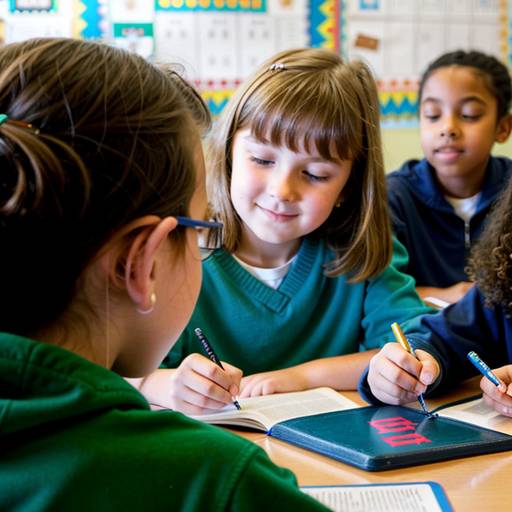
The lesson plan focuses on engaging 3rd-grade students in creative writing by guiding them through the elements of storytelling, including characters, setting, problem, and resolution. The lesson begins with a warm-up discussion about adventure stories, allowing students to share their favorites and identify key story components. Students then participate in a brainstorming session in pairs to develop their own story ideas, which they ultimately write independently, incorporating descriptive language and illustrations.
The lesson concludes with students sharing parts of their stories in small groups or with the class, fostering a supportive environment for collaboration and feedback. Assessment is based on observation during activities and the quality of the written stories. Modifications are available for different student needs, and extensions encourage students to showcase their work in a class book format. Overall, the lesson aims to develop creativity, improve writing skills, and enhance students' storytelling abilities.
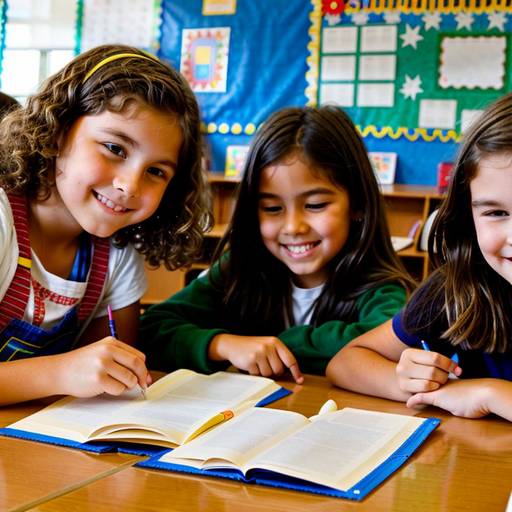
In this 3rd-grade language arts lesson, students will explore narrative writing by learning the essential elements of a story, including the beginning, middle, and end. The lesson begins with a discussion about what makes a compelling narrative and an introduction to a story map to organize their thoughts. Students will fill out graphic organizers to brainstorm their main characters, settings, conflicts, and resolutions. After completing their story maps, they will independently write their narratives, focusing on using descriptive language to engage readers. The lesson concludes with a sharing session where students present their stories to the class, followed by a reflection on their writing experience. The objective is to enhance students' narrative writing skills and their ability to express themselves creatively. Assessment will include reviewing story maps and narratives to ensure comprehension and effectiveness. Differentiation strategies are incorporated to support diverse learners.
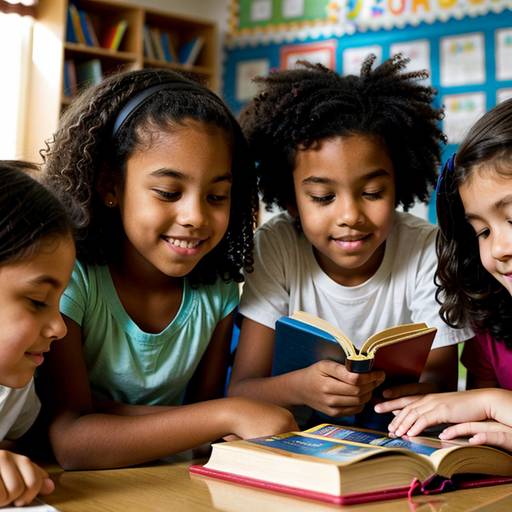
In this third-grade language arts lesson, students will explore and identify various reading genres, including fiction, non-fiction, poetry, and fantasy. The class will start with a discussion about what genres are and their significance in reading. Students will be divided into small groups to examine a selected genre through reading excerpts from different books and will then present their findings, highlighting the characteristics unique to their genre and sharing examples.
Following the presentations, students will engage in a “Genre Scavenger Hunt,” where they will search the classroom library for books from multiple genres, noting the titles and authors on their worksheets. The lesson will conclude with a class discussion on the new genres discovered and personal preferences in reading. Assessment will occur through group participation, presentations, and the completed scavenger hunt worksheets. Extensions include creating genre-themed posters and setting up a reading corner that showcases different genres, encouraging further exploration and enjoyment of reading.
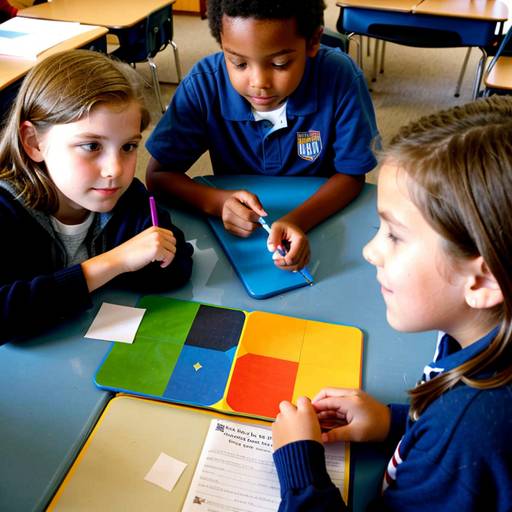
In this 3rd-grade language arts lesson, students will engage in learning about vocabulary and context clues over the course of one hour. The lesson begins with a discussion about the importance of vocabulary, followed by an introduction to context clues as a strategy for uncovering the meanings of unfamiliar words. The teacher models this process using example sentences that include context clues, guiding students in how to infer meanings.
Students will then work in small groups to read a selected text, identify unfamiliar words, and discuss the context clues present in those sentences. Following this collaborative activity, students will complete a worksheet independently, focusing on underlining unfamiliar words and using context clues to deduce their meanings.
The lesson concludes with a group sharing session, allowing students to present one new vocabulary word they discovered and the clues they used to understand it. To reinforce their learning, students are encouraged to find and document new words in their independent reading. Assessment will occur informally through group discussions, shared sentences, and the collected worksheets. Opportunities for differentiation and extensions are included to support varying levels of learners.
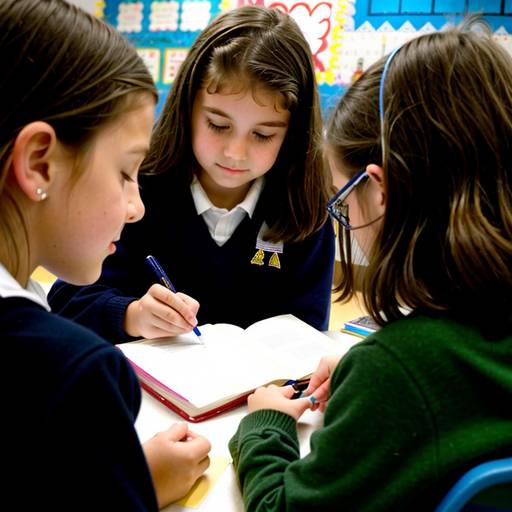
In this 3rd-grade language arts lesson, students will learn about persuasive writing and its key elements, including forming an opinion, providing supporting reasons, and crafting a call to action. The lesson begins with a discussion about experiences with persuasion, followed by an examination of a persuasive letter to identify effective techniques. Students will then use a graphic organizer to plan and structure their own persuasive letters on topics they are passionate about. After drafting their letters, they will have the opportunity to share their work with classmates. The lesson concludes with a reflective discussion about the persuasive writing process. Assessment will focus on the students' understanding of the persuasive writing components through both their graphic organizers and written letters.
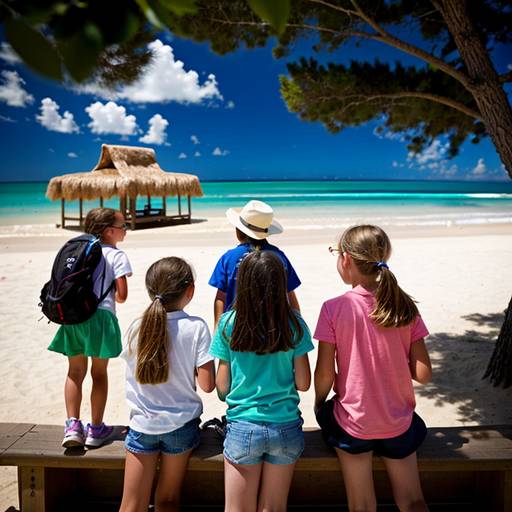
In this 3rd-grade language arts lesson, students will focus on expository writing by crafting a paragraph about their dream vacation. The lesson begins with a discussion about vacations, brainstorming locations, activities, and experiences while using visual aids to inspire creativity. Students will utilize a graphic organizer to structure their thoughts before independently writing a detailed paragraph that includes descriptive language to help readers visualize their ideas. After completing their writing, they will illustrate a scene from their vacation. The lesson concludes with select students sharing their work, emphasizing the importance of vivid details. Assessment will be based on criteria such as clarity, descriptive language, and organization. Extensions and adaptations are provided to ensure all learners can engage with the material effectively.
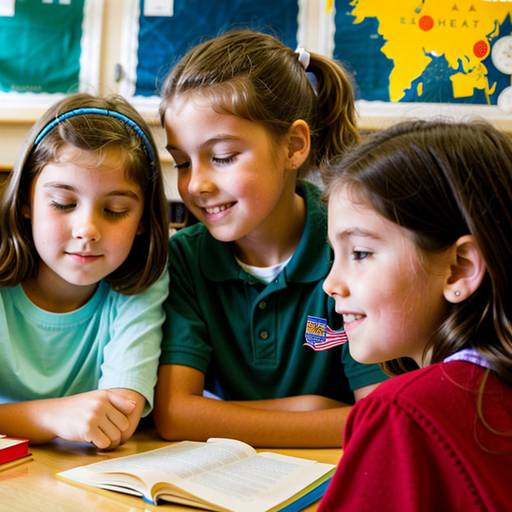
In this 3rd-grade language arts lesson, students will explore reading comprehension through the use of various reading strategies. The class begins with a discussion about the importance of reading and student predictions based on the cover of a selected story. Students will learn and practice strategies such as predicting, summarizing, questioning, visualizing, and making connections as they read the story aloud.
After the reading, students will engage in small group discussions to share insights and reflections on the text, focusing on the main idea and their predictions. Finally, they will create graphic organizers to illustrate the main idea and key details from the story, allowing for creative expression. The lesson concludes with a review of how these strategies enhance reading comprehension, encouraging students to apply them in their future reading experiences. Assessment will include observations during discussions and the evaluation of graphic organizers. Differentiation will be provided to support various learning needs.
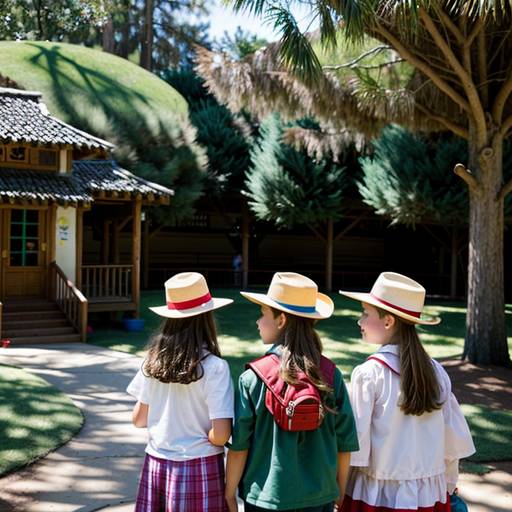
This 3rd grade language arts lesson focuses on enhancing students' reading comprehension through the exploration of characters and settings in a story. The lesson begins with a discussion about the elements that make stories engaging, followed by a read-aloud of a selected short story, during which the teacher models thinking aloud to prompt student engagement. Students then work in small groups to fill out a graphic organizer that highlights the key characters and settings from the story. This is followed by a class discussion where groups share their findings, promoting collaborative learning and critical thinking. For independent practice, students write a reflection paragraph about their favorite character, which they later share with a partner. The lesson concludes with a recap of the importance of characters and settings, along with an exit ticket to assess student understanding. Throughout the lesson, differentiation strategies are incorporated to support diverse learning needs.
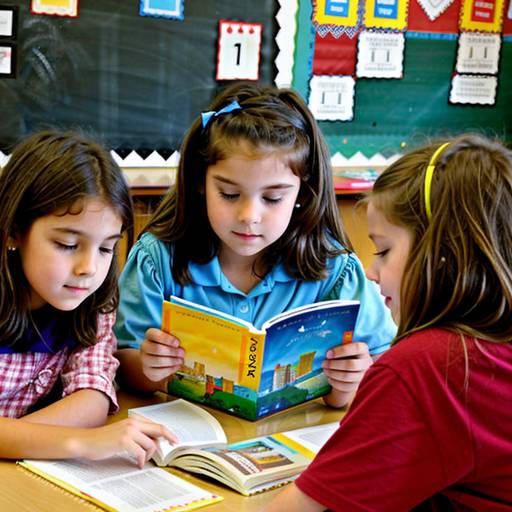
In this 3rd-grade language arts lesson, students will explore various genres of literature, including fiction, nonfiction, poetry, and fantasy. The lesson begins with a discussion to help students identify different types of books they may already know. Key characteristics of each genre are introduced through direct instruction, utilizing posters and engaging questioning to enhance understanding.
Next, students participate in a “Genre Scavenger Hunt,” working in small groups to find examples of books that fit into the discussed genres within the classroom or library. They record their findings and later share them with the class, fostering collaboration and discussion.
To conclude, students receive bookmarks with genre definitions and recap what they learned about the four genres. Assessment is conducted through observation during group activities and by reviewing collected worksheets. Differentiation strategies are included to support varied learning needs, and extension activities encourage further exploration of genres. Overall, the lesson aims to cultivate a passion for reading by emphasizing the diversity of literature available to students.
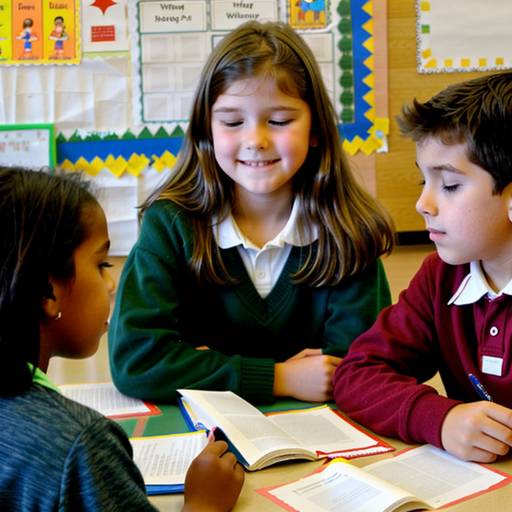
This 3rd-grade language arts lesson focuses on enhancing students' vocabulary skills through the use of context clues. The lesson begins with a discussion on strategies for deciphering unfamiliar words. Students are introduced to new vocabulary words and participate in a read-aloud activity where they identify and infer meanings based on surrounding text. Guided practice involves working in pairs to complete worksheets that encourage them to explore context clues in various sentences. For independent practice, students create their own sentences using the vocabulary words, incorporating context clues to clarify meanings. The lesson concludes with a sharing session where a few students present their sentences, reinforcing their understanding of the concept. Throughout the lesson, assessment is conducted through observation and the evaluation of worksheets and sentence constructions. Accommodations are provided for different learning needs, ensuring all students can effectively engage with the material.