
Filters
Level
Grade
Subject
Subject Area
Subject Topic
Standard(s)
Audience
Keyword
DurationMinutes
3rd Grade Lesson Plans

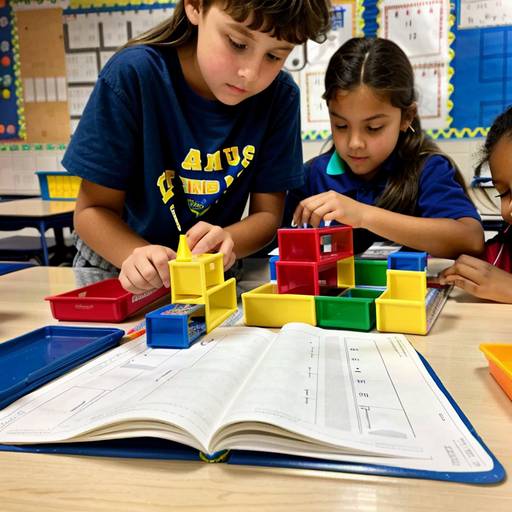
In this third-grade math lesson, students will explore the concepts of measurement and volume through hands-on activities. The lesson begins with a brief discussion about the importance of measurement in everyday life, focusing on volume and the units of liters and milliliters. Students will then work in small groups to measure the volume of various containers using water, encouraging them to make estimates before measuring and record their findings.
Following the measurement activity, students will participate in a relay race designed to reinforce their understanding of volume as they fill containers to specific targets. The class will come together for a discussion to share their results and reflect on their experiences, emphasizing key vocabulary related to the lesson. To wrap up, students will complete a short worksheet to assess their understanding and will be assigned homework that requires them to measure the volume of an item at home. This engaging approach promotes teamwork, estimation skills, and practical application of mathematical concepts.
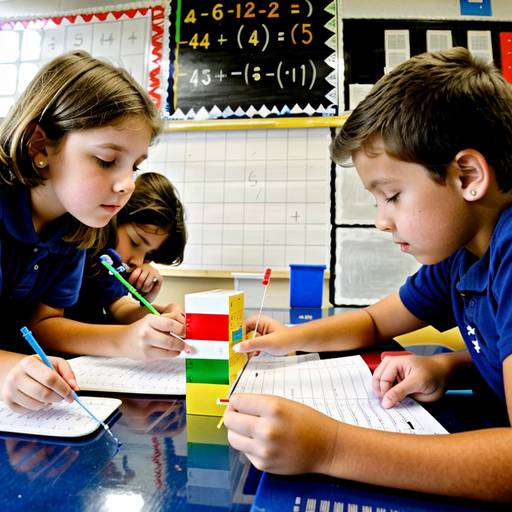
In this third-grade math lesson, students will explore the concepts of measurement and temperature through hands-on activities. The lesson begins with an introduction to thermometers and the different temperature scales, Celsius and Fahrenheit. Following a demonstration of how to read a thermometer using various liquids, students will work in small groups to measure and record the temperatures of ice water, room temperature water, and hot water. After sharing their findings in a class discussion, students will practice converting temperatures between Celsius and Fahrenheit with individual worksheets. The session concludes with a reflection where students share one new thing they learned, allowing for reinforcement of concepts and evaluation of understanding. This interactive approach ensures that students gain practical experience with measurement while connecting the topic to real-world applications.

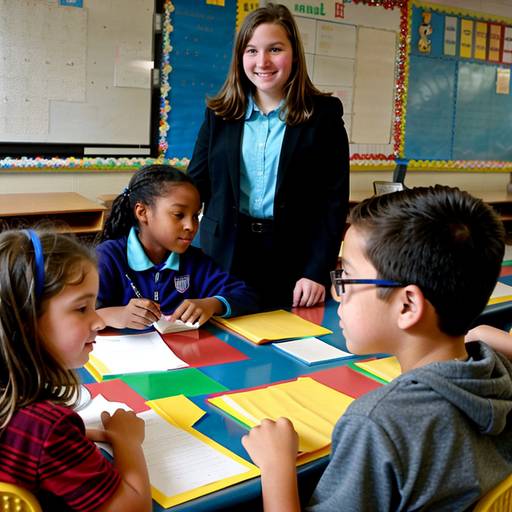
This lesson plan focuses on helping 3rd-grade students explore the various roles within their community and understand the contributions each role makes to society. The lesson begins with a class discussion to define what a community is and identify different community roles. Students work in small groups to brainstorm and share selected roles, discussing their importance. Following this, they create individual community maps, illustrating and representing various community roles through drawings and art. The lesson concludes with students presenting their maps to the class and reflecting on how these roles collaborate to enhance the community. Assessment is based on student participation in discussions, group activities, and the creativity demonstrated in their community maps. The lesson can be extended with additional research or the inclusion of guest speakers to provide real-life context.
In this 3rd-grade social studies lesson, students will explore the concept of community by identifying key members who contribute to its well-being, such as police officers, firefighters, teachers, and doctors. The lesson begins with a discussion about what constitutes a community, encouraging students to share their thoughts while compiling a list on the whiteboard.
Next, students learn about community rules and their significance in maintaining safety and order. In small groups, they will work with scenario cards to discuss specific situations and develop relevant rules that apply to each scenario. After sharing their insights with the class, students will reflect on the importance of following rules for the safety and happiness of everyone in the community.
To conclude the lesson, students will complete a worksheet where they draw a community helper and write a rule associated with that role. The lesson encourages active participation, collaboration, and critical thinking while promoting an understanding of community dynamics and responsibilities. Extensions for the lesson include potential field trips to local community service areas to enhance hands-on learning experiences.
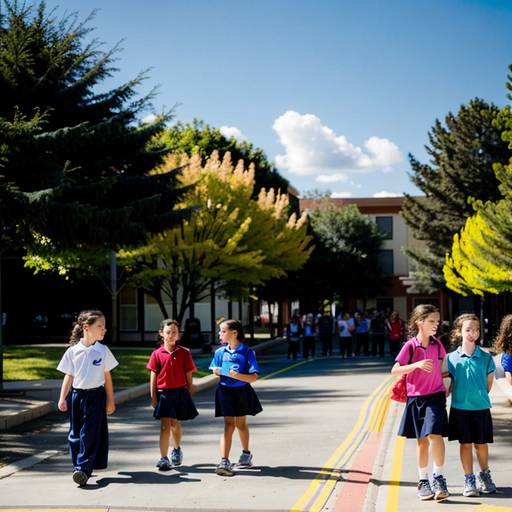
This social studies lesson for 3rd graders focuses on helping students understand and appreciate the diverse cultures within their community. It begins with an engaging story that introduces different cultural contributions, followed by a group activity where students research assigned cultural groups. They create informative posters showcasing various aspects of each culture, including traditions, food, clothing, and celebrations. After presenting their work in a gallery walk format, students engage in a reflective discussion to share their learnings and insights about diversity.
Assessment includes observing group dynamics and reviewing the accuracy of the posters, along with a reflective writing assignment to articulate their thoughts on cultural diversity. The lesson culminates with a potential follow-up activity, where students can participate in a Cultural Day to further celebrate and explore each other's backgrounds. This lesson aims to foster respect for diversity and highlight the importance of different cultures in building a vibrant community.

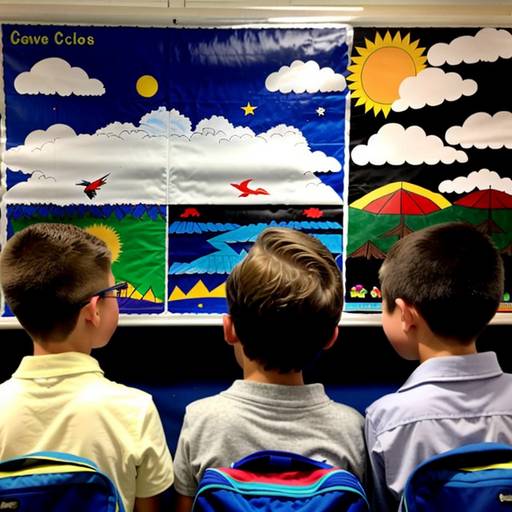
In this Earth Science lesson for 3rd graders, students will explore fundamental concepts of weather and its various elements, including temperature, precipitation, wind, humidity, and clouds. The lesson begins with a discussion to elicit students' prior knowledge about weather, followed by observations of current weather conditions either outside or through a window. Students will record their observations in weather journals.
Next, they will work in small groups to predict weather conditions using flashcards and a temperature chart, encouraging critical thinking and collaboration. To reinforce their learning and encourage creativity, students will create artwork representing their favorite type of weather, accompanied by descriptive sentences.
The lesson concludes with a discussion of key takeaways and a gallery walk for students to share their artwork. Assessment will focus on their journal entries, group participation, and engagement in activities. Extensions may include tracking daily weather at home. The lesson offers differentiated support to cater to diverse learners, ensuring everyone can engage meaningfully with the topic.

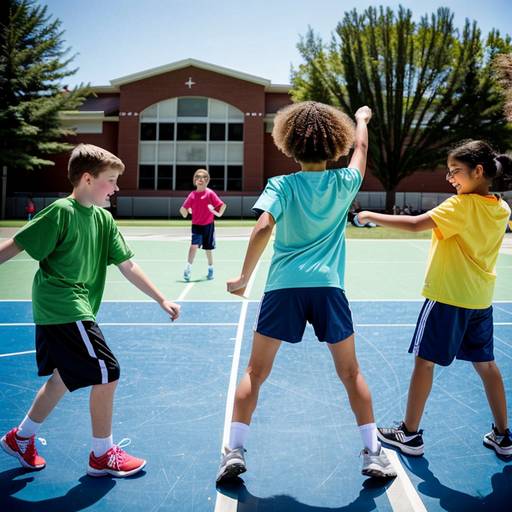
In this physical education lesson for 3rd graders, students focus on developing coordination and teamwork skills through engaging activities. The lesson begins with a brief introduction to the importance of these skills, followed by a dynamic warm-up session.
Throughout the class, students participate in a series of four activity stations designed to promote hand-eye coordination and collaborative efforts. Activities include rolling hula hoops, participating in a bean bag relay, jumping with a cooperative jump rope, and navigating a team obstacle course. Each station encourages communication and strategic thinking among teammates.
After the activities, students cool down with gentle stretches and engage in a reflective discussion, sharing their experiences and the importance of working together. The lesson wraps up by reinforcing the value of coordination and teamwork, highlighting how these skills can be applied in various settings beyond physical education.
Assessment focuses on observation of participation and teamwork, while providing adaptations for different skill levels ensures inclusivity for all students.

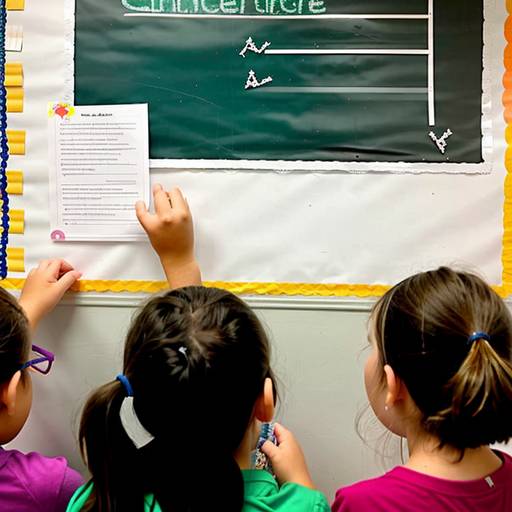
This 3rd-grade language arts lesson focuses on teaching students about context clues and how they can help determine the meanings of unfamiliar vocabulary words. The lesson begins with an engaging discussion about strategies students use when encountering new words. Instructors provide direct instruction on context clues, followed by a group reading of a short passage where students practice identifying unknown words and the hints in the text that aid in their understanding.
Students then engage in independent practice by completing a “Context Clue Treasure Hunt” worksheet, where they fill in missing vocabulary words in sentences and underline the context clues that guided their choices. The lesson concludes with a review of selected sentences from the worksheet, encouraging students to share their findings and to discuss the importance of context clues in their reading. The lesson includes assessments through worksheet collection and observation of student participation. Additionally, there are opportunities for differentiation, ensuring all students, regardless of skill level, can engage with and learn from the material. An extension activity encourages creativity by having students create a vocabulary word gallery in the classroom.

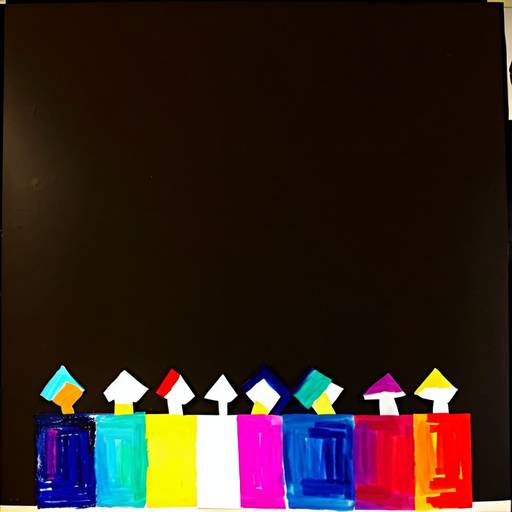
In this 3rd Grade art lesson, students will explore the basic elements of art, focusing on colors and shapes. They will learn about primary and secondary colors, as well as the distinction between warm and cool colors, using a color wheel for reference. The lesson begins with an introduction to these concepts, followed by a demonstration on mixing colors and incorporating shapes into artwork.
Students will then participate in a hands-on creative activity where they will trace and color various shapes on drawing paper, select a color scheme, and enhance their pieces with collage elements cut from magazines. They will be encouraged to express their creativity through color and form.
To conclude, students will engage in a group discussion to share their artwork and reflect on what they learned about color theory and the elements of art. Their understanding will be assessed through observation and a review of their completed projects. Extension activities include creating a "Color Journal" for practice and a color mixing station for further experimentation. This lesson fosters creativity while reinforcing essential art concepts.

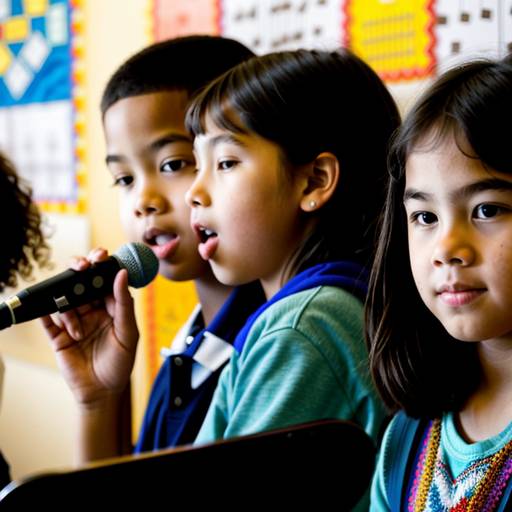
In this 1-hour music lesson for 3rd graders, students will explore vocal techniques and performance skills through a group singing activity. The lesson begins with a warm-up to prepare their voices, followed by learning and practicing the song "This Little Light of Mine" in parts. Students will develop their singing abilities by focusing on breath support, pitch, and dynamics. The class will then be divided into two groups to practice harmonizing before coming together for a final performance. The lesson concludes with a reflection on their singing experience, encouraging ongoing musical engagement. Assessment will be based on participation and the ability to sing in harmony, fostering teamwork and appreciation for music.