
Filters
Level
Grade
Subject
Subject Area
Subject Topic
Standard(s)
Audience
Keyword
DurationMinutes
3rd Grade Lesson Plans

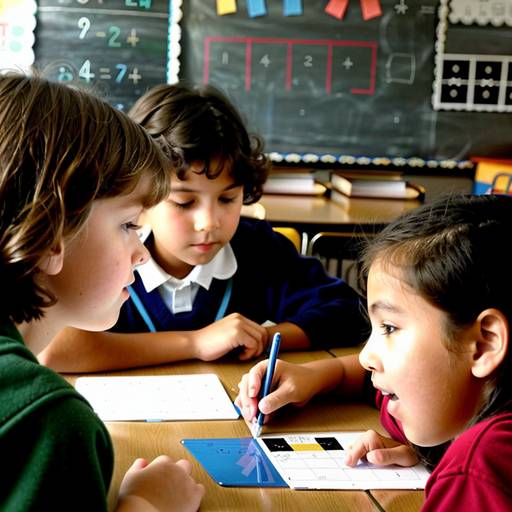
In this 3rd-grade math lesson focused on measurement and temperature, students will learn how to read thermometers and understand the differences between Celsius and Fahrenheit. The lesson begins with a discussion about the significance of temperature in daily life, followed by a demonstration of how to read a thermometer. Students will engage in guided practice by measuring the temperature of ice water and hot water, converting their results between Celsius and Fahrenheit.
After that, they will independently estimate temperatures based on given scenarios and complete temperature conversions using provided charts. The class will regroup to share findings and reinforce key concepts learned during the lesson. Assessment will occur through observation and worksheet completion to ensure understanding. Extensions may include a classroom weather project, encouraging students to apply their learning in real-world contexts. This hands-on approach aims to enhance students' grasp of temperature measurement while developing their overall math skills.

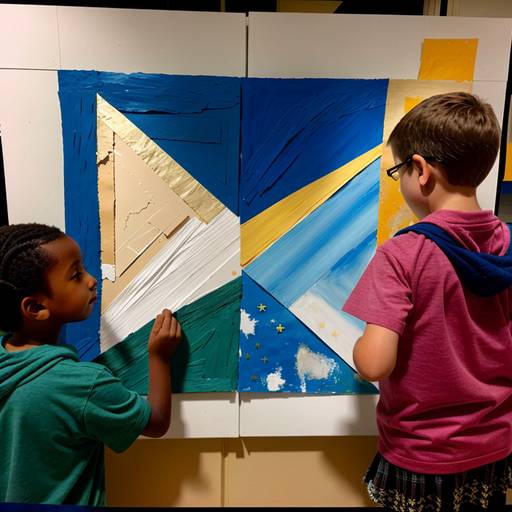
In this 60-minute art lesson for 3rd graders, students will learn about mixed media by creating textured artwork using a variety of materials. The lesson begins with a discussion on mixed media and an exploration of different textures found in various materials. After a demonstration of techniques for layering and combining these materials, students will engage in a "texture treasure hunt," where they can collect natural items from their surroundings. They will then create their own pieces of art on large sheets of construction paper or canvas, incorporating both collected and provided materials while experimenting with paint and markers. The class will conclude with a showcase of their artwork, allowing each student to share their inspiration and the textures they used. The lesson emphasizes creativity, tactile engagement, and an understanding of composition while encouraging students to express themselves through their artwork. Cleanup will follow the art-making process.

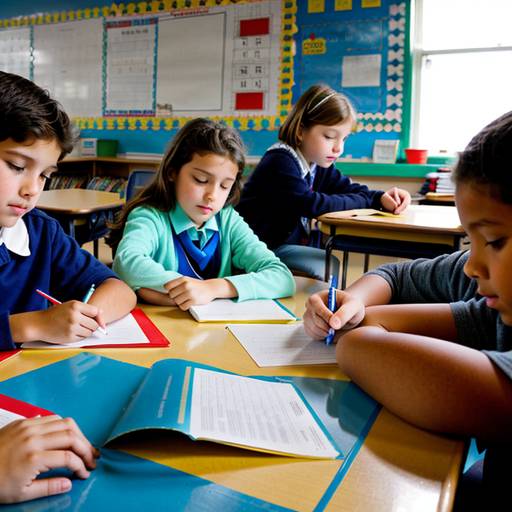
In this 3rd-grade Language Arts lesson, students will learn the principles of persuasive writing by identifying its essential components, such as stating an opinion, providing reasons, giving examples, and including a call to action. The lesson begins with engaging students through personal experiences related to persuasion, followed by a discussion on the characteristics of persuasive writing. Through guided instruction, the class analyzes a sample letter and collaborates on drafting a letter together. Students then choose their own topics to create individual graphic organizers before drafting their own letters, which they will later share with peers. The lesson concludes with a review of the key concepts and introduces options for assessment and extension activities, encouraging creativity and effective communication. Modifications are included to support diverse learners.
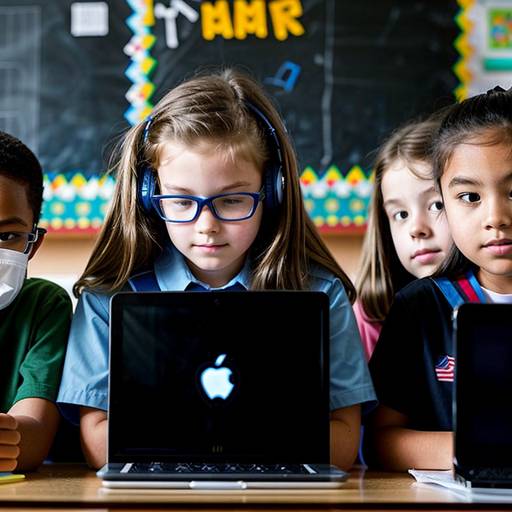
In this lesson plan for 3rd-grade students, participants explore the concept of digital citizenship and the importance of online safety. Students begin by discussing what digital citizenship means and brainstorm safe versus unsafe online behaviors. A brief presentation highlights key points about protecting personal information and recognizing online risks, accompanied by an age-appropriate video that reinforces these concepts.
Following the introduction, students engage in a hands-on activity where they create their own superhero characters that embody safe online practices. Each superhero reflects a unique superpower related to online safety, encouraging creativity while emphasizing essential messages about responsible technology use.
At the conclusion of the lesson, students share their superheroes with the class, showcasing their understanding of online safety principles. The lesson fosters a sense of responsibility and awareness among young learners as they navigate the digital world, reinforcing important skills through collaborative and creative learning experiences. Extensions such as family discussions and bulletin board displays enhance the impact of the lesson, promoting ongoing conversations about digital citizenship.

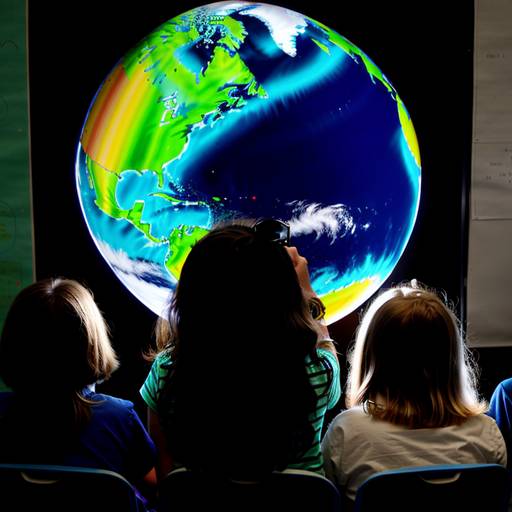
In this engaging Earth Science lesson tailored for 3rd graders, students will explore basic weather patterns and understand the water cycle's processes, including evaporation, condensation, and precipitation. The lesson begins with an interactive discussion about different types of weather, encouraging students to share their personal experiences and observations.
Through hands-on activities, students will observe real-time weather conditions and record their findings. They will also learn to create a simple weather report, combining drawing and writing to articulate the effects of the weather on their daily lives.
By the end of the lesson, students will demonstrate their understanding of weather concepts through active participation, and they will reflect on how these patterns influence their environment. The lesson incorporates practical activities to enhance learning and provides opportunities for extension projects, encouraging ongoing observation and curiosity about the weather.
This lesson plan is designed for 3rd-grade students to explore the concepts of measurement and time through interactive activities. The lesson begins with a discussion about the importance of these skills in everyday life. Students then participate in a hands-on exploration at various stations, where they measure classroom objects using different tools, such as rulers and meter sticks, and record their findings.
Afterward, the focus shifts to telling time on an analog clock. Students create their own clock faces and practice setting times to reinforce their understanding. The lesson culminates in solving word problems that integrate both measurement and time, allowing students to apply what they have learned in practical contexts.
Throughout the lesson, students work individually and in pairs, fostering collaboration and critical thinking. The teacher assesses student understanding through observation and by reviewing their completed worksheets. Extensions are provided for students who want to deepen their learning, including a scavenger hunt for measurement and discussions about elapsed time in daily routines. Overall, the lesson aims to make measurement and time engaging and relevant for young learners.
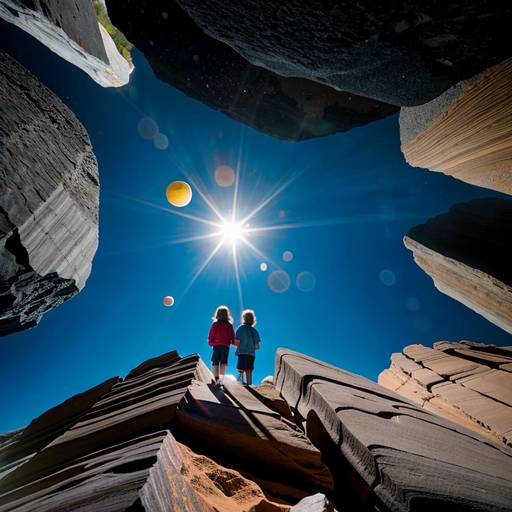
In this 1-hour Earth Science lesson for 3rd graders, students will explore the fascinating world of rocks. They will learn to identify and describe three main types of rocks: igneous, sedimentary, and metamorphic, while also understanding the rock cycle and how rocks transform over time. The lesson begins with an engaging video introduction, followed by a discussion about prior knowledge and key concepts.
Students will participate in a hands-on activity where they examine various rock samples using magnifying glasses, classify them based on their characteristics, and present their findings. The session wraps up with a review of key points and a reflective exit ticket, allowing students to express their newfound knowledge. The lesson promotes active engagement through exploration and collaboration, reinforcing essential Earth Science concepts while fostering curiosity about the natural world.
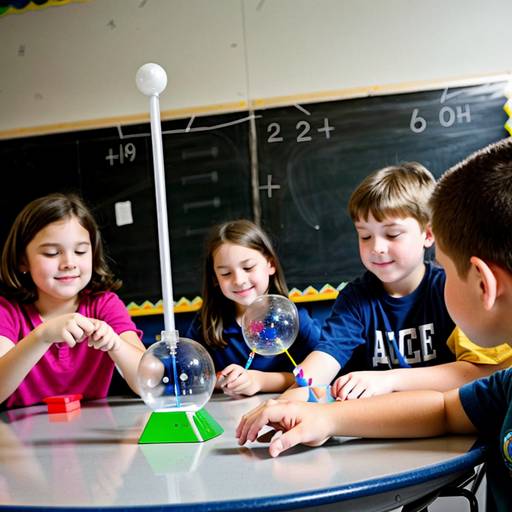
In this 60-minute lesson for 3rd-grade students, learners explore the concepts of forces and how they affect motion through engaging, hands-on activities. The lesson begins with a group discussion to activate prior knowledge about pushes and pulls, supported by a short video demonstration. Students then rotate through four interactive stations, where they conduct experiments with toy cars on ramps, launch balloon rockets, test the ease of moving various objects by pushing and pulling, and utilize rubber bands to launch small items, measuring their distances.
Following the exploration, a guided group discussion helps students articulate their observations and draw connections between their activities and the underlying science of motion. To wrap up the lesson, students reflect in their science journals, summarizing their learnings and including illustrations. Assessment includes monitoring participation during the activities and reviewing journal entries. Extensions and adaptations are provided to ensure all learners are engaged and challenged appropriately. Overall, the lesson fosters curiosity and a foundational understanding of physical science principles related to forces and motion.
This lesson plan focuses on introducing 3rd-grade students to the concept of energy in physical science through interactive activities and discussions. Students begin by exploring various forms of energy, such as kinetic and potential energy, while engaging in a hands-on experience that involves rolling toy cars down inclined planes and creating balloon rockets. Through these activities, they observe energy transformations in action and measure their results, fostering a deeper understanding of how energy works in everyday life.
The lesson includes a group discussion where students share their findings and reflections, reinforcing their learning with energy-related vocabulary. To wrap up the lesson, students write down insights they gained and questions they still have, allowing for assessment of their understanding. Extensions offer opportunities for further exploration at home or through a field trip. The lesson is designed to be engaging and accessible, with provisions made for differentiation based on student needs. Overall, it aims to instill a foundational comprehension of energy and its various forms while encouraging scientific inquiry and collaboration among students.

This lesson plan for 3rd graders focuses on teaching the concept of timelines and their importance in understanding history and personal experiences. The lesson begins with a discussion about significant events in students' lives to stimulate interest and introduce timelines as a tool for organizing events chronologically. Through direct instruction, students learn the components of a timeline and examine sample timelines depicting key historical moments.
Students then participate in a collaborative activity to create a class timeline that combines historical events with personal experiences. Afterward, they independently construct their own personal timelines, illustrating 5-7 significant events from their lives. The lesson concludes with students sharing their timelines with partners and reflecting on the connections between personal histories and broader narratives.
Assessment includes monitoring student participation and evaluating the creativity and completeness of their personal timelines. The lesson also offers extensions for students who want to delve deeper into historical research while providing adaptations for those needing additional support. Overall, this plan aims to enhance students' understanding of timelines while allowing them to express their personal histories creatively.