
Filters
Level
Grade
Subject
Subject Area
Subject Topic
Standard(s)
Audience
Keyword
DurationMinutes
3rd Grade Lesson Plans

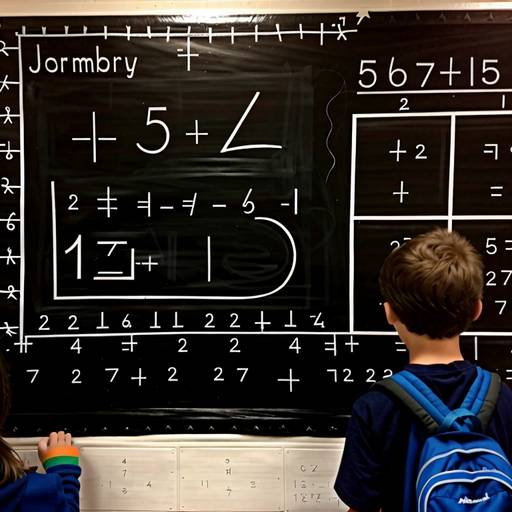
This lesson plan for 3rd-grade students focuses on the concept of subtraction, aiming to enhance their understanding and application of this fundamental math skill. The lesson begins with an engaging introduction using a countdown song to capture students' interest. It incorporates manipulatives to help visualize subtraction problems, allowing students to physically experience the "taking away" concept.
Guided practice involves solving problems together as a class, followed by independent worksheets where students can work individually or in pairs. An interactive relay race activity fosters teamwork and reinforces learning by having students solve various subtraction problems across different stations. The lesson concludes with a brief review, encouraging students to share their experiences and understanding, and rewarding participation with stickers or stamps.
Assessment during the lesson includes observing student engagement and reviewing worksheet answers, with modifications and extensions available to accommodate varying levels of understanding. Overall, this lesson provides a dynamic and interactive approach to mastering subtraction in real-world scenarios.
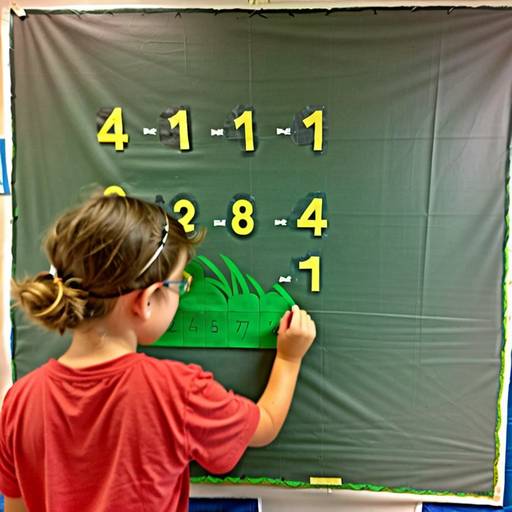
This lesson plan for 3rd grade focuses on teaching subtraction through engaging activities that incorporate real-world scenarios. Students will explore the concept of subtraction with numbers up to 100, beginning with a story that introduces the topic in a relatable way. The lesson includes direct instruction, where the teacher demonstrates basic subtraction using visual aids and manipulatives.
Students will then participate in guided practice with partners, working on subtraction worksheets and utilizing counters to reinforce their understanding. The independent practice segment features a board game that allows students to apply subtraction in a fun, interactive format. The lesson concludes with a wrap-up discussion to reflect on what they have learned and an exit ticket task where students create their own subtraction problems. Overall, the lesson emphasizes collaboration, problem-solving, and critical thinking skills while ensuring all students are actively engaged in the learning process.
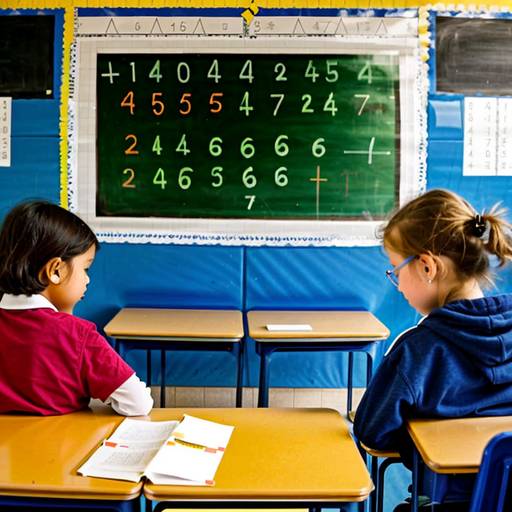
In this engaging third-grade math lesson, students will explore the concept of subtraction through interactive activities and teamwork. The lesson begins with a brief introduction to subtraction, using visual aids and examples to reinforce the concept. Following this demonstration, students participate in a competitive race where they work in small teams to solve subtraction problems at various stations set up along a course. Teams must collaborate to correctly answer each problem before advancing to the next station, fostering both problem-solving skills and cooperation.
As the lesson concludes, students gather to discuss their strategies and reflect on the importance of teamwork in math. They will also complete worksheets that reinforce the subtraction concepts learned during the race. Assessment will occur through observation of student participation and by reviewing worksheet answers. The lesson wraps up with a celebration of effort, awarding small prizes to the winning team while encouraging further practice of subtraction at home. Extension activities will be available for students ready to advance their skills. Overall, this lesson aims to make subtraction fun and engaging while supporting collaboration and problem-solving.
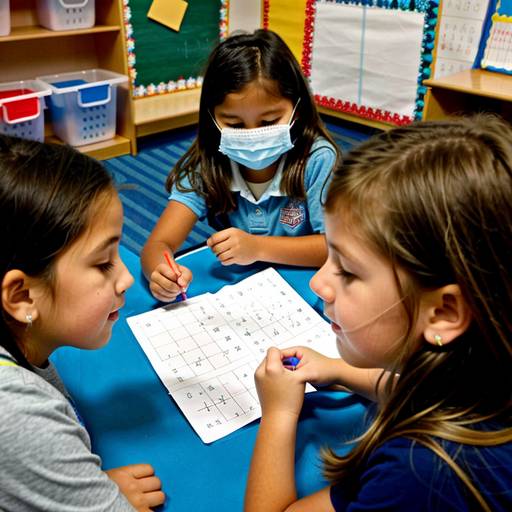
The lesson focuses on teaching 3rd-grade students the concept of addition with regrouping. It begins with an engaging discussion to introduce the idea of carrying over when adding larger numbers. The instructor demonstrates the process using an example on the whiteboard, emphasizing the steps involved in regrouping and utilizing base ten blocks for better visualization.
Students then work in pairs to practice similar addition problems, with guidance provided as needed. Following collaborative practice, each student completes an independent worksheet to reinforce their understanding of regrouping.
The lesson concludes with a reflective sharing session, wherein students express what they learned about the topic. An engaging game is introduced to allow students to further apply their skills in a fun and competitive manner. Assessment throughout the lesson involves monitoring participation, collecting worksheets for review, and evaluating student comprehension through sharing sessions. Accommodations for varying learning needs are included, ensuring all students can successfully engage with the material.
In this 3rd-grade technology lesson, students will learn essential skills for using the internet safely and responsibly. The session begins with a discussion about the internet and its uses, followed by an engaging video that emphasizes key safety tips, such as protecting personal information and identifying trustworthy websites. Students will then participate in an interactive discussion to reinforce the importance of internet safety.
Next, they will practice safe search techniques by collaboratively searching for information online. In small groups, students will analyze scenario cards depicting various online situations—some safe and some unsafe—and share their conclusions with the class. The lesson concludes with reflections where students will express one new thing they've learned about internet safety.
Assessment will be based on student participation and understanding, as demonstrated through discussions and reflections. Extensions include a homework assignment to create an "internet safety poster" and the potential for inviting a guest speaker to further discuss online safety in future classes. Overall, this lesson equips students with foundational knowledge and skills to navigate the internet securely.
In this 3rd-grade technology lesson, students will gain foundational skills in using search engines to find information online. The session begins with an engaging discussion about the students' experiences with the internet, followed by a direct instruction segment that introduces the concept of search engines and the importance of keywords and evaluating source credibility. Students will then participate in a guided group activity where they will practice searching for answers to specific questions, promoting collaboration and active learning.
Afterward, they will complete an individual "Safe Searching" worksheet that reinforces concepts of internet safety and the evaluation of online sources. The lesson concludes with a class discussion that allows students to reflect on their learning. Assessment will be based on worksheet completion and group participation during activities. Extensions include introducing more advanced search techniques and creating a classroom display of safe searching tips.
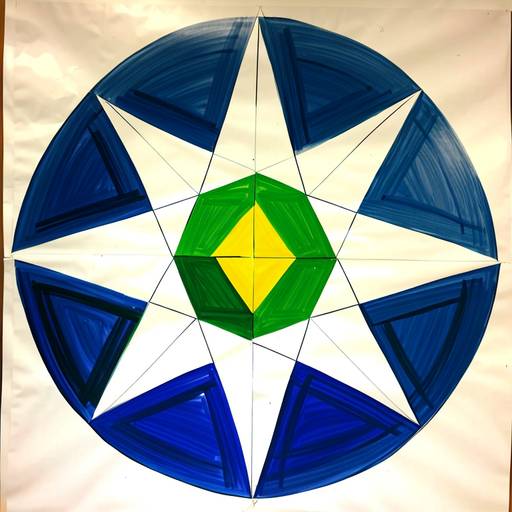
In this 3rd-grade math lesson, students will explore the concepts of geometry and symmetry through interactive activities and hands-on experiences. The lesson begins with a warm-up discussion where students share their understanding of symmetry and identify symmetrical objects in their environment. The teacher will review basic geometric shapes—circle, square, triangle, and rectangle—emphasizing their properties and demonstrating how to find lines of symmetry using drawings and, optionally, a mirror.
In guided practice, students will create their own geometric shapes on construction paper, draw their lines of symmetry, and collaborate with a partner to discuss their findings. For independent practice, students will design symmetrical creations using colored construction paper, ensuring their designs reflect symmetry through careful arrangement of shapes.
The lesson concludes with students presenting their symmetrical designs to the class, reinforcing their understanding through verbal explanation. Assessment will be based on observation during activities and the accuracy of their symmetrical creations. Extensions include encouraging students to find real-world examples of symmetry and creating a classroom art gallery to showcase their work. The lesson is designed to engage students with geometry in a fun and creative way.

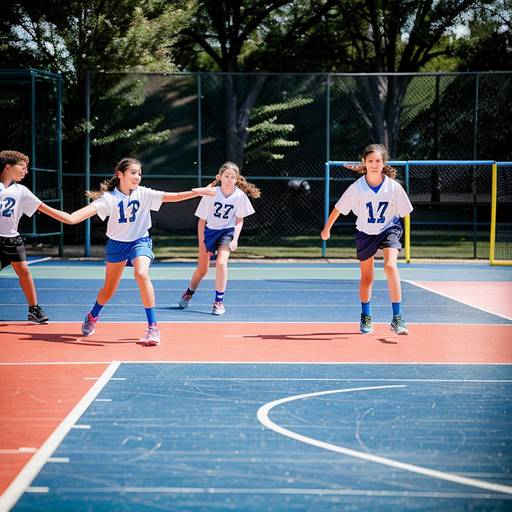
This lesson plan is designed for 3rd-grade students to enhance their coordination skills and promote teamwork through engaging physical activities. The session begins with a fun warm-up activity where students follow a leader in various movements, fostering a sense of rhythm and cooperation. The importance of coordination and teamwork is introduced through a group discussion.
Students then participate in two main activities: the Beanbag Balance Relay, where they balance a beanbag on their heads while navigating a course, and the Hula Hoop Challenge, which requires them to pass a hula hoop around without letting go of each other’s hands. Both activities emphasize communication and support among teammates.
To further reinforce these concepts, the students engage in a game of Capture the Flag, which encourages strategic thinking and collaboration. The lesson concludes with a cool-down period that includes gentle stretching and a reflective discussion about their experiences, helping students articulate what they learned about teamwork in physical activity contexts.
Throughout the lesson, students are assessed on their participation and cooperation, creating an encouraging environment where they support one another. The plan also suggests extensions for students to practice teamwork in sports outside of school, promoting continued engagement with these important skills.
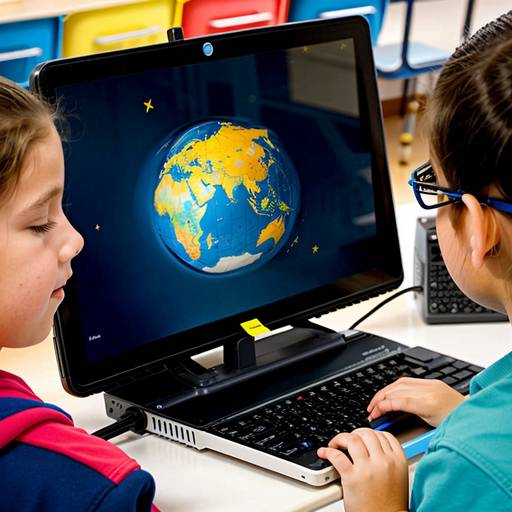
This third-grade lesson focuses on introducing students to the concept of technology and how it works. It begins with an engaging class discussion in which students share various technologies they use in everyday life. A supportive video may be shown to illustrate common devices in action. Students are then divided into small groups, where they research a selected device, learning about its function and utility. Each group prepares a presentation—such as a poster, skit, or demonstration—based on their findings, which they share with the class. The lesson concludes with a wrap-up discussion to reflect on key learnings and an exit ticket for individual feedback. Assessment includes observing group participation and evaluating presentations, with differentiation strategies in place to support diverse learning needs. Overall, this lesson fosters collaboration, creativity, and critical thinking while helping students understand the role of technology in their lives.
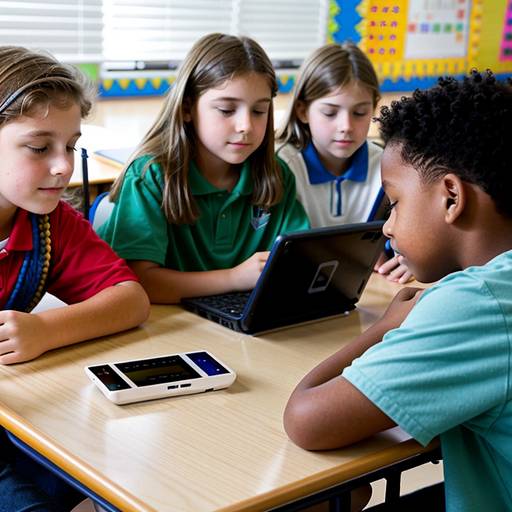
In this 3rd-grade technology lesson, students will learn the importance of proper device maintenance and handling. The lesson begins with a discussion about the devices they use, followed by an instructional segment that highlights the reasons for taking care of technology, safe handling techniques, and effective cleaning methods. Students will participate in hands-on activities, practicing these techniques in small groups, guided by the teacher. They will also create personal device care checklists to ensure they understand the daily and weekly maintenance tasks essential for keeping their devices in good condition. The lesson concludes with a recap and encourages students to share their checklists with their families, fostering a sense of responsibility for their technology use. Through observation and participation, the teacher will assess student understanding, while opportunities for differentiation will cater to various learning needs. Overall, the lesson aims to empower students to become responsible stewards of their devices, instilling good habits for their future education.