
Filters
Level
Grade
Subject
Subject Area
Subject Topic
Standard(s)
Audience
Keyword
DurationMinutes
3rd Grade Lesson Plans
This lesson plan is designed for 3rd-grade students to develop essential internet skills and understand the importance of online safety. The session starts with a discussion about students' internet experiences and emphasizes the need for caution while navigating the digital world.
Students will learn to identify safe and unsafe online behaviors through engaging scenarios, encouraging them to think critically about their actions. They will work in pairs to classify these scenarios and discuss their reasoning, promoting collaboration and communication.
In a creative activity, students will create a "Digital Shield" collage that highlights their top three internet safety tips, allowing for personal expression while reinforcing their understanding of safe online practices. The lesson concludes with students sharing their collages and summarizing key safety concepts. Assessment will involve observing participation, reviewing worksheets, and evaluating the creative projects.
This plan also includes extensions such as creating a class blog or inviting a guest speaker to deepen students' understanding of internet safety in a fun, interactive manner. The overall goal is to empower students to become responsible digital citizens in an engaging and supportive environment.
This lesson plan focuses on teaching 3rd-grade students the fundamental concepts of digital citizenship and the importance of protecting their personal information online. The lesson begins with an engaging video that introduces these concepts, followed by a guided discussion to reinforce understanding. A slide presentation highlights key points, including what constitutes personal information, safe online practices, and examples of safe versus unsafe behaviors.
Students then work in small groups to create colorful posters that illustrate effective online safety practices, promoting creativity and collaboration. The lesson includes an interactive game, Online Safety Bingo, to reinforce learning through fun engagement. To conclude, the instructor recaps the key points and distributes a handout summarizing the topics covered, encouraging students to share their newfound knowledge with family members. Assessment occurs through observational participation, group poster presentations, and Bingo game involvement, and possibilities for future lessons are suggested to build on this essential foundation of digital safety.
In this 3rd-grade technology lesson, students will explore the fundamentals of internet skills and the importance of netiquette—polite behavior online. The class will begin with a discussion about the internet and its uses, followed by a brief educational video on internet safety and netiquette. Students will then work in small groups to create posters highlighting key netiquette rules, which they will present to their peers.
To reinforce their learning, students will participate in an internet scavenger hunt, utilizing safe and age-appropriate websites to find specific information while practicing respectful online communication. The lesson will conclude with a review of key concepts and distribution of handouts on internet safety tips for students to share with their families. Assessment will focus on group participation, the accuracy of scavenger hunt responses, and the quality of the netiquette posters. Extensions to the lesson may include creative writing or collaborative projects to further engage students in demonstrating their understanding of online etiquette.

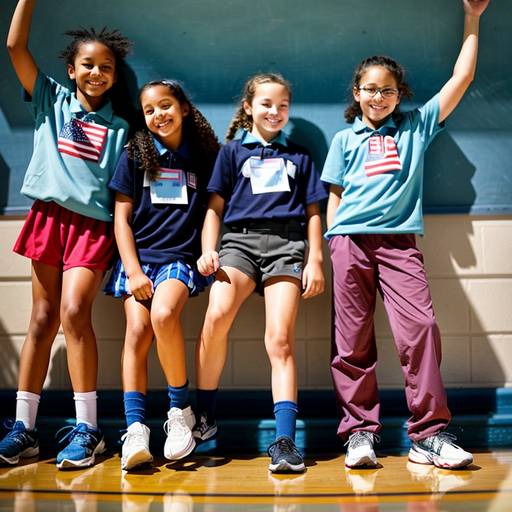
This 3rd-grade physical education lesson focuses on enhancing students' coordination and balance through a series of engaging activities. The class begins with dynamic stretching and a balance challenge to warm up. The main activities include jumping between hula hoops arranged in a hopscotch pattern and navigating a zigzag cone course, emphasizing various movement styles while maintaining balance. A cooldown session with gentle stretches and reflective discussion concludes the lesson, allowing students to share their experiences and insights. The lesson is designed to accommodate varying skill levels and promote safety while encouraging creativity and confidence in physical movement. Teachers will assess students' coordination and balance through observation and provide positive feedback to support their development.

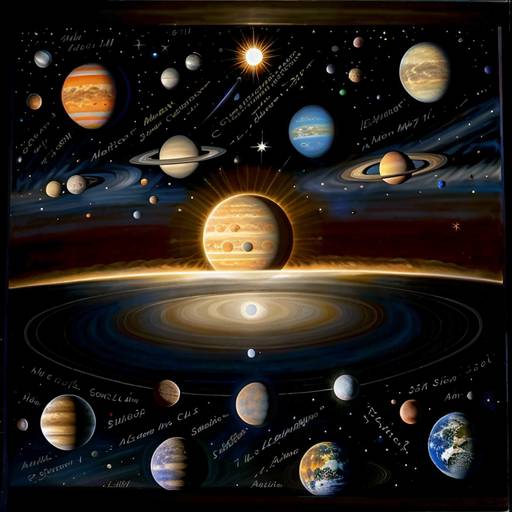
In this 3rd grade science lesson, students will explore the solar system by identifying the eight planets and understanding their unique characteristics. The lesson begins with a brief discussion and a short video to engage students' curiosity about space. Key vocabulary terms are introduced, including solar system and orbit.
Students will then participate in two main activities. First, they will work in pairs to arrange images of the planets in order from the Sun, discussing their arrangement as a class. Next, each pair will be assigned a specific planet to research using a worksheet that prompts them to gather information about the planet's distance from the Sun, size, and unique features.
The lesson concludes with students presenting their findings to the class, encouraging peer interaction and questions to reinforce learning. Assessment will focus on the completeness of the research worksheets, participation in activities, and the clarity of their presentations. Optional extension activities may include creating a model or drawing of a planet for display. The lesson aims to foster a foundational understanding of our solar system and cultivate excitement about astronomy.
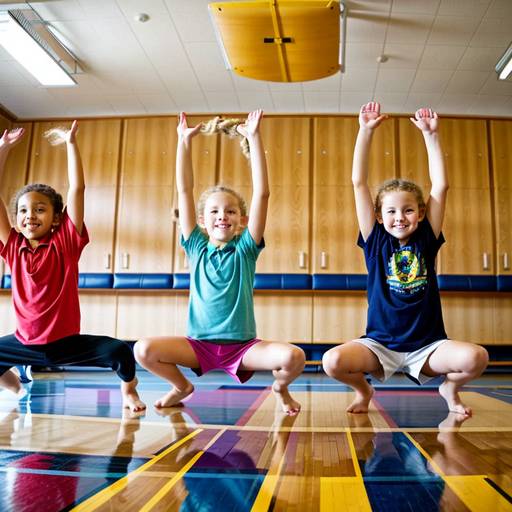
In this 3rd-grade physical education lesson, students will focus on improving their flexibility and understanding its importance in maintaining a healthy lifestyle. The session begins with a brief discussion on flexibility, followed by a dynamic warm-up involving a series of stretching exercises. Students will then rotate through multiple stretching stations, each targeting different muscle groups, allowing them to practice various stretches effectively. To enhance engagement, they will participate in a fun game of Freeze Tag, where tagged students must hold a stretching pose until helped by peers. The lesson concludes with a gentle cool-down routine, followed by a reflection on their experiences and a homework challenge to encourage daily stretching. Throughout the session, student participation, understanding, and adaptations for varying mobility levels will be observed to ensure an inclusive and enjoyable experience for all.

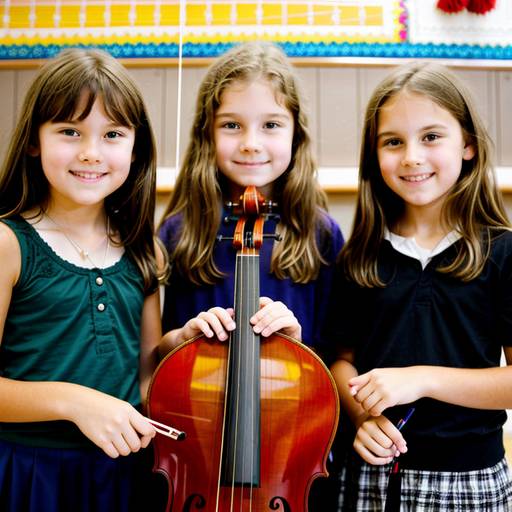
This music lesson plan for 3rd graders focuses on exploring string instruments and their unique characteristics. Students will begin with a warm-up song followed by an introduction to various string instruments through visual aids and audio clips. Engaging discussions will highlight the sounds and features of each instrument.
During a hands-on activity, students will work in small groups to create their own simple string instruments using rubber bands and cardboard boxes, allowing them to experiment with sound production. The lesson will conclude with a reflective discussion where students share what they’ve learned and complete a worksheet where they draw and label a string instrument of their choice.
Assessment will include observation of student participation and creativity in group presentations, as well as reviewing the worksheets. To enhance the learning experience, potential extensions include inviting a guest musician to share insights about string instruments or organizing a themed day for students to showcase their own instruments. Overall, the lesson aims to foster engagement and appreciation for music and string instruments.
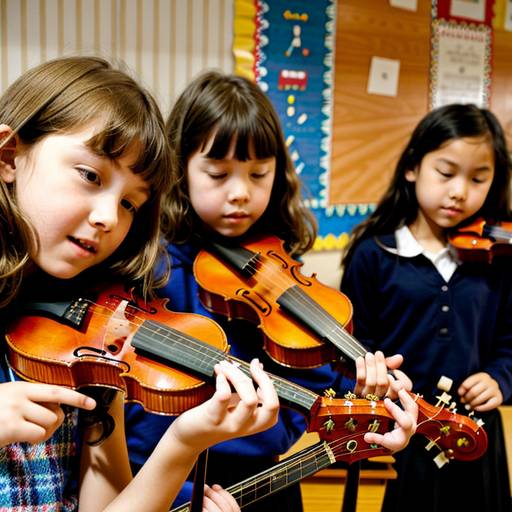
In this 45-minute music lesson for 3rd-grade students, learners are introduced to string instruments, including the violin, viola, cello, double bass, guitar, and harp. The lesson begins with a discussion about various musical instruments, followed by an exploration of how string instruments produce sound through vibrating strings. Students participate in a hands-on activity where they create their own simple shoebox guitars using cardboard shoeboxes, yarn, or rubber bands. They learn how the length and tension of the strings affect the sound produced. After constructing their instruments, groups share their creations with the class, demonstrating what they learned about sound production. The lesson concludes with a recap of key concepts, a discussion about student favorites, and an optional take-home worksheet for further reflection. Assessment is conducted through observation of participation and understanding, along with the evaluation of the take-home worksheets. Opportunities for extension include research projects on string instruments and potential guest musician visits. This interactive approach fosters creativity and engagement while teaching fundamental concepts related to music and sound.
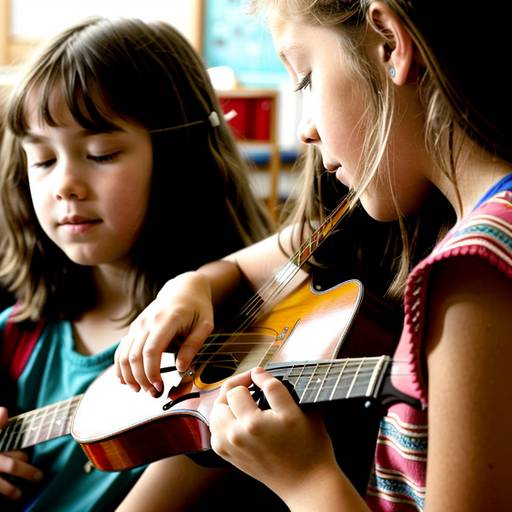
In this engaging music lesson for 3rd graders, students will explore the world of string instruments by identifying various types and understanding how sound is produced through their strings. The lesson begins with an interactive introduction, where students name instruments and listen to audio clips to appreciate their sounds.
Students will then learn basic playing techniques, including strumming and plucking, with the opportunity to experiment using simple string instruments, such as ukuleles or guitars. Afterward, they will work in small groups to create their own string instruments using craft materials, emphasizing the principles of sound production.
As a wrap-up activity, each group will present their instrument, demonstrating how it works and performing a simple pattern they practiced. The lesson concludes with a reflection activity where students draw their favorite string instrument and share what they learned, providing an assessment of their understanding. This lesson promotes collaboration, creativity, and a deeper appreciation for string instruments in music.

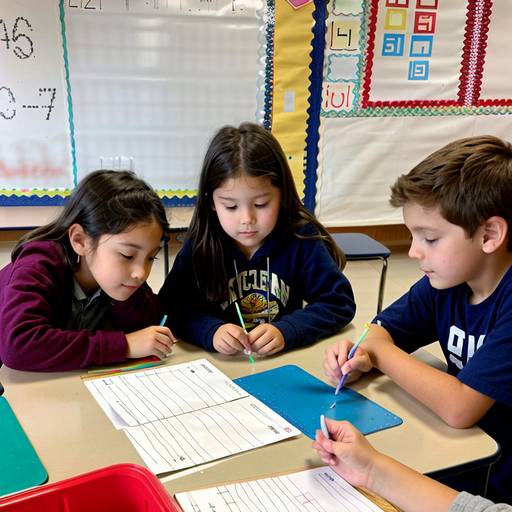
This math lesson for 3rd graders focuses on teaching subtraction through an engaging and interactive treasure hunt activity. Students will begin by reviewing fundamental subtraction concepts and strategies, using manipulatives and number lines to visualize the process. Following a mini lesson, they will be divided into small groups to solve subtraction problems that lead them to concealed treasures around the classroom. This collaborative effort encourages teamwork as they work together to find the answers, share their strategies, and help each other through challenges.
At the end of the activity, students will reflect on their experiences and the skills they learned, with a small prize awarded to each participant to reinforce their achievements. The lesson aims not only to enhance subtraction skills but also to foster a sense of community and collaboration among students while providing a fun and memorable learning experience.