
Filters
Level
Grade
Subject
Subject Area
Subject Topic
Standard(s)
Audience
Keyword
DurationMinutes
3rd Grade Lesson Plans

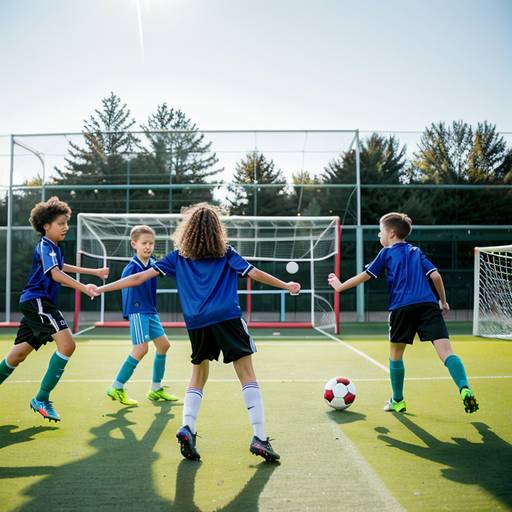
In this physical education lesson for 3rd graders, students will engage in a fun and interactive introduction to soccer, focusing on essential skills such as dribbling, passing, and shooting. The lesson begins with a dynamic warm-up to prepare students physically, followed by a discussion about the game, its rules, and the significance of teamwork.
Students will rotate through three skill stations—dribbling, passing, and shooting—where they will practice these fundamental techniques in small groups. After this hands-on practice, students will participate in a modified mini-soccer game, allowing them to apply the skills they’ve learned while emphasizing sportsmanship and teamwork.
The session concludes with a cool-down period featuring gentle stretches and a reflective discussion, where students can share their experiences and insights from the lesson. Throughout the activities, instructors will assess students’ skills and participation, ensuring that everyone is engaged and learning. Adjustments will be made as necessary to accommodate varying skill levels, promoting an inclusive environment for all participants.

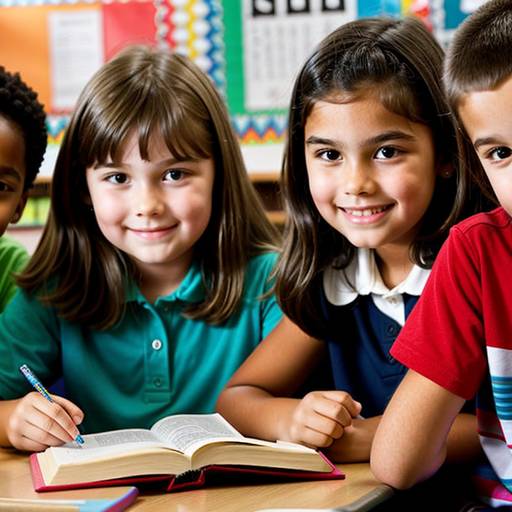
In this lesson plan for 3rd-grade language arts, students will explore the essential role of punctuation in writing. The lesson begins with an engaging introduction that highlights why punctuation is important and how it influences the meaning of sentences. Following a guided demonstration, students will work in pairs to identify and apply various punctuation marks—periods, commas, question marks, and exclamation points—on worksheets designed to help them practice.
For independent practice, students will select sentences from short stories and rewrite them with the correct punctuation, allowing them to express their creativity. The class will then share their punctuated sentences, fostering discussion about their choices. The lesson concludes with a recap of key points, where students reflect on their learning about punctuation, leading to the distribution of rewards for participation and achievement throughout the session. Assessment will be based on observation during activities and the completed worksheets to evaluate students’ understanding of punctuation. Modifications are included to support learners of varying levels. Overall, the lesson aims to make grammar and punctuation engaging and accessible.
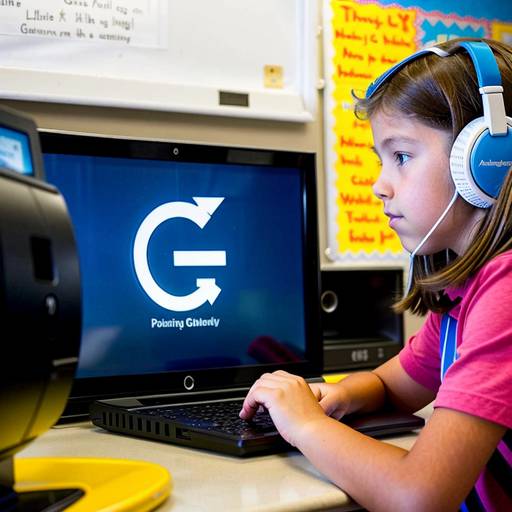
In this lesson plan, 3rd-grade students will explore the importance of digital citizenship and privacy protection in the online world. The lesson begins with a discussion about being responsible digital citizens and the significance of keeping personal information private. Students will engage in role-playing scenarios to identify what information is safe to share.
Through an interactive Bingo game, they will differentiate between personal and safe information, reinforcing their understanding of privacy. In small groups, students will create an "Online Safety Plan" poster that outlines strategies for online safety, which they will then share with the class. The lesson concludes with reflections on what students learned and how they can apply these concepts at home and in school. Overall, the plan emphasizes responsible online behavior, empowering students to navigate the digital landscape safely.

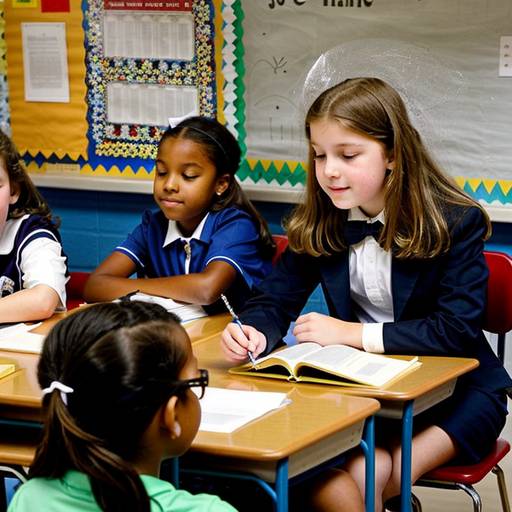
In this 3rd-grade social studies lesson, students explore the contributions of significant historical figures who influenced society. The lesson begins with a discussion about what makes someone a hero, followed by a mini-lecture introducing a selection of inspiring historical figures, such as Martin Luther King Jr. and Rosa Parks. Students are then divided into small groups to choose a figure and create a poster that highlights their achievements and legacy. Throughout the activity, students engage in teamwork and creativity while using resources for research. The lesson concludes with group presentations, where students share their posters with the class, reinforcing their understanding of the figures' importance and encouraging them to think about how they can contribute positively to their community. Ultimately, this engaging lesson fosters a deeper appreciation for history and inspires students to consider their own roles in making a difference.
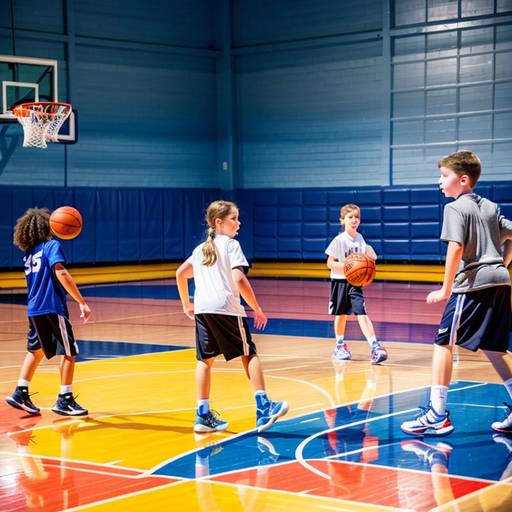
In this 60-minute physical education lesson for 3rd graders, students will be introduced to the basics of basketball through various skills, drills, and gameplay. The lesson begins with a dynamic warm-up, including stretching and a fun game to promote movement. Students will learn fundamental basketball rules and the importance of teamwork.
The class will engage in a dribbling drill where they weave through cones to enhance their control and dexterity. Next, they will pair up to practice different types of passes, focusing on precision and targeting. Following the skill development, students will participate in a small-sided game, allowing them to apply what they've learned in a team setting while fostering communication and collaboration.
The session concludes with a cool-down period where students stretch and reflect on their experiences, emphasizing teamwork and sportsmanship. Throughout the lesson, the instructor will assess students’ skills and provide feedback, ensuring a supportive and engaging environment. Adaptations are available for students with varying abilities, promoting inclusivity and safety during all activities.
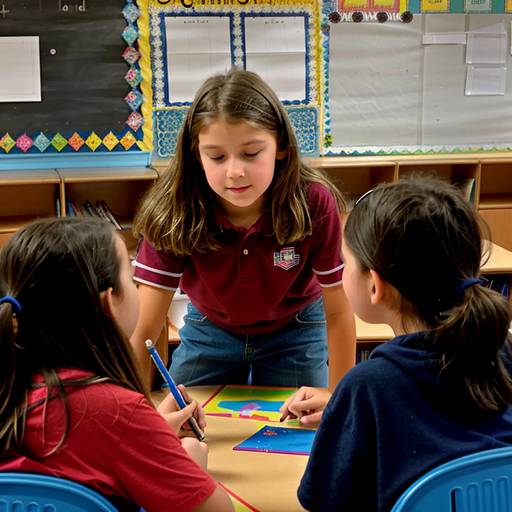
In this 3rd-grade language arts lesson, students will engage in the creative writing process by imagining and crafting their own unique worlds. The lesson begins with a discussion about imaginative settings found in literature and includes a read-aloud of a captivating story excerpt. Following this, students will use a story planning worksheet to brainstorm ideas related to their own fictional world, including details about the setting, characters, and plot.
After brainstorming, students will spend time writing a short story that establishes a clear beginning, middle, and end, all while expressing their creative ideas. Once they have completed their stories, they will illustrate scenes or important aspects of their worlds, allowing for a visual representation of their creativity.
The lesson concludes with an opportunity for students to share their stories and artwork with the class or in small groups, promoting confidence and peer feedback. Assessment will focus on their participation, the completeness of their worksheets, and the creativity displayed in their narratives. Extension activities may include compiling a class book of stories or performing dramatic readings, while modifications are provided to support diverse learning needs. Overall, the lesson aims to foster imagination and enhance storytelling skills in a fun and engaging manner.

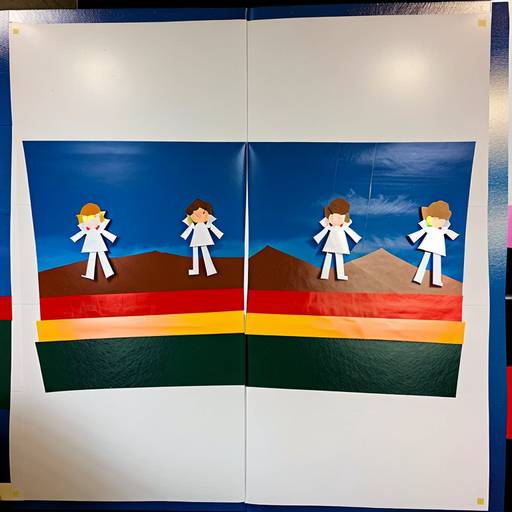
In this 3rd-grade art lesson, students will explore the technique of collage by creating their own layered artworks that convey a theme or story. The lesson begins with a discussion about what collage is and includes visual examples to inspire students. After a demonstration of how to select, cut, and arrange various materials, students will have the opportunity to create their own collages using a variety of paper sources and decorative items. As students work, they will focus on layering their images thoughtfully to develop depth and interest in their artwork. The lesson concludes with a sharing session where students present their collages and explain their creative choices, followed by a clean-up and a reflective exit ticket. Through this process, students will enhance their artistic skills and express their imaginations.
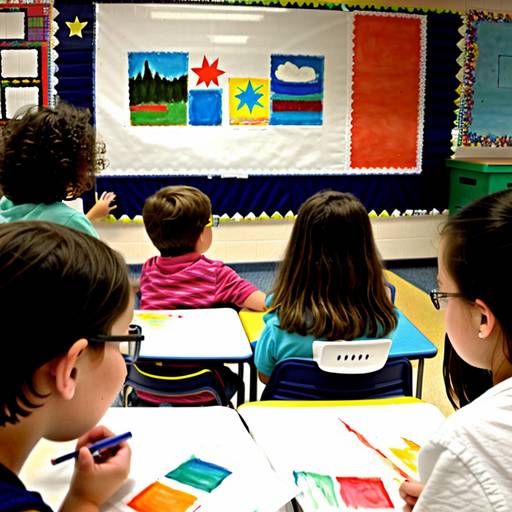
In this 3rd-grade art lesson, students will explore drawing techniques to capture movement and action. The session begins with a warm-up discussion about various forms of movement, using reference images for inspiration. The teacher will demonstrate how to break down complex images into basic shapes and use lines to convey dynamics.
Students will then engage in a hands-on activity where they choose a subject in motion and create sketches, focusing on the flow and action of their figures. After their initial sketches, they will add color and detail to enhance their artworks, using vibrant colors to express energy and speed.
To conclude the lesson, a gallery walk will allow students to display their work and share their artistic choices with the class. This interactive format encourages creativity and observation, with opportunities for peer feedback. Assessment will focus on students' understanding of drawing techniques, creativity, and their ability to convey movement in their artwork. Extensions and adaptations will provide additional support and challenges, ensuring an inclusive learning experience for all students.

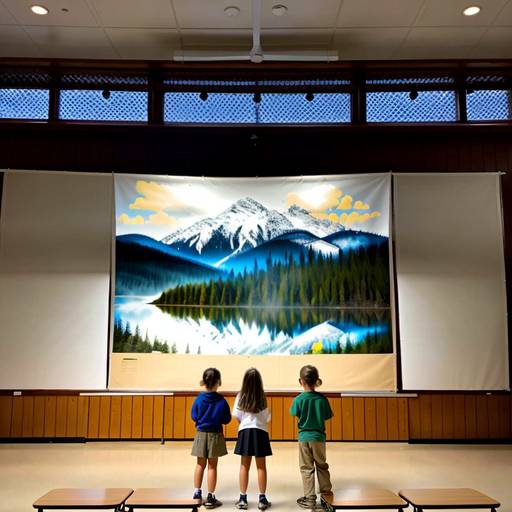
This 3rd-grade Life Science lesson focuses on the concept of animal migration. Students will begin by discussing the meaning of migration and its significance for survival, exploring why certain animals undertake long journeys in search of food, breeding grounds, or warmer climates. The lesson includes a visual introduction to various migratory animals, such as monarch butterflies, wildebeests, salmon, and Arctic terns.
Working in small groups, students will research their assigned migratory animal, creating a map that outlines its migration route while noting important facts about its behavior and habitat. After group presentations, the class will engage in a reflective discussion on the challenges these animals face and the importance of protecting their migratory paths.
Assessment will be based on participation, group projects, and potentially a short quiz on the material covered. Extension activities are also suggested to further explore the topic, including individual research and creative writing. Overall, this lesson aims to cultivate students' understanding of migration and its relevance within life science.
In this 3rd-grade science lesson, students will delve into the fundamental systems of the human body, specifically the skeletal, muscular, and circulatory systems. The lesson begins with a discussion to assess prior knowledge, followed by direct instruction using models and diagrams to explain the role and function of each system.
Students will then work in small groups to create informative posters about their assigned body system, incorporating visual elements and key facts. This collaborative activity fosters teamwork and creativity while reinforcing their understanding of the material. Following the poster presentations, students will participate in a relay activity that reinforces vocabulary and concepts learned during the lesson.
The session will conclude with a recap of the key points and a reflective discussion, allowing students to share what they learned. To assess understanding, labeling worksheets will be assigned for homework, encouraging students to reinforce their knowledge. Overall, the lesson provides an interactive and engaging approach to exploring the complexities of the human body.