
Filters
Level
Grade
Subject
Subject Area
Subject Topic
Standard(s)
Audience
Keyword
DurationMinutes
3rd Grade Lesson Plans

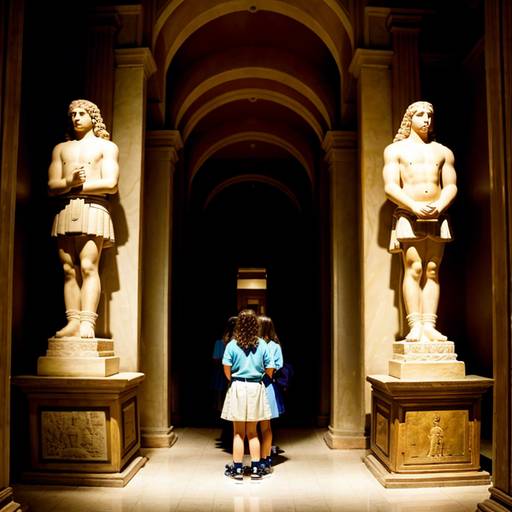
In this art lesson for 3rd graders, students will explore ancient art from various cultures, learning about the styles, materials, and purposes behind these historical artworks. The lesson begins with a discussion and visual presentation of ancient art forms, such as Egyptian hieroglyphs and Greek pottery, emphasizing their significance in storytelling and daily life. Following this introduction, students will engage in a creative activity where they design their own artwork inspired by ancient techniques, using drawing or sculpting methods.
As they create, students will think about symbols and meanings that resonate with them personally. The lesson concludes with a sharing circle where students present their creations, fostering discussion about their inspirations and the diversity of ideas. Assessment will be based on participation, creativity, and self-reflection. Extension activities, such as creating a classroom gallery and inviting discussions on students' cultural backgrounds in art, are also included. Adaptations are provided to support varying skill levels. Overall, the lesson aims to connect students to art history while encouraging their creativity and personal expression.

This lesson plan focuses on teaching 3rd-grade students the fundamental elements of storytelling, including characters, setting, and plot. The lesson begins with a group discussion to engage students in thinking about what makes a story compelling. The teacher then models the story creation process by collaboratively filling out a graphic organizer with students, demonstrating how to develop their own characters, settings, and plots.
Following this guided instruction, students complete their own graphic organizers in pairs, sharing their ideas and providing feedback to each other. Next, they independently write their own short stories using their developed concepts, encouraged to be imaginative and descriptive.
The lesson concludes with students sharing their stories aloud with the class, promoting oral presentation skills and positive peer feedback. Assessment consists of monitoring student participation, reviewing their graphic organizers and stories, and providing constructive feedback focused on creativity and storytelling skills. The plan also includes suggested extensions to further enhance student engagement and creativity through art integration.

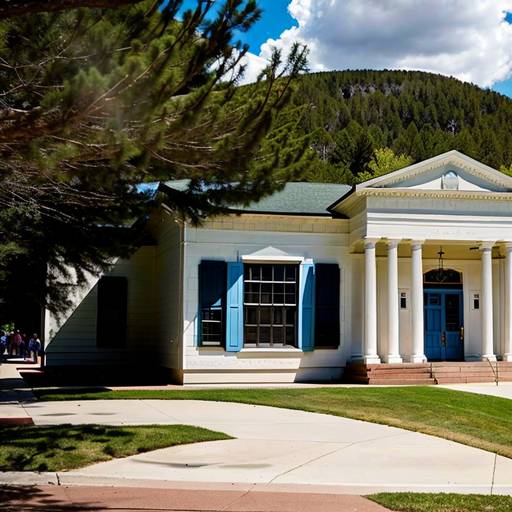
In this 3rd-grade social studies lesson, students will explore significant historical landmarks in the United States and understand their importance in American history. The lesson begins with a discussion of students' experiences at historical sites, followed by a presentation that introduces various landmarks. Students will be divided into small groups, each assigned a specific landmark to research and present to the class. After the presentations, students will engage in a creative project where they will build a simple model or artifact representing their assigned landmark. The lesson concludes with a discussion about the importance of preserving history. Assessment will focus on group participation, creativity in projects, and the effectiveness of their presentations. Extensions include a reflective writing assignment and the possibility of organizing a field trip to a local historical site.

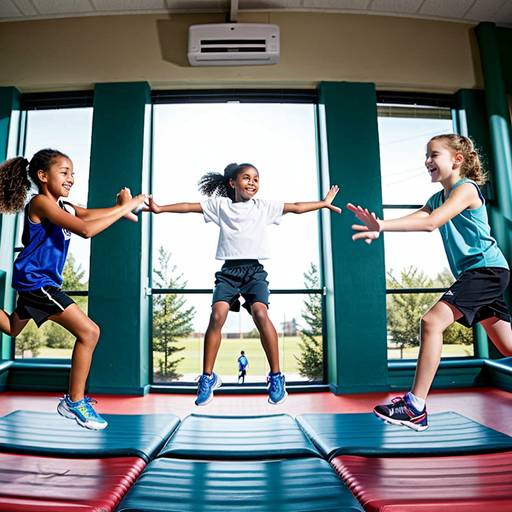
In this 45-minute physical education lesson designed for 3rd graders, students are introduced to the concept of cardiovascular fitness and its importance for overall health. The session begins with a warm-up that includes dynamic stretches and a fun rhythm-based dance to help students connect with their heart rates.
Students then participate in a series of five cardio activity stations, where they engage in jump roping, hula hooping, a relay race, a dance routine, and a freeze tag game. Each station lasts for five minutes, allowing students to experience various forms of aerobic exercise while developing teamwork and cooperation skills.
Following the main activities, a cool-down period includes static stretching and deep breathing to help lower heart rates. The lesson concludes with a group discussion, encouraging students to reflect on their experiences and the benefits of physical activity. Throughout the lesson, students are observed for engagement and understanding, while adaptations are provided to ensure all learners can participate effectively. Additionally, students are encouraged to set personal fitness goals and track their physical activities in the days following the lesson.
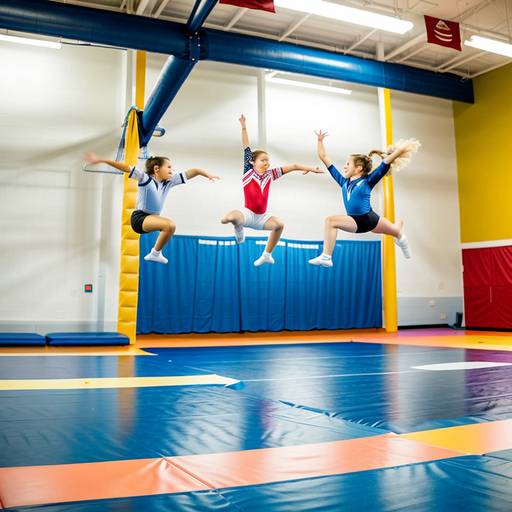
This 3rd-grade physical education lesson focuses on introducing students to basic gymnastics movements and promoting teamwork through simple sports activities. The session begins with a dynamic warm-up to prepare students for physical activity, followed by an explanation of the gymnastics skills to be practiced. Students engage in skill stations where they rotate through various exercises, including forward rolls, jumps, cartwheels, and balance practice on mats.
Following the gymnastics portion, students are divided into teams to participate in a fun, collaborative game that emphasizes communication and strategy. The lesson concludes with a cool-down period involving gentle stretching and a reflection discussion, allowing students to share their experiences and insights. Throughout the lesson, the importance of safety, collaboration, and enjoyment in physical activities is highlighted, creating a supportive and engaging environment for all participants. Assessment is based on observation and informal questioning to gauge participation and understanding.
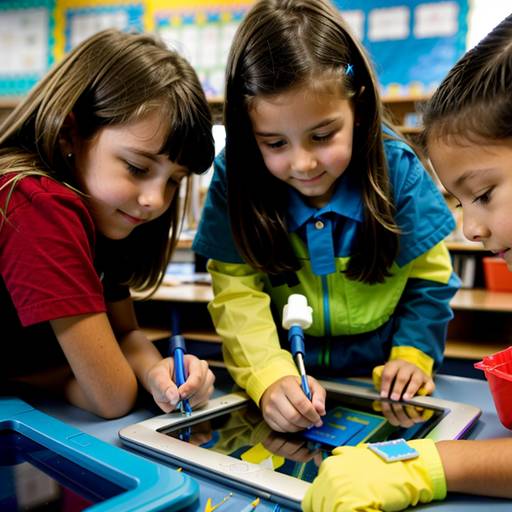
In this lesson designed for 3rd-grade students, the focus is on teaching the importance of maintaining and cleaning electronic devices. Students will learn safe cleaning practices, including which materials to use and what to avoid. The lesson begins with an interactive discussion where students share the devices they use and why proper care is essential. A demonstration of cleaning techniques will follow, guiding students in hands-on experience as they clean various classroom devices in small groups.
Students will also create a personalized maintenance checklist for their devices, which includes cleaning and maintenance tasks, encouraging them to adopt responsible habits at home. The session concludes with a recap of key points and an opportunity for students to share what they learned. Assessment will involve observing students during the cleaning practice and reviewing their checklists to ensure comprehension of the concepts covered. Extensions may include creating informational posters and scheduling regular device cleaning days. Overall, the lesson aims to foster a sense of responsibility for technology among students.
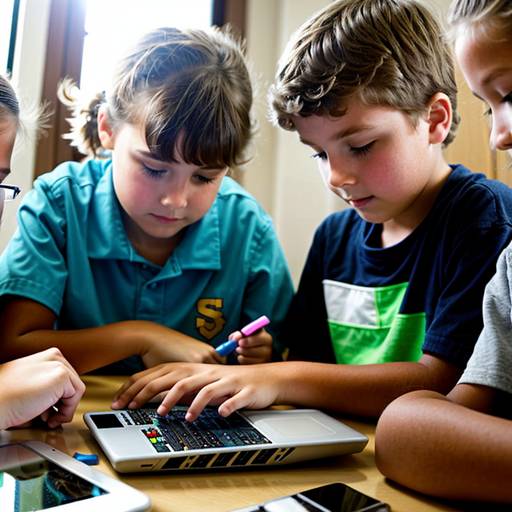
This 3rd-grade lesson plan focuses on teaching students the importance of maintaining and organizing their technology devices. The session begins with a discussion about the devices students use and the consequences of neglecting their care. After a brief video presentation, students receive direct instruction on properly cleaning their devices, troubleshooting common issues, and organizing apps, files, and cables.
The lesson includes guided practice where students clean their devices and organize their accessories using bins and labels. To reinforce their learning, students complete a printed checklist identifying key points and their plans for maintaining their devices. The lesson concludes with a sharing session where students discuss their takeaways. Assessment is done through observations during activities and the completed checklists. Possible extensions include creating a class poster with maintenance tips and a follow-up lesson on digital hygiene. Ultimately, the lesson aims to instill responsible digital habits and enhance the students' overall technology experience.
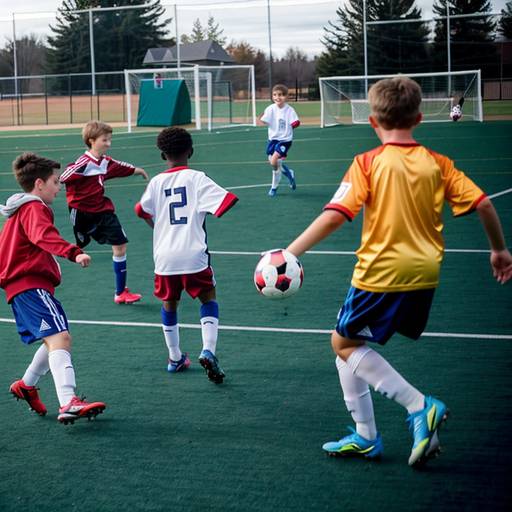
This lesson plan for 3rd-grade physical education focuses on introducing students to the fundamentals of soccer through engaging activities. The lesson begins with a discussion about the sport's basic rules and objectives, followed by a warm-up relay activity that promotes dribbling skills. Students then rotate through skill development stations to practice passing, shooting, and dribbling techniques. The lesson culminates in a mini soccer scrimmage, allowing students to apply what they've learned in a game setting while fostering teamwork and sportsmanship. Finally, the lesson concludes with a cool-down discussion to reflect on their experiences and learning outcomes. Throughout the session, the emphasis is placed on participation, skill development, and fun, ensuring a positive introduction to soccer for all students.
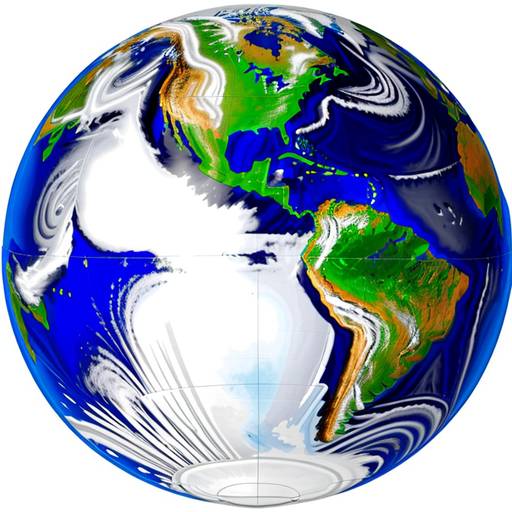
In this 3rd-grade social studies lesson, students will explore various landforms, including mountains, valleys, hills, plateaus, and plains. The lesson begins with an engaging discussion that prompts students to share their prior knowledge about these geographic features. Throughout the lesson, the teacher will introduce each landform through images and descriptions, encouraging students to relate them to local examples.
Students will then participate in a hands-on project where they work in small groups to create models of assigned landforms using clay or playdough. This activity not only promotes teamwork but also allows students to physically represent the characteristics of each landform. After completing their models, groups will present their creations to the class, detailing their landform’s features and significance.
The lesson concludes with a review of the key concepts learned, followed by a reflective discussion about the importance of landforms in shaping human life and the environment. Students will complete an exit ticket activity that reinforces their understanding by matching landforms with pictures and writing down a fact they learned. Assessment will be based on participation, creativity in the project, and comprehension demonstrated in the exit ticket. Opportunities for extension are provided for those who want to delve deeper into famous landforms around the world.
In this 3rd-grade art lesson, students will explore collage techniques by creating layered scenes that reflect their imagination. The session begins with a discussion about collage art and notable artists, followed by an introduction to different techniques such as layering and texturing. After creating a base for their artwork, students will gather materials from magazines, newspapers, and various textures to cut and arrange into their chosen themes. They will then glue their selected pieces onto the base while incorporating personal touches with markers or crayons. The lesson concludes with a gallery walk, where students will exhibit their collages and share the stories behind their creations with the class, fostering a discussion on their artistic choices and experiences. Assessment will focus on participation, creativity in their collages, and their ability to articulate their artistic process. Modifications will be made as needed to support all learners, ensuring a successful and inclusive experience in art exploration.