
Filters
Level
Grade
Subject
Subject Area
Subject Topic
Standard(s)
Audience
Keyword
DurationMinutes
3rd Grade Lesson Plans

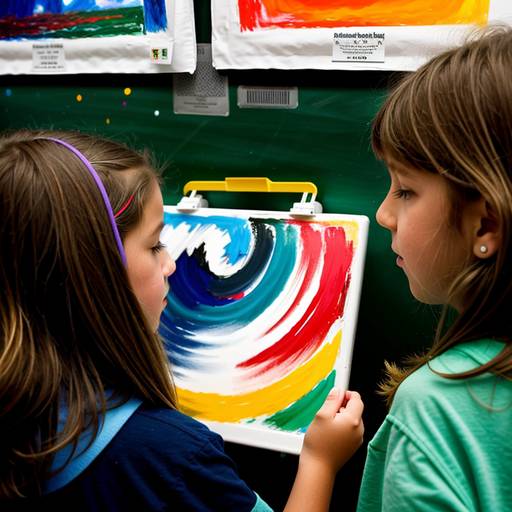
In this 3rd-grade art lesson, students explore the basic elements of art with a focus on color theory. The lesson begins with an interactive discussion about colors, introducing primary and secondary colors and their relationships using a color wheel. Students work in small groups to mix primary paints, creating secondary colors and documenting their observations.
Following the color mixing activity, students collaborate on a large mural, applying their knowledge of color while expressing their creativity through different patterns and textures. The lesson concludes with a group reflection on the experience, encouraging students to share their thoughts on the colors used and the importance of teamwork in artistic projects. Assessment includes participation in activities and the completion of a worksheet. Extensions to the lesson may involve exploring additional color concepts or famous artists known for their color use. All materials used should be appropriate and non-toxic, considering student safety.

This lesson plan focuses on introducing third-grade students to the concept of fractions and teaching them how to compare different fractions. Beginning with a discussion about real-life situations involving sharing pizza or cake, students learn about numerators and denominators using hands-on examples such as fraction circles and paper plates.
In small groups, students create and compare various fractions, discussing which ones are larger or smaller. This collaborative activity fosters understanding through peer interaction. After guided practice, students work independently on worksheets that require them to choose larger or smaller fractions, as well as draw number lines to visualize fraction placement.
The lesson concludes with a review of the concepts learned, allowing students to share their findings and reflections. To assess understanding, the teacher observes group discussions and evaluates completed worksheets. The plan also includes extensions for advanced students and modifications for those needing additional support. Overall, the lesson aims to make fractions relatable and comprehensible while building foundational skills in comparing fractions.

This lesson plan focuses on introducing 3rd-grade students to the concept of matter in physical science, emphasizing the three states: solids, liquids, and gases. The lesson begins with an engaging video or demonstration to capture students' interest, followed by a discussion that prompts them to identify everyday examples of each state of matter.
The instruction includes clear definitions and properties of matter, explaining how it can change states. Students then participate in a hands-on, interactive activity at three different stations, where they observe and describe the characteristics of solids, liquids, and gases using various materials. Each station is complemented by a worksheet for students to record their observations.
The lesson concludes with a group discussion and a drawing activity that allows students to express their understanding of matter creatively. Assessment is based on their participation, completed worksheets, and drawings. Differentiation strategies are included to support varying learning needs, as well as extension activities for further exploration. The overall goal is to provide students with a foundational understanding of matter and its properties through engaging and interactive experiences.
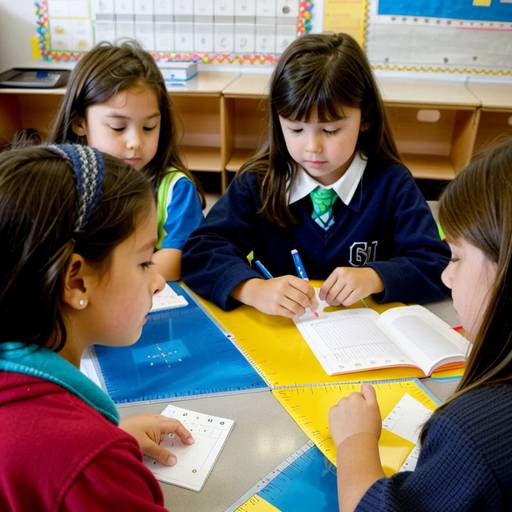
In this 60-minute math lesson for 3rd graders, students will explore measurement and area through interactive activities and hands-on practice. The lesson begins with discussions about the importance of measurement in everyday life, followed by demonstrations on measuring length using rulers in both inches and centimeters.
Students will learn the formula for calculating the area of rectangles (Area = Length x Width) with guided examples. They will then work in pairs to measure various objects, record the dimensions, and calculate the area together.
During independent practice, students will complete a worksheet with different rectangles drawn on graph paper, using their skills to measure and calculate the area of each shape. The teacher will conclude the lesson by reviewing key concepts and allowing students to share their findings. Assessment will be based on observations during group activities and the completion of worksheets. To extend learning, students will measure a room at home for homework and report back to the class. This engaging lesson reinforces essential math skills through collaboration and individual exploration.
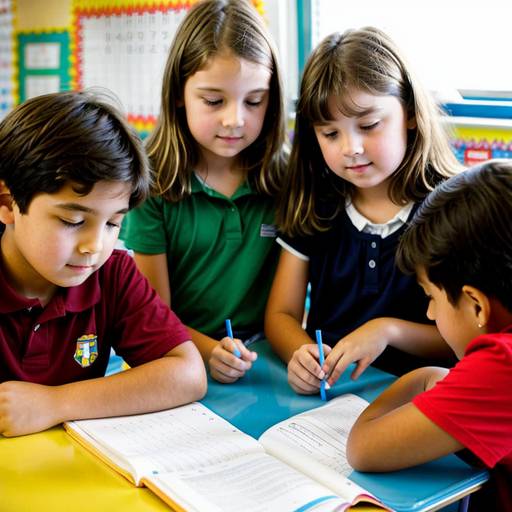
In this 3rd-grade math lesson, students will explore the concepts of measurement and volume through engaging hands-on activities. The lesson begins with an introduction to measurement and its importance in everyday life. Students will learn the difference between length and volume and become familiar with using measuring cups and standard measuring tools like rulers and meter sticks.
During guided practice, students will work in pairs to predict and then measure the volume of different containers using water, recording their findings on worksheets. They will also engage in independent practice by estimating and measuring the volume of household objects in the classroom. A class discussion will follow, allowing students to share their results and reflect on their learning.
Assessment will involve evaluating students' worksheets for accuracy and understanding, alongside monitoring participation during activities. Extensions provide opportunities for further exploration, such as a home project or a measurement scavenger hunt. The lesson aims to solidify students' understanding of measurement and volume while fostering collaborative learning and critical thinking skills.

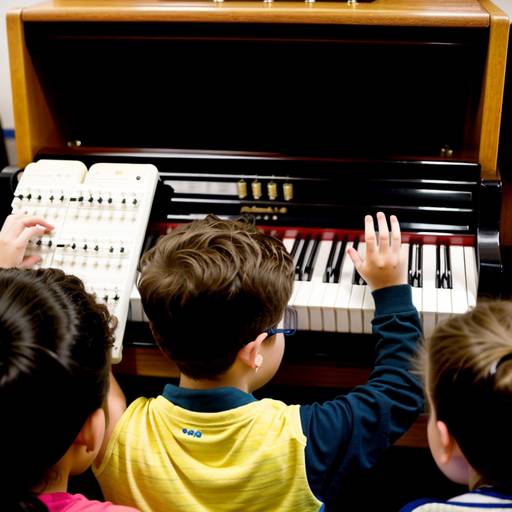
In this engaging music lesson for 3rd-grade students, the focus is on understanding and applying the concept of dynamics in music. The lesson begins with an introduction to various dynamic terms, such as piano, forte, mezzo-piano, and mezzo-forte, allowing students to grasp how these terms indicate the loudness or softness of music.
Following the introduction, students participate in a listening activity where they identify dynamics in different musical pieces, fostering their listening skills and awareness of emotional impacts in music. They then engage in a hands-on activity using percussion instruments to create their own rhythm compositions, intentionally incorporating varied dynamics.
To further reinforce their understanding, students participate in a movement exercise where they act out different dynamic levels through dance, connecting physical expression with musical concepts. Finally, groups perform their compositions for their peers, allowing for discussion and reflection on the dynamics they employed and how these influenced their musical expression.
Throughout the lesson, students are assessed on their participation and understanding of dynamics, setting a foundation for future exploration of how dynamics relate to tempo and articulation in music.
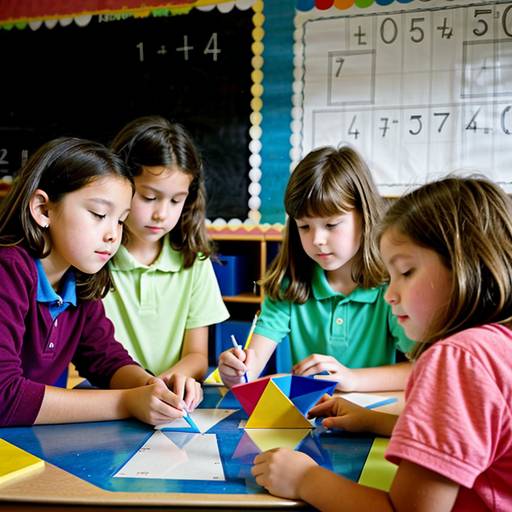
In this 3rd-grade math lesson, students will explore the concepts of geometry and angles by identifying and classifying acute, right, and obtuse angles. The session begins with a review of basic geometric shapes, transitioning into a focused discussion on angles—covering their definitions and characteristics.
Students will learn to measure angles using a protractor through direct instruction, followed by guided practice in small groups where they measure and classify a series of angle cards. After practicing collaboratively, students will complete a worksheet independently that involves drawing angles, classifying given angles, and measuring angles with a protractor.
The class concludes with a brief review to reinforce key concepts and an interactive game where students differentiate between angle types. Assessment will focus on participation, measurement accuracy, and angle classification. Extensions for advanced learners may include complementary and supplementary angles, alongside a scavenger hunt for real-world angle identification. Overall, the lesson aims to engage students with hands-on activities while developing their geometry skills.
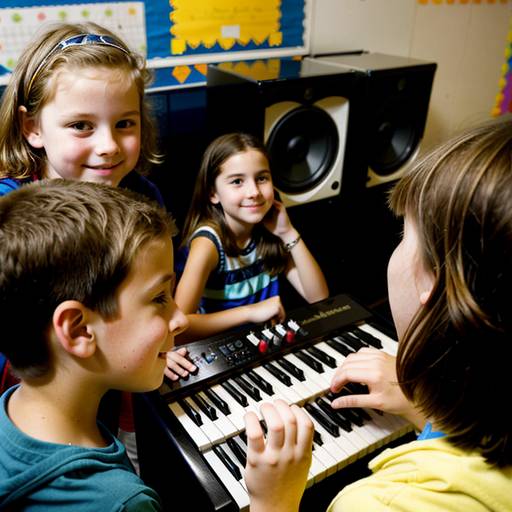
This lesson plan for 3rd-grade students focuses on music appreciation by introducing various music genres. Over the course of 60 minutes, students will identify and describe genres such as classical, jazz, rock, hip-hop, and country through listening activities and discussions.
The lesson begins with a brief conversation about students’ music preferences, followed by listening to audio clips of different genres. After each clip, students engage in discussions about their feelings, instrument identification, and imagery inspired by the music.
Students then participate in hands-on activities where they work in small groups to explore instruments and create their own short musical pieces based on a chosen genre. They also create visual representations to accompany their performances.
The lesson wraps up with a group reflection on the music explored and students sharing their favorite genres. Assessment is based on participation, creativity, and expression during group activities. The plan allows for extensions, such as deeper exploration of specific genres or inviting a local musician for an interactive experience. Overall, the lesson is designed to foster curiosity and appreciation for music while encouraging creative collaboration.
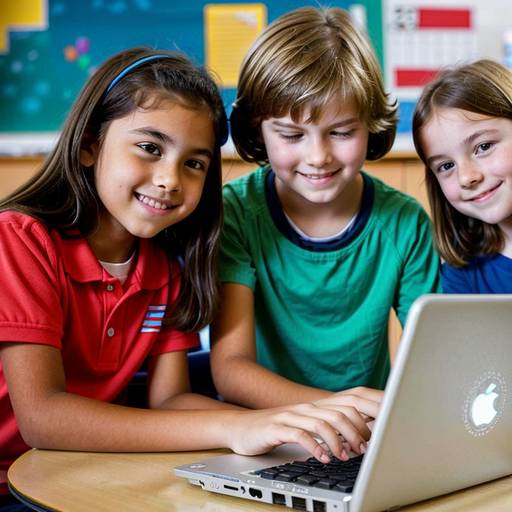
This lesson plan is designed for 3rd-grade students to help them develop essential internet skills and understand the basics of search engines. The lesson begins with a discussion about the internet and its purpose, followed by direct instruction on how search engines work, the importance of keywords, and evaluating the credibility of sources.
Students engage in guided practice by teaming up to explore research topics using search engines, noting interesting facts they find. They then participate in an independent search challenge to further develop their skills in finding and recording information. The lesson culminates in a recap of key points and prepares students for the next topic of internet safety.
Assessment is based on observation during activities and the accuracy of the information gathered. Modifications are included to support diverse learners, ensuring that all students can participate and succeed. Overall, the plan emphasizes effective information retrieval, critical thinking, and responsible online exploration.
In this music appreciation lesson for 3rd graders, students will explore various musical genres and styles from around the world. The session begins with a discussion on the role of music in different cultures and students' personal favorites. They will listen to five audio clips representing different genres, including classical, jazz, folk, and contemporary music, while taking notes on instruments, emotions, and cultural origins.
Following the listening activity, the class will engage in a discussion to share observations and pinpoint the geographical backgrounds of each piece on a world map. To foster creativity, students will then create artwork inspired by the music they enjoyed most, reflecting their feelings and imaginations. The lesson concludes with presentations of their artwork, reinforcing their connection to the music. Assessment will focus on participation, worksheet completion, and engagement in the creative activity, encouraging students to further explore global music.