
Filters
Level
Grade
Subject
Subject Area
Subject Topic
Standard(s)
Audience
Keyword
DurationMinutes
3rd Grade Lesson Plans

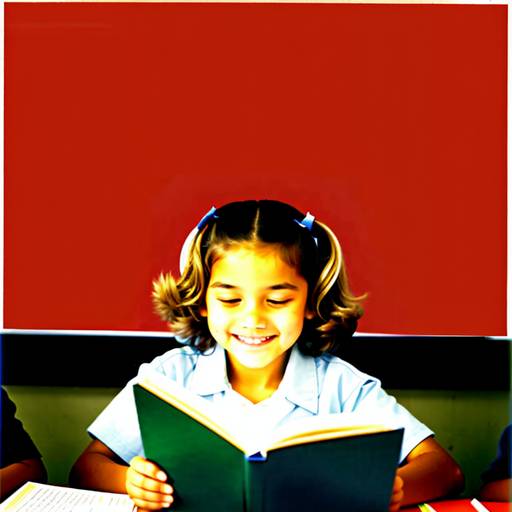
In this engaging 60-minute language arts lesson for 3rd graders, students focus on improving their reading fluency through expressive reading and understanding punctuation. The lesson begins with a warm-up activity involving reading a silly sentence aloud, setting a fun tone while introducing the concept of fluency, which encompasses speed, accuracy, and expression. Students review key punctuation marks and their impact on reading style.
For guided practice, students pair up to read short stories or poems, providing each other with feedback using a Fluency Checklist. They are challenged to read their passages multiple times to enhance their fluency. During independent practice, students work on a worksheet that includes a short passage to read silently before practicing aloud, with a focus on emphasizing punctuation.
The lesson concludes with a group discussion reflecting on their learning experiences and setting personal goals for future reading. Informal assessments take place throughout the lesson, with extension activities planned for further practice and enjoyment of reading. This interactive approach aims to build confidence and a love for reading among students.

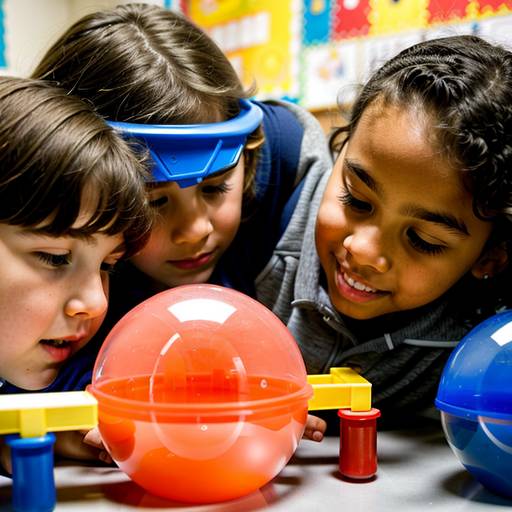
This 3rd-grade science lesson focuses on the concepts of pushes and pulls as fundamental forces. The lesson begins with an engaging introduction to the definitions of these forces and their roles in everyday life, prompting students to share their experiences. Following direct instruction that includes visuals highlighting different forces, students are divided into small groups to conduct a hands-on experiment with toy cars and ramps. They test the effects of pushing and pulling the cars, both with and without added weights, while recording their observations. The class then reconvenes to discuss each group's findings and insights about the ease of pushing versus pulling. To conclude the lesson, students complete a worksheet summarizing their learning, which serves as an assessment of their understanding. The lesson allows students to grasp the practical implications of forces in their daily lives, setting a solid foundation for future exploration in physical science.

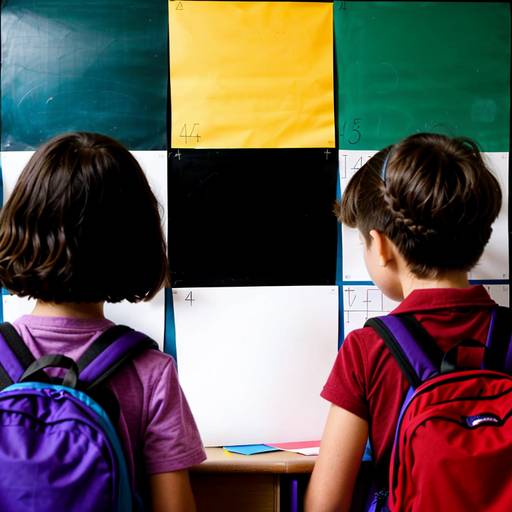
This lesson plan focuses on teaching 3rd-grade students about fractions and how to solve fraction word problems. The objectives are to help students identify basic fractions, solve related word problems, and visually represent these fractions using drawings or fraction strips.
The lesson begins with an engaging introduction to fractions, discussing their real-life applications and introducing key vocabulary. A sample word problem is modeled to demonstrate the process of solving such problems, with an emphasis on breaking down the steps and using visual aids.
Students then break into small groups to tackle various word problems collaboratively, allowing them to apply what they learned. Each group presents their findings, fostering a sense of teamwork and communication. Following this, individual worksheets are given for practice, where students will solve more word problems and illustrate their answers.
In closing, the class reviews solutions collectively, discussing strategies and the thought processes behind their answers. An exit ticket is used to assess comprehension, asking each student to summarize what they learned about fractions. Differentiation strategies are included to support varying levels of understanding among students. Overall, the lesson emphasizes interactive learning and practical application to enhance fraction skills.
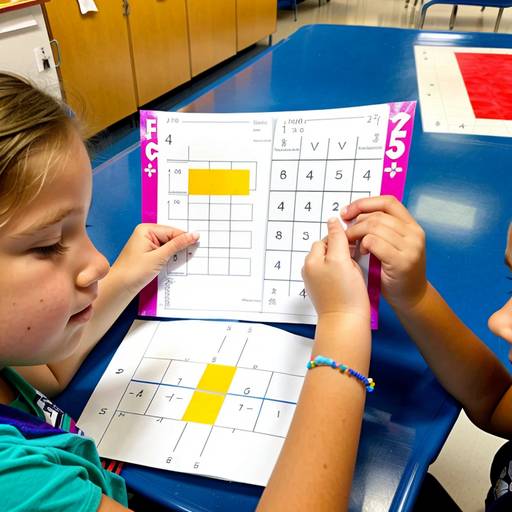
In this 3rd-grade math lesson, students are introduced to the concept of fractions as parts of a whole. The lesson begins with a discussion to connect fractions to real-life examples, such as sharing pizza. Visual aids, including fraction circles and strips, are used to explain how to identify and compare fractions, focusing on both like and unlike denominators.
Students engage in a hands-on activity where they create their own fraction circles using paper plates, allowing them to visualize and compare different fractions with a partner. Independent practice involves completing worksheets that require them to compare fractions and represent them on a number line. The lesson concludes with a review of key concepts and a reflection on what students learned, providing opportunities for both assessment and differentiation based on varying skill levels. Extensions include creating a fraction book and introducing simple word problems that apply their understanding in real-world contexts.
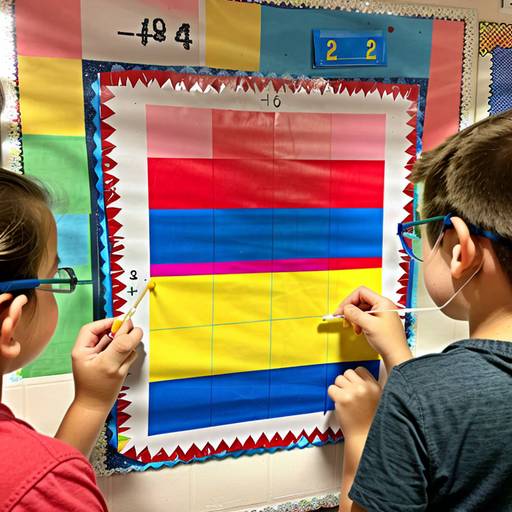
This lesson plan focuses on teaching 3rd-grade students about fractions and equivalent fractions through engaging activities and visual aids. The lesson begins with an introduction to the concept of fractions, encouraging students to share real-life examples. Key vocabulary, including numerator and denominator, is introduced.
During direct instruction, students learn about equivalent fractions using fraction circles and shapes to visualize how different fractions can represent the same amount. In guided practice, students work in small groups to create their own sets of equivalent fractions using craft materials, allowing them to explore the concept hands-on.
Independent practice involves worksheets featuring problems that challenge students to identify and create equivalent fractions. The lesson wraps up with a review and reflection, where students share what they've learned and complete an exit ticket to demonstrate their understanding. Assessment is based on group participation, worksheet performance, and exit ticket responses, with adaptations available to support diverse learners.
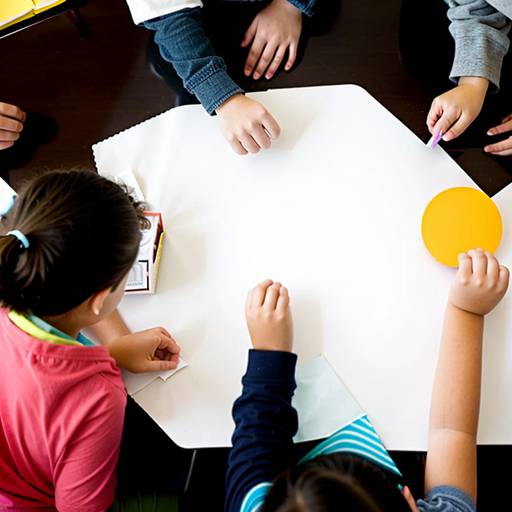
In this 3rd-grade math lesson, students will explore the concept of fractions as parts of a whole and learn to solve fraction word problems. The lesson begins with a review of fractions using everyday examples to foster understanding. Students will engage in direct instruction about the components of fractions, including numerators and denominators, followed by guided practice using manipulatives like fraction circles and strips.
Throughout the lesson, students will collaboratively solve simple word problems that relate fractions to real-life scenarios, reinforcing their comprehension. After collaborative practice, they will complete individual worksheets featuring various fraction word problems, promoting independent application of the concepts learned.
The lesson concludes with a group discussion where students share their solutions and reflections on the fraction problems they've encountered. Assessment will occur through observation during guided practice and the review of completed worksheets. An optional extension activity is available for students who finish early, allowing them to create their own fraction word problems. This approach aims to make learning about fractions engaging and relatable, helping students build a solid foundational understanding of the topic.
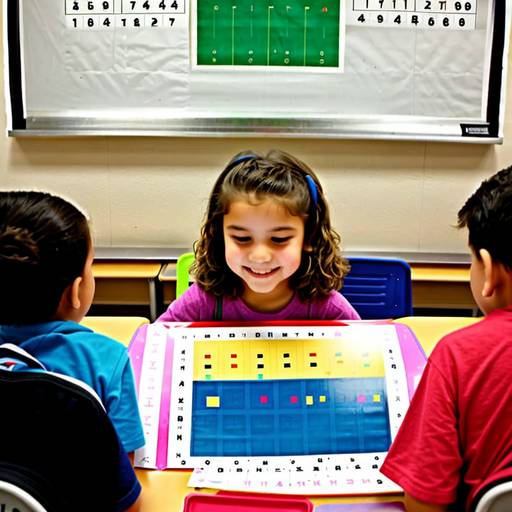
This lesson plan focuses on introducing 3rd-grade students to the concepts of fractions and equivalent fractions. The objective is to help students understand what fractions are, identify them, and recognize when different fractions represent the same value. The lesson begins with an engaging discussion on real-life experiences involving fractions, followed by a clear explanation of key terms such as numerator and denominator.
Students will explore fractions through hands-on activities using manipulatives like fraction circles or bars, allowing them to visualize and discover equivalent fractions in pairs. They will also complete worksheets that reinforce their understanding of equivalent fractions and participate in a creative art activity where they illustrate pairs of equivalent fractions on construction paper.
The lesson will conclude with students sharing their artwork with the class, providing an opportunity for them to explain their understanding. Assessment will be based on observation during group activities, correctness of worksheets, and creativity in the art project. Extensions may include interactive games and technology integration to further strengthen students' grasp of fractions.
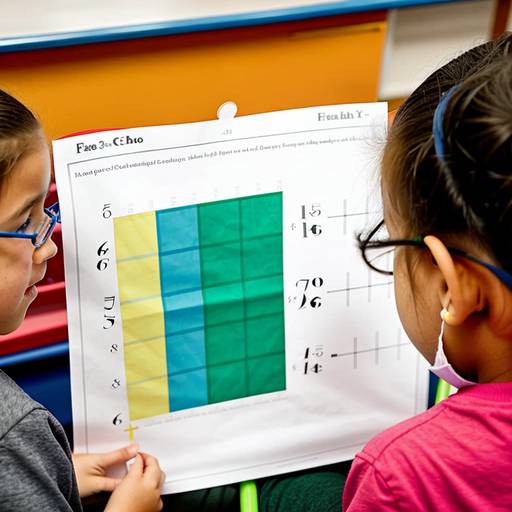
In this 3rd-grade math lesson, students will explore the concept of fractions as parts of a whole and learn to compare simple fractions using visual aids and number lines. The lesson begins with a discussion about fractions, introducing key terms like numerator and denominator. Students will then engage in group activities involving fraction circles, where they will compare different fractions and share observations.
Next, they will interact with a large number line, placing their fraction representations to visualize their relative sizes. A hands-on activity will allow students to create their own “fraction pizzas,” dividing circles into equal parts to represent different fractions before comparing them with a partner.
To conclude the lesson, there will be a recap of the main concepts learned, followed by a worksheet to reinforce their understanding. Assessment will occur through observations during group discussions and the evaluation of completed worksheets, ensuring that all students grasp the material. The lesson will offer differentiation strategies to accommodate varying learning needs and suggest extensions like exploring equivalent fractions and practical applications in cooking. This engaging approach aims to foster a solid understanding of comparing fractions in a fun and interactive manner.
In this 3rd-grade math lesson, students will explore the concept of fractions as parts of a whole and learn to solve simple fraction word problems. The lesson begins with an engaging discussion about dividing favorite foods into parts, followed by an introduction to fraction terminology, including numerators and denominators. Visual models, such as fraction circles, will be used to demonstrate how to represent different fractions.
Students will participate in a group activity where they will solve fraction word problems by creating visual representations and writing corresponding fractions. After the guided practice, they will work independently on a worksheet with various fraction word problems, allowing them to apply their understanding.
The lesson concludes with a review of key concepts, and students will create their own fraction word problems as an exit ticket, ensuring they grasp both the creation and solution of fraction problems. Assessment will include observations during group work, worksheet review, and evaluation of exit tickets to measure comprehension. Extensions may involve introducing equivalent fractions and simple fraction addition for advanced learners.
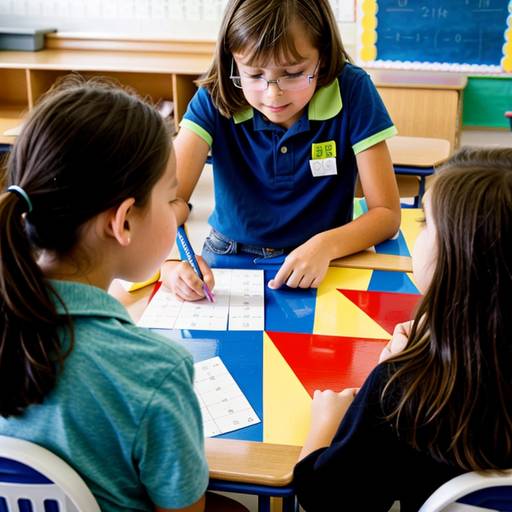
This 1-hour lesson for 3rd-grade students focuses on the concept of fractions and how to compare them. The lesson begins with an interactive game using visuals of food items to engage students and introduce the idea of fractions. Direct instruction follows, where students learn about the parts of a fraction and how to compare fractions with like and unlike denominators using fraction circles or bars for visual support.
During guided practice, students participate in a "Fraction Wall" activity, creating and ordering fraction cutouts on chart paper to enhance their understanding. They also complete worksheets with fraction comparison problems, allowing for further practice with teacher assistance. Independent practice includes a worksheet for comparative fraction problems and an optional matching game for equivalent fractions.
The lesson concludes with a review discussion, where students share what they've learned and complete an exit ticket that assesses their understanding of fractions and comparisons. Differentiation strategies are provided for advanced students and those needing additional support. Overall, this lesson cultivates students' understanding of fractions through interactive and visual methods, ensuring engagement and comprehension.