
Filters
Level
Grade
Subject
Subject Area
Subject Topic
Standard(s)
Audience
Keyword
DurationMinutes
2nd Grade Science Lesson Plans

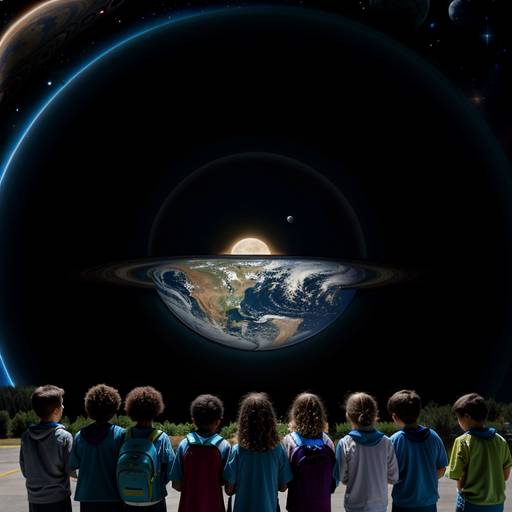
In this 2nd-grade science lesson plan, students will explore the solar system by learning about the eight planets, the sun, and the moon. The lesson begins with an engaging discussion about space, followed by a read-aloud of a space-themed book that introduces key concepts. Students will work in small groups to gather and share facts about their assigned planet, promoting collaboration and teamwork.
For a hands-on activity, they will create models of planets using Styrofoam balls or clay, allowing them to apply their knowledge creatively. Once the models are complete, students will present their planet and share one interesting fact with the class. The lesson concludes with a reflection on what students enjoyed and found surprising, reinforcing their learning experience. The plan includes differentiation strategies to accommodate various learning needs and offers extension ideas for further exploration of space. Overall, the lesson aims to foster curiosity about astronomy and help students understand the components and significance of our solar system.
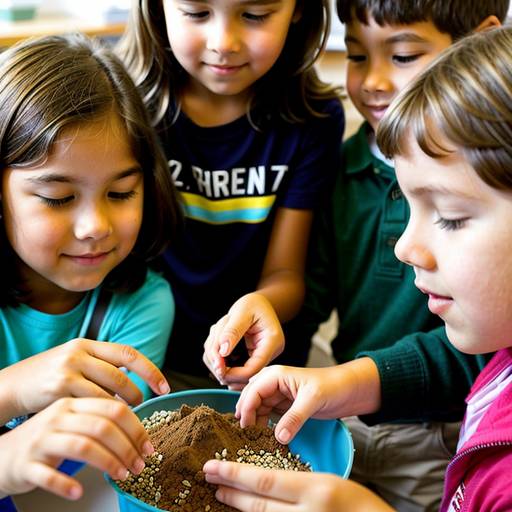
In this 2nd grade life science lesson, students will explore the fascinating world of plants, focusing on their parts and life cycle. The lesson begins with engaging discussions that prompt students to think about how a small seed can grow into a large plant. They will learn about the various parts of a plant—roots, stems, leaves, and flowers—using diagrams and hands-on activities.
Students will closely examine different seeds using magnifying glasses and draw their observations. They will then participate in a hands-on planting activity, where they will plant seeds in pots, learn about the necessary growing conditions, and understand the importance of water, soil, and sunlight.
The class will conclude with a group discussion, reinforcing the knowledge gained about the plant life cycle. Students will be encouraged to observe their own plants at home and document their growth. Assessment will be based on participation, drawings, and understanding of key concepts discussed during the lesson. Optional extensions include maintaining a growth journal and sharing their plants with the class.
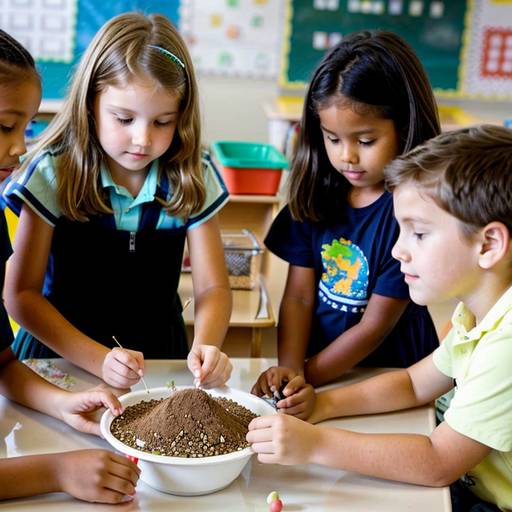
In this 2nd Grade Life Science lesson, students will explore the life cycle of plants by engaging in hands-on activities and discussions. The lesson begins with an introduction to the basic needs of plants—sunlight, water, and soil—coupled with an overview of the plant life cycle stages: seed, germination, seedling, mature plant, and flowering/fruiting.
Students will participate in a seed planting activity, where each will plant a seed in a plastic cup filled with potting soil and learn how to care for it. This practical experience will be complemented by observation and drawing activities, where pairs will create a visual representation of the plant life cycle.
Throughout the lesson, students will engage in collaborative discussions, share their observations, and record their findings. The teacher will assess understanding through participation, drawings, and informal questioning. The lesson also includes opportunities for further exploration of the role of plants in the environment and collaborative gardening efforts. Safety measures will be emphasized, ensuring a clean and safe learning environment. The session will conclude with a fun plant-related song or story to reinforce the concepts covered.
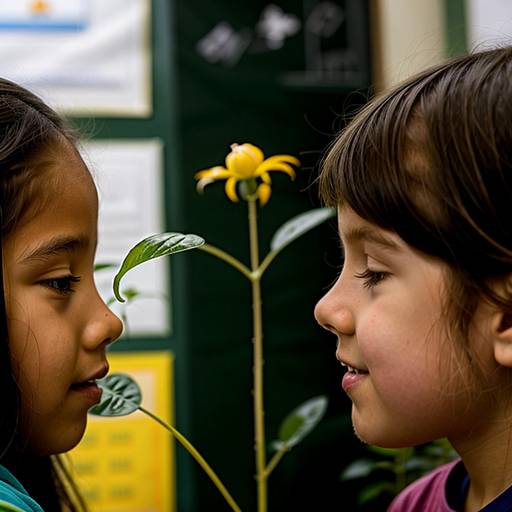
In this engaging 2nd-grade Life Science lesson, students will explore the fascinating world of plants, focusing on their basic parts and functions. The lesson begins with a discussion about the role of plants in the environment, where students will contribute to a KWL chart, sharing what they know and what they want to learn. Direct instruction will introduce the parts of a plant—roots, stems, leaves, flowers, and seeds—along with their functions, highlighting the importance of plants in providing oxygen, food, and habitat.
Following this, students will participate in a hands-on activity where they will work in small groups to examine a live plant or its image, using magnifying glasses to identify and label its parts on a worksheet. Each group will then share their findings with the class, fostering collaboration and communication among peers. The lesson will conclude with a reflection on the "superhero" qualities of plants, emphasizing their vital role in our ecosystem. Assessment will include participation and the completion of the worksheet, while extensions may encourage ongoing exploration through plant-growing projects or related reading activities.
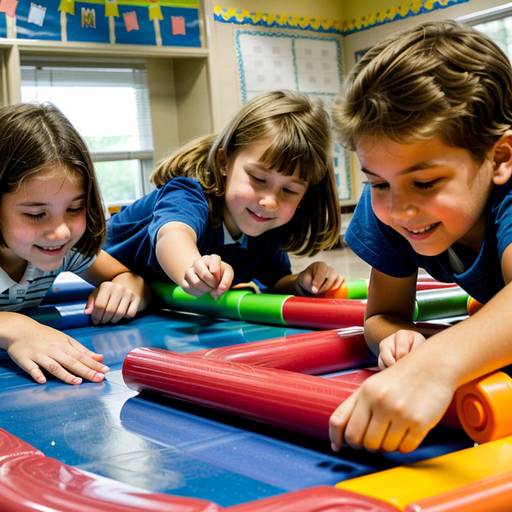
In this 2nd-grade science lesson focused on physical science and motion, students will explore basic concepts of movement, including rolling, sliding, and spinning. The lesson begins with an engaging discussion that prompts students to think about how different objects move. Next, the teacher explains motion and demonstrates how various objects behave on a ramp, emphasizing the influence of forces.
Students are then divided into small groups to participate in hands-on activities. Each group tests different objects by rolling them down a ramp, sliding them on a flat surface, and spinning them to observe and measure their motions. They will record their findings on worksheets, encouraging collaboration and discussion within their groups.
The lesson concludes with a group discussion where each team shares their observations, allowing students to compare results and reinforce their understanding of the types of motion studied. Assessment will be based on participation, engagement during activities, and the quality of observations recorded. Opportunities for extension activities will be provided for students who finish early, fostering further exploration and creativity in understanding motion. Throughout the lesson, safety practices will be emphasized.
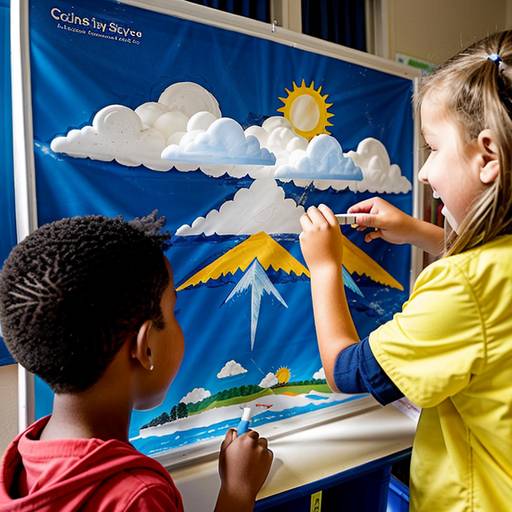
In this 1-hour Earth Science lesson for 2nd graders, students will explore different types of weather and learn about weather patterns. The lesson begins with a short video showcasing various weather conditions, which sparks a discussion about students' personal experiences with weather. Next, students will engage in an interactive activity where they identify weather types using picture cards and contribute to a collective weather chart.
Through a game where they act out different weather types, students gain a deeper understanding of each condition. The lesson then shifts focus to tracking weather patterns using a Weather Diary, which students will maintain at home over the week. To reinforce their learning, students will create their own artistic interpretations of different weather scenes, sharing them with their classmates. The lesson culminates with a recap of key concepts, preparing students to observe and document weather in their daily lives. Assessment will be based on student participation and the accuracy of their Weather Diary entries. Additionally, opportunities for extensions, such as studying local climate patterns or inviting a meteorologist to speak, are included to enhance learning.
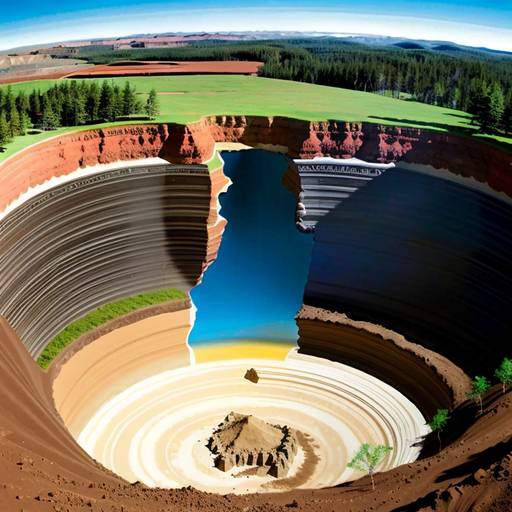
In this 2nd-grade Earth Science lesson focused on soil, students will explore the layers and composition of soil while understanding its importance in the ecosystem. The lesson begins with an engaging discussion to spark curiosity about soil, followed by a presentation explaining the different soil layers: topsoil, subsoil, and bedrock.
Students will work in small groups to examine soil samples using magnifying glasses and recreate the soil layers in clear containers. They will observe textures, colors, and various particles within the soil. After the hands-on activity, students will express their findings creatively by drawing and labeling what they discovered, along with writing a sentence about soil’s significance.
The session concludes with a class discussion where students share their observations and reflections. Assessment will be based on participation in group activities and the quality of their drawings and written work. Extensions and safety considerations are incorporated to enhance the learning experience. This interactive lesson aims to foster an appreciation for soil and its essential role in supporting life on Earth.
This 2nd-grade Earth Science lesson focuses on exploring the fascinating world of soil. Students will learn about the different types of soil, their characteristics, and the vital role soil plays in our environment. The lesson begins with a discussion to activate prior knowledge and introduce the topic.
Following this, students will observe and analyze various soil samples using magnifying glasses, noting the textures and any small organisms they find. They will also learn about the layers of soil, including topsoil and subsoil, as well as the various organisms that live within them, such as earthworms and insects.
The hands-on activity allows students to engage directly with soil, fostering curiosity and encouraging them to document their findings through drawings and notes. After sharing their discoveries, the class will discuss the importance of soil conservation and ways to protect soil health.
To conclude, students will recap the key concepts learned and how they can contribute to soil health in their own lives. Assessment will involve participation in discussions and the completion of their observation worksheets, ensuring understanding of the material. Extension activities may include a field trip to observe soil in its natural setting or starting a class garden to apply their learning.
This 2nd Grade science lesson focuses on introducing students to the fascinating world of stars and constellations. It begins with a discussion that encourages students to share their prior knowledge about stars, followed by an explanation of their characteristics and the concept of the Milky Way galaxy.
Students will then engage in a creative activity where they design their own constellations on black construction paper using star stickers or crayons and write a short story about what their constellation represents. The lesson includes a sharing segment, allowing students to present their creations and reflect on the significance of stars.
In closing, the teacher will recap key concepts learned and encourage students to explore the night sky at home. Assessment will occur through monitoring participation in activities and presentations, with optional extension resources available for further learning in astronomy. Safety considerations for material use will also be addressed throughout the lesson.
In this 2nd-grade science lesson, students will explore the solar system and its planets. The lesson begins with an engaging discussion about space, followed by a video or slideshow to introduce the solar system's components. Students will learn to identify each of the eight planets and remember their order from the sun using a mnemonic device.
After gathering information about the planets through fact cards, students will participate in a hands-on activity where they will create model planets using Styrofoam balls and decorate them based on their unique characteristics. They will then work as a team to arrange their models on a large poster board in the correct order.
To reinforce their learning, students will complete a "Planet Hunt" worksheet where they fill in the blanks based on clues about each planet. The lesson concludes with a review, encouraging students to share interesting facts they learned and to observe the night sky at home.
Assessment will be based on participation, the quality of their planet models, and the completion of the worksheet, while extension activities will be provided for those finishing early. Overall, the lesson aims to foster curiosity about astronomy and enhance students’ understanding of the solar system in an interactive way.