
Filters
Level
Grade
Subject
Subject Area
Subject Topic
Standard(s)
Audience
Keyword
DurationMinutes
2nd Grade Science Lesson Plans

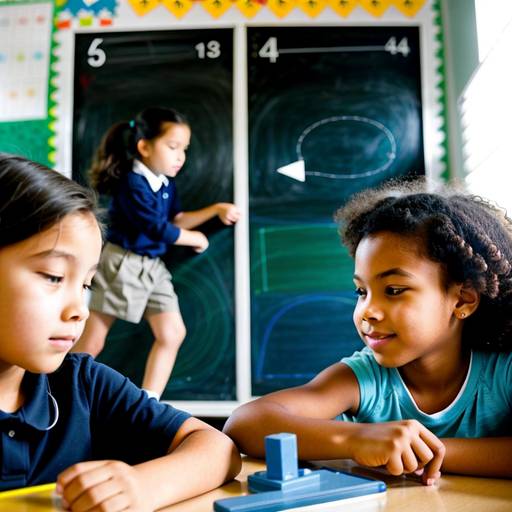
This 2nd-grade science lesson introduces students to the concept of energy, focusing on kinetic and potential energy through engaging, hands-on activities. The lesson begins with a discussion to gauge students' prior knowledge about energy, followed by the exploration of two main types of energy.
During the first activity, students create balloon rockets to observe how potential energy in the air is transformed into kinetic energy as the balloons are released. In the second activity, students work in small groups to launch toy cars using rubber bands and ramps, experimenting with different ramp heights and measuring the cars' distances traveled and speeds.
The lesson concludes with a group discussion where students share their discoveries and complete worksheets that reinforce what they learned. Through observation and assessment, the teacher evaluates student understanding and engagement, and opportunities for extension are suggested to encourage further exploration of energy in their everyday lives. The lesson effectively combines theoretical concepts with practical application, promoting active learning and collaboration among students.
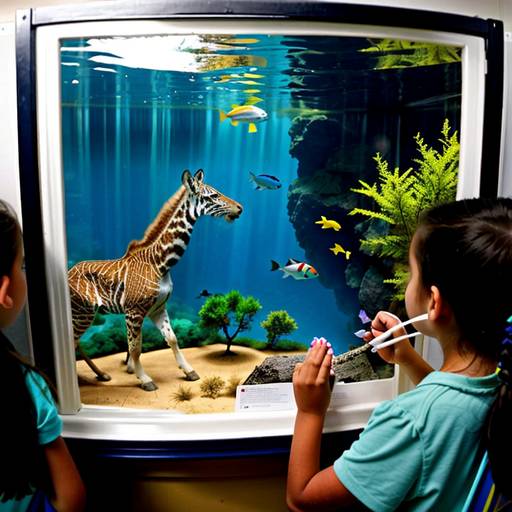
In this 2nd grade life science lesson, students will explore the various habitats where animals live, such as forests, deserts, oceans, and grasslands. The lesson begins with a discussion about habitats and their importance, followed by a presentation of different environments and the animals that reside within them. Students will engage in group activities to match animals to their correct habitats and share interesting facts about them. Afterward, they will individually create drawings that depict their favorite habitat, labeling the animals and their unique survival features. The class will reconvene to share drawings and reflections on their learning. Assessment will include observation of participation and review of the drawings, ensuring students understand the relationship between animals and their environments. Extensions can include field trips to local zoological settings and the creation of a classroom habitat wall for ongoing learning.
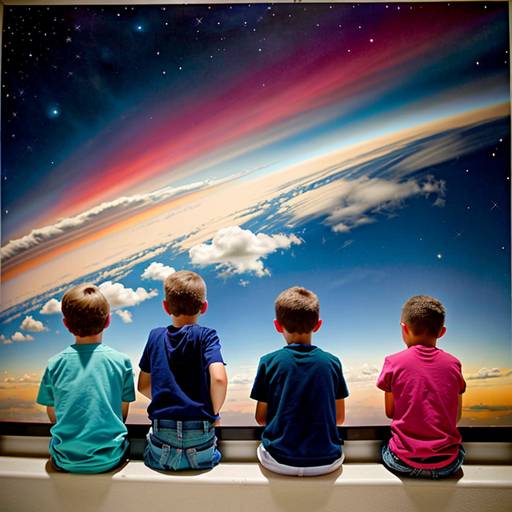
In this 2nd-grade Earth Science lesson, students will explore different types of weather, including sunny, cloudy, rainy, snowy, and windy conditions. The objective is to help students identify various weather types and understand how weather affects their daily lives. The lesson begins with a discussion about personal weather experiences and continues with an introduction to simple weather instruments such as thermometers, rain gauges, and anemometers.
Students will engage in group activities to sort weather images and share their findings with the class. They will then work independently on a weather journal, illustrating their favorite type of weather and writing about it. The lesson concludes with a class discussion that reinforces the key concepts learned. Assessment will occur through participation in discussions and reviewing the weather journals. Extensions include creating a class mural and conducting outdoor weather observations. The lesson is designed to be interactive, supporting various learning styles and encouraging creativity while fostering an understanding of Earth Science and weather patterns.
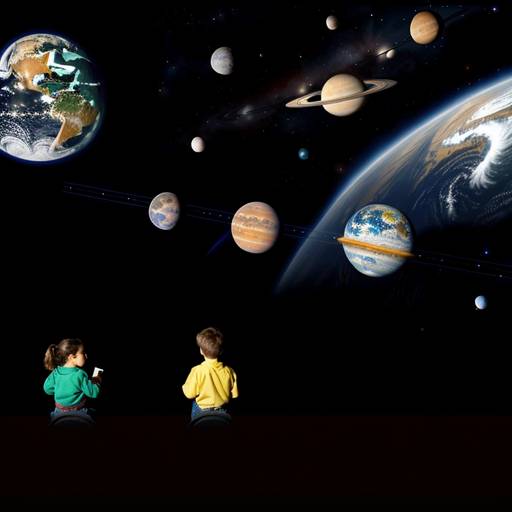
In this 2nd-grade science lesson, students will embark on an exploration of the solar system, focusing on the sun and its eight planets. The lesson begins with an engaging discussion to activate prior knowledge, followed by a presentation featuring vibrant images and videos that illustrate key concepts about each planet's characteristics.
Students will then participate in a hands-on craft activity, where they will create their own models of a chosen planet and share interesting facts with their peers. To reinforce learning and retention, a fun song or dance related to the order of the planets will be introduced, allowing students to engage physically while solidifying their understanding.
The lesson concludes with a brief review and a worksheet for students to complete at home, assessing their comprehension of the material. Throughout the lesson, teachers will observe student participation, ensuring an interactive and supportive environment that caters to diverse learning needs. The lesson also includes suggested extensions for further exploration of astronomy.
In this 2nd grade science lesson, students will explore the fascinating world of stars and their significance in the night sky. The lesson begins with a discussion about what students observe at night, followed by an introduction to different types of stars and their characteristics. In small groups, students will analyze star printouts and share interesting facts, fostering collaboration and communication skills.
The hands-on portion of the lesson involves creating their own constellations on black construction paper using star-shaped stickers or cutouts. Students will then craft a short story about their constellations, encouraging creativity and storytelling.
To enhance engagement, the class will simulate stargazing by turning off the lights and using flashlights to illuminate their constellations, allowing them to present and explain the meanings behind their creations. The lesson concludes with a recap, reinforcing learning and encouraging students to observe the night sky at home.
Assessment will include observing participation during discussions and activities, along with reviewing their constellation projects. An optional extension activity invites students to maintain a Star Journal to document their nighttime observations and discoveries about astronomy. Overall, this lesson aims to instill curiosity and appreciation for the stars and the universe.
This 2nd grade science lesson focuses on the fundamental concept of matter, exploring its three states: solid, liquid, and gas. Students will engage in discussions to define and identify these states using everyday examples. Through a hands-on experiment, they will observe the melting of ice to understand state changes and the properties of each state. In small groups, students will document their findings through drawings and shared observations. The lesson concludes with a review of concepts and an exit ticket activity to assess understanding. This interactive approach fosters inquiry and collaboration while engaging students in the fascinating world of physical science.
This 2nd-grade science lesson plan focuses on introducing students to the solar system and its key components, including the Sun, planets, moons, asteroids, and comets. The lesson begins with a discussion about space followed by a short video to engage students. Direct instruction involves presenting a visual model of the solar system and highlighting unique features of each planet using fact cards.
Students then participate in a creative activity where they design their own planet, encouraging imagination and personal expression. The lesson concludes with a recap of the solar system’s components and a brief sharing session where students present their creations. Assessment is based on participation and a quick quiz to check understanding. Differentiation strategies are included to support various learning needs, and homework encourages students to observe the night sky and reflect on their observations. Overall, the lesson aims to foster curiosity about astronomy and enhance students’ knowledge of space concepts.
In this 2nd-grade science lesson, students explore the concepts of motion and force through engaging discussions, demonstrations, and hands-on activities. The lesson begins with students sharing their observations of how objects move, which leads to an introduction of the terms "motion" and "force." Teachers demonstrate how different surfaces affect the movement of objects and explain the mechanics of pushing and pulling.
After the introductory discussion, students participate in a group experiment using toy cars and ramps. They set up ramps at various angles to test how far their cars travel when released, measuring the distance and recording their results. Through this activity, students discover the relationship between the angle of the ramp, the force applied, and the resulting motion.
The lesson concludes with each group presenting their findings and sharing their favorite moving objects from home, further reinforcing their understanding of pushes and pulls. Students also create drawings to illustrate their favorite moving objects, labeling them according to the forces involved. Throughout the lesson, students engage collaboratively, fostering a deeper understanding of physical science concepts related to motion.
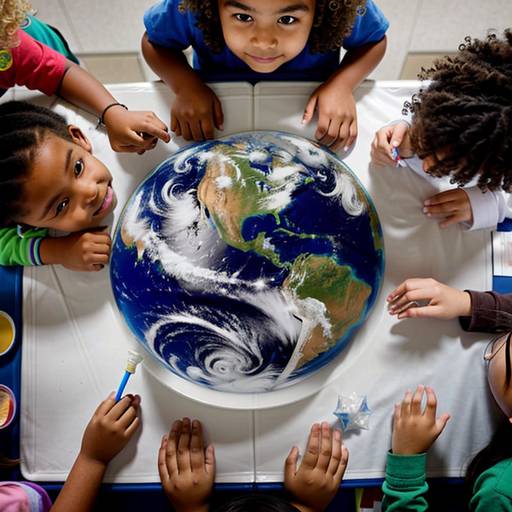
This lesson focuses on introducing 2nd-grade students to the concept of matter, specifically the three states: solid, liquid, and gas. Students will begin by defining matter and discussing its characteristics through a combination of direct instruction and visual aids. The lesson includes engaging demonstrations using ice, water, and air to illustrate the properties of each state.
In guided practice, students will classify various everyday objects as solids, liquids, or gases in small groups, fostering collaborative learning. The hands-on activity involves observing the melting of ice and the evaporation of water to illustrate state changes. Throughout the lesson, students will share their observations and engage in discussions to reinforce their understanding.
To assess learning, participation will be monitored, worksheets will be reviewed, and an informal quiz will help gauge comprehension. Extensions encourage students to explore real-life matter examples at home. Accommodations will be provided to ensure all students can engage effectively with the material. Overall, the lesson aims to make the concept of matter visually and practically accessible to young learners.
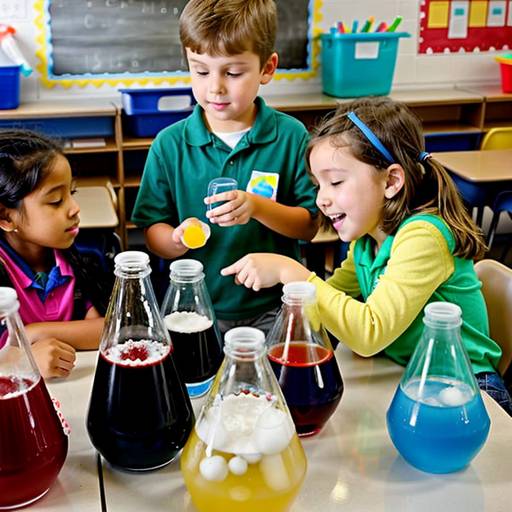
This lesson plan for 2nd-grade students focuses on the concept of matter, specifically exploring the three states: solids, liquids, and gases. The lesson begins with an engaging discussion where students share their favorite drinks, linking their experiences to the states of matter. Through direct instruction, students learn simple definitions and characteristics of solids, liquids, and gases, supported by visual aids.
Students then participate in hands-on experiments at designated stations, where they examine ice cubes, pour water into cups, and explore the properties of air in an inflated balloon. After rotating through the stations, the class comes together for a discussion to share their observations and consider how temperature can affect the states of matter.
The lesson concludes with a review of key concepts and an exit ticket activity where students draw and describe their favorite state of matter. Assessment is based on participation in discussions and experiments, as well as the reflections expressed in their exit tickets. Extension activities encourage students to connect what they’ve learned to their home environment. Overall, the lesson combines exploration, critical thinking, and creativity to foster a foundational understanding of matter.