
Filters
Level
Grade
Subject
Subject Area
Subject Topic
Standard(s)
Audience
Keyword
DurationMinutes
2nd Grade Language Arts Lesson Plans


In this lesson plan for 2nd-grade students focusing on narrative writing, students will explore the essential elements of storytelling, including characters, setting, problem, and solution. The lesson begins with a read-aloud of a creative story, followed by a class discussion to identify the story elements. Students will then brainstorm new characters and settings in pairs, leading to the development of an exciting plot. During independent practice, students will write their own short stories in their journals, incorporating the discussed elements and illustrating their work. Finally, students will share their narratives with the class or in small groups, promoting confidence in their writing and encouraging reflection on their creative process. The lesson includes assessments and differentiation strategies to support various learning needs.

In this 1-hour lesson for second graders focused on writing and creative thinking, students will explore storytelling by brainstorming their own story ideas. They will learn how to create a structured narrative with a beginning, middle, and end using story maps as a guide. The lesson includes an introduction to elements of storytelling, a brainstorming session, and hands-on time for writing their stories. Students will practice incorporating descriptive language while crafting narratives that reflect their unique ideas. As a class, they will share selected stories, fostering a supportive environment for feedback. The lesson will conclude with a discussion on the importance of creativity in writing. Assessment will be based on students' engagement and the quality of their story maps and written work. Extension activities may include illustrating scenes from their stories and creating a class book to celebrate their writing achievements.
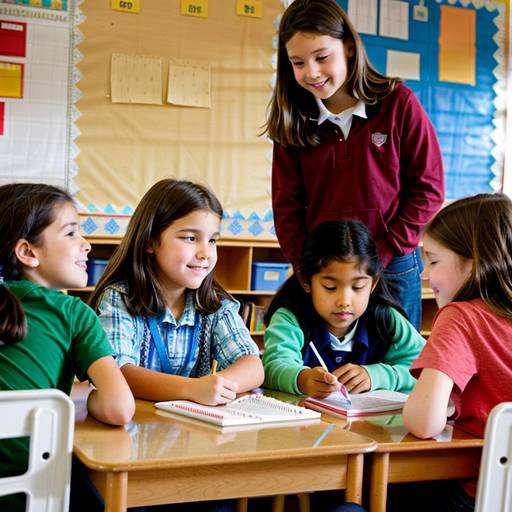
In this 2nd-grade Language Arts lesson, students will explore expository writing by focusing on a place that holds special meaning to them. The lesson begins with an introduction to expository writing and discussions about personal experiences. The teacher will model how to organize thoughts into a structured paragraph, highlighting the importance of sensory details. Students will then create a graphic organizer to outline their ideas before writing a short paragraph describing their chosen place. Once completed, they will share their writings with classmates to practice speaking and listening skills. The lesson concludes with a reflection on how expository writing allows us to convey significant information about our lives. Assessment will focus on the graphic organizers and the written paragraphs, ensuring students grasp the essential components of expository writing. Extensions include creating a class book and organizing a showcase for students to present their special places.
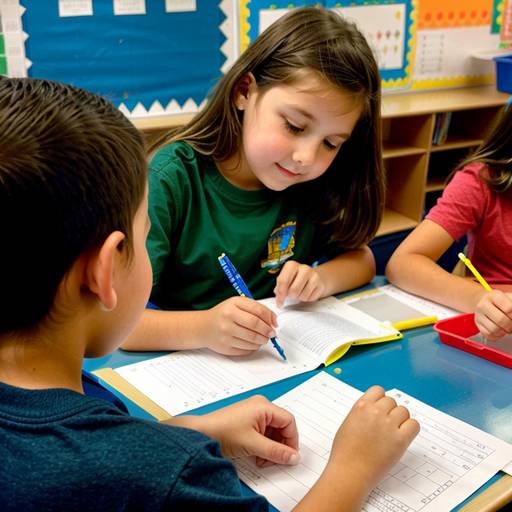
This 2nd-grade Language Arts lesson focuses on grammar and sentence structure, specifically teaching students about subjects and predicates. The lesson begins with an engaging introduction, where students explore simple sentences displayed on the whiteboard. Through guided instruction, they learn to identify and understand subjects and predicates, observing mixed-up sentences for clarification.
During guided practice, students work in small groups, using sentence strips to create their own sentences while identifying each part. They then illustrate their sentences on chart paper. The activity transitions to independent practice, where students complete a worksheet that reinforces their understanding of sentence structure by filling in blanks to form complete sentences and creating an original sentence of their own.
The lesson concludes with students sharing their sentences and reflecting on what they've learned. Assessment includes observation during group work, reviewing completed worksheets, and collecting exit tickets to gauge individual understanding of sentence components. Differentiation strategies are in place to support diverse learning needs. Overall, the lesson aims to build students' skills in constructing and understanding complete sentences.
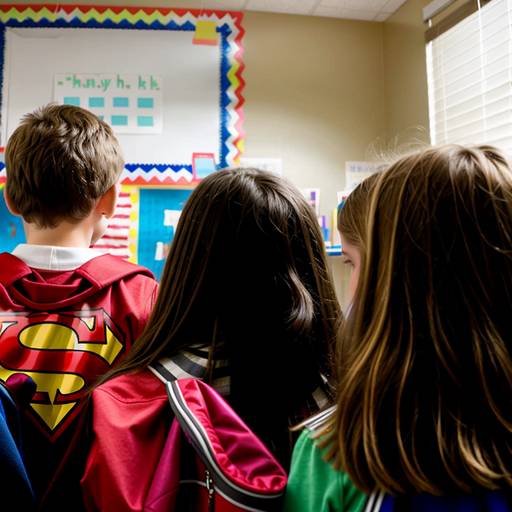
This 2nd-grade language arts lesson focuses on teaching students the rules of capitalization through engaging activities and relatable analogies. The lesson begins with an introduction to the importance of capital letters, framed as “superheroes” that make sentences clear and exciting. Students will learn key capitalization rules, including the use of capitals for the first word in sentences, proper nouns, and the names of days and months.
During guided practice, students will work collaboratively to identify and correct capitalization errors in sample sentences displayed on chart paper. They will then complete an independent worksheet featuring exercises that require them to circle incorrect lowercase letters and rewrite sentences with appropriate capitalization. Additionally, they will express their creativity by writing their own sentences about their favorite superheroes while applying the rules learned.
The lesson concludes with students sharing their sentences aloud, reinforcing their understanding of capitalization, and submitting exit tickets that demonstrate their grasp of the day's concepts. Assessment will be conducted through observation during activities and the review of completed worksheets and exit tickets, allowing for differentiated support based on individual skill levels.
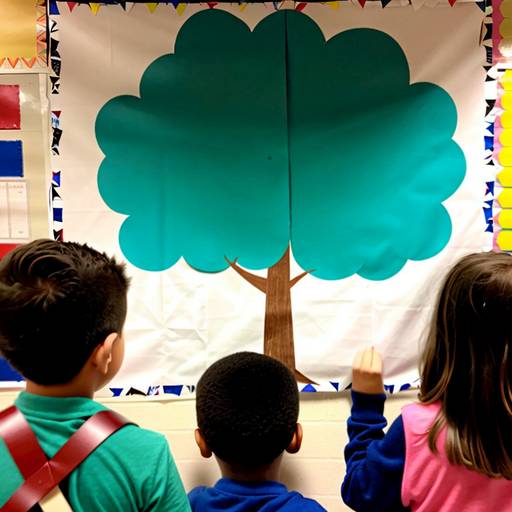
In this 2nd grade language arts lesson, students will explore the rules of capitalization, focusing on proper nouns and their usage. The lesson begins with a discussion to help students understand the importance of capital letters in daily life. Students will then collaborate to identify and correct capitalization errors in sample sentences displayed on the whiteboard. Following guided practice, they will complete a worksheet that includes correcting sentences and creating their own, emphasizing correct capitalization. The lesson concludes with students sharing their sentences with the class, reinforcing their understanding and rewarding their efforts with stickers or stamps. The teacher will assess student comprehension through observation and collected worksheets, with differentiation provided to meet diverse learning needs.

In this 2nd grade Language Arts lesson, students will learn about the rules of capitalization and how to apply them in sentences. The lesson begins with a discussion on the importance of capital letters, followed by an exploration of specific capitalization rules using a chart. Guided practice involves correcting sentences together as a class, where students identify and fix capitalization errors. For independent practice, students receive worksheets with sentences that need capitalization corrections and are encouraged to rewrite their favorite corrected sentence on a sticky note. The lesson concludes with a few students sharing their sentences and a recap of the capitalization rules. Assessment will occur through observation during guided practice and the review of worksheets to gauge understanding. Additionally, extensions are provided for early finishers to promote further engagement with capitalization in writing.
In this 2nd-grade language arts lesson, students will explore narrative writing by creating their own adventure stories. The lesson begins with a read-aloud of an engaging adventure story, followed by a class discussion that identifies key narrative elements: characters, setting, plot, and resolution. Students will then collaborate to fill out story maps that help them plan their own stories, focusing on unique characters and imaginative settings. After guided brainstorming, students will write their story drafts, incorporating the components discussed. The lesson concludes with students sharing parts of their stories with classmates, fostering a supportive environment for creativity. Assessment will be based on the clarity and completeness of their narratives, while accommodations will be provided to support diverse learning needs.
In this 2nd Grade Language Arts lesson, students will engage in creative writing by developing their own imaginative stories based on chosen prompts. The lesson begins with a discussion about storytelling and the elements that make up a story, such as characters, setting, conflict, and resolution. Students will then select a prompt and brainstorm ideas before writing their stories. They will have the opportunity to illustrate their narratives, enhancing their creativity. After writing, students will share their stories with the class, fostering a communal learning environment through positive feedback. The lesson concludes by highlighting the diverse ideas generated, encouraging students to continue writing beyond the classroom. Assessment will be informal, based on students' participation and the quality of their written narratives. Extensions include creating a class storybook or featuring a "Story of the Week" to further celebrate their creativity.
This lesson plan for 2nd grade Language Arts focuses on introducing students to various reading genres, including fiction, non-fiction, poetry, and fantasy. The objectives include helping students identify and describe these genres, differentiate between them, engage in a read-aloud activity to experience examples, and create a personal "Genre Passport" to document their favorite books.
The lesson begins with a discussion on the concept of genres, leading to a brief overview of each type with examples. Students participate in group activities where they explore selected books, discuss their characteristics, and summarize their findings. Afterward, students fill out their Genre Passports with titles of books they’ve read.
The lesson concludes with a review of key concepts, encouraging students to share their favorite genres or books with others. Assessment is based on participation and the accuracy of the Genre Passports. The plan includes extension activities, such as starting a Genre Book Club and creating a classroom display of genre-specific books for ongoing exploration. Overall, the lesson promotes an understanding of reading genres and fosters a love for reading.