
Filters
Level
Grade
Subject
Subject Area
Subject Topic
Standard(s)
Audience
Keyword
DurationMinutes
1st Grade Math Lesson Plans

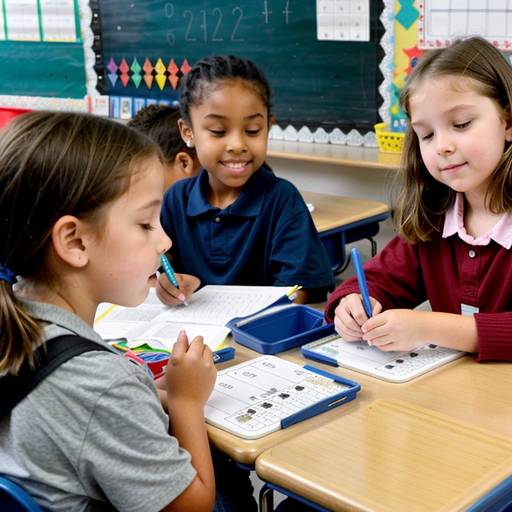
This 1st-grade math lesson focuses on introducing students to the concept of subtraction through interactive activities and hands-on learning. The lesson aims for students to understand subtraction as taking away and to solve simple subtraction problems using manipulatives, drawings, and games.
The session begins with a discussion on subtraction, where students share their thoughts on its meaning. The teacher then demonstrates subtraction using manipulatives, explaining the subtraction symbol and providing examples for the class to solve together.
Students are then guided through practice with manipulatives, reinforcing the concept by physically taking away items to find answers. The lesson includes three engaging math stations where students can explore subtraction in different ways: counting and taking away with manipulatives, drawing visual representations of subtraction problems, and playing a bingo game centered on subtraction equations.
In the closing segment, the teacher reviews key concepts with the class, encouraging students to share their favorite parts of the activities. Assessment occurs through observation during the stations and the review of completed worksheets and drawing activities. Differentiation is provided for advanced learners and those needing additional support to ensure all students grasp the concept of subtraction. Overall, the lesson promotes active learning and fosters a positive environment for math exploration.
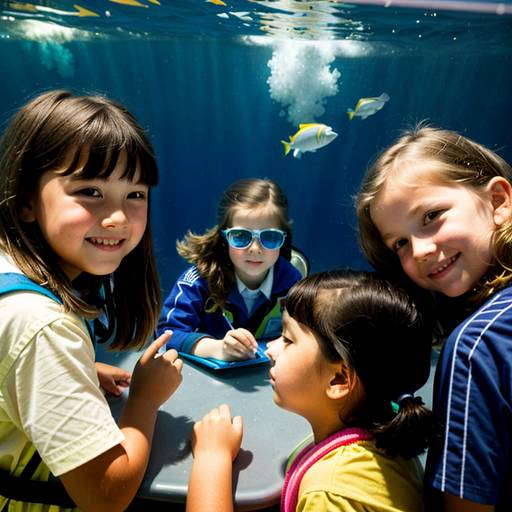
In this 1st-grade math lesson focused on subtraction, students will explore the concept of taking away through engaging activities and manipulatives. The lesson begins with an interactive ocean-themed song to capture students' attention, followed by direct instruction where the teacher demonstrates subtraction using visual aids like seashells and fish. Students will then participate in guided group activities, solving subtraction problems with their manipulatives.
Afterward, they will work independently on worksheets designed with ocean illustrations that reinforce their understanding of subtraction concepts. The class will reconvene to discuss answers and share strategies, followed by reading a subtraction-related storybook to deepen engagement. Finally, students will participate in an interactive game to practice subtraction with a partner. Assessment will occur through observation during group activities and the review of worksheets. Adaptations will be made for students needing extra support or those ready for advanced challenges. This lesson not only teaches subtraction but integrates creativity and collaboration, fostering a comprehensive learning environment.
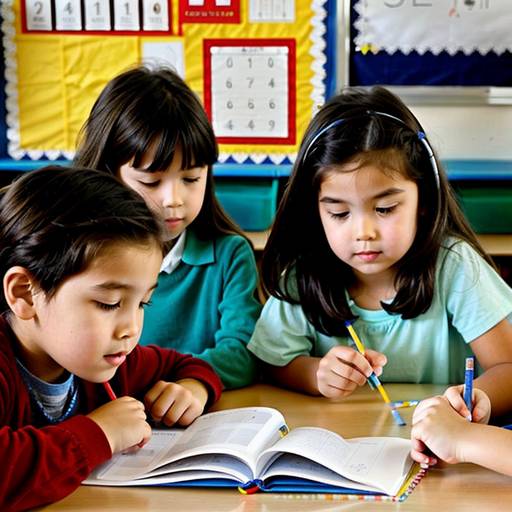
This lesson focuses on teaching first-grade students the concepts of time and measurement. The objectives include helping students learn to read the hour on an analog clock and measure objects using non-standard units, such as paperclips and cubes. The lesson begins with an introduction to the importance of time, followed by direct instruction on reading clocks and measuring objects. Students engage in guided practice activities, where they work in groups to measure various classroom items and practice telling time using worksheets. Independent practice involves drawing their favorite activities and identifying the time they occur, along with measuring objects at their desks. Assessment occurs through worksheet reviews and observation of group work. Differentiation strategies are incorporated to accommodate varying skill levels, and extensions encourage real-life application of the concepts learned. The lesson concludes with a reflection on its effectiveness and areas for improvement.
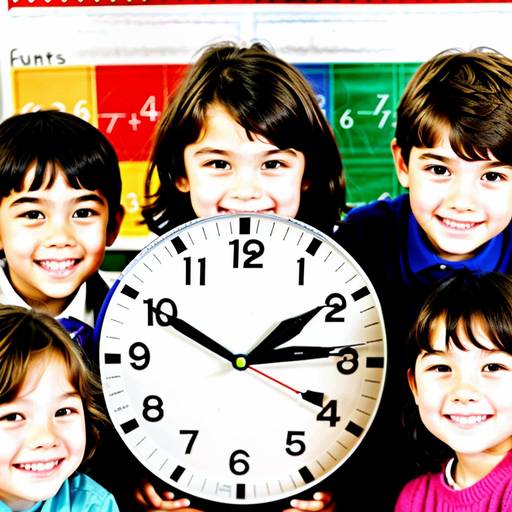
In this 1st-grade math lesson, students will learn how to tell time on an analog clock, focusing on both full hours and half hours. The lesson begins with an engaging introduction to clocks, followed by direct instruction on reading time and recognizing time patterns. Students will participate in guided practice by moving the hands on individual paper clocks to match spoken times and creating time patterns in pairs using pattern cards. They will further solidify their understanding through a worksheet activity, where they record times and devise their own time patterns. The class will end with a review of key concepts, encouraging students to share their creations and rewarding their participation. Assessments will include monitoring student engagement and reviewing their worksheets to ensure comprehension. Adjustments will be made to cater to different learning needs, with a homework assignment that encourages them to observe and record times at home.
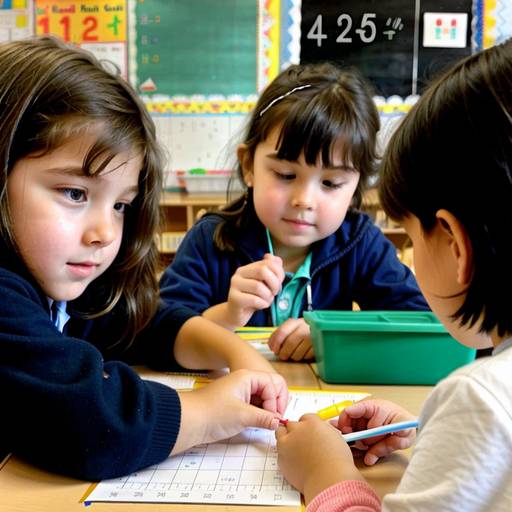
In this 1st-grade math lesson, students will explore the concepts of measurement and temperature through interactive activities. The lesson begins with a discussion on measurement and temperature, introducing non-standard units and the basics of reading a thermometer.
Students will then work in small groups to measure various classroom items using blocks, paper clips, or yarn, recording their findings on worksheets. They will share their results with the class, promoting collaboration and communication.
Next, students will participate in an engaging temperature experiment by interacting with cups of water at different temperatures, allowing them to identify and label how they perceive the warmth or coolness of each sample.
The lesson concludes with a review of the key concepts covered and an exit ticket activity where students reflect on one measurement they made and a temperature they learned about. Overall, the lesson emphasizes hands-on learning and real-life applications, making measurement and temperature concepts accessible and enjoyable for young learners.
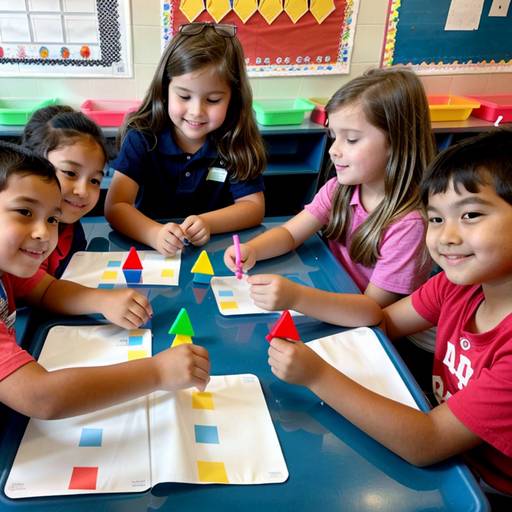
This 1st-grade math lesson focuses on measurement and temperature, aiming to help students understand the concepts of hot and cold while learning to use a thermometer. The lesson begins with an engaging discussion to introduce temperature and its relevance in daily life. Students then receive direct instruction on reading thermometers and categorizing images as hot or cold.
The hands-on activity involves pairs of students measuring the temperature of water in bowls containing ice cubes and warm water using their thermometers, followed by recording their findings and creating their own thermometer drawings.
The lesson concludes with a group discussion to share observations and reinforce learning. Assessment is based on observations during activities and the accuracy of students' temperature recordings. Extensions include a daily weather chart and a temperature diary, while adaptations are provided for students who need additional support. Overall, this lesson fosters a practical understanding of measurement through interactive and collaborative experiences.
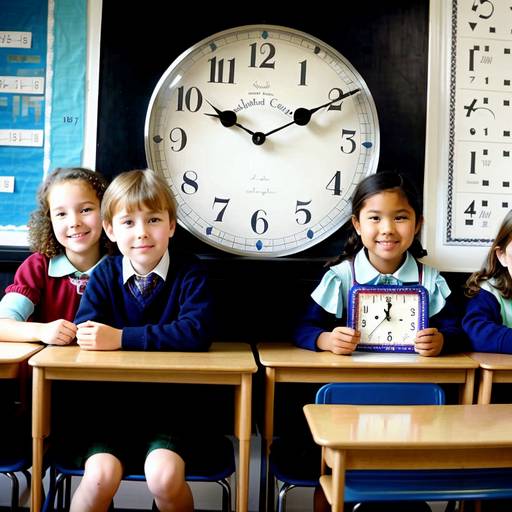
In this 1st-grade math lesson, students will explore the concept of time and recognize time patterns using analog clocks. The lesson begins with an introduction to the parts of a clock and the basics of telling time on the hour and half-hour. Through direct instruction, students will learn to identify and describe time patterns by analyzing sequences of times. They will engage in guided practice by completing worksheets that focus on filling in blanks in hourly patterns. For independent activity, students will create their own time patterns with colored pencils. The lesson concludes with a review of what they learned, allowing students to share their patterns with the class. Extension activities such as making paper clocks may be offered for further learning opportunities. Assessment will be carried out through observation and worksheet completion to evaluate students’ understanding of telling time and recognizing patterns. Differentiation strategies are also included to support diverse learners. This interactive approach aims to make learning about time enjoyable and engaging for young students.
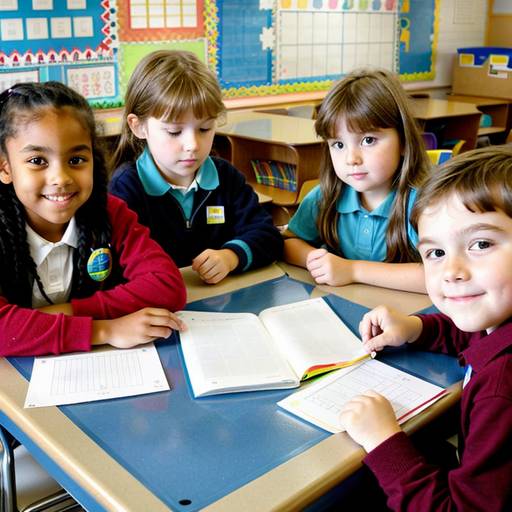
In this 1st grade math lesson, students will explore the concepts of reading time on both analog and digital clocks. The lesson begins with a discussion on the importance of time in daily life, followed by a direct instruction segment demonstrating how to read different clock types. Students will practice reading clock times as a class using visual aids.
Next, they will engage in a guided practice activity focused on creating time patterns related to their daily routines. Afterward, students will work independently on worksheets that reinforce time recognition and pattern creation. The class will conclude with students sharing their routines and a summary of the key concepts learned.
Assessment will involve observing student participation and reviewing their worksheets to gauge their understanding of reading time and recognizing time patterns. The lesson also includes accommodations for students needing additional support and suggests follow-up activities to further reinforce learning. Overall, the lesson aims to make the concept of time interactive and relatable while building foundational math skills.
In this 1st-grade math lesson, students will explore the concept of telling time, focusing specifically on identifying hours and half-hours using both analog and digital clocks. The lesson begins with a discussion about the importance of time and proceeds to a demonstration of how to read a clock, highlighting the functions of the hour and minute hands. Students will engage in guided practice by setting their own paper clocks to various announced times, reinforcing their understanding through hands-on activity. Following this, they will complete a worksheet that allows them to apply their knowledge independently by writing down the times corresponding to clock images. The lesson concludes with a review of the key concepts and a possible extension activity for further reinforcement. Assessment will involve collecting worksheets and observing student participation to gauge comprehension. Differentiation strategies will be in place to support students at various levels of understanding.
This 45-minute lesson plan for first graders focuses on teaching students to identify and read both analog and digital clocks, emphasizing the concepts of hours and half hours. The lesson begins with an engaging discussion about the importance of time, followed by a storytelling session to illustrate time concepts in a fun context.
Students will then receive direct instruction on the parts of an analog clock and how to read various times. An interactive demonstration allows them to practice replicating time shown on a clock. During guided practice, students will work with time flashcards to reinforce their understanding, encouraging quick responses.
For independent practice, students will complete a worksheet where they draw clock hands to represent specific times and write the corresponding digital time. The lesson concludes with a wrap-up discussion where students share their work, allowing for reflection on key concepts. Optional extension activities include time games and a family connection activity to reinforce learning at home. Assessment will be based on observation during activities and evaluation of completed worksheets.