
Filters
Level
Grade
Subject
Subject Area
Subject Topic
Standard(s)
Audience
Keyword
DurationMinutes
1st Grade Math Lesson Plans

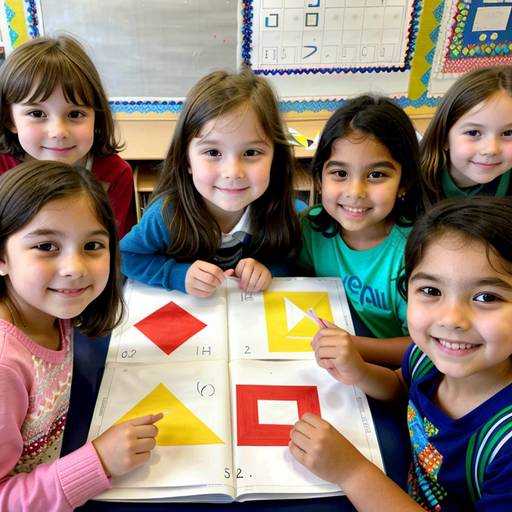
In this engaging math lesson for first graders, students will explore basic geometric shapes and patterns through interactive activities. The lesson begins with a discussion about shapes found in their environment, followed by direct instruction on identifying and naming circles, squares, triangles, and rectangles. Students will learn how to create simple patterns by arranging these shapes in a sequence.
Working in pairs, they will create unique patterns using pre-cut shapes and share their creations with the class. For independent practice, students will use construction paper and markers to design a poster featuring their own patterns and provide a brief description. Throughout the lesson, the teacher will observe and assess students' understanding of shapes and patterns.
To reinforce learning, students will present their posters to the group, highlighting their creativity and comprehension. The lesson also includes optional extension activities, such as a "Shape Hunt," encouraging students to connect classroom learning with the real world. Overall, this lesson fosters an interactive and visual approach to understanding geometry and patterns.
In this first-grade math lesson focused on geometry and shapes, students will explore and identify basic geometric shapes: circle, square, triangle, and rectangle. The lesson begins with a story that introduces these shapes, followed by a discussion about their properties. Students will then embark on a scavenger hunt around the classroom to find real objects that match the shapes they've learned about, documenting their discoveries on a worksheet. Additionally, they will engage in a shape sorting activity in small groups, categorizing various cut-out shapes into groups based on their types and counting them. The class will conclude with a group discussion to reflect on their findings and a brief assessment to gauge their understanding of the shapes and their attributes. The lesson emphasizes interactive learning through exploration, observation, and collaboration, reinforcing the idea that shapes are present in everyday life.
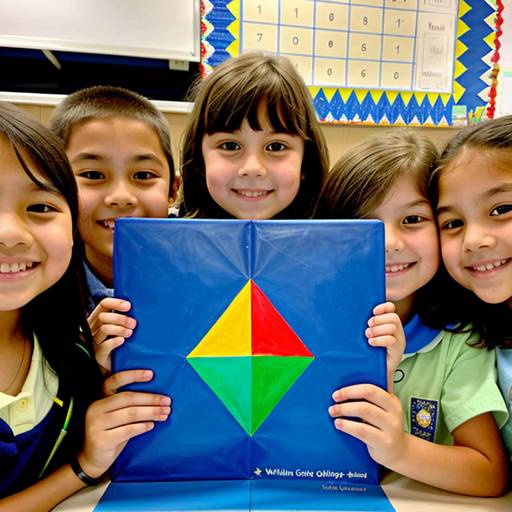
This lesson plan for 1st graders focuses on teaching students about basic shapes and geometry through interactive activities and creative expression. The lesson begins with a discussion on shapes, where students are introduced to circles, squares, triangles, rectangles, and hexagons and are encouraged to identify examples from their environment.
Students then work in small groups to sort shapes based on their attributes, fostering collaboration and critical thinking skills. A story that incorporates shapes is read aloud, prompting students to identify shapes within the illustrations and enhancing their understanding through a narrative context.
To reinforce their learning, students create a shape collage using construction paper, allowing them to apply their knowledge creatively. The lesson concludes with a class reflection, where students share their collages and discuss what they learned. Assessment is conducted through observation and evaluation of both the sorting activity and the collages, ensuring that students grasp the concepts of shape identification and categorization.
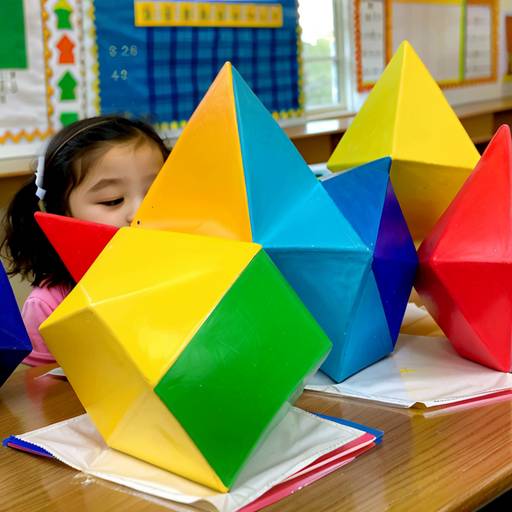
This 1st-grade math lesson focuses on introducing students to basic geometric shapes, including circles, squares, triangles, and rectangles. The lesson begins with an engaging story that highlights shapes and their characteristics, followed by an interactive discussion where students identify shapes around them.
Students participate in a scavenger hunt to find real-life objects that match each shape on their checklist, fostering exploration and practical application of their knowledge. After the scavenger hunt, the class comes together to share their findings, reinforcing their understanding of shapes and their attributes. The lesson concludes with a quick review activity to ensure students can identify and describe the shapes covered, promoting a fun learning environment that connects geometry to the world around them. Assessment occurs through observation and participation, with extensions available for further exploration of shapes.
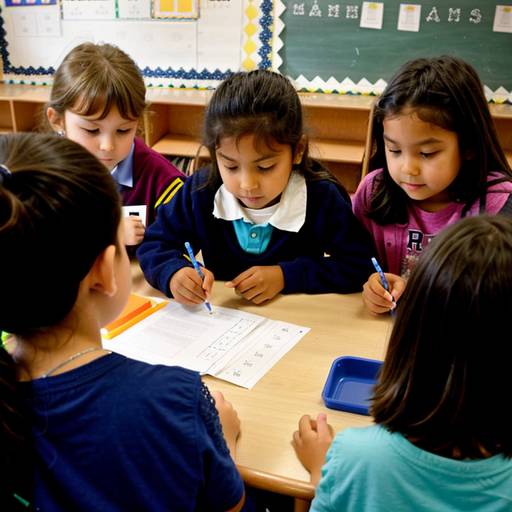
The lesson focuses on introducing first-grade students to basic geometric shapes, both 2D and 3D, through a hands-on exploratory activity. Students will engage in a scavenger hunt around the classroom to identify and categorize various objects that match the shapes studied. They will work in small groups, using a checklist to track their findings and discuss the characteristics of each shape. Following the hunt, students will have the opportunity to share their discoveries with the class, fostering collaboration and communication skills. To reinforce their learning, they will also create a shape collage using cut-out shapes from magazines or colored paper. Assessment will be conducted through observation during activities and a brief oral quiz at the end, ensuring that students understand the properties of the shapes encountered. Extension activities provide additional challenges for those who progress quickly, further enhancing their understanding and engagement with geometric concepts.
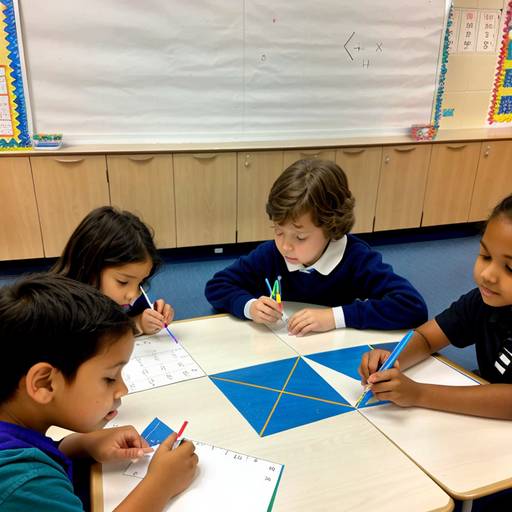
This lesson plan focuses on introducing first-grade students to basic geometric shapes and lines, emphasizing their identification and real-world applications. The session begins with a class discussion about geometry where students engage by naming and describing various shapes, such as circles, squares, triangles, and rectangles. The instructor introduces straight and curved lines through demonstrations, encouraging students to explore their environment for examples.
Following direct instruction, students participate in an interactive scavenger hunt, seeking out and drawing shapes found around the classroom or school. This supports their understanding of the shapes they encounter daily. The lesson continues with a creative activity where students use colored paper, scissors, and glue to create artwork that incorporates the shapes and lines they have learned about. They then share their creations with classmates, reinforcing their understanding through communication.
Assessment occurs through observation during activities, review of scavenger hunt findings, and evaluation of the completed artwork based on creativity and the use of various shapes and lines. The lesson includes adaptations for differing skill levels, ensuring all students can successfully engage with the material. Overall, the plan aims to foster an appreciation for geometry through hands-on learning and artistic expression.
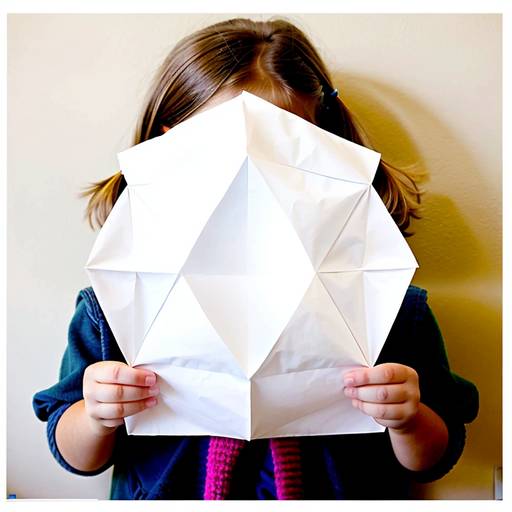
This lesson plan focuses on introducing 1st-grade students to basic geometric shapes and the concept of patterns. The lesson begins with an interactive discussion to identify and name shapes such as circles, squares, triangles, and rectangles using visual aids. Students will learn the attributes of each shape and explore patterns through guided group activities, where they create their own patterns using colorful shape cutouts. Following this, they will complete worksheets that reinforce their understanding of shapes and patterns through identification, drawing, and creation activities. The lesson concludes with students sharing their patterns, promoting peer engagement and reinforcing vocabulary. Assessment will be ongoing through observation and the review of worksheets, with extensions available for early finishers to deepen their understanding. Overall, the lesson emphasizes hands-on learning and supports the development of fine motor skills while maintaining student engagement.
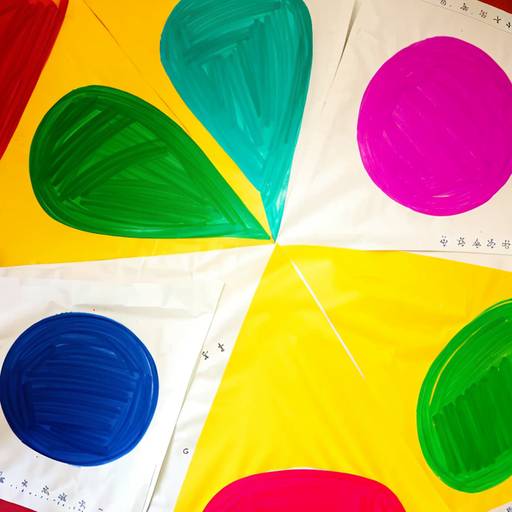
In this 1st-grade math lesson focusing on geometry and patterns, students will explore basic geometric shapes such as triangles, squares, circles, and rectangles. The lesson begins with an interactive discussion where students identify shapes in their environment. Following this, the teacher introduces patterns, explaining their significance and encouraging students to recognize them in visual examples.
Students engage in a hands-on activity where they create their own geometric patterns using shape cutouts and construction paper. They will draw inspiration from provided pattern cards and work on developing their unique sequences. The lesson concludes with students sharing their creations with the class, reinforcing their understanding of shapes and patterns. Throughout the lesson, assessment is completed through observation and students' final projects, ensuring they grasp the concepts of geometry and pattern recognition. Extensions are suggested for advanced students, and there is an emphasis on connecting learning to real-life examples.
This 1st-grade math lesson focuses on introducing students to the concept of subtraction through engaging activities and visual aids. The lesson begins with a storytelling session to capture students' interest, followed by a demonstration of subtraction using manipulatives and visual illustrations on the whiteboard. Students participate in small group activities to collaboratively solve subtraction problems, encouraging discussion and reasoning.
After guided practice, students complete a worksheet to reinforce their understanding of subtraction through independent work. The lesson concludes with a review of key concepts and an exit ticket where students express what they learned by creating a subtraction problem. Assessment is conducted through observation during activities, evaluation of worksheets, and review of exit tickets. Adaptations are included to support learners at different levels, ensuring all students can engage with the material effectively.
In this 1st-grade math lesson, students will explore the concept of subtraction through an engaging and thematic approach centered around outer space. The lesson begins with an introduction to subtraction as "taking away," using visuals and discussions about space to capture students' interest. Direct instruction includes demonstrating simple subtraction problems with manipulatives, allowing students to visualize the process. Guided practice occurs in pairs, where students solve subtraction problems involving tangible objects. Independent practice involves completing a worksheet with space-themed subtraction exercises. The lesson concludes with a class review of answers, reinforcing the subtraction concepts learned, and rewarding students with space-themed stickers for their efforts. Assessment is based on observation during activities and the evaluation of completed worksheets, while differentiation strategies are included to support students at varying levels of understanding. Extension activities further enhance learning, making subtraction enjoyable and memorable.